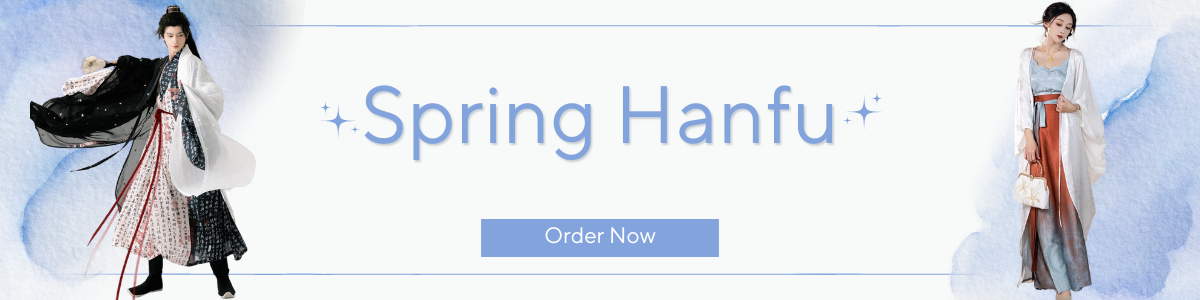

Hanfu whispers where Western fashion shouts. This ancient Chinese attire reveals its genius not through ornate excess but through deliberate emptiness—inviting wind, light, and human grace to complete its design. Like a scroll with unpainted mist or a melody’s resonant pause, Hanfu transforms wearers into collaborators with nature. Its flowing sleeves and undyed linens become canvases for shifting sunlight and passing breezes, proving restraint holds more power than saturation. This philosophy of purposeful absence—Liubai (留白)—turns clothing into living art, where the unsaid speaks loudest.
Colors Borrowed from Earth and Sky
Forget laboratory dyes. Hanfu hues emerge from dawn skies, mossy stones, and autumn forests. Moonlight White isn’t stark but hazy—like fog on rice paper. Stone Blue mirrors rain-soaked cliffs, softened by centuries. Ocher glows like sunset-warmed clay. These colors reject artificial vibrancy, instead echoing landscapes. A plain white skirt in a gingko grove becomes gold-streaked when leaves pirouette onto its folds. Fabric doesn’t dominate; it adapts. Wind paints temporary patterns, shadows add depth, and seasons dictate palettes. Hanfu wearers don’t just dress—they carry fragments of the living world.

This harmony extends beyond pigments. Linen and hemp breathe with the wearer, their muted tones shifting under sunlight like river currents. A Song Dynasty Beizi coat in dusty rose seems to blush at twilight, while a Tang Dynasty shawl in faded indigo absorbs starlight. The magic lies in surrender: by refusing to shout, these colors amplify nature’s voice.
Modern fast fashion screams with neon; Hanfu listens. Its palette invites clouds to stain sleeves and rain to deepen hems. When you walk through maple woods in russet robes, you don’t stand apart—you merge. The clothing becomes a dialogue between human craft and earthly artistry.

Patterns
While European ball gowns shout with sequins, Hanfu murmurs poetry. A single bamboo shoot embroidered on a collar implies a forest. Three curling vines on a Ming Dynasty Mamian skirt (马面裙) suggest untamed gardens. This restraint mirrors ink-wash paintings, where one stroke conjures mountains. Embellishments aren’t decorations but invitations—to imagine swaying reeds where threads form stems, or storm clouds where silver lines curve. Like classical verse with unsaid meanings, Hanfu patterns trust the observer’s mind to fill gaps.
Detail hides in plain sight. A Tang Ruqun’s sash might bear faint cloud spirals, visible only when silk catches light. Song Dynasty sleeves could frame cranes with just wingtips and a beak. Minimalism becomes metaphor: absence defines presence. When wind lifts a hem stitched with wispy plumes, birds seem to take flight.
This subtlety rejects vanity. Patterns serve atmosphere, not status. A peony isn’t rendered petal-by-petal but hinted through one folded bud. To wear such design is to become part of its story—your movement animating the stillness, your shadow completing the scene.

Cut
Hanfu sculpts space, not skin. Collars slope like calligraphy strokes, baring throat curves without constraint. Sleeves billow yet taper, catching breezes like sails but never tangling limbs. Skirts fall in soft pleats, rippling like pond rings with each step. Unlike corsets or tailored suits, this cut celebrates breath. Fabric glides, drapes, and floats—allowing light to seep through seams and wind to dance within folds.
Crossed collars frame but don’t choke. When you bend to smell lotus blooms, sunlight slips through the V-shaped gap, tracing gold on your collarbone. Wide sleeves aren’t burdens; they’re wings. Lift your arm, and silk arcs like a heron’s neck. Lower it, and the cloth cascades cleanly. Even layered robes feel weightless, each garment moving independently yet harmoniously.

The genius lives in allowance. Stiff fabrics would fight the body; Hanfu’s linen and silk yield. Pleats expand when you stride, contract when you pause. Air circulates freely, cooling in summer, insulating in winter. Such design understands bodies aren’t statues but rivers—always shifting, always alive. Dressing becomes an act of liberation.
True elegance thrives in emptiness. Next time you wear Hanfu, stand still. Watch how wind sketches invisible designs on your sleeves. Notice how dusk seeps into unbleached hems, dyeing them violet. Those quiet spaces—between thread and skin, cloth and sky—aren’t voids. They’re where poetry begins.