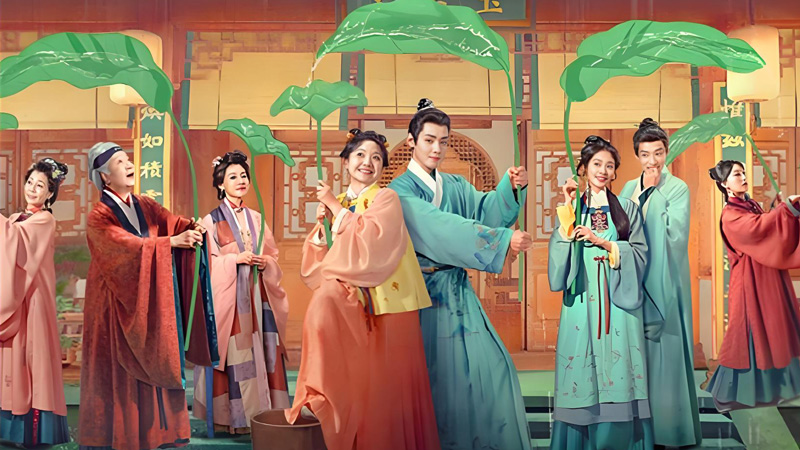
In the captivating drama Hilarious Family 2, two characters find themselves trapped in oppressive systems, yet their journeys diverge dramatically. Ai Sixi (艾四喜), punished for faking a pregnancy, endures brutal torment at the Yuanyang Tang (鸳鸯堂), a correctional facility for women. Meanwhile, Jing Kan (经坎), sentenced to labor at the Gongcha Yuan (贡茶园) for running an unlicensed tea shop, transforms his plight into an opportunity.
Why does one succumb to despair while the other carves out freedom? Their stories reveal profound truths about reliance, resilience, and the human spirit in the face of injustice. This tale set in a historical backdrop challenges viewers to reflect on their own responses to adversity, making it a poignant narrative for modern audiences.
Dependency and Deception
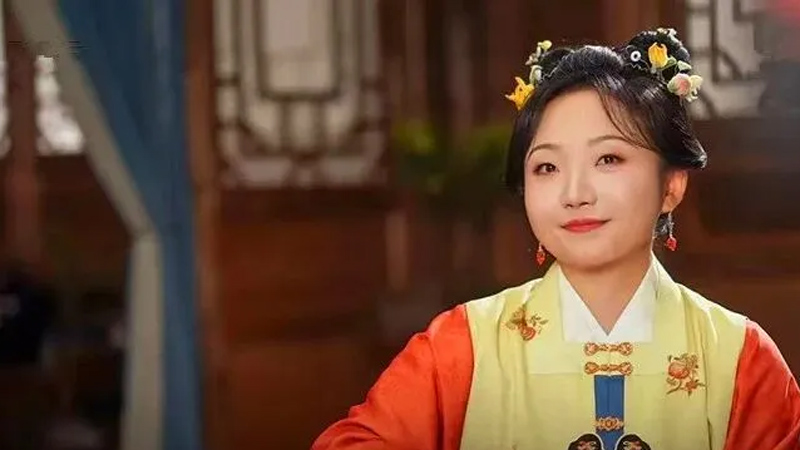
Ai Sixi arrived at the Yuanyang Tang expecting to learn simple chores like serving tea or sewing. Instead, she encountered a harsh regime designed to break her will. The female overseer, a formidable figure, subjected her to psychological games and physical labor, such as binding her hands to grind grain while dangling food just out of reach. This environment stripped away her dignity, leaving her feeling isolated and helpless. Each day blurred into a cycle of exhaustion and false hope, as the facility's rules emphasized blind obedience over personal growth.
Her desperation led her to trust Wei Shuangxi (魏双溪), who offered a glimmer of kindness with a simple pie and a promised escape route. Ai Sixi clung to this aid without question, seeing it as her only way out. However, when she attempted to flee by climbing a wall with Wei Shuangxi's help, the betrayal unfolded brutally. Wei Shuangxi abandoned her, shouting for the guards to secure her own freedom by capturing another escapee. This moment shattered Ai Sixi's trust, revealing how easily vulnerability can be exploited in a competitive, oppressive setting.
The experience underscored a painful lesson: relying solely on others often leads to greater suffering. Ai Sixi's initial passivity and lack of critical thinking made her a pawn in someone else's scheme. In places like the Yuanyang Tang, where power dynamics favor the ruthless, blind faith in rescuers can deepen one's entrapment. Her story serves as a cautionary tale about the dangers of dependency, urging individuals to cultivate self-awareness even in the darkest times.
Self-Reliance and Success
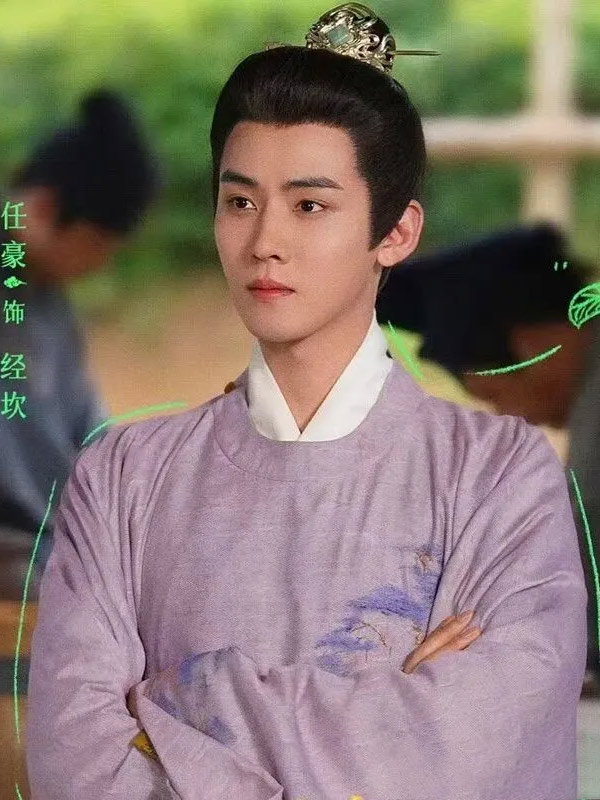
Jing Kan entered the Gongcha Yuan with a similar naivety, initially marveling at the tea garden's scenery before realizing the labor involved harsh conditions and gang conflicts. Tied up and beaten, he faced humiliation that mirrored Ai Sixi's early struggles. However, a turning point came when a letter from Ruan Ling (阮伶), disguised as Ai Sixi, ignited his determination. He carried it everywhere, pondering its meaning, which eventually led to a confrontation with a gang leader who disrespectfully tossed it aside.
Enraged, Jing Kan fought back with unexpected ferocity, overwhelming his opponents through sheer willpower. His fearless response earned him respect from the other inmates, who began treating him as a leader. This shift in dynamics allowed him to navigate the tea plantation's hierarchies, proving that assertiveness can reshape one's environment. By standing his ground, he transformed from a victim into a figure of authority, gaining privileges that eased his daily life.
Soon, the local officials took notice and proposed a business partnership, leveraging his tea expertise. Jing Kan wisely shared profits, fostering mutual benefit that led to his early release. His journey highlights how proactive problem-solving and courage can turn obstacles into stepping stones. Unlike Ai Sixi, he didn't wait for salvation; he created it through strategic actions and resilience, demonstrating that self-reliance is the key to unlocking freedom.
Embracing Inner Strength
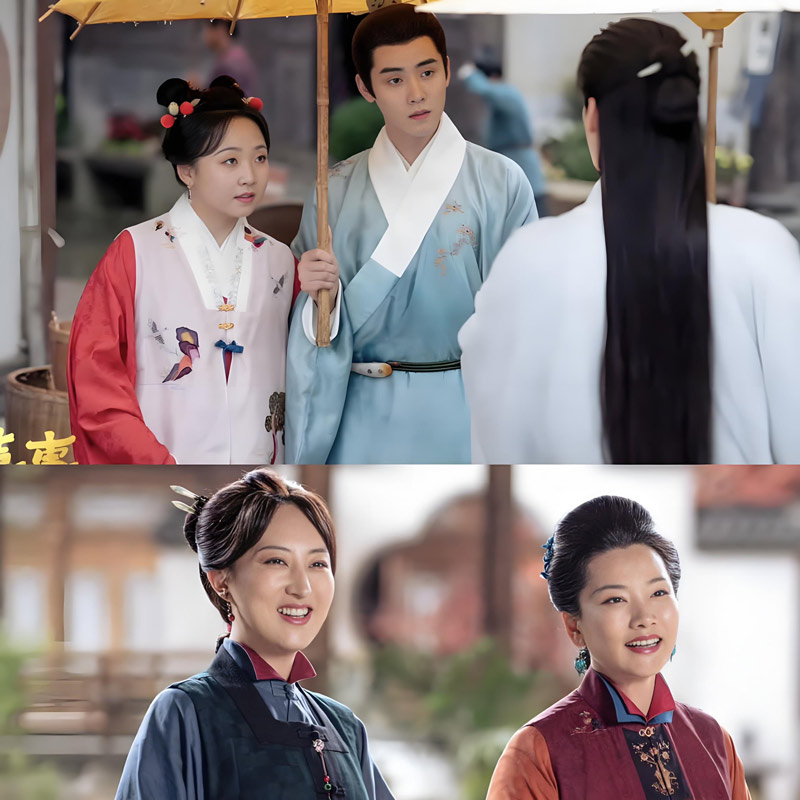
The contrasting fates of Ai Sixi and Jing Kan in Hilarious Family 2 illuminate a universal truth: adversity tests our core beliefs. Ai Sixi's reliance on external saviors left her trapped in a cycle of disappointment, while Jing Kan's inner drive propelled him toward autonomy. Their experiences remind us that in unjust systems, waiting for rescue often prolongs suffering, whereas taking initiative can forge new paths.
This narrative resonates beyond the drama, encouraging viewers to assess their own lives. Whether in personal challenges or professional setbacks, the principle remains—empowerment comes from within. Cultivating mental and emotional independence enables individuals to face hardships without losing themselves to despair. It's about recognizing that, like Jing Kan, we can negotiate with oppressive forces and emerge stronger.
Ultimately, Hilarious Family 2 invites us to become the architects of our destiny. By learning from these characters, we can avoid the pitfalls of dependency and embrace the courage to confront life's battles head-on. Their stories are not just entertainment but a call to action: to build our own foundations of strength and resilience, ensuring that no external cage can ever fully confine us.