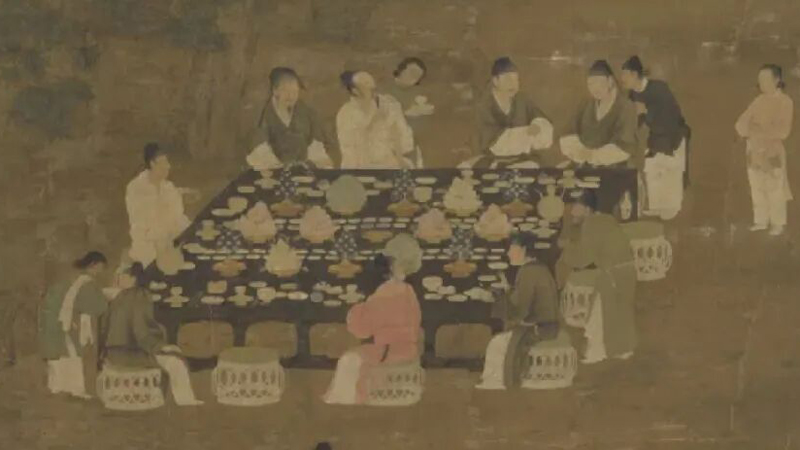
As summer's heat gives way to autumn's crisp air, a timeless ritual unfolds across China, one rooted in the wisdom of generations past. This practice, known as Tie Qiu Biao (贴秋膘), or "autumn fattening," is not merely about indulgence but a strategic preparation for the harsh winter ahead. Historically, the cooling temperatures signaled a time to replenish the body after the lean summer months, when appetites waned and energy was depleted.
From imperial kitchens to humble farmsteads, people turned to specific, nutrient-rich foods to build resilience and store energy. This article delves into the delicious and practical ways ancient Chinese communities embraced this seasonal shift, focusing on the iconic dishes that defined their autumn tables and supported their health through the colder seasons.
Hearty Meat Feasts
One of the most beloved dishes for autumn nourishment was Hongshao Rou (红烧肉), a slow-braised pork belly known for its rich, savory-sweet sauce and meltingly tender texture. In rural households, after the intense labor of summer harvests, a substantial piece of pork was a treasured source of fat and protein. Cooked with Huangjiu (黄酒), soy sauce, and rock sugar in a heavy pot over a low flame, the dish transformed simple ingredients into a deeply satisfying meal. Served over a steaming bowl of rice, it provided immediate comfort and long-lasting energy, making it a cornerstone of family feasts during the Li Qiu (立秋), or Start of Autumn, festival.
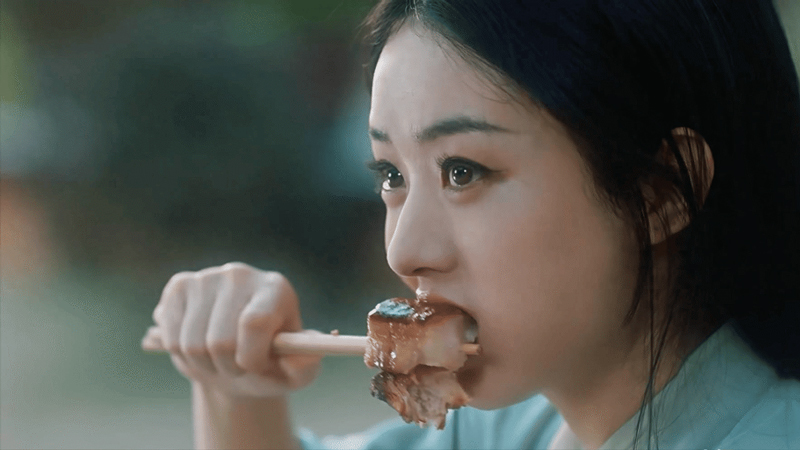
The cultural significance of this dish is often linked to the Song Dynasty poet and gastronome Su Shi (苏轼), who famously celebrated the art of braising pork in his verse. His method emphasized patience and low heat, ensuring the meat became exceptionally flavorful and soft. This approach elevated pork from a common staple to a dish worthy of autumn celebrations, symbolizing prosperity and well-being. Over centuries, the recipe evolved, but its core purpose remained: to fortify the body against the coming cold with every succulent bite.
Another robust option was lamb, particularly in medicinal preparations like Danggui Shengjiang Yangrou Tang (当归生姜羊肉汤), a soup featuring lamb, Chinese angelica, and ginger. Documented in the medical classic Jin Gui Yao Lue (金匮要略) by Zhang Zhongjing, this combination was prized for its warming properties. Lamb supplied essential fats and proteins, while the herbs promoted blood circulation and dispelled internal cold. Families would simmer this soup for hours, creating a potent remedy that doubled as a nourishing meal, especially as temperatures dropped.

Aquatic Autumn Harvest
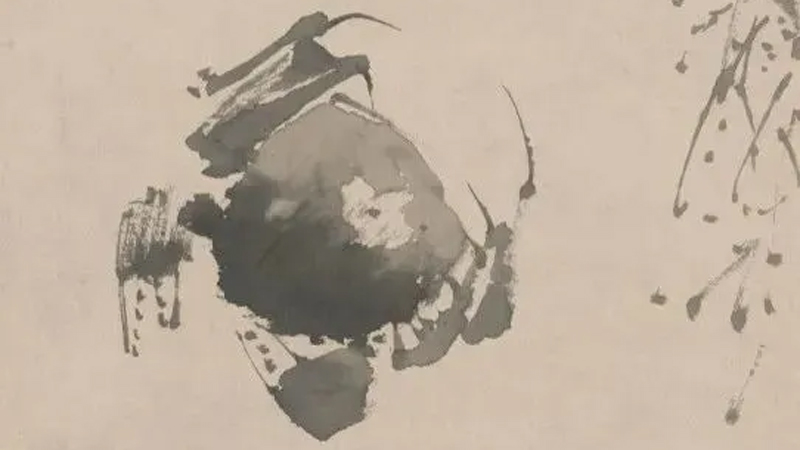
When autumn winds began to blow, crabs emerged as a highly anticipated delicacy, their roe and meat reaching peak richness. The phrase "autumn winds rise, crab claws itch" captures the excitement surrounding their harvest. Steamed to perfection, crabs were typically enjoyed with a dipping sauce of vinegar, minced ginger, and a hint of sugar, which balanced their inherent coolness. A warm cup of Huangjiu accompanied the meal, aiding digestion and enhancing the experience with its subtle sweetness.
In literary works like The Dream of Red Mansions (红楼梦), crab feasts were depicted as social events where characters gathered to compose poetry and savor the season's bounty. These gatherings highlighted the crab's role not just as food but as a catalyst for community and cultural expression. Historical records, such as those in Dongjing Menghua Lu (东京梦华录), describe how urban residents in Bianjing (汴京), the Northern Song capital, would organize crab parties to mark the season, blending gourmet pleasure with the practical need to add insulating fat.
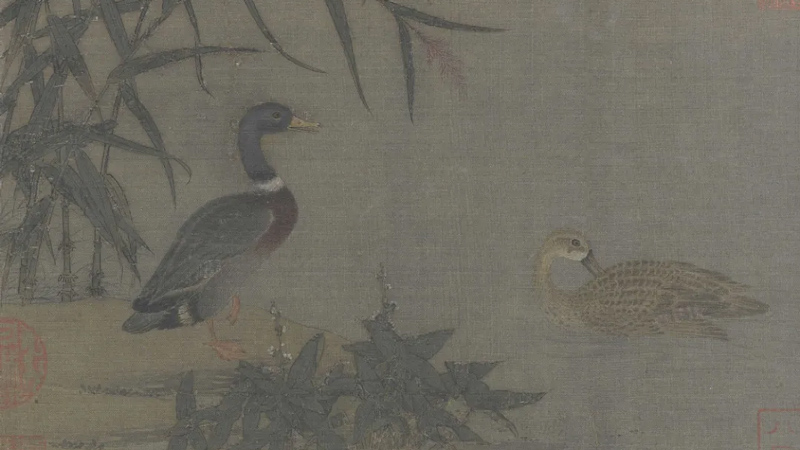
Duck also featured prominently, valued for its lean yet flavorful meat and cooling nature, which suited early autumn's residual warmth. In the Qing Dynasty imperial court, duck hot pot was a frequent entry on autumn menus, as seen in palace archives from Emperor Qianlong's reign. Thinly sliced duck was cooked in bubbling broths with ingredients like Yanwo (燕窝), or bird's nest, creating a dish that was both luxurious and functional. This method allowed diners to absorb nutrients gradually while enjoying the communal aspect of shared meals.
Restorative Simmered Broths
For deeper nourishment, soups made with poultry and herbs became essential. Chicken soup, often prepared with an old hen and ingredients like Renshen (人参), or ginseng, Gouqi (枸杞), or goji berries, and red dates, was simmered for hours until the broth concentrated with vitality. This practice aligned with traditional beliefs in boosting Yuanqi (元气), or primordial energy, to combat autumn fatigue and strengthen the body's defenses. In wealthy homes, such soups were a staple, reflecting a blend of culinary art and preventive health care.
Emperor Qianlong, known for his longevity, regularly consumed herbal soups like Shenqi Dunji (参芪炖鸡), which combined ginseng and astragalus with chicken. Court physicians tailored these recipes to his constitution, advising moderate autumn supplementation to lay a foundation for winter. This imperial endorsement trickled down to commoners, who adapted the principles using locally available herbs, ensuring that even simpler versions provided significant benefits.
The philosophy behind these autumn eating habits is encapsulated in texts like Huangdi Neijing (黄帝内经), which advises nurturing yin in autumn to prepare for winter's dominance. By choosing foods that were abundant, warming, and nutrient-dense, people could address summer's depletion thoughtfully. This wisdom emphasized balance—enjoying hearty meals without excess, and listening to the body's needs as seasons change, a lesson that remains relevant today.