When the full moon rises in the autumn sky, families across China and beyond gather for the Mid-Autumn Festival, a celebration that transforms a simple lunar event into a profound symbol of unity and hope. This festival, rooted in ancient lunar worship, has evolved into a vibrant tapestry of rituals and joys that resonate through generations. It is not merely a date on the calendar but a living tradition where the moon's glow illuminates stories of harvest, reunion, and cultural continuity.
From bustling cities to quiet villages, people pause to honor the past while creating new memories, blending time-honored customs with personal touches. The essence of this night lies in its ability to connect individuals to their heritage and to each other, making it a cherished pause in the rhythm of modern life. As the world moves fast, the Mid-Autumn Festival offers a moment to reflect, share, and appreciate the simple beauty of togetherness under the celestial canopy.
Ancient Roots
The origins of the Mid-Autumn Festival trace back to ancient China, where communities revered the moon as a divine force linked to agricultural cycles and cosmic balance. Initially, it served as a harvest thanksgiving, with rituals aimed at appeasing lunar deities for bounty and protection. Over dynasties, what began as solemn ceremonies in royal courts trickled down to common folk, embedding itself into the social fabric. By the Tang and Song eras, it had blossomed into a widespread cultural phenomenon, celebrated with poetry, feasts, and public gatherings that emphasized harmony with nature.
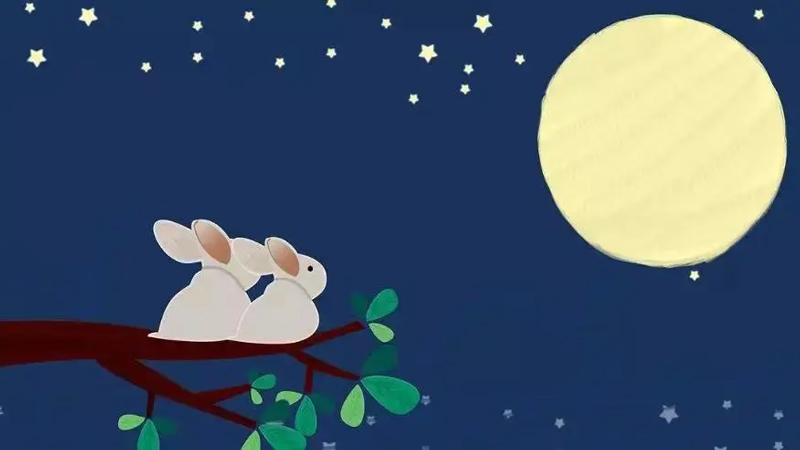
This evolution saw the festival absorb local flavors, from northern plains to southern coasts, each region adding its unique twist to the core theme of lunar admiration. Historical records, such as those in the Dream Pool Essays (闲情试说时节事), highlight how moon gazing became a popular pastime, shifting from purely religious acts to inclusive social events. The integration of myths, like the tale of Chang'e (嫦娥) fleeing to the moon, enriched the narrative, turning astronomical observations into heartfelt legends that still captivate listeners today.
As it spread across East Asia, the festival adapted to different cultures while retaining its Chinese heart, symbolizing a shared human longing for connection. Today, its ancient roots remind us that despite technological advances, the pull of the moon and the desire for communal bonds remain unchanged, offering a timeless bridge between eras.
Moonlit Rituals
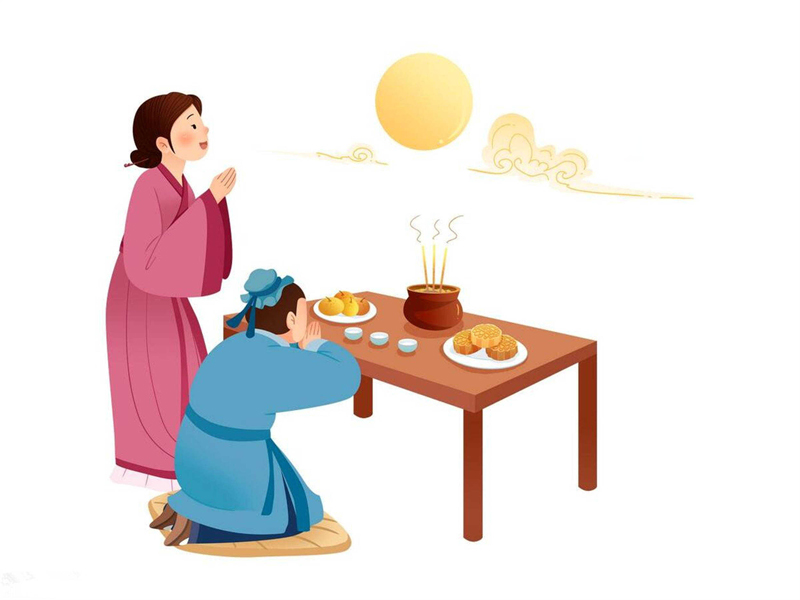
One of the most evocative customs is moon worship, where families set up altars adorned with offerings like fruits, incense, and symbolic items to honor the lunar spirit. This practice, known as Jiyue (祭月), involves arranging delicacies such as pomelos and persimmons to express gratitude and seek blessings for the coming year. In some households, a makeshift throne for the moon deity is crafted, with red candles flickering as each member bows in reverence, weaving personal prayers into the collective ritual.
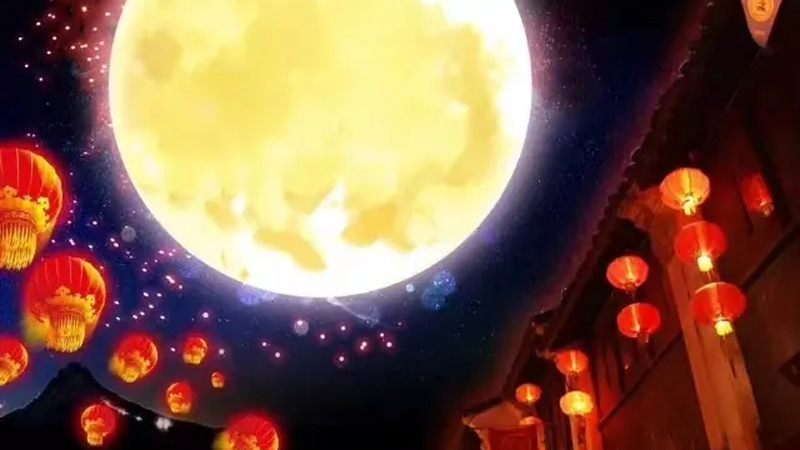
Lighting lanterns is another cherished tradition, turning nights into kaleidoscopes of color and warmth. In regions like Guangdong, people assemble towers from tiles or bamboo, placing glowing lamps atop them to enhance the moon's radiance. These displays, often shaped like animals or characters, create a playful atmosphere where children and adults alike marvel at the illuminated landscapes. The act symbolizes igniting hope and driving away darkness, fostering a sense of joy and community spirit that transcends generations.
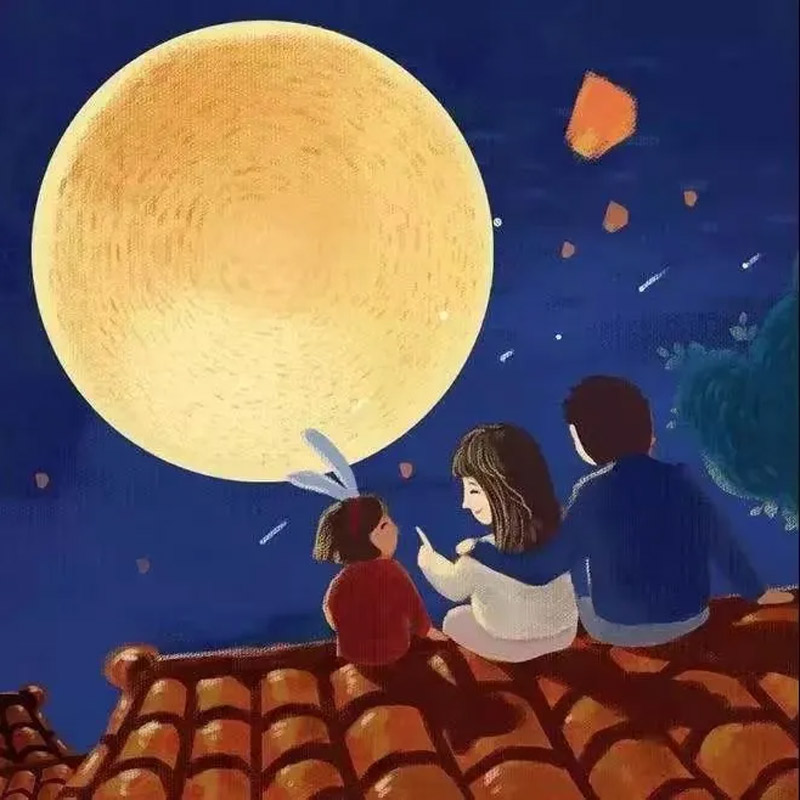
Admiring the moon itself is a central activity, where groups gather in open spaces to bask in its silvery light, sharing stories and refreshments. This simple yet profound act encourages reflection on life's cycles and the beauty of natural phenomena. In coastal areas like Zhejiang, watching the tidal bores during this time adds a dynamic element, as roaring waves under the full moon inspire awe and remind observers of nature's untamable power.
Sweet Traditions

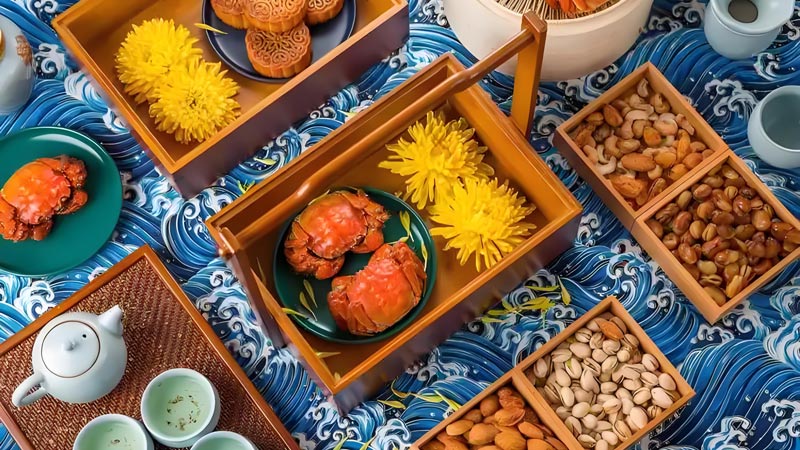
At the heart of the festival lies the enjoyment of mooncakes, dense pastries filled with sweet or savory ingredients that symbolize completeness and familial unity. These treats, often intricately stamped with designs, are exchanged among loved ones as tokens of affection and good fortune. From lotus seed paste to salted egg yolks, the varieties reflect regional tastes, making each bite a journey through China's diverse culinary landscape. Sharing them over tea deepens bonds, turning meals into intimate gatherings filled with laughter and nostalgia.
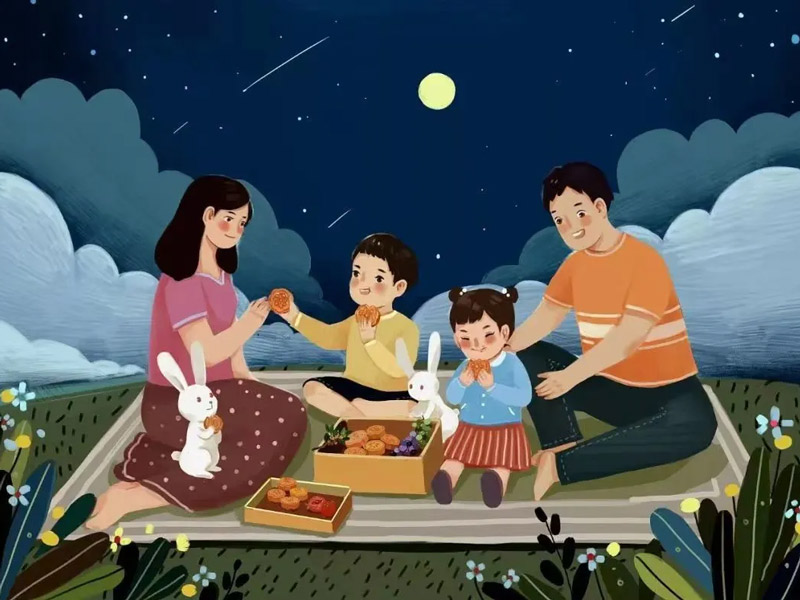
Another delightful aspect is savoring osmanthus in various forms, from wines to candies, which infuse the air with a delicate fragrance. Brewing a cup of osmanthus tea or sipping fermented wine under the moonlight adds a sensory layer to the celebration, evoking memories of autumn harvests and sweet moments. This custom ties the festival to seasonal rhythms, highlighting how nature's gifts are woven into human festivities for a multisensory experience.
Modern adaptations have introduced new twists, such as vegan mooncakes or artisanal flavors, yet the core meaning remains—a focus on sweetness in life and relationships. These edible traditions not only satisfy palates but also serve as edible metaphors for the festival's themes, ensuring that every flavor tells a story of heritage and happiness.