
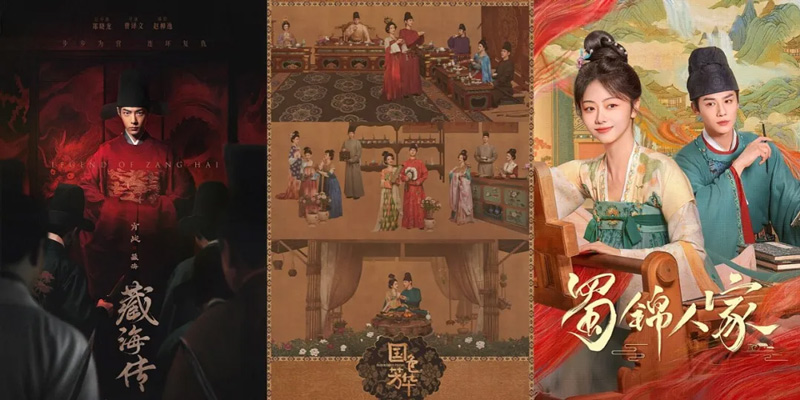
In historical television, a shift is occurring where traditional crafts become essential to storylines, moving beyond decorative elements to actively shape character development and plot progression.
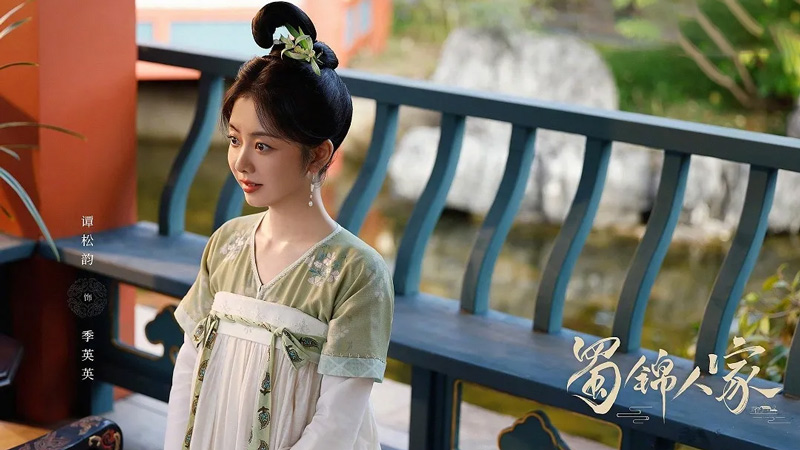
One series, Brocade Odyssey (蜀锦人家), features a protagonist whose skill in textile arts drives her actions and relationships. Detailed weaving scenes are integrated into key moments, showing how this craft influences political and personal outcomes. This method allows the art form to feel alive and relevant to the narrative.
Another example, Scent of Time Full (为有暗香来), uses scent creation as a tool for mystery-solving and alliance-building. The main character's expertise in perfumery helps unravel clues and deepen emotional arcs. This approach turns a historical practice into a dynamic part of the story, engaging viewers with its practical applications.
By embedding these elements, shows offer educational value without breaking immersion. Audiences gain insight into historical techniques while following compelling arcs. This balance enhances the overall experience, making cultural learning a natural part of entertainment.
This trend highlights the importance of authenticity in integration. When cultural practices are woven seamlessly into the plot, they enrich the narrative depth. It encourages creators to prioritize meaningful content over superficial additions, potentially reshaping audience expectations for the genre.

Cultural Threads in Modern Storytelling
Television landscapes are witnessing a subtle yet significant transformation as historical series increasingly incorporate elements from ancient practices. This shift moves beyond visual appeal, embedding cultural depth into narratives that resonate with contemporary audiences. It reflects a collective desire for authenticity and a connection to roots, reshaping how stories are told and consumed. Producers and writers are now weaving these threads into the fabric of their work, creating a bridge between past and present that enriches the viewing experience.
The First Wave
A few years back, a particular drama set a new standard by highlighting detailed aspects of historical accuracy. Its attention to attire and customs caught viewers' attention, sparking widespread discussion. This series demonstrated that authenticity could drive engagement, leading to a surge in similar approaches across the industry. Audiences began to expect more than just entertainment; they sought a glimpse into bygone eras.
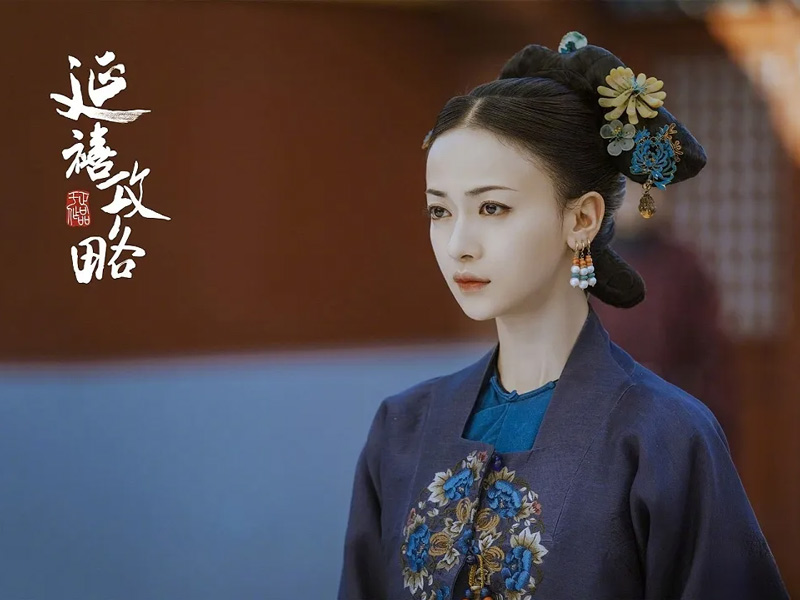
Following this, production teams started to prioritize cultural elements in their designs. They brought in advisors specializing in ancient practices to ensure precision. This change was partly driven by viewer expertise, as fans often spot inaccuracies quickly. To maintain credibility, studios now employ specialists who focus solely on these details, avoiding common pitfalls.
Additionally, some projects began featuring intangible heritage crafts, such as traditional puppet-making or textile arts. These inclusions not only add visual richness but also help preserve fading traditions. By showcasing these skills, dramas serve as a platform for cultural education, fostering appreciation among younger generations.
Weaving Culture into Plots
As this trend evolved, cultural aspects started to influence storylines directly. Characters' professions or personal journeys now often revolve around ancient arts, like crafting perfumes or practicing ceremonial rituals. This integration adds layers to the narrative, making it more immersive and meaningful. It allows viewers to learn about traditions while following compelling arcs.
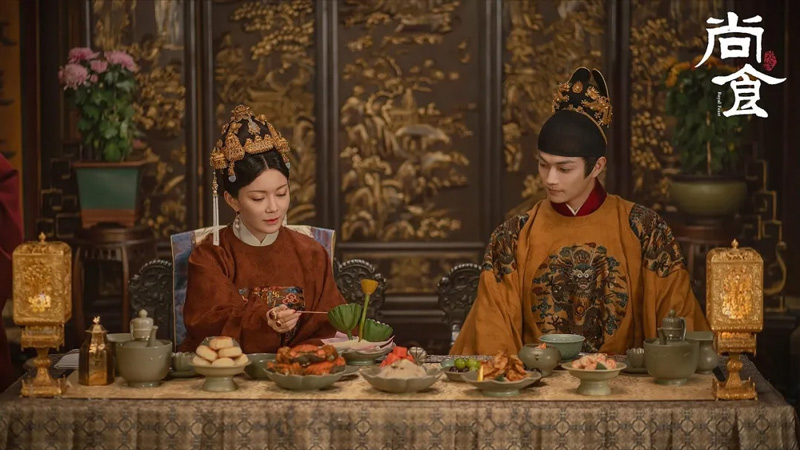
Production companies and streaming platforms now encourage projects that emphasize these ties. During development phases, proposals that include cultural connections are often favored for their added value. Such elements can enhance a series' appeal and align with broader educational or promotional goals, sometimes leading to partnerships with cultural organizations.
However, the success of these integrations hinges on balancing cultural depth with engaging storytelling. If overemphasized, these elements might distract from the plot. Writers must skillfully intertwine them to ensure they enhance rather than overwhelm the narrative, keeping audiences invested from start to finish.
Navigating Challenges
Despite the advantages, not all series achieve the desired impact with cultural inclusions. One major hurdle is selecting which traditions to feature; while some are widely relatable, others may seem obscure. For instance, focusing on niche areas like ancient architecture or geomancy requires careful handling to make them accessible without losing their essence.
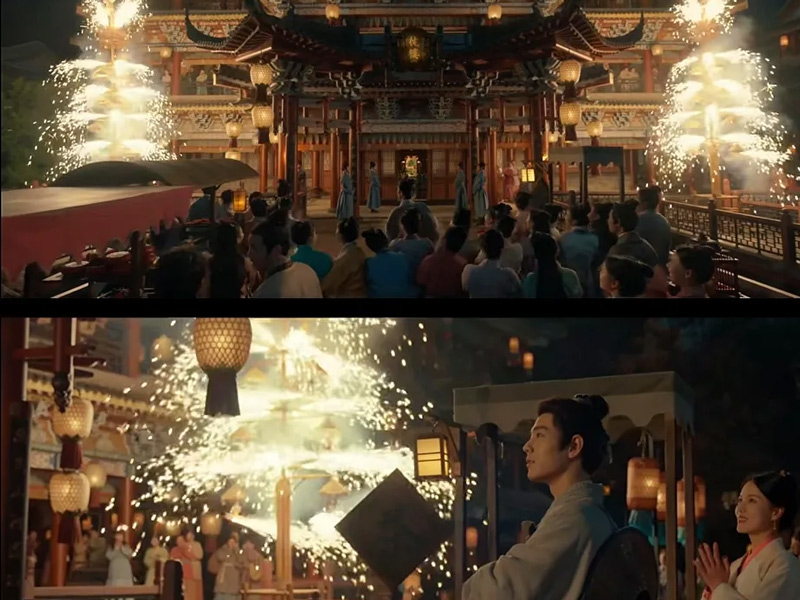
Another challenge lies in execution. Producers must avoid treating cultural elements as mere decoration, ensuring they contribute meaningfully to the story. This demands thorough research and collaboration with experts to maintain integrity. Missteps can lead to criticism, undermining the very authenticity sought.
Moving forward, the industry must learn from both triumphs and setbacks. By refining how cultural threads are integrated, creators can build more resonant series that honor heritage while captivating modern viewers. The goal is to strike a harmony that elevates the art of storytelling itself.

Reviving Traditions in Period Dramas
Historical dramas have evolved beyond mere costume spectacles, increasingly weaving traditional culture into their fabric. This shift mirrors the demands of industry dramas, where authenticity in portraying professions drives engagement. By treating these elements as core components rather than decorative touches, creators can craft stories that resonate deeply. This approach challenges teams to move past superficial aesthetics and delve into the substance of cultural practices. The goal is to build worlds where every detail feels intentional and alive.
Industry Fundamentals
Accurate representation of traditional crafts starts with meticulous research. Productions now often consult experts to ensure techniques like tea preparation in A Dream of Splendor (梦华录) or textile weaving are depicted correctly. This dedication extends to costumes and props, with some projects investing heavily in custom pieces. For instance, one series reportedly created over a thousand outfits to reflect historical accuracy. Such efforts help audiences connect with the material on a tangible level.
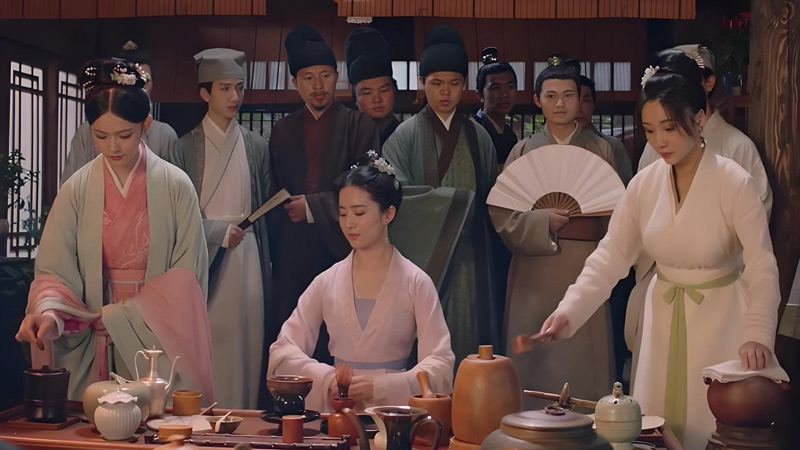
Beyond visuals, these dramas explore the rules and rhythms of past industries. They highlight how trades operated, from guild protocols to market dynamics. This focus transforms cultural elements into active plot drivers rather than static backdrops. By showing the intricacies of a craft, stories gain a layer of credibility that enhances viewer immersion. It turns historical settings into vibrant workplaces where conflicts and triumphs feel earned.
However, balancing educational content with entertainment remains a delicate task. Overloading scenes with technical details can disrupt narrative flow. Successful works integrate these aspects seamlessly, allowing the industry itself to become a character. This method fosters appreciation for heritage without feeling like a lecture. It is about showing the sweat and skill behind the artistry, making the past accessible and engaging.
Character and Plot
Compelling narratives arise when cultural elements shape character development. Protagonists might be artisans whose identities are tied to their craft, facing conflicts that test their skills and ethics. This alignment ensures that personal journeys are intertwined with the cultural backdrop. For example, a perfumer's quest for mastery could drive both emotional and professional stakes. Such depth prevents stories from relying solely on romantic subplots.
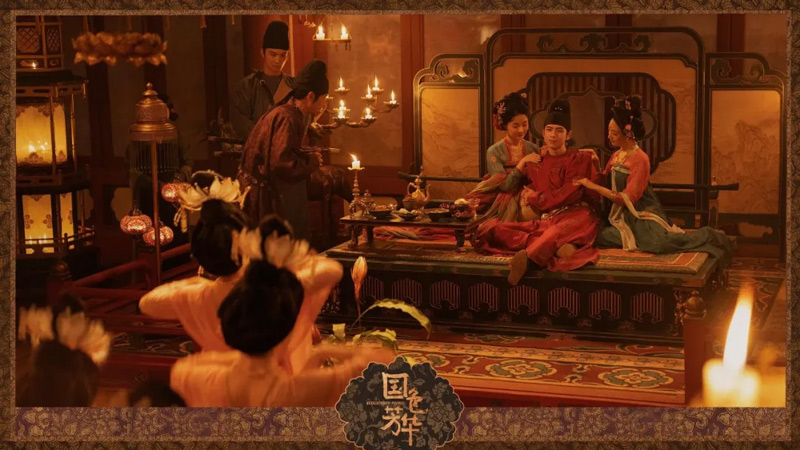
Writers often use cultural practices to symbolize broader themes, like resilience or innovation. In one drama, textile dyeing techniques mirror a character's growth through adversity. This metaphorical layer enriches the storytelling, allowing audiences to draw connections naturally. It avoids heavy-handed symbolism by grounding it in actionable plot points. The culture becomes a lens through which viewers experience the characters' transformations.
Avoiding clichés requires fresh perspectives on how traditions influence motives and relationships. Instead of using culture as a mere tool for conflict, it should inform decisions and dialogue. When a potter's creations become central to a rivalry, the stakes feel personal and specific. This approach ensures that the cultural element is indispensable to the narrative, not an afterthought. It cultivates stories that are both unique and universally relatable.
Practical Challenges
One significant hurdle is the homogenization of character appearances in many period pieces. When everyone looks impeccably styled, it undermines the realism of technical professions. Portraying a weaver or blacksmith with gritty, practical attire adds authenticity. Directors must resist pressure to prioritize aesthetics over substance, especially when the story centers on labor-intensive trades.
Another issue is the tendency to default to romance-driven plots, which can dilute cultural themes. If a drama about ceramic art devolves into a love triangle, the industry aspects become secondary. Creators should ensure that the core conflict stems from the craft itself, such as mastering a difficult technique or navigating market competition. This keeps the focus on the cultural journey, making it the heart of the narrative.
Budget constraints also play a role, as authentic recreations of historical methods can be costly. However, strategic investments in key scenes can yield high returns in viewer engagement. Collaborations with cultural institutions or artisans can provide cost-effective solutions while enhancing credibility. The challenge is to allocate resources wisely, ensuring that the portrayal remains respectful and accurate without compromising the production's viability.
Culture's New Pulse in Historical Drama
Television screens are filling with stories that weave traditional Chinese crafts into their narratives. This marks a distinct shift in historical drama, moving beyond palace intrigues to explore the substance of cultural work. These series attempt to connect modern audiences with the intricate skills that built civilizations. The focus is on the hands that made the ink, brewed the tea, and composed the music, offering a fresh perspective on the past.
Stories in the Making
Several upcoming productions highlight this trend. One drama centers on a woman determined to revive her family's ink-making business, set against the backdrop of Huizhou (徽州). Another, titled Glory (玉茗茶骨), follows the daughter of a tea master navigating her own path in the world of tea ceremony. A different project delves into the practice of traditional Chinese medicine, framing it within a woman's entrepreneurial journey.
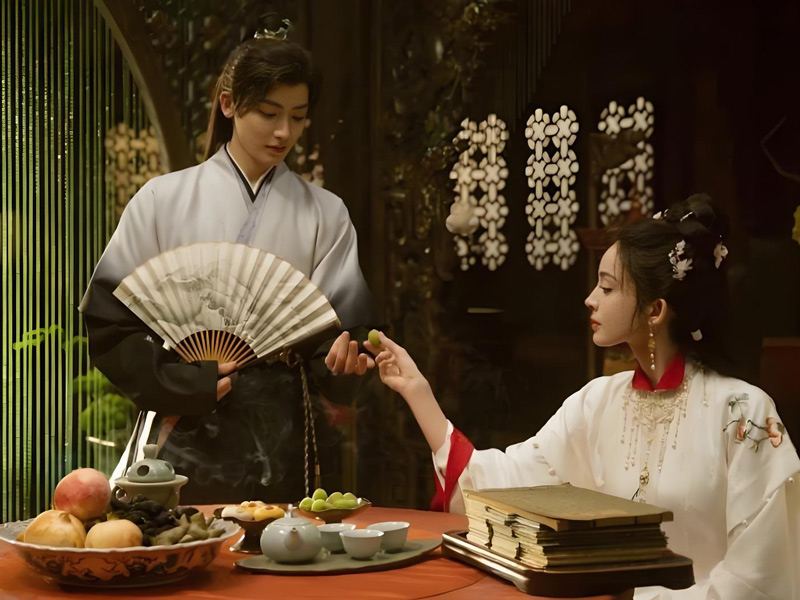
Music and food also find their place. A series called Gu Yue Feng Hua Lu (古乐风华录) incorporates elements of ancient music, while another, based on a popular novel, builds its narrative around culinary arts. These projects share a common thread: placing a specific cultural craft at the heart of their story. They use these practices not just as background, but as the central conflict and driver for character development.
The scale of these stories varies. Some are intimate portraits of family legacies, while others have grander ambitions. A major production, Tiangong Zhi Cheng (天工之城), plans to depict the artisans who built Beijing's central axis and the Forbidden City. Another will tell the life story of a Peking Opera master. This range shows a growing appetite for diverse historical narratives.
Beyond the Surface
Audience anticipation is tempered by practical concerns. The primary question is whether these shows can do justice to the cultural elements they showcase. Fans of the source material for the food-centric drama, for instance, wonder if the series can capture the novel's vivid and comforting descriptions of cuisine. Authenticity in depiction is a key measure of success for viewers.
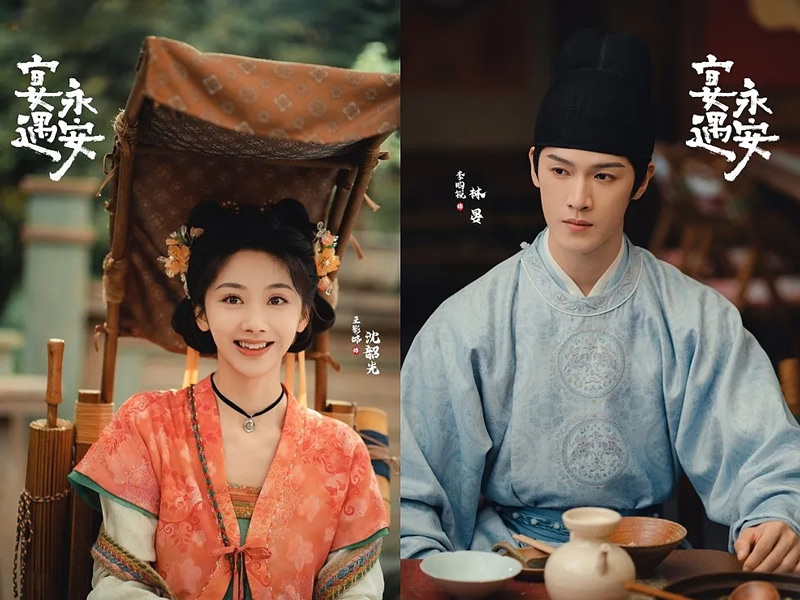
A deeper concern involves the storytelling itself. The shadow of homogenization looms large, as many historical dramas fall into predictable patterns. There is a common template: a inheritor seeks to revitalize a family business, often framed as a female-centric commercial saga. This formula is prevalent, making truly original narratives difficult to find.
The core issue lies in character creation. Simply crafting a protagonist who is intelligent, virtuous, and independent is no longer enough to resonate with contemporary viewers. This surface-level empowerment feels hollow. The real challenge is to build complex, driven individuals whose personal journeys are inextricably linked to their cultural mission, avoiding simplistic archetypes.
A Shift in Approach
A fundamental change in creative philosophy is required. Many producers still operate with an outdated toolkit, prioritizing manufactured romantic chemistry or recycling revenge plots. They are assembling a story from worn-out parts instead of building it from a solid, original foundation. This approach is losing its effectiveness with a more discerning audience.
The path forward may lie in treating these stories as serious period pieces or legends. The focus should be on robust character arcs and a compelling plot where the cultural craft is a vital organ of the story, not mere decoration. The goal is to create figures as memorable and complex as those found in classic tales of business and perseverance, but through a modern lens.
Ultimately, this trend presents a viable direction. Integrating traditional culture offers clear benefits, providing rich material and a unique identity. For the genre to evolve, however, creators must look beyond market trends. The real transformation will come from a renewed commitment to the content itself, from the ground up.

Summary
This article explores a growing trend in historical television dramas where traditional arts and crafts, such as textile weaving and perfumery, are becoming central to the plot. Moving beyond mere background decoration, these elements are now essential for driving character development and advancing the narrative.
Shows like Brocade Odyssey and Scent of Time Full exemplify this by integrating cultural practices directly into their storylines. This approach enriches the viewing experience, offering educational value about heritage while ensuring the arts feel relevant and dynamic, ultimately reshaping audience expectations for authenticity in the genre.
