What if we told you that National Day celebrations, in some form, are almost thirteen centuries old? Long before the founding of modern nations, the concept of a "national" celebration already thrived in one of the world's most enduring civilizations. However, the festivities looked remarkably different, centered not on a country's founding but on the individual who embodied the state: the emperor. In ancient China, the most magnificent celebrations were reserved for the emperor's accession to the throne and his birthday, events that transformed into nationwide holidays filled with ritual, revelry, and a distinct imperial grandeur.
Imperial Accessions
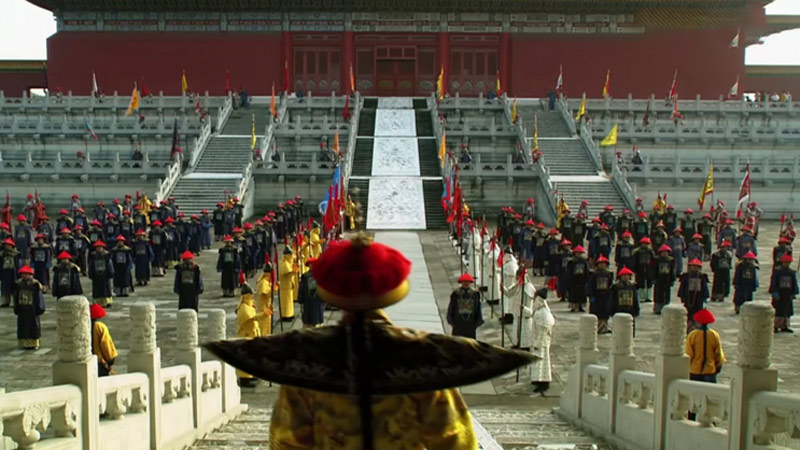
The most momentous occasion in an empire was the ascension of a new emperor. Marking the start of a new reign and a new era, the accession ceremony was the highest standard of celebration. The capital city would be decorated with lanterns and banners, while an elaborate and solemn ritual unfolded within the palace. The emperor, dressed in ceremonial robes, would report to Heaven and the ancestral temples before receiving the obeisance of all his officials. This event was not merely a political formality; it was a powerful symbol that the entire nation was bathing in the atmosphere of a new beginning. Acts like widespread pardons or reductions in taxes and corvée labor were common practices, allowing the common people to benefit directly from the dawn of a new rule.
To announce the new sovereign, imperial proclamations were posted at city gates and marketplaces, declaring the new emperor's reign and the inauguration of a fresh era title, such as "the first year of Yongle (永乐)" or "the first year of Qianlong (乾隆)." In some regions, local authorities might organize special events like open markets or larger-than-usual temple fairs. While the core political rituals were confined to the imperial court, the populace often celebrated spontaneously, decorating their homes with lanterns and colors to hail the accession of a "peaceful sovereign" and to pray for a prosperous future under his rule.
Birthday Festivities
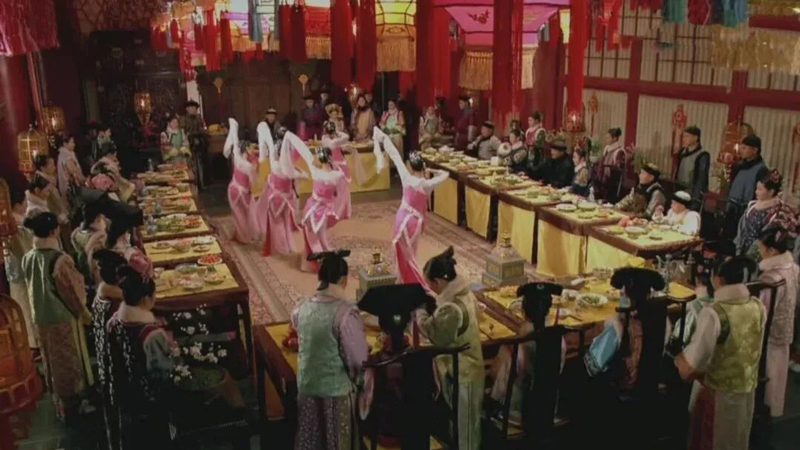
The other grand celebration was the emperor's birthday. The practice of celebrating the sovereign's birthday as a national event was solidified during the Tang Dynasty. In 729 AD, officials petitioned to designate the fifth day of the eighth lunar month, the birthday of Emperor Xuanzong (唐玄宗), as the Qianqiu Jie (千秋节). Its name carried the wish for a reign lasting ten thousand generations. The emperor decreed three days of national holiday and held lavish banquets. This set a precedent that later dynasties, including the Five Dynasties and the Song Dynasty, would enthusiastically follow.
These imperial birthday celebrations, known as Sheng Jie (圣节), involved elaborate court ceremonies. On the day, royal relatives, important ministers, and foreign envoys would be feasted. Officials, dressed in formal court attire according to their rank, would wait outside the palace gates in the early hours to participate in the intricate and solemn morning congratulation rituals. Even local officials across the country would set up incense altars and perform the ritual of three kneelings and nine prostrations in the direction of the capital to wish the emperor longevity.
By the time of the Ming and Qing dynasties, the festival had evolved into the Wanshou Jie (万寿节), a name expressing the desire for an endless life. It was ranked alongside New Year's Day and the Winter Solstice as one of the three major festivals of the court. For these three occasions, the Qing palace would host its most important ceremonial activities. The celebration of the emperor's birthday became a cornerstone of imperial tradition, reflecting the fusion of state power and personal reverence.
Commoners' Celebration
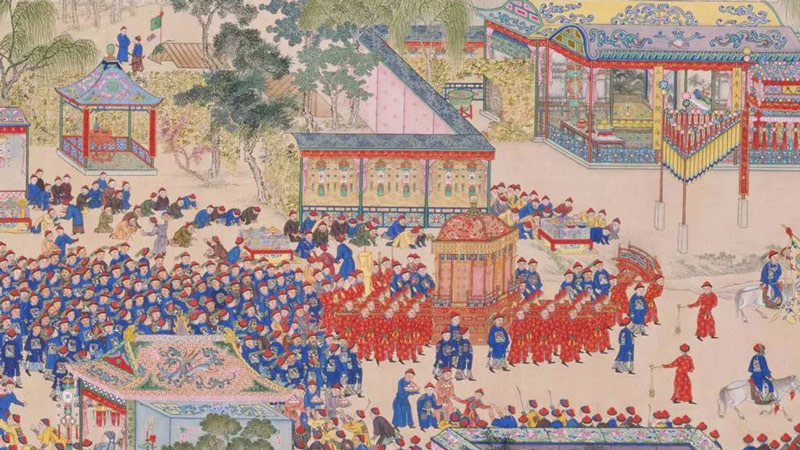
While the grandest spectacles occurred within the palace walls, the spirit of the celebration rippled out to the common people. Although ordinary citizens did not participate directly in the core political ceremonies, they still enjoyed a vibrant festival atmosphere and tangible benefits. The declaration of a public holiday meant a respite from labor, and the state often promulgated bans on slaughter and legal proceedings for the day, contributing to a more peaceful and festive environment.
The most immediate joy for the populace was the bustling marketplaces and lively street scenes. On days like the Qianqiu Jie, women would adorn their faces with decorative makeup, and young girls would go out to enjoy themselves in bright, beautiful clothes. The streets were filled with an air of excitement. Local authorities might capitalize on the festive mood by organizing open markets or expanding existing temple fairs, giving people a chance to shop, be entertained, and partake in the collective joy.
This created a multi-layered celebration across the land. The upper classes were engrossed in their complex rites and grand banquets, while the common people enjoyed the holiday's leisure and the market's excitement. Hanging lanterns, watching performances, and indulging in street food were their ways of joining the national festival. In the worldview of ancient China, where "all lands under heaven belong to the emperor," celebrating the sovereign's birthday was a way for everyone, from officials to peasants, to mark their place in the empire and hope for stability and prosperity.