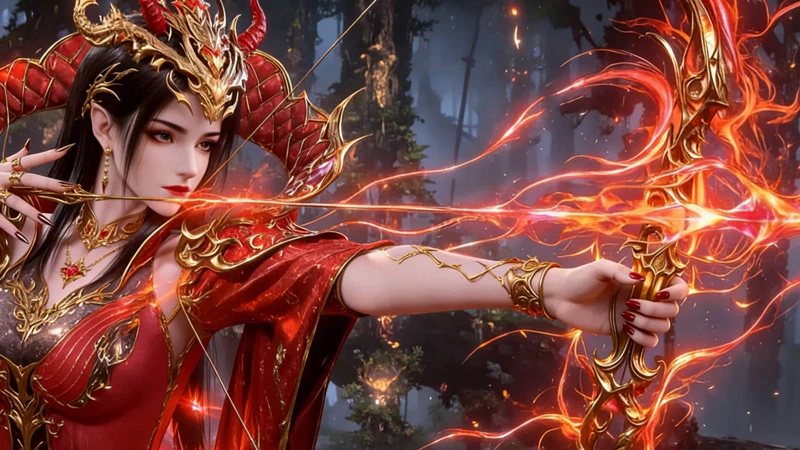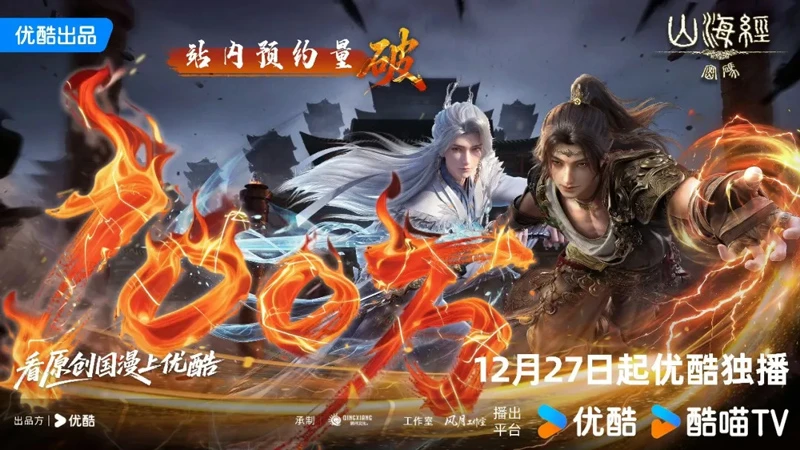
Is this flight, or a deliberate march into the unknown? For the young souls at the story’s heart, the distinction blurs. Their journey begins not with a call to glory, but with a rejection of pre-ordained paths. Shan Hai Jing (山海经), that ancient tapestry of myth and beast, is no longer mere scripture. It becomes the very ground they tread—a Dahuang Shijie (大荒世界) of primordial chaos and raw wonder, re-awakened through their defiant eyes.
This narrative shift represents more than a new setting. It is a conscious turn inward, towards the deepest wells of the cultural imagination. The anime Threads of Fate: A War Untold (山海经密码) channels the text’s untamed spirit, not through scholarly reverence, but through the volatile energy of its protagonists. Their rebellion against fate and heated struggles feel immediate, forging a tangible link between the audience and the ancient world’s breathtaking scale and peril.
By framing epic, dynasty-shifting events through the lens of youth and their visceral conflicts, the work attempts a delicate fusion. It seeks to make the foundational myths resonate on a human frequency, suggesting that the oldest stories can hold the sharpest relevance when their heartbeat is rediscovered and set racing anew.

Myth Reborn: Crafting New Worlds
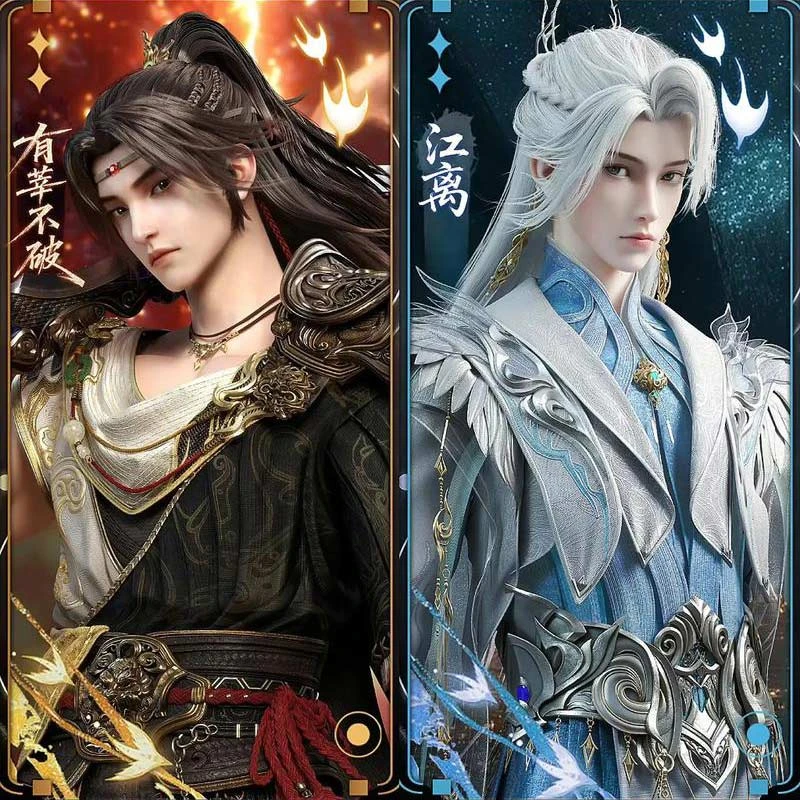
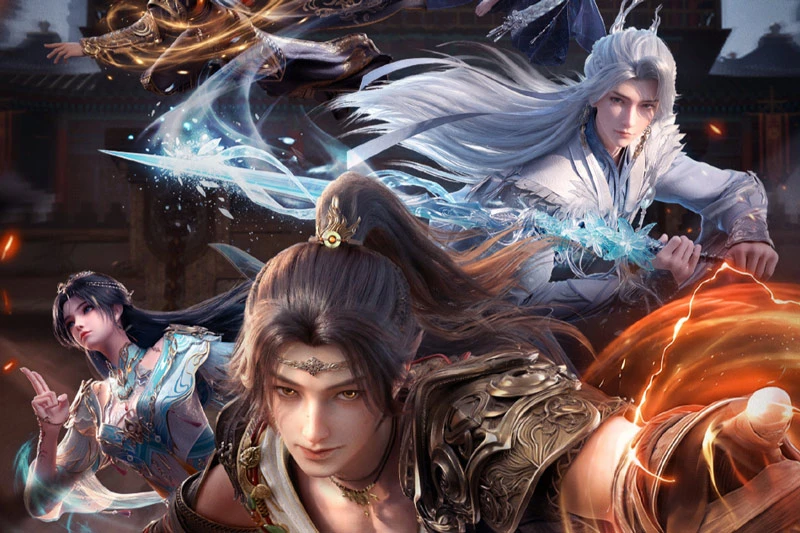
In the premiere of Threads of Fate: A War Untold, a startling refusal sets events into motion. The Shang (商) kingdom’s royal descendant, You Shen Bupo (有莘不破), rejects his coronation, removing a mystical seal from his body to flee the capital. Meanwhile, Jiang Li (江离), a prince from the Xia palace (夏宫) bound by cosmic duty, is pulled from seclusion into the unfolding chaos. Their paths collide on a vast, untamed plain, confronting not merely a beast but the raw, forming rules of a mythic era.
A Living Cosmos, Not a Backdrop
Many contemporary animations treat ancient texts like the Shan Hai Jing as a repository of striking visual symbols—creatures and landscapes to be borrowed and inserted into new stories. This series attempts something fundamentally different. It asks what happens when you stop plucking pieces from mythology and instead try to rebuild the soil from which it grew. The goal is a coherent, operational logic for an entire world.
The creative team spent their most intensive period not on design, but on reasoning. Within an ancient framework, how could a theme like “defying fate” translate into a character’s concrete choices? How could mythical beasts and divine trials weave into the historical fabric of the Xia-Shang transition? Every narrative element had to become a foundational stone.
This careful construction is evident in the plot’s fabric. The central conflict between dynasties, You Shen Bupo’s self-imposed seal, and Jiang Li’s sect obligations intertwine into a web of destiny. Their subsequent journey with a merchant caravan, facing bandit raids where one acts with fierce bravery and the other with tactical calm, further defines the laws and texture of their world, known as the Dahuang.
Fate Woven with Choice
The series positions its protagonists at a fascinating crossroads of predestination and free will. Jiang Li embodies the weight of heavenly mandate, a path laid out by tradition and expectation. In contrast, You Shen Bupo represents a radical, self-determined break. His act of removing the Suolong Ding (锁龙钉), a mechanism of control, is a literal and metaphorical unbinding.
Their evolving partnership becomes the engine for exploring this tension. One is not simply “good” and the other “rebellious”; both grapple with the consequences of their roles. The narrative suggests that even the most rigid cosmic order contains spaces for individual choice, and that true rebellion requires understanding the system one seeks to change.
As they navigate the perils of the Dahuang, their decisions—whether to fight, flee, or negotiate—slowly alter the landscape of possibilities around them. The mythical beasts they encounter, like the ancient Kui (夔), are not random obstacles but manifestations of the world’s primordial forces, reacting to the disturbance these young men introduce.
The Texture of Antiquity
This focus on foundational world-building generates a distinct aesthetic and emotional atmosphere. It is not a sleek, fantasy realm but one that feels actively forged, still bearing the rough edges of creation. The Dahuang is perilous, vast, and imbued with a sense of deep time, where every rock and river might hold latent power or ancient memory.
This approach transforms the adventure from a quest through a pre-built “level” into a journey across a living, breathing ecosystem where myth is still happening. The characters don’t just visit a world; they participate in its ongoing genesis. Their struggles shape the rules, and the rules, in turn, challenge their very understanding of heroism and purpose.
By dedicating itself to this level of internal consistency, the series moves beyond escapism. It invites the audience to ponder the mechanics of belief and story themselves. What are the costs of upholding a celestial order? What is lost and gained when someone tries to write their own destiny into the annals of a predetermined history?
A New Narrative Frontier
The implications of this shift from “borrowing symbols” to “generating a universe” are significant for creative storytelling. It proposes that classic mythological sources are not exhausted troves for decoration, but fertile ground for cultivating entirely new narrative ecosystems. This method treats the source material as an inspiration for logic, not just for imagery.
For Chinese animation, often navigating popular genres like Xianxia, this represents a potential pathway out of familiar patterns. It demonstrates that tension and drama can arise not only from power escalation and romance, but from the fundamental clash between an individual and the operating principles of their reality. The “hot-blooded” spirit here is channeled into a struggle for narrative agency within a mythic framework.
Ultimately, Threads of Fate: A War Untold offers a case study in depth. Its ambition lies in suggesting that the most compelling way to honor ancient stories might be to rigorously reimagine their foundations, constructing a space where new legends can feel as inevitable and awe-inspiring as the old ones. The adventure on screen is mirrored by the creative adventure behind it: the daring to build a world from the ground up.
https://youtu.be/Gzfs6AaMUIs

A New Aesthetic Language for Chinese Animation
In an industry where technical polish is now a given, a deeper question emerges for Chinese animation: how does one move beyond universal beauty to forge a visual identity that breathes life into a story’s soul?
The Homogenization of Beauty
The current era boasts unprecedented technical mastery. Renderings are exquisite, effects shimmer, and character designs adhere to high standards of appeal. This has created a reliable, audience-pleasing visual dialect.
Yet, this very proficiency carries a hidden cost. When diverse narratives are funneled through a similar lens of lighting and texture, a subtle sameness can take hold. The specific cultural fingerprint of a story and its unique narrative voice often get softened, blurred by a dominant aesthetic.
The challenge is no longer about achieving technical brilliance, which is now expected, but about harnessing that brilliance to construct a distinct, believable world. The image must become an anchor for the story’s reality, not just a demonstration of skill.
Genetic Extraction, Not Filter Application
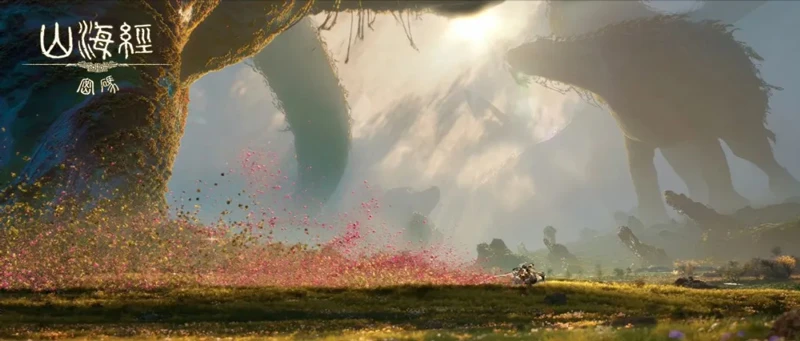
This was the central test for the team behind Threads of Fate: A War Untold. Their source material, the ancient text Shan Hai Jing, describes a primordial wilderness of myth and strange creatures. The task was to give this incomplete, textual “Great Wasteland” a visual form that felt inherent, not applied.
They moved past simply plastering recognizable mythological symbols onto generic scenes. Instead, they pursued a process termed “genetic extraction.” This meant going back to the cultural source code of the era that inspired the tales—the atmospherics of the Xia and Shang dynasties.
Inspiration was drawn from the solemn spirit and material culture of those early Bronze Age periods. The goal was a visual tone stripped of later, more delicate artistic refinements, one that carried a raw, heavy, and mysterious quality.
Forging the World of the Great Wasteland
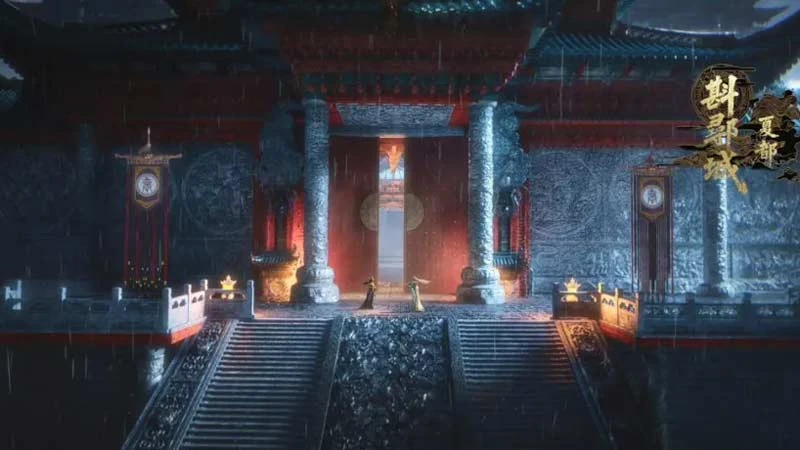
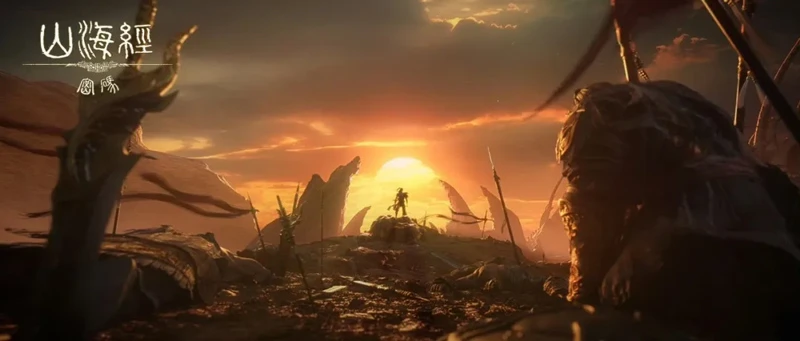
This philosophy materialized in every frame. The charred ruins of Kongsang City (空桑城), the oppressive halls of the Shang royal palace, the biting snowstorms of the wilderness—their color palettes and textures consciously broke from the familiar, luminous realms of common fantasy.
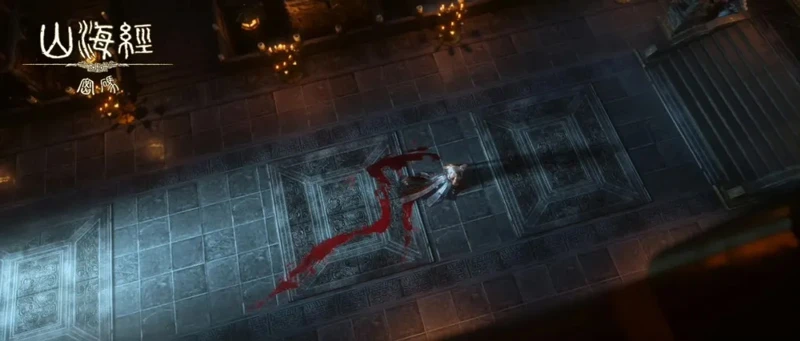
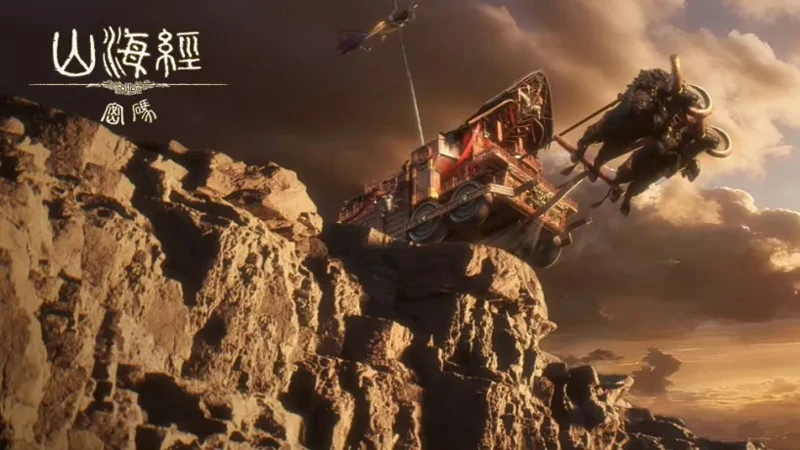
Even the most imaginative elements, like the transforming bronze chariots or desert battle formations, obeyed a visual logic rooted in this archaic, power-infused simplicity. The team built a coherent ecosystem for the eye.
Consequently, mythical beings like the single-legged Kui (夔) beast, with its crashing thunder, and the manifestations of the Azure Dragon felt organically woven into this world. Their power displays were not isolated spectacles but extensions of the environment, actively shaping the narrative and deepening character.
Ancient Soul, Modern Pulse
Threads of Fate: A War Untold demonstrates a synthesis of “ancient essence in contemporary form.” It avoids a static imitation of historical art, instead using modern animation’s dynamic pacing and narrative precision to reinterpret the chaos, mystery, and monumental scale found at civilization’s dawn.
The breakthrough lies in deep aesthetic decoding of a specific cultural matrix, forging a visual grammar exclusive to it. When every texture and shadow quietly reinforces the world’s rules, the work gains an identity far more robust than surface-level beauty.
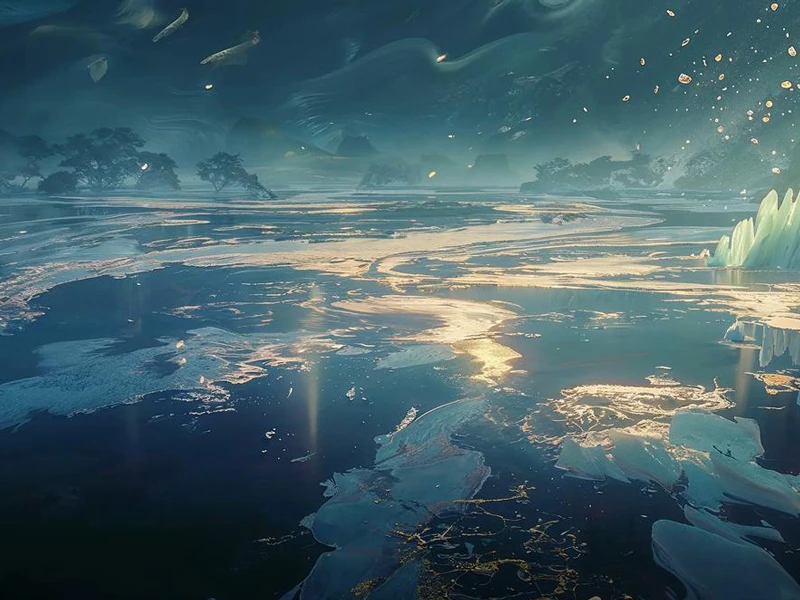
This approach charts a potential path forward. True stylistic innovation may begin not with chasing trends, but with a profound return to source material, distilling from it a visual language all its own. It is in this synthesis that a new, more resilient vitality for Chinese animation can be found.

The New Language of Myth
The most compelling fantasy worlds are not those with the most intricate rules, but those where the audience feels the weight of destiny alongside its characters. A recurring challenge in grand mythological storytelling is the gap between the awe of divine spectacle and the need for human connection. Modern adaptations are now navigating this divide, not by simplifying the myths, but by recalibrating their narrative heart.
The Anchor of Character
Successful mythmaking today begins with a conscious choice: a pivot from using protagonists as mere guides through a strange bestiary to anchoring the entire epic in their personal journey. The sprawling tales of survival and cosmic struggle found in texts like the Shan Hai Jing are being reframed as intimate, ardent coming-of-age sagas.
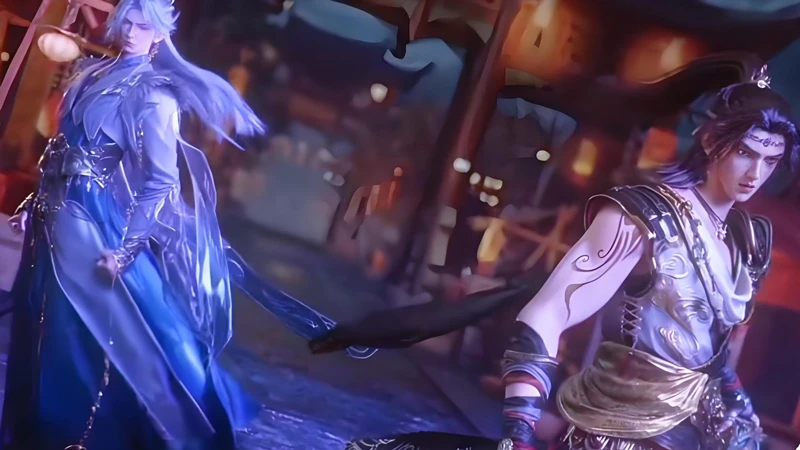
This approach transforms characters from functional symbols into vessels of will and choice. Their rebellion is not a predetermined script but a visceral drive for autonomy. The relationships they forge—moving from wariness to unwavering trust—unfold through shared trials, mirroring real human bonds.
In this context, the mythical beasts and divine powers cease to be simple set pieces. They become external manifestations of inner conflict, visual metaphors for emotional crescendos. The creative task shifts from explanation to immersion, asking not how the magic works, but how it feels.
Finding the Universal Pulse
The true alchemy lies in translating ancient cultural substrates into emotions that resonate now. A story about a hero challenging heaven can become a powerful allegory for breaking free from prescribed paths and asserting self-worth. This is the universal pulse beneath the archaic skin.
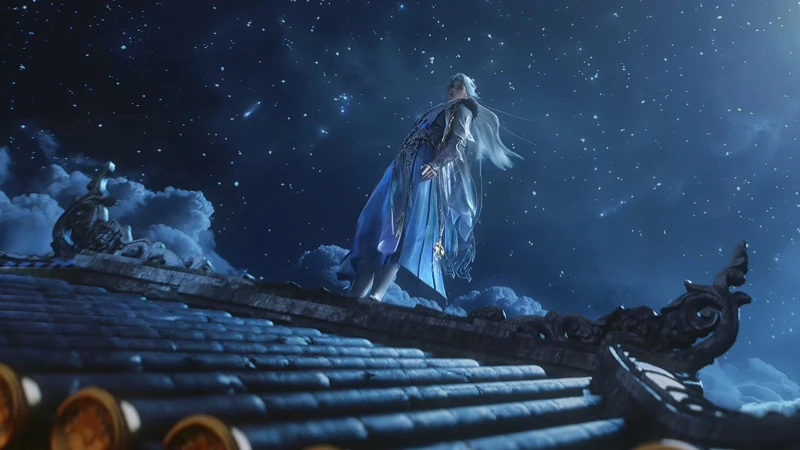
This resonance hinges on specificity. By focusing tightly on a character’s growth—their doubts, alliances, and defining choices—the narrative builds a bridge. The audience stops observing a distant legend and starts participating in a relatable struggle for identity and agency.
Thus, the ‘cultural codes’ are not presented as museum artifacts but as lived experiences. The mythic logic fuses with human emotion, making the primordial strangely familiar. The story’s power derives less from what the hero is destined to do, and more from what they, as an individual, decide to fight for.
Building Worlds, Not Just Stories
This narrative philosophy is evolving into a strategic blueprint for content ecosystems. Platforms are moving beyond betting on isolated hits. Instead, they are cultivating distinct narrative ‘lanes’, each with its own audience and creative potential, to build a more resilient and diverse intellectual property matrix.
We see this in a slate of projects that define clear lanes. One title might deepen a specific fantasy genre, while another carves a new path for female protagonists. A series like Threads of Fate: A War Untold represents a lane dedicated to the systematic, character-driven revitalization of ancient mythology itself.
This methodical approach fosters sustainability. It allows for deep audience cultivation within each lane while encouraging cross-pollination. The goal is a living story-world where multiple tales can coexist and reinforce one another, transforming a single adaptation into a gateway for an entire mythos.
New Narratives from Ancient Wells
The comic Threads of Fate: A War Untold demonstrates a shift. It digs into the Shan Hai Jing, not merely retelling its myths. Instead, it filters these ancient tales through modern lenses of identity and belonging. This approach moves beyond surface-level adaptation. It treats cultural source material as deep soil, not just decoration.
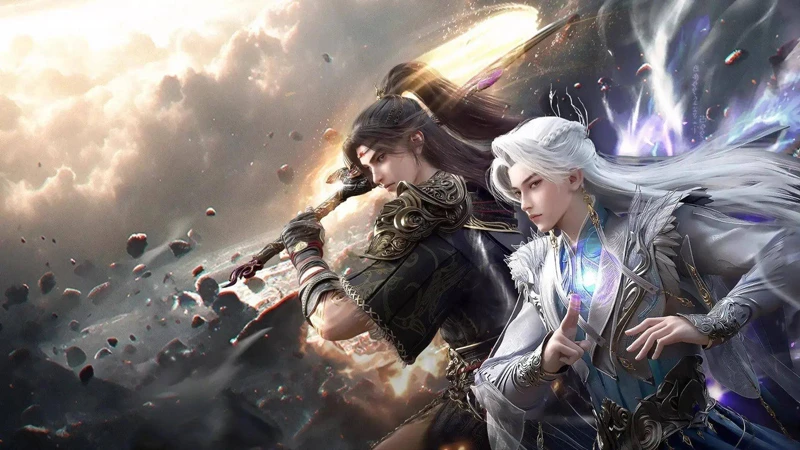
By weaving classic lore with contemporary character struggles, a new connection forms. Young audiences find points of entry into stories that once seemed distant. The work becomes a conversation across time, where ancient monsters and heroes reflect modern dilemmas. This synthesis is deliberate. It avoids pastiche, aiming for a genuine fusion where the old informs the new without dominating it.
This method suggests a sustainable path. When creators engage deeply with their cultural wellsprings, they generate original frameworks. The result is not a replica of the past, but a distinct voice for the present. It proves that depth and accessibility can coexist, building stories with roots and reach. The future of storytelling may depend on such thoughtful returns to the beginning.