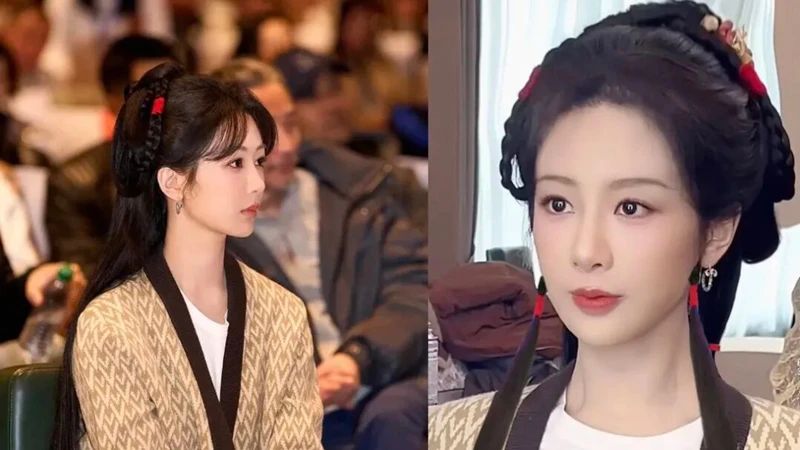
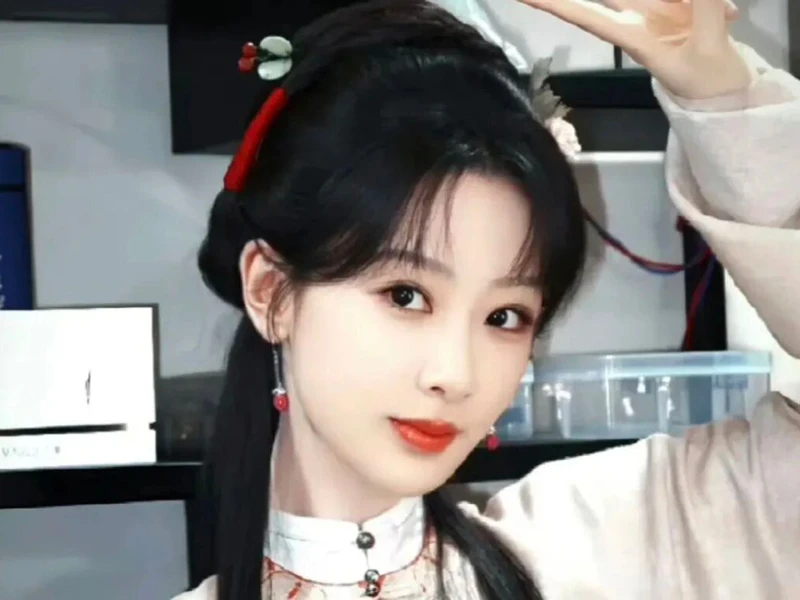
When actress Yang Zi (杨紫) appeared on screen with her hair tied with a simple red string, a wave of nostalgia washed over many viewers. That vibrant Hongtousheng (红头绳, red hair string) is more than a childhood memory or a festive accessory; it is a thread woven through centuries of Chinese social and aesthetic history. This humble object, often just a length of red yarn, connects the practical needs of daily life with deep-seated cultural wishes, evolving from a common hair fastener into a powerful symbol of tradition and belonging.
Practicality to Memory
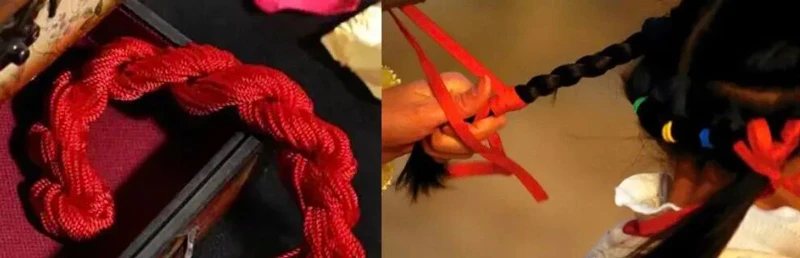
Long before elastic bands, securing hair was a daily concern. Traditional methods used hairpins, combs, and cloth bands. The use of red cloth strips for decoration was common, but the narrower, string-like Hongtousheng truly emerged in the late Ming and early Qing dynasties. This shift was linked to specific hairstyles like the Sanliutou (三绺头, three-section hairstyle), which required sections of hair to be bound separately. A thin, strong red string was perfect for neatly dividing and securing these sections at the crown.
The industrial revolution made machine-spun yarn cheap and widely available. Red wool or cotton string became an indispensable item in every household. It was durable, affordable, and added a cheerful splash of color. For women and girls, especially those who had cut their hair shorter influenced by modern trends, it was a practical tool for keeping hair tidy while working, transforming a necessity into a small act of everyday adornment.
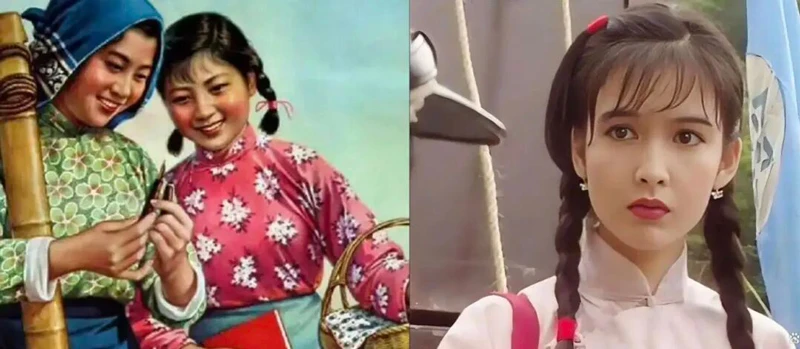
This practicality cemented its place in popular culture. Its most iconic promotion came through the modern opera and film The White-Haired Girl (白毛女). In the story, a father buys a red hair string for his daughter as a precious New Year’s gift, embedding the object with layers of emotional meaning—love, hope, and simple joy amidst hardship. This artistic portrayal forever linked the red string with familial affection and resonant childhood memories.
A Symbol Through Changing Times
The color red is never just a color in Chinese tradition. It symbolizes luck, celebration, and vitality. Using a red string to bind hair carried a silent blessing—a parent’s wish for their child’s safety, happiness, and prosperous future. In eras when ornate hair accessories were not accessible to all, a length of red yarn offered a way to incorporate this auspicious color into daily life, blending wishful thinking with utilitarian function.
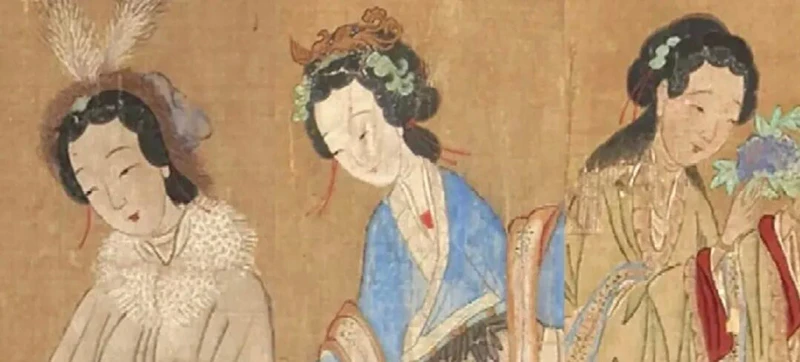
Historical evidence shows the creativity surrounding hair ribbons. In Song Dynasty tomb murals excavated in Henan, figures are depicted with ribbons tied in elaborate bows resembling modern butterfly knots. These were often positioned at the back or top of the hairstyle, adding a touch of dignified elegance. The red hair string can be seen as a simpler, more democratic descendant of these decorative traditions, adapting ornate ideas for everyday use.
The method of tying also held significance. The simple act of binding—Shu (束)—implies order, restraint, and care. Tying a child’s hair was, and is, a ritual of grooming and love. The red string made this daily ritual special, transforming a mundane task into a moment of connection and a visual expression of heartfelt hopes for the next generation.
Threads That Bind Generations
Today, the practical role of the red string has largely been replaced by mass-produced elastic bands and hair clips. Its everyday presence has faded, now mostly reserved for special occasions like Lunar New Year or as a stylistic choice for children’s hairstyles, consciously chosen to evoke tradition and bless the young wearer.
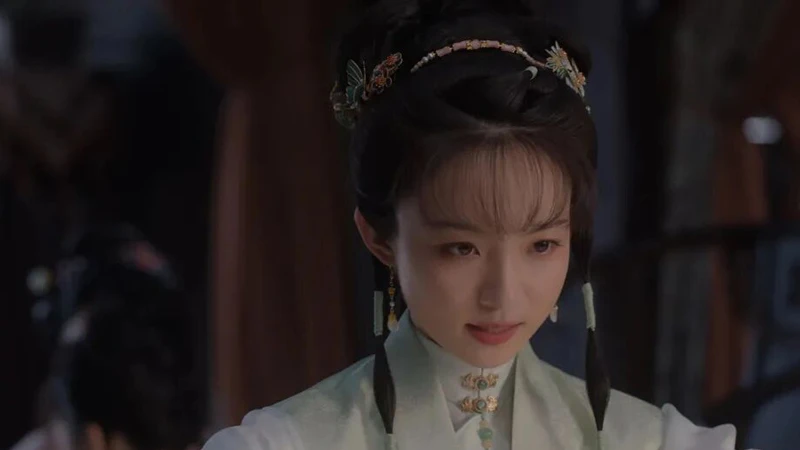
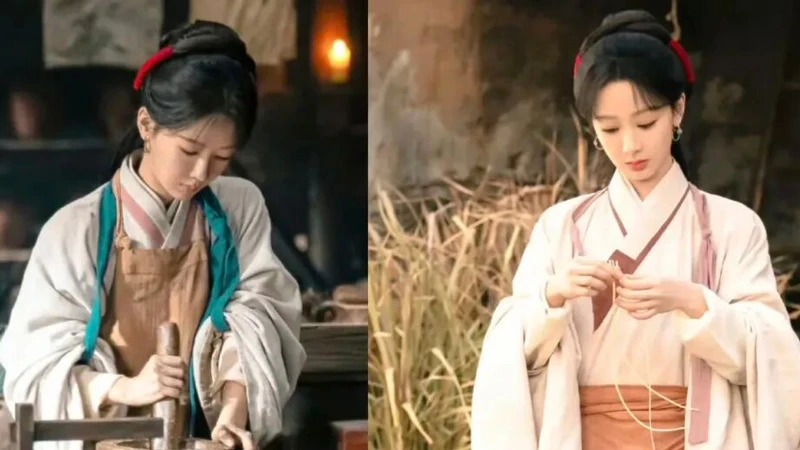
Its most prominent stage is now period films and television dramas. These productions meticulously research historical details, and the inclusion of Hongtousheng adds a layer of authenticity. In the series The Mo (家业), also known as The Tale of Zhenniang (祯娘传), Yang Zi’s character uses the red string, instantly creating a tangible link between the historical setting and the lived experience of the modern audience. It bridges the gap between the screen and personal memory.
That spark of recognition upon seeing the red string asks a quiet question about continuity. It invites us to look back at the hands that once tied our hair and forward to the traditions we choose to carry forward. The red hair string is no longer just a tool, but a cultural artifact—a simple, potent emblem of how beauty, utility, and blessing are tightly woven together in the fabric of everyday life. It challenges us to ask: will this thread of memory be passed on, or will it gently unravel with time?