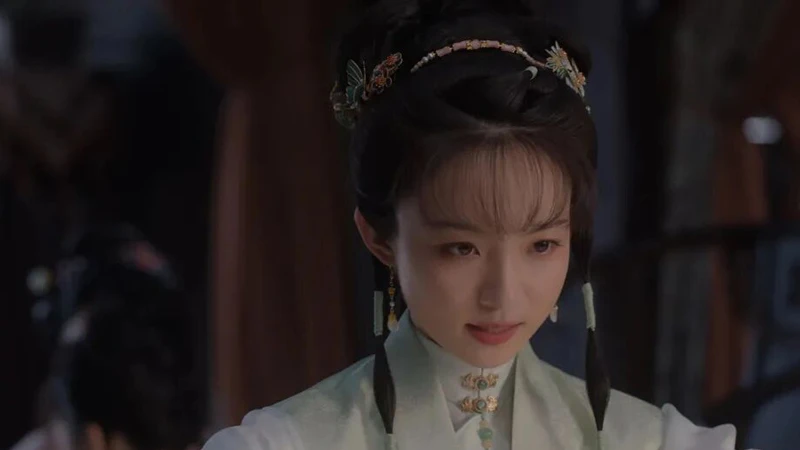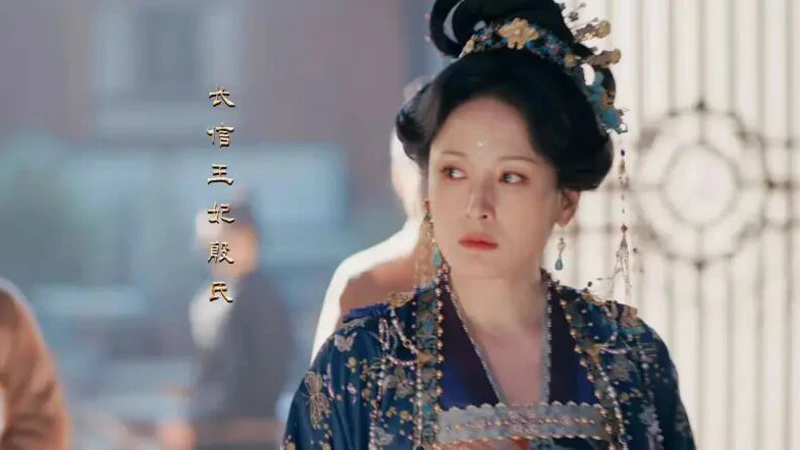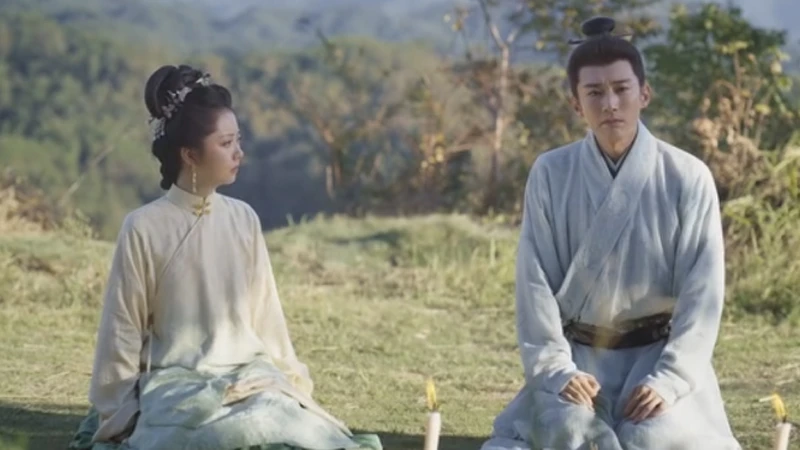
The period drama Glory (玉茗茶骨) presents a world where men scheme in inner chambers and women pursue political thrones. Its producer, Yu Zheng (于正), markets this as a true female-centric narrative. The concept is undoubtedly attention-grabbing, positioning itself as a bold departure from tradition. It flips the script of classic palace intrigues, placing female characters in conventionally male positions of overt ambition.
Yet, simply having men play at “harem struggles” while women seek a crown does not automatically forge a new path. The framework often feels familiar, merely swapping the genders within an old blueprint. The core mechanics of power—conspiracy, betrayal, rivalry—remain unchanged. This raises a question: is it female empowerment, or just the same play with a different cast? The drama’s real test is whether it can move beyond this initial inversion to imagine a fundamentally different structure of power and relationship.

When Men Wear the Palace Crown
A new television drama turns the traditional courtship narrative inside out. In Glory, the power to choose belongs entirely to women. The story unfolds within the wealthy and influential Rong Family, a matriarchal clan whose authority in the tea trade rivals that of regional lords. Here, men are the suitors, brought together not as pursuers but as candidates in a high-stakes competition for a single woman’s hand in marriage.
The Matriarchy’s Tea Empire
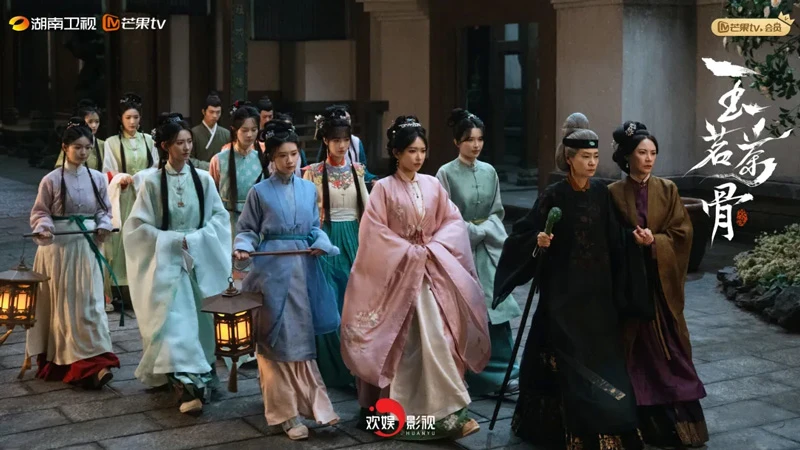
The Rong Family traces its lineage to a ancient matriarchal kingdom. Over centuries, it has built a commercial empire centered on tea. At its helm is the formidable Dowager Rong, with her granddaughter, Rong Shanbao (荣善宝), groomed as the future leader. Their wealth and clout are such that local officials tread carefully around them. This setting provides the foundation for a social experiment in reversed gender roles.
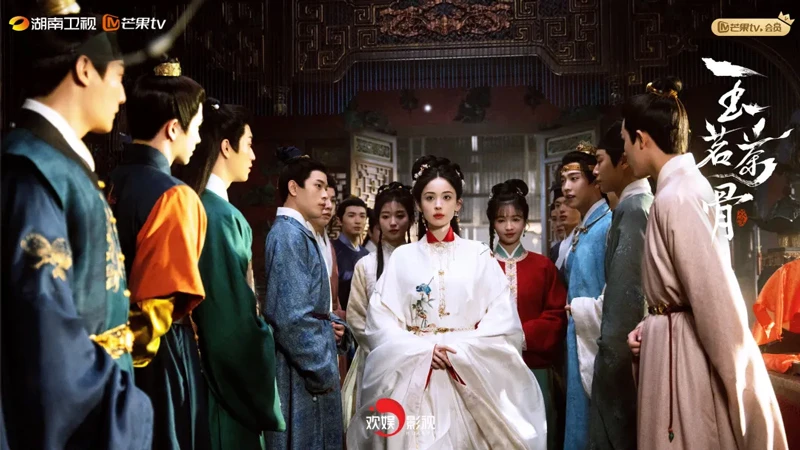
To secure a partner for Shanbao, the family summons promising young men from various backgrounds. They arrive at the Rong mansion, their carriages crowding the entrance in a scene reminiscent of imperial consort selections. Each carries hopes of aligning himself with the clan’s power and prestige through marriage.
The criteria for selection are multifaceted. Candidates must demonstrate skill in tea preparation, physical prowess, and intellectual acumen. More subtly, they are judged on appearance, demeanor, and their ability to navigate the complex social dynamics of the Rong household. The process is systematic, rigorous, and entirely controlled by the women of the family.
A Garden of Male Rivalry
Once inside, the men find themselves in a hothouse of competition. The atmosphere quickly turns tense. A shared glance from Shanbao sparks immediate jealousy; a kind word to one is perceived as a slight against another. Their interactions are fraught with petty rivalries and thinly veiled antagonism.
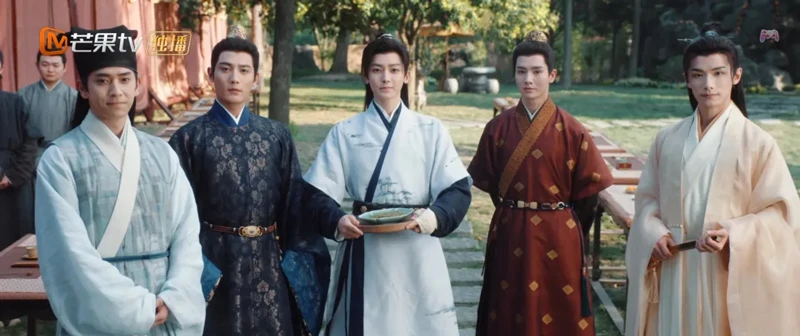
The competitors employ tactics familiar from countless stories of female rivalry. They scheme to undermine each other’s reputations, spread malicious rumors, and sabotage performances. Some attempt to win favor through extravagant gifts or overt displays of affection, while others resort to deceit and character assassination.
These conflicts are not resolved through masculine bravado or duels. Instead, the men bring their disputes before Shanbao, appealing to her judgment for resolution. She sits in a position of arbiter, her authority absolute. The dynamic reduces their conflicts to what is often dismissively termed “hair-pulling” drama, now performed by men.
The Gaze Reversed
A notable shift occurs in how the male body is presented. One suitor, Lu Jianglai (陆江来), is shown in a scene typically reserved for female characters: bathing in rose petals, later presented on a bed with damp hair. The camera lingers, adopting the perspective of the female gaze. He is rendered an object of aesthetic and sensual appreciation.
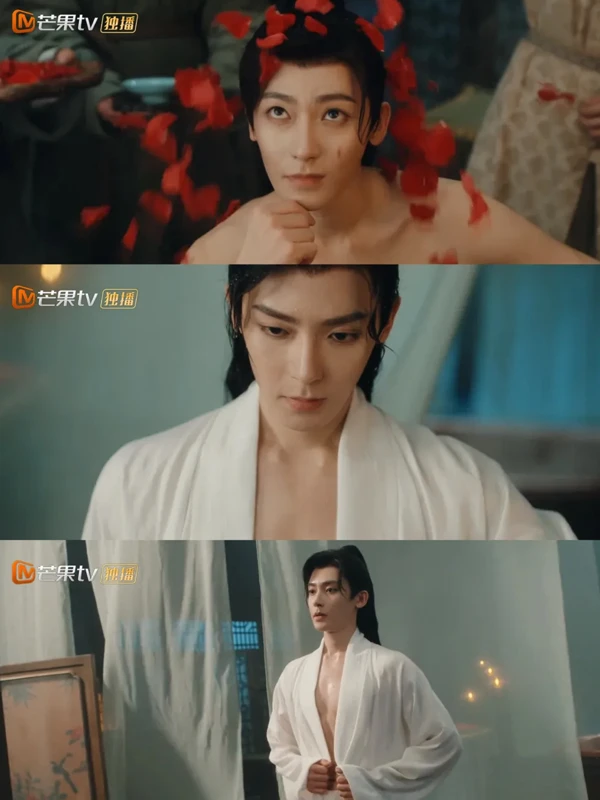
This visual treatment extends to other moments. Costuming emphasizes the men’s physicality and beauty. Their emotional vulnerabilities, anxieties, and desires are laid bare not as signs of heroic depth but as factors in their suitability as consorts. Their value is assessed through a lens traditionally applied to women.
The narrative focuses on their internal struggles within the competition. Their ambitions, fears, and strategies for survival and advancement become the central psychological drama. This focus invites the audience to empathize with their position as commodities in a social transaction, a perspective long assigned to female characters in historical dramas.
Beyond Simple Role-Reversal
Glory does more than swap gender roles. It holds a mirror to the narrative conventions of the palace intrigue genre. By placing men in these archetypal positions—the schemer, the innocent, the seducer—it exposes the inherent powerlessness and performativity of those roles. The drama feels both fresh and strangely familiar.
The story prompts questions about agency and choice. Are these men truly empowered in their pursuit, or are they merely playing a prescribed game for a chance at reflected power? Their “competition” often seems less about authentic connection and more about social climbing within a rigid system.
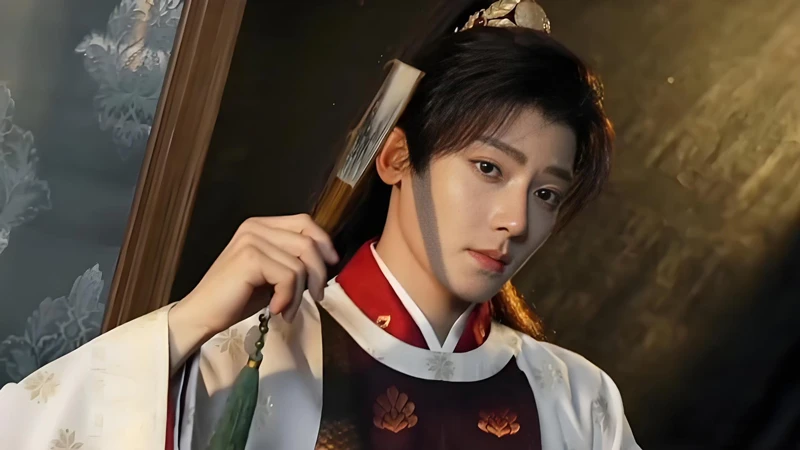
Ultimately, the drama uses its fantastical premise to critique real-world tropes. It asks the viewer to consider the absurdity and toxicity of such hyper-competitive courtship structures, regardless of which gender occupies which position. The power lies not with the individuals competing, but with the structure that demands they compete.
By making the subtext of traditional harem dramas into its main text, Glory creates a clever commentary. It allows audiences to experience the emotional weight of these narrative patterns from the opposite side, challenging ingrained viewing habits and sparking reflection on the stories we commonly accept.

Gender and Power in a Flipped World
The world of Glory presents viewers with a familiar story told through an unfamiliar lens. On its surface, the narrative follows the calculated entanglement of a cool, capable woman and a cunning, seemingly vulnerable man. Yet, beneath this setup lies a more intricate experiment: a speculative realm where social scripts have been forcibly reassigned. This is not merely a tale of romance but an observation of what happens when institutional power wears a different face, and whether the structures themselves change when the people within them do.
Switched Scripts
The central dynamic revolves around Rong Shanbao and Lu Jianglai. She is the poised, powerful heir to the Rong family tea empire. He, a county magistrate investigating her household, employs a ruse that backfires, leaving him with genuine amnesia and in the role of her personal servant. The expected power balance is immediately inverted. He exists at her mercy, dependent on her protection within the complex hierarchy of the Rong estate.
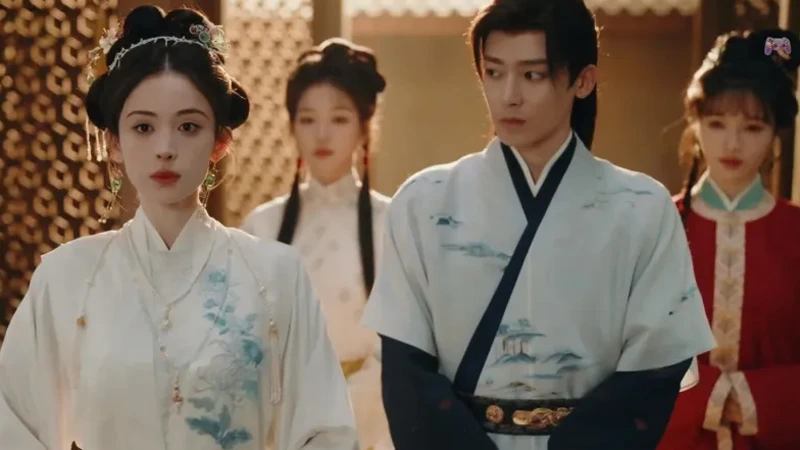
In this configuration, Lu Jianglai inhabits a classic narrative archetype—the Cinderella figure. Despite his lowly status, he displays defiance towards stewards and managers, his spirit unbroken by circumstance. When they engage in a pact of feigned romance, the currency of this transaction is Shanbao’s authority. She holds all the cards, wielding the influence that comes with being the designated successor.
Consequently, their romantic development mirrors the popular “domineering CEO” trope, but with a decisive twist. Shanbao’s appeal stems not only from traditional feminine traits but from her position as the undisputed authority figure. The allure is tied directly to her power, her ability to command and protect, traits historically glorified in male protagonists.
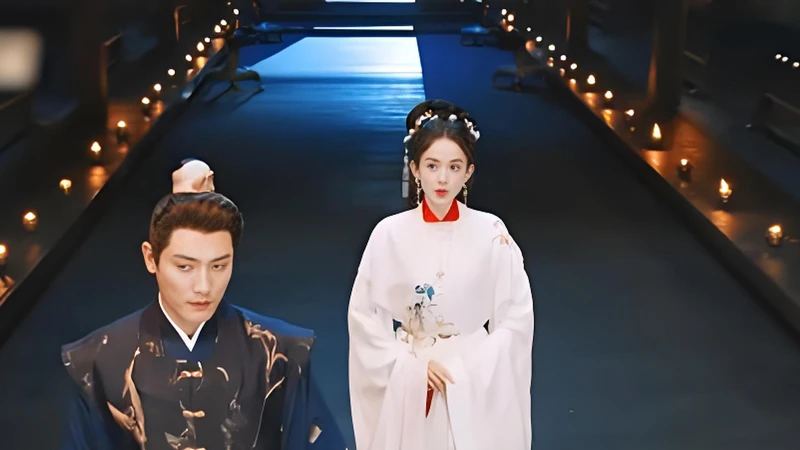
The Weight of the Crown
The show’s constructed matriarchy often manifests by granting women the privileges typically reserved for men in a patriarchal society. Rong Yunxi (荣筠溪), the second daughter, has a past romantic fling with a poor tea farmer, resulting in a child she has largely ignored. The father raises their daughter alone, running a small tea house, too hesitant to approach Yunxi when she visits. This mirrors the absentee father trope, now played by a mother.
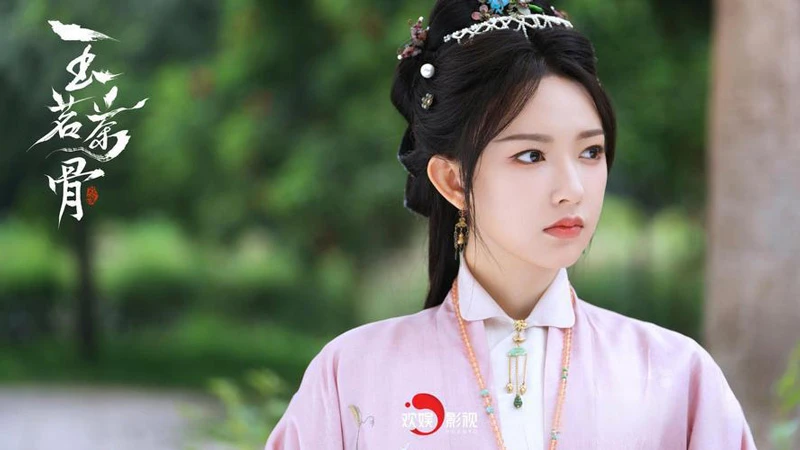
Further, the Rong family upholds a trial marriage tradition for its daughters. A prospective husband can cohabit with a daughter before formal ceremonies; if compatible, the marriage proceeds; if not, he is sent away with financial compensation. This practice replicates historical customs where men could dismiss concubines or wives. Here, women hold that discretionary power.
Within the microcosm of the Rong estate, becoming the “first sex” means women adopt behaviors and attitudes of the traditional patriarchal male. They inherit both the privileges and the burdens. As scholar R.W. Connell argued, hegemonic masculinity is itself a form of institutional exploitation of men. In this world, the figure embodying hegemonic power—Rong Shanbao—is similarly exploited and molded by the system she is destined to lead.
Systems Endure
Shanbao’s life is one of rigid discipline. From childhood, her path has been narrow: no missteps, no display of inadequacy, no excessive personal preferences. She lives like a saint, her identity subsumed by duty. When she develops genuine feelings for Lu Jianglai and resolves to choose him as her consort, her grandmother intervenes. Using her own bitter experience of betrayal, the matriarch extracts a poisonous oath, forcing Shanbao to prioritize family interest above all else, for life.
She is not alone in her suffering. The other Rong daughters are also casualties of this rigid role allocation. Rong Yunxi, deemed less capable, is used by the grandmother as a whetstone to sharpen Shanbao’s abilities. The third daughter, Rong Yun’e (荣筠娥), shows little aptitude for the tea business, and the fourth, Rong Yunyin (荣筠茵), is dismissed as reckless. Their worth is measured solely by utility to the family’s legacy.
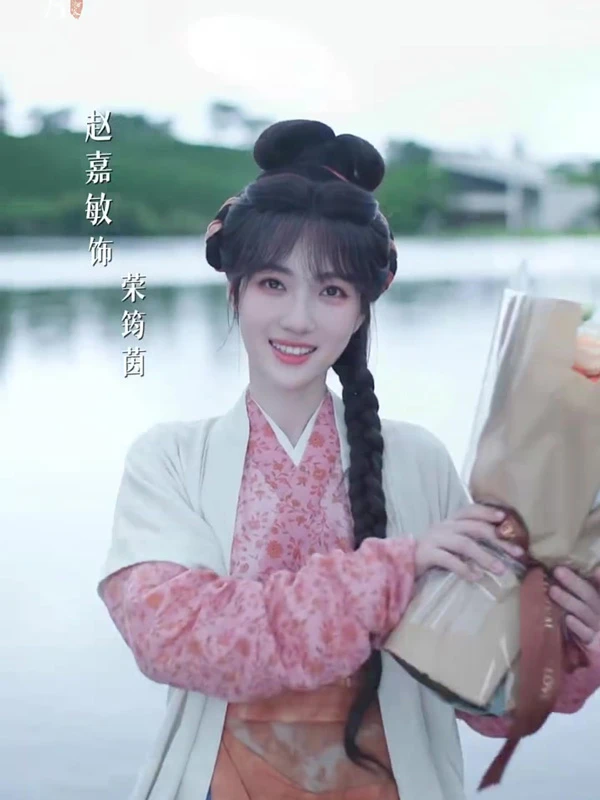
This reveals the show’s most pointed commentary. While it builds a “female-dominant” world, it primarily swaps gendered titles and superficial behaviors. The underlying architecture—the demand for absolute sacrifice, the instrumental view of individuals, the crushing weight of expectation—remains unaltered. The system persists, simply wearing a different mask.
The drama, therefore, moves beyond simple role-reversal fantasy. It poses a quiet question: does power truly transform when its holder changes, or do the corrosive demands of institutional authority simply find a new vessel? The gavel has changed hands, but the sound of its judgment echoes the same.
The Strange Rules of the Rong Family in Glory

Reimagining the Human in Narrative
The series Glory sparked conversation, less about its story and more about the template it presented. Its director once suggested that creators should fabricate new modes of living for others to emulate. This show offered a specific fantasy: inverting historical gender dynamics to let its audience experience a borrowed, predominant power. The sensation was clear, yet ultimately hollow. It provided a blueprint for a feeling, not a person. Audiences found nothing to replicate in their own lives because the foundation was not life at all, but a reactive daydream.
What appears as strength on screen often crumbles under scrutiny. A narrative centered on female power can still feel strangely vacant if its characters are merely vessels for dominance rather than individuals with depth. The discussion online crystallizes this gap. One resonant observation put it simply: to write from a genuine female perspective, one must first write a believable human. This shifts the entire creative challenge. It is not about amplifying authority or inverting hierarchies, but about restoring ordinary complexity.
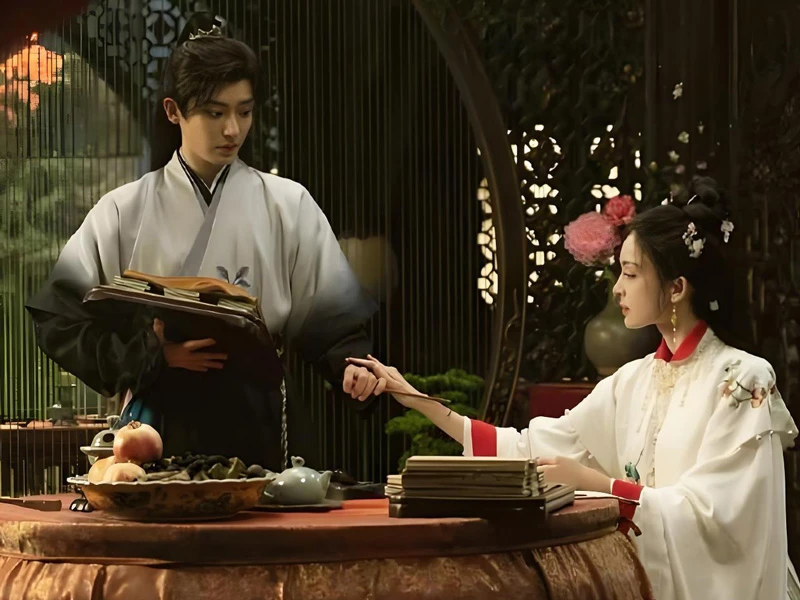
When Shao Yihui (邵艺辉) speaks of new lives to imitate, the true innovation may lie in the ordinary. The most radical act in storytelling today might be to present a woman whose conflicts, triumphs, and failures are not symbolic of her gender first, but of her specific personhood. Her decisions drive the plot not because she is fighting a systemic foe in every frame, but because she is navigating a world with personal desires, logical contradictions, and moral ambiguity. She can be vulnerable, strategic, uncertain, or resolute—not as a statement, but as a function of her circumstances.
Global audiences increasingly recognize the difference between a “strong female character” and a strongly-written character who is female. The former can be a monolithic icon; the latter is someone we might know, or even recognize in ourselves. This pursuit moves beyond simple role reversal. It asks for worlds that feel inhabited, where power dynamics exist but do not solely define every interaction. It requires the quiet moments, the illogical choices, the mundane details that build authenticity.
The future of such narratives does not hinge on constructing new realms of female supremacy, but on a more demanding task: committing to honest portrayal. It means dismantling the expectation that a woman’s story must always be about overcoming gendered oppression, and allowing it to be about her navigating life, with all its universal and particular trials. The power for the viewer then emerges not from a fantasy of control, but from the resonance of seeing a full human experience reflected back. That is the kind of new life worth imitating—one built not on inverted tropes, but on the solid, complicated ground of reality.