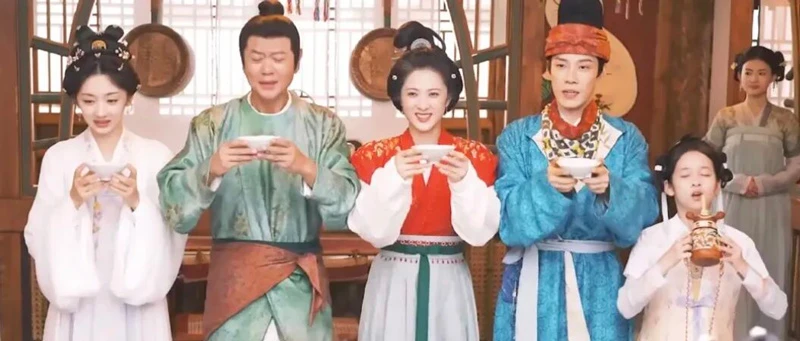
The messages we exchange as a new year dawns today are warm and direct. But centuries ago in China, New Year’s greetings were crafted with a subtle, poetic artistry. They conveyed hopes, affection, and well-wishes not through straightforward statements, but through elegant allusions and imagery drawn from nature and the seasons. This tradition reveals a uniquely Chinese form of lyrical expression, where the act of blessing someone became an art form in itself.
The Poetry of Time
Instead of modern phrases, scholars of old used classical references to mark the year’s turn. A common opening for a seasonal letter was “the year is in Guichou (癸丑), at the end of spring.” This practice, seen in masterpieces like Wang Xizhi’s (王羲之) Preface to the Poems Composed at the Orchid Pavilion (兰亭集序), framed time within a lyrical context. Another phrase, “Sui Yu Yun Mu, Xin Yuan Zhao Qi (岁在癸丑,暮春之初)” poetically captures the moment as “the year draws to its close, a new beginning dawns.” These were not mere dates; they were acknowledgments of time’s graceful, inevitable passage.
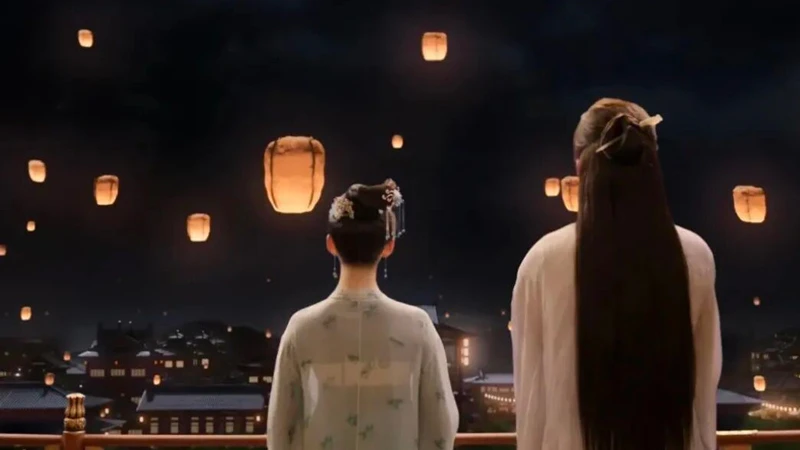
The great Song dynasty statesman and poet Wang Anshi never explicitly said “happy new year” in his famous verse. Yet, his lines about firecrackers banishing the old year and the spring breeze warming the Tusu (屠苏) wine paint a complete sensory picture of renewal and familial joy. The blessings were embedded within the scene, making them felt rather than stated. This indirect, evocative method was considered far more resonant and cultured than plain speech.
This linguistic elegance extended to personal correspondence. A letter might begin: “As the year ends and the winter plum blossoms, I think of you from afar, hoping you are well.” It first establishes a shared, tangible moment in nature—the blooming plum in the cold—before expressing personal sentiment. The wish that followed, such as “May your new year be filled with joy, enduring peace, and freedom from sorrow,” carried profound weight through its simple, sincere phrasing.
Seasons and Symbols
Nature provided the essential vocabulary for these greetings. The “Four Gentlemen“—the plum blossom, orchid, bamboo, and chrysanthemum—were frequently invoked for their symbolic virtues. The plum blossom, braving the snow to bloom, heralded the new year’s resilient spirit. A greeting might read: “As the hardy plum blooms in the snow, the new year arrives on its fragrance. May you be as resilient as the plum and as radiant as the coming spring.”
Bamboo and pine, evergreen through winter, symbolized steadfastness and longevity. “May your years be evergreen like the pine and bamboo, and all your affairs proceed smoothly,” was a common wish. These were not mere decorations; they were visual metaphors that transformed a written note into a vivid, thoughtful tableau. The recipient was not just wished well but was implicitly aligned with the admired qualities of these natural elements.
Seasonal awareness was paramount. A greeting would often encompass the entire year: “May you find grace in spring, solace in summer, harmony in autumn, and tranquility in winter.” This demonstrated a holistic care for the recipient’s wellbeing across all of time’s cycles. Even practical concerns were woven in poetically: “As the year ends and skies grow cold, please add layers for warmth; as the new year approaches, I pray for your perpetual calm.” The act of reminding someone to dress warmly became a gentle, literary gesture.
A Lasting Legacy
The true romance of these ancient greetings lay not in ornate language, but in their deep reverence for life’s rhythms and genuine care for human connection. They served as both a reflection on the year passed and a hopeful gaze toward the future. The core emotions—the desire for peace, health, and shared joy—transcend the centuries, remaining instantly recognizable to us today.
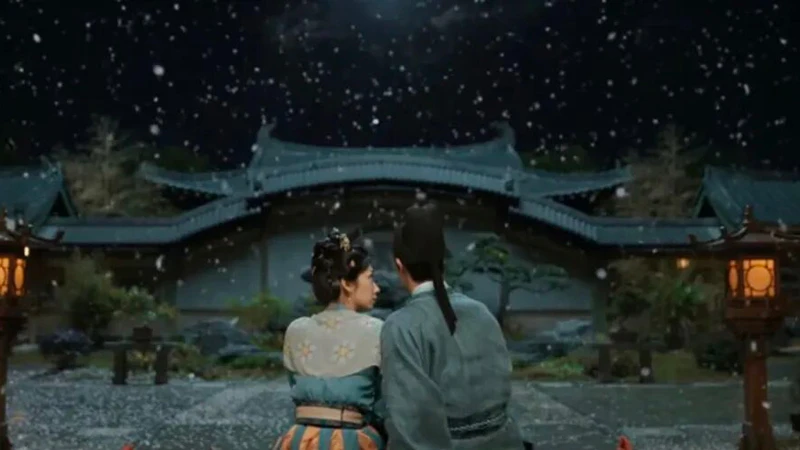
Modern celebrations have streamlined our expressions, yet the appeal of this classical approach endures. Contemporary adaptations sometimes blend the old and new: “As the new year unveils itself and the land is renewed, may we journey together toward a flourishing age, not wasting our splendid youth.” This carries the same aspirational energy and shared purpose found in ancient texts.
Reading these historical blessings today, we connect with a warmth that has spanned a thousand years. Whether it is the simple wish for “enduring peace in the new year” or the ambitious call to “journey toward a flourishing age,” the underlying heartbeat is the same. Perhaps in our own New Year’s messages, we can reclaim a spark of this intentional, poetic spirit. It reminds us that blessings, at their best, are not just transmitted but lovingly crafted, turning goodwill into a timeless gift.




❤️
❤️