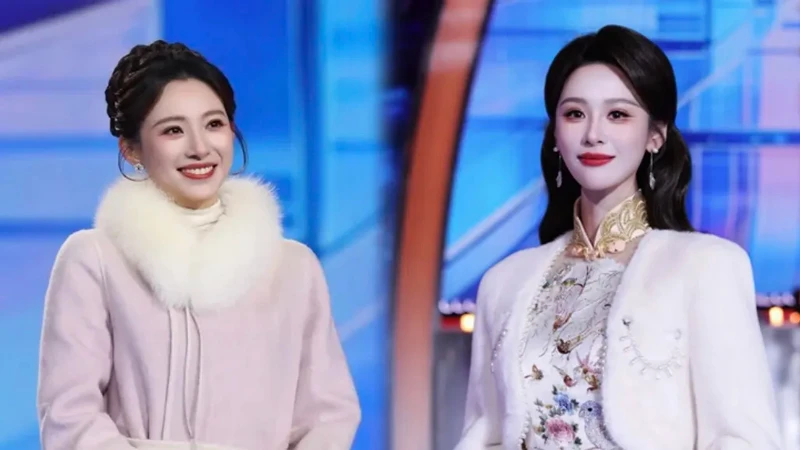
A recent wave of discussion swept across Chinese social media following the announcement of hosts for a major state television gala. The conversation wasn’t about their professional credentials, but their faces. Many netizens expressed a longing for the “faces of national peace and prosperity,” a term coined for veteran hosts like Dong Qing (董卿). Their absence, critics argue, has left a void on the nation’s most prestigious stages. This phenomenon points to a deeper, nationwide conversation about shifting beauty standards and a perceived loss of a distinctive Chinese aesthetic in the public eye.
The Classical Blueprint
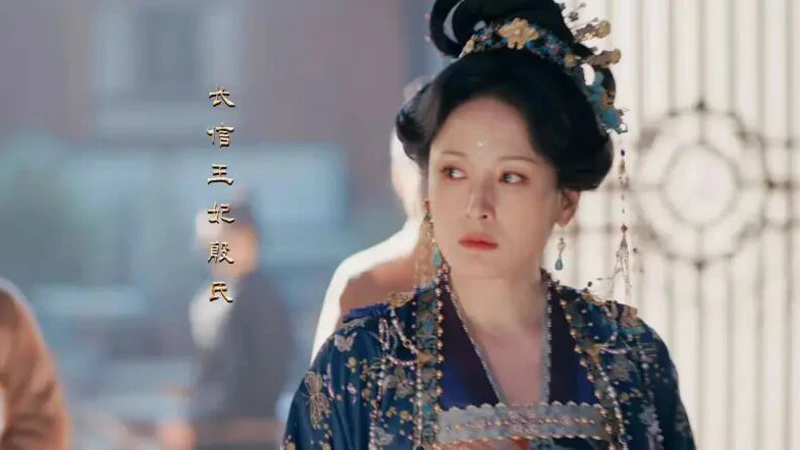
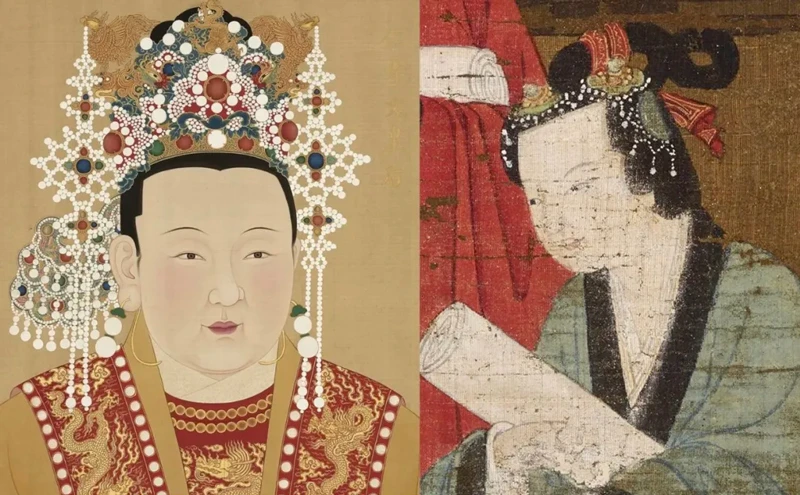
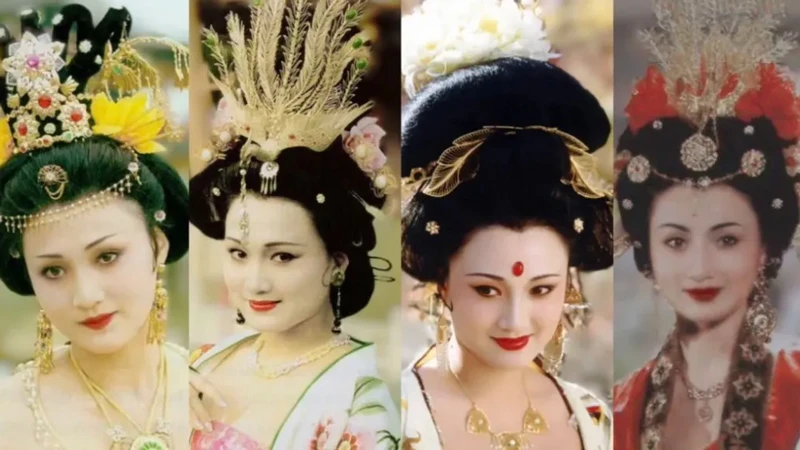
Traditional Chinese aesthetics prized harmony and implied meaning. In portraiture and classical art, the ideal was not sharp definition but artistic “liubai (留白)” or intentional blank space. This principle applied to facial features as well. The admired “Fang E Guang Yi” (方额广颐)—a broad forehead and full, rounded jawline—offered a canvas of balanced proportions. It was a face with room to breathe, considered a sign of health, stability, and fortune.
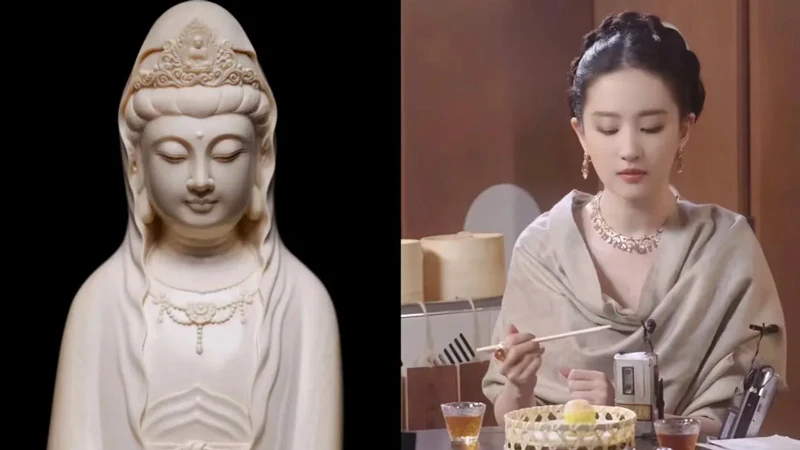
This aesthetic is vividly preserved in artifacts like the Dunhuang (敦煌) frescoes. The female figures depicted there embody a diverse yet coherent ideal: rounded faces, gentle eyes, and natural proportions. Their beauty lies in composure and substance rather than dramatic contour. Similarly, the confident hosts of past decades often shared this foundational structure—a face that conveyed gravity, warmth, and trustworthiness without needing to conform to a hyper-sculpted mold.
The classical approach extended to grooming. Hairstyles typically revealed the forehead, honoring its place in the facial composition. Makeup, even historically dramatic styles like the Tang dynasty’s “San Bai Zhuang” (三白妆), aimed to highlight natural features rather than reconstruct them. The overall effect was one of dignified individuality, where the person, not the makeup, remained the focus.
The Modern Shift
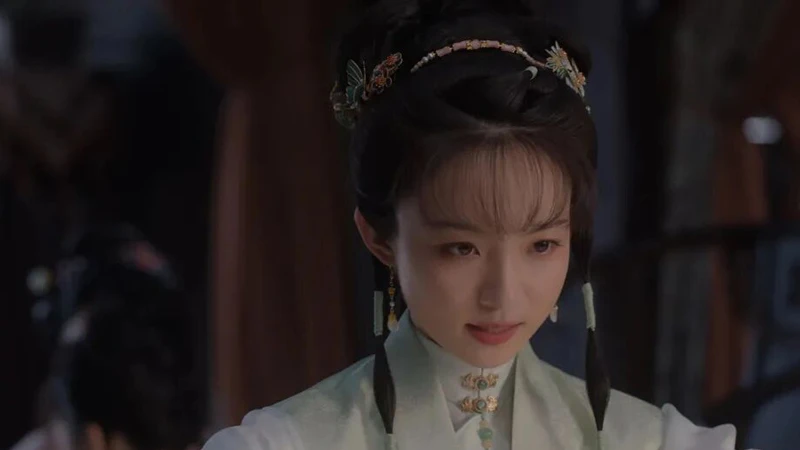
Today’s prevailing beauty standards tell a different story. Influenced by globalized trends and social media filters, the ideal has narrowed dramatically. The coveted face is now defined by a V-shaped jaw, large widened eyes, a high nose bridge, and an overall sense of delicate, almost fragile, precision. This “cookie-cutter” look dominates entertainment and is increasingly visible on official platforms.
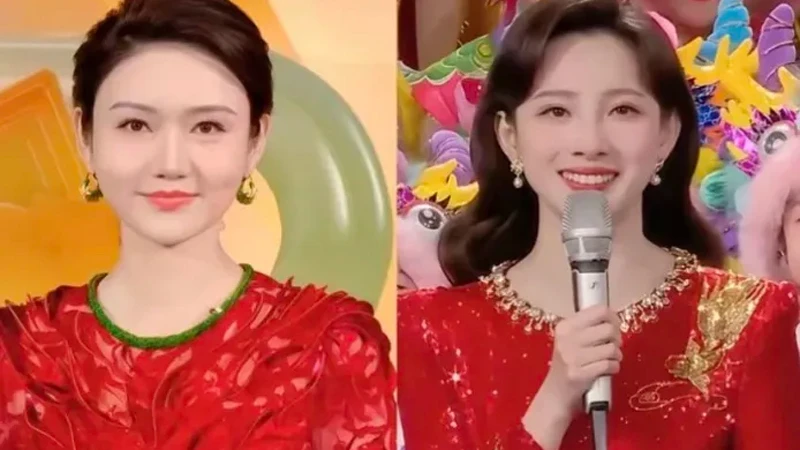
Modern makeup techniques often prioritize heavy “contouring” to artificially create shadows and highlights that mimic this narrow ideal. When combined with similar facial structures achieved through styling or other means, the result can be a loss of distinctiveness. On a grand stage like the Spring Festival Gala, where hosts represent a collective national moment, this homogenization can feel incongruous. The “youth” they embody sometimes lacks the perceived gravitas required for the occasion.
This shift is more than skin deep. It reflects broader cultural anxieties. The pursuit of an extreme, often Western-influenced, standard has led to what many describe as a crisis of confidence. The classical “liubai” is filled in with bangs; strong jawlines are softened. In seeking a universal, trendy prettiness, some fear a unique cultural signature is being erased, replaced by a beauty that feels placeless and transient.
A Question of Identity
The debate over television hosts’ faces is, ultimately, a proxy for a larger discussion about cultural identity. As China’s global role expands, there is a growing introspection about what defines its contemporary cultural expression. The nostalgia for the “Guo Tai Min An Lian” (国泰民安脸) is not merely about features; it’s a yearning for a aesthetic that communicates stability, authenticity, and cultural continuity.
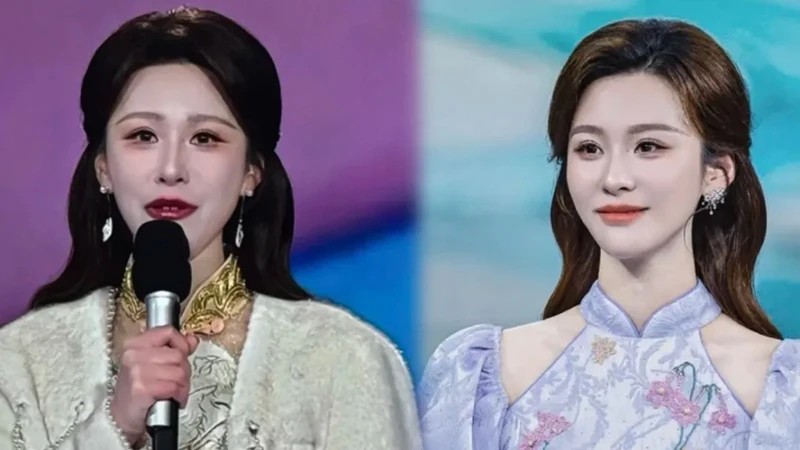
Audiences today are increasingly vocal in their desire for diversity. They call for public figures who project strength and individuality, not just a uniform adherence to a passing trend. The criticism is not of youth or beauty itself, but of a singular standard that equates “being appealing” with “being identical.” True elegance, they argue, should have room for the rounded cheek, the intelligent gaze, and the composed presence that once defined the national broadcast.
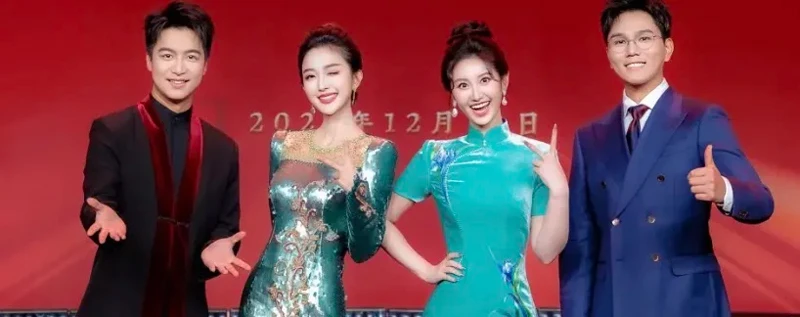
In the future, the challenge for media gatekeepers is significant. It involves balancing innovation with heritage, and welcoming new faces while valuing the aesthetic principles that resonate deeply with the public. The goal is not to revert to the past, but to foster a future where China’s stages proudly present a beauty that is confident, diverse, and unmistakably its own. The next time a new host steps into the spotlight, perhaps the measure of success will be not just how they look, but how much of a collective self they reflect.