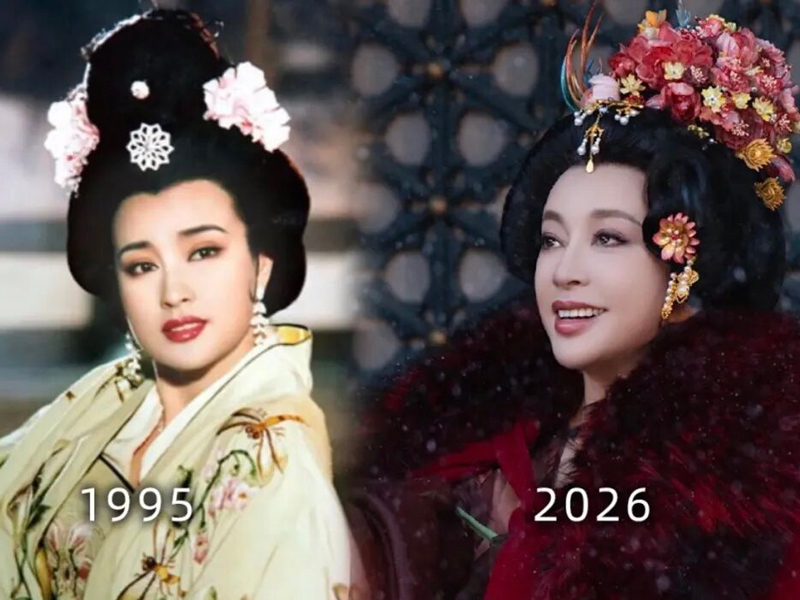
The recent release of promotional stills for a new production featuring Liu Xiaoqing (刘晓庆) once again portraying Empress Wu Zetian (武则天) has ignited a firestorm of online discussion. The core of the debate isn't the plot, but the actress herself. At 75, Liu is set to depict the legendary monarch's journey from youth to old age, a feat she first accomplished over thirty years ago in the 1995 television series Empress Wu Zetian.
Back then, in her early forties, her transformation was hailed as remarkable. Today, the new images have left the digital world stunned, with a prevailing sentiment: "How can a 75-year-old look like she's 40?" This phenomenon pushes past mere celebrity gossip, inviting a deeper look into historical aesthetics, the science of aging, and the enduring power of a perfectly cast role.
Defying Time
Liu Xiaoqing's seemingly age-defying appearance is the most immediate point of fascination. The public's amazement speaks to a broader cultural obsession with youth, yet her case suggests something beyond modern cosmetics or procedures. Her ability to convincingly return to this role decades later hinges on a more permanent foundation: her bone structure. This isn't merely about good genes; it's about possessing a facial architecture that history itself suggests is iconic for the character she portrays.
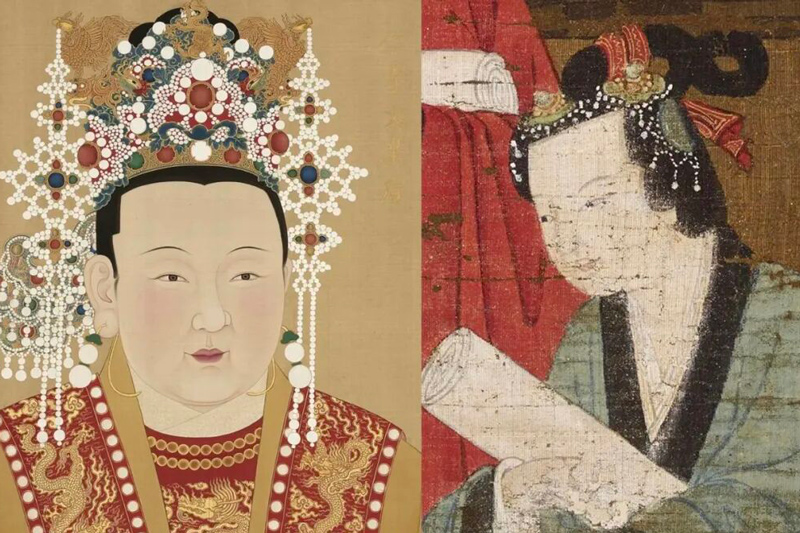
Historical records describe Wu Zetian with specific features: "dragon eyes, phoenix neck, a broad forehead and wide cheeks". This particular combination, often referred to as a square-round face shape in modern terms, is characterized by a prominent, high forehead and strong, angular jawline balanced with fuller cheeks. It is a visage associated with authority, intelligence, and a commanding presence. Liu Xiaoqing's natural features align closely with this ancient description, providing an innate credibility that transcends her chronological age.
The longevity of this face shape's appeal may be partly anatomical. A well-defined jaw and cheekbones create a sturdy scaffolding for facial tissue. As skin naturally loses elasticity with age, this underlying support can slow the visible descent of soft tissue, mitigating the deep lines and sagging that often define an aged appearance. This structural advantage might explain why Liu, with this specific bone structure, can project a vitality that belies her years, making the audience's suspension of disbelief for a younger Wu Zetian not just possible, but plausible.
The Face of History
Why does this specific "square-round" face hold such cultural weight for this character? The answer lies in its symbolism and historical context. In the aesthetics of ancient China, particularly during the Tang Dynasty which Wu Zetian ruled, fullness and breadth in the face were signs of nobility, fortune, and power. A narrow, delicate face was not the ideal for a sovereign; an emperor or empress needed a countenance that conveyed stability, wisdom, and unshakeable will.
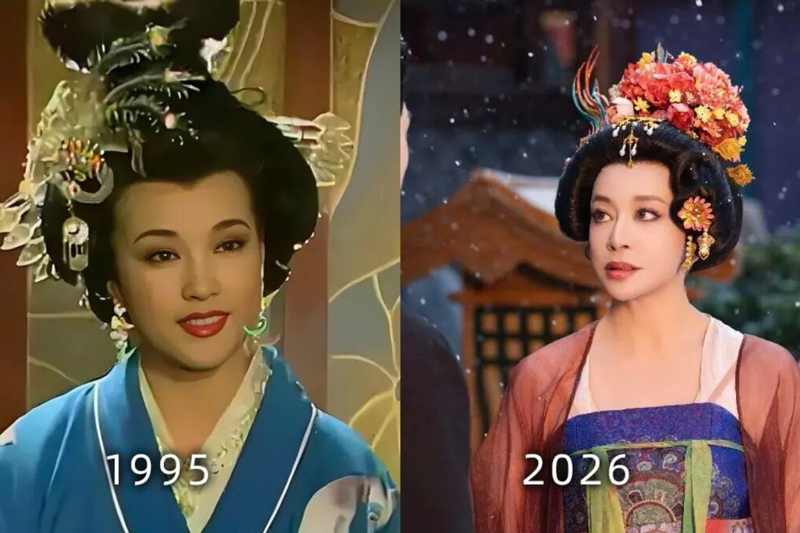
This connection is made explicit in historical texts. The New Book of Tang (新唐书) notes that Wu Zetian saw her own likeness in her daughter, Princess Taiping (太平公主), precisely because the princess shared this "broad forehead and wide cheeks" and a talent for political strategy. The face was seen as an external marker of certain inner qualities—ambition, capability, and strategic mind. Therefore, casting an actress for Wu Zetian isn't just about finding someone who can act imperiously; it is about finding a face that visually communicates centuries of cultural understanding about what power looks like.
For audiences, especially Chinese viewers familiar with these historical and cultural cues, Liu Xiaoqing's face is Wu Zetian's face. It fits the archetype. This deep-seated recognition creates a powerful shortcut, allowing viewers to accept her portrayal across different ages. The familiarity of her features, aligned with the historical ideal, overrides the numerical age, creating a convincing continuity of character that feels intrinsically "right."
Artistry of Illusion
While bone structure provides the canvas, the art of historical drama makeup and hairstyling completes the masterpiece. The new stills and the iconic 1995 series both employ sophisticated techniques to enhance and refine the actress's natural advantages. One key element is the strategic creation of a "face-framing" hairstyle, known historically as Baomian (抱面).
This Tang Dynasty style involved using wigs or padding to build volume at the temples and crown, creating a silhouette where the hair appears to elegantly encase the face. This technique artfully manipulates proportions. By widening the upper perimeter of the hairstyle, it can make the jawline appear more balanced and graceful, subtly correcting any perceived heaviness in the lower face. It also draws the viewer's eye upward, emphasizing the eyes and the "broad forehead" so prized in historical descriptions.
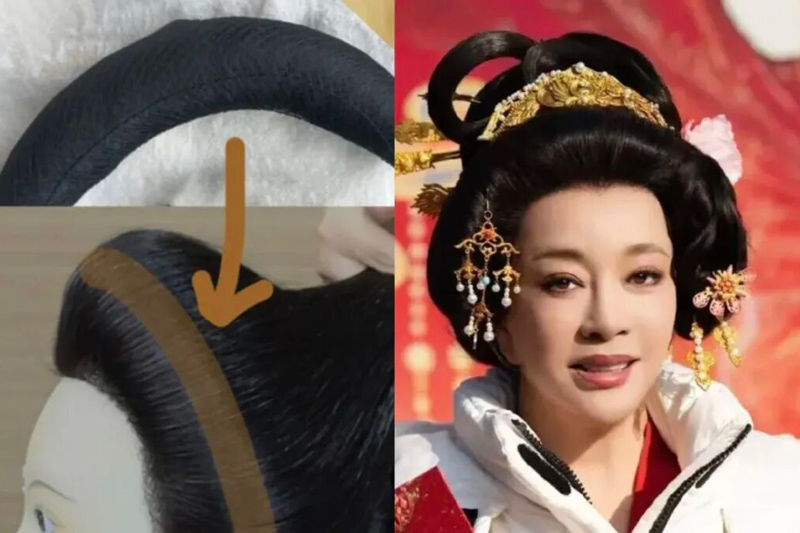
The Baomian style served as a foundation for extravagant adornment. Elaborate hairpins, jewels, and most notably, Huadian (花钿), the delicate forehead ornaments, were added to signify status and beauty. The combination of this structurally clever hairstyle with meticulous period makeup does more than recreate a look—it constructs an aura.
It frames the face as a center of power and attention, transforming an actress into an empress. For Liu Xiaoqing, these techniques work in concert with her innate features, allowing makeup artists to highlight her strengths and navigate the challenges of portraying decades within a single performance.
The debate surrounding Liu Xiaoqing's latest role is about more than one actress's age. It is a conversation about the intersection of history, beauty standards, and performance. Can a 75-year-old capture the vibrancy of a young ruler? The answer may not lie in a number, but in a unique alchemy of resembling a historical ideal, benefiting from a resilient bone structure, and being enhanced by the transformative magic of historical costume and artistry. The audience's surprised reaction is the greatest testament to this alchemy's success.