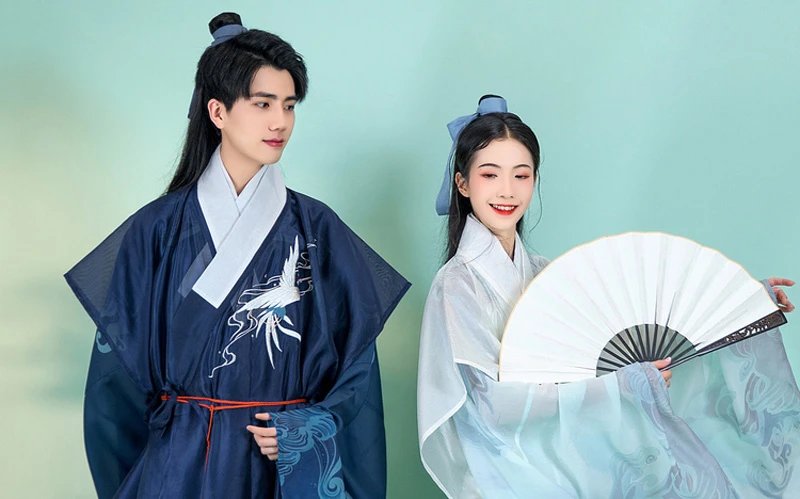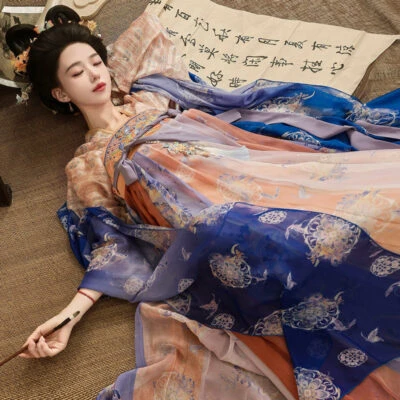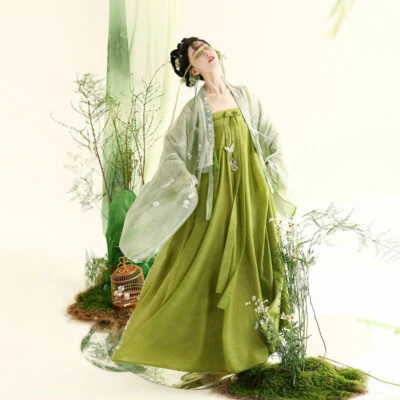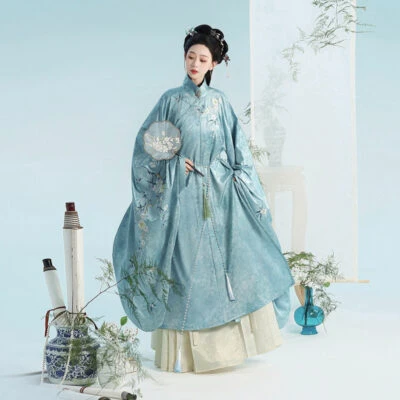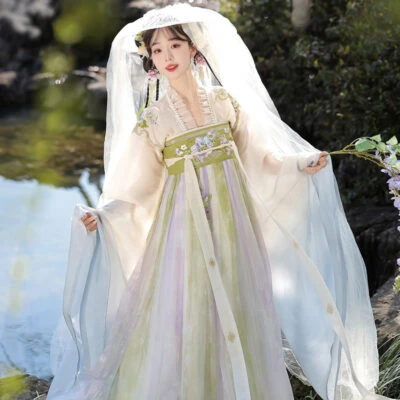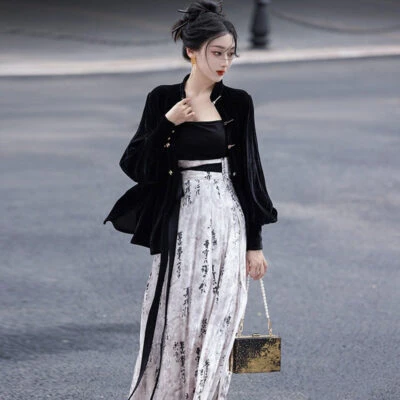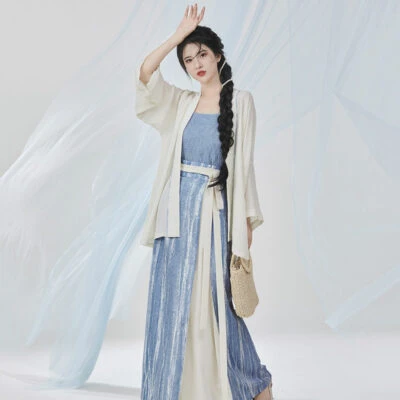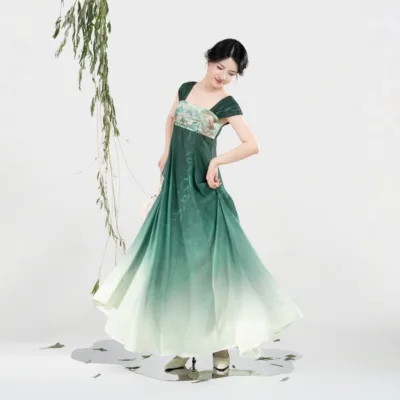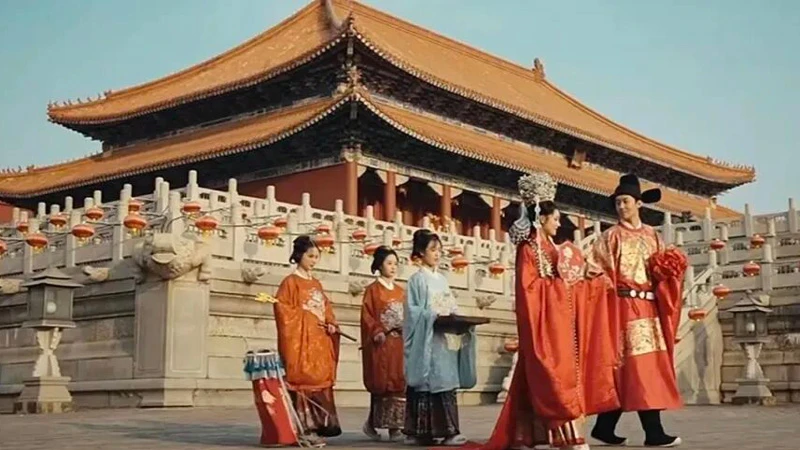
When a television program can make historical clothing feel as immediate as today’s fashion headlines, something special is happening. A recent broadcast by China Central Television (CCTV) has captivated audiences not with futuristic designs, but with a deep, respectful look into the past. The focus was the intricate beauty and profound symbolism of Hanfu, the traditional attire of the Han Chinese. By examining specific garments, particularly from the Ming Dynasty, the program connected threads of fabric to threads of cultural memory, prompting viewers to see ancient robes as more than museum relics. They are presented as active testaments to a worldview, where aesthetics and social order were seamlessly woven together.
More Than Fabric: The Language of Ceremonial Dress
The CCTV program, titled Etiquette China (礼仪中国), serves as a guide to this philosophy. It operates on a powerful premise: to understand a civilization’s ideals, study the clothes it wore for its most important moments. The series approaches Hanfu not merely as costume, but as a visual language of Li (礼), a concept encompassing ritual, propriety, and the very framework of traditional social harmony. The most formal garments, known as ceremonial dress, carried the heaviest symbolic weight.
These robes were canvases for the cosmos. Embroidered or woven motifs of suns, moons, stars, mountains, and dragons were not arbitrary decorations. They represented a fundamental order, a microcosm of the universe and a tangible connection to ancestral wisdom. Wearing such patterns was an act of reverence, aligning the wearer with natural and spiritual forces. The program meticulously decoded these elements, such as the twelve imperial symbols, explaining how each pattern held specific meaning related to virtues like wisdom, justice, and filial piety.
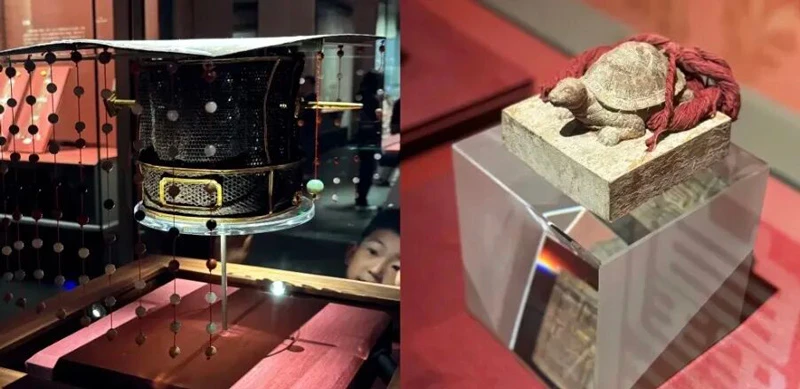
This detailed analysis moves beyond superficial appreciation. It shows how every color, stitch, and fold was intentional. The deep blues and blacks of court robes symbolized the heavens and the north, while the cut and drape of a garment communicated social status and occasion with silent clarity. In doing so, Etiquette China argues that traditional attire was a vital component of cultural identity, a daily performed art that reinforced shared values and a distinct aesthetic sensibility.
A Prince’s Robe and Its Stories
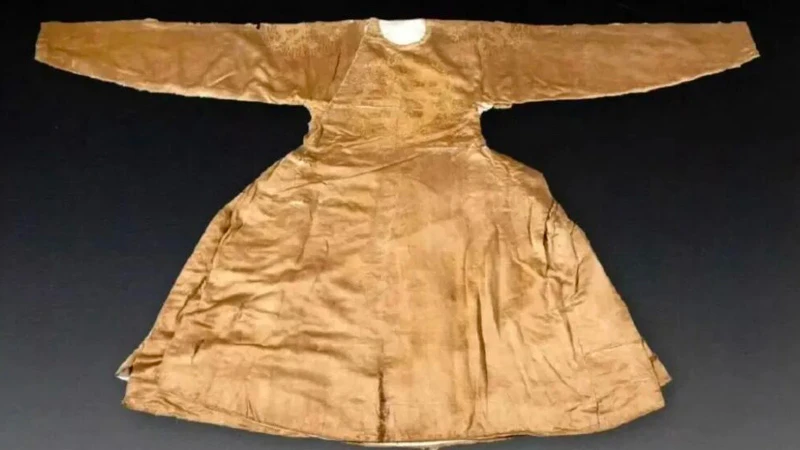
A centerpiece of the episode was the detailed reconstruction of a dragon robe associated with Zhu Tan (朱檀), the Prince of Lu. This artifact, dating to the early Ming Dynasty, provides a concrete case study. The robe is a round-collared dragon robe, a style reserved for emperors and imperial princes. Its reconstruction from faded remnants was a feat of historical detective work, relying on textile records and scholarly analysis to approximate its original vibrant vermillion hue and intricate gold-woven dragons.
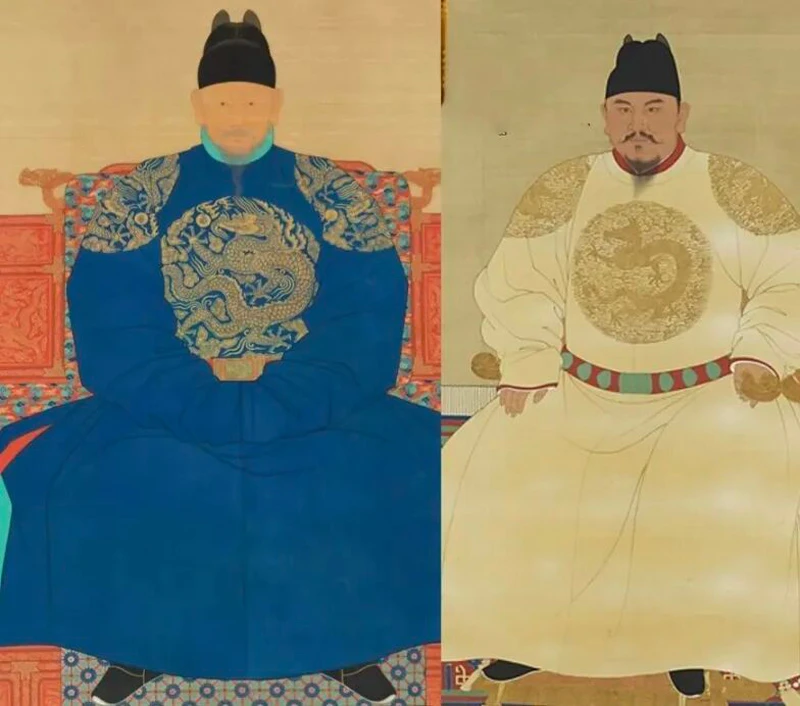
The robe itself is a historical hybrid, embodying the Ming ethos of synthesizing past traditions. As the program notes, early Ming rulers explicitly sought to “inherit from the Zhou and Han, and adopt from the Tang and Song” dynasties, consciously reviving pre-Mongol imperial styles. Yet, the garment also retains influences from the preceding Yuan Dynasty, particularly in its cut. The dragons are prominently woven across the chest, back, and shoulders, their presence commanding yet integrated into the overall design.
The texture and effect of the fabric speak to a refined, understated luxury. From a distance, the robe might appear as a solid, slightly lustrous color. Up close, the dense, exquisite weaving becomes apparent. The patterns shift subtly with movement and light, possessing a warm, jade-like quality that valued subtlety and restraint over ostentation. This reflects a cultural preference for depth and implied meaning, qualities embodied in the material object.
The story of its owner adds a human, and cautionary, dimension. Zhu Tan, dubbed history’s “most absurd Ming prince,” was infamous for his obsession with Daoist immortality and elixirs, which led to his early death. His posthumous title “Huang” (荒), meaning “wasteful” or “absurd,” was a deliberate admonition from the founding emperor. This irony is palpable: a garment representing supreme worldly power and order was owned by a man whose life became a tale of excess and disorder. While experts have noted the television reconstruction’s proportions may not be perfectly accurate compared to the original artifact, its presentation successfully ignited public fascination with the tangible details of Ming regalia.
The Modern Thread
Programs like Etiquette China arrive at a potent moment. For over two decades, a grassroots revival of interest in Hanfu has been growing, primarily among young people. This television segment elevates that conversation, lending it scholarly weight and mainstream visibility. By starting with tangible artifacts like the Prince of Lu’s robes, it builds a credible bridge to the past. The program systematically unveils the different categories of Ming attire—from court and sacrificial robes to festive clothing—painting a complete picture of a society dressed by ritual.
The most compelling effect is one of reclamation. There is a powerful sentiment in “re-dressing” in these historic styles, not for theatrical performance, but as an act of reconnecting with an aesthetic and philosophical heritage. It taps into a desire to visualize and physically engage with history beyond textbooks. The meticulous details of a sleeve or the symbolism of a belt become accessible points of entry into a broader cultural narrative.
Ultimately, the exploration presented by CCTV is about continuity. It suggests that the “cultural genes” encoded in these garments—the respect for nature, the value of harmony, the appreciation for layered meaning—remain relevant. In examining the stitches of a Ming dragon robe, modern audiences are not just learning about old clothes. They are invited to consider how a society expresses its highest ideals through the art it wears, and what threads of that tradition might still be woven into the fabric of contemporary identity.