Turn on any streaming platform, and you’ll be greeted by a wave of period dramas with lavish costumes and sprawling palaces. Yet, a closer look reveals a curious trend: fewer of these stories are set in a documented historical dynasty. Instead, they inhabit vague, fictionalized worlds—often labeled as Jiakong Ju (架空剧), or "alt-history" dramas. This shift from specific reigns like the Tang or Ming to nebulous "ancient times" is more than a creative whim; it's a complex response to modern storytelling constraints, audience appetites, and the daunting task of world-building itself.
Escape from Historical Scrutiny
One primary driver is the intense scrutiny facing dramas based on real history. When a show claims to depict the life of a known emperor or a famous general, it opens itself to relentless examination from scholars and passionate fans. Historical records, however limited, set boundaries. A character's personality, key decisions, and even their fate are often matters of public record. Deviating from these established facts for dramatic effect can lead to accusations of distortion, sparking online controversy and potentially affecting a show's reception.
For creators, this can feel less like writing and more like navigating a minefield. The story of Wu Zetian (武则天), for instance, has been told countless times. Inventing a new romantic subplot or altering a political alliance for a fresh take risks backlash from viewers who cherish the historical narrative. Using a fictional framework liberates writers. They can craft ambitious plots, political intrigues, and character arcs without the constant fear of contradicting a specific textbook entry or popular historical consensus.
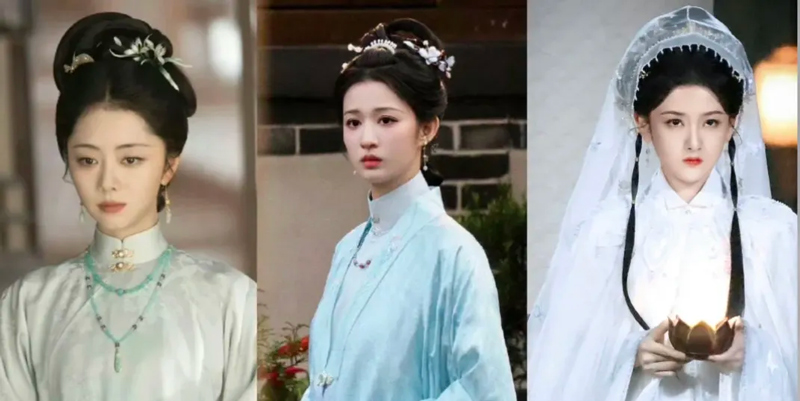
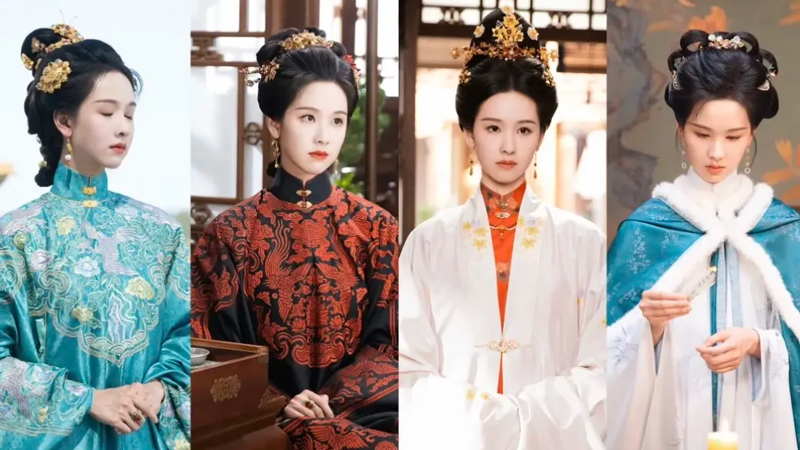
This fictional backdrop, however, is rarely a true "lawless land." Most so-called Jiakong dramas still anchor themselves to a generalized historical aesthetic, commonly referred to by fans as "fictional Tang" or "fictional Ming." This provides a recognizable cultural and visual template—the clothing, architecture, and social customs loosely mirror a beloved dynasty—while freeing the plot and characters from the strictures of factual accuracy.
The Rise of the Adapted Web Novel
The source material for television has fundamentally changed. Earlier decades relied on adaptations of classic literature or scripts written by dedicated screenwriters. Today, a vast majority of period dramas originate from popular online novels. These web novels, serialized on platforms like Jinjiang Literature City (晋江文学城), thrive in fantastical, unrestrained settings where authors blend martial arts, romance, and political schemes without being tied to a concrete dynasty.
This presents a unique challenge for production teams. A novel might describe a fusion of clothing styles from five different centuries or a governance system that never existed. Adapting such a story for the screen requires immense effort to ground it in a coherent visual and historical logic. Costume designers and art directors must often work backwards, taking the novel's descriptions and reconciling them with tangible references from museum pieces and historical texts to create a world that feels authentic, even if it isn't real.
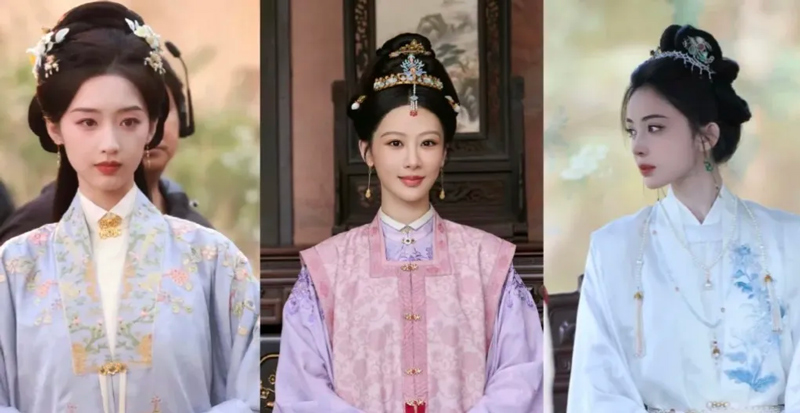
The process can be so extensive that it nearly equals rewriting the story from scratch. The goal is to build a setting that is internally consistent and visually splendid, providing a believable stage for the characters' journeys, even if that stage is not found on any historical map.
The Challenge of Building a World
Constructing a wholly original, detailed fictional universe is a monumental task. Western fantasy series benefit from multi-season plans to gradually unveil their worlds' lore, geography, and power structures. The current model for most domestic dramas, however, is self-contained, often wrapping up a story in one 40- to 60-episode run. Investing years in designing a unique world with its own rules, mythology, and aesthetic is a risky and costly endeavor for a potentially one-time product.
This is why pure Xianxia or fantasy dramas, while popular, still heavily borrow from established Chinese mythological structures, Daoist (道教) and Buddhist philosophies, and traditional clan systems. They build upon a shared cultural understanding rather than inventing everything anew. Using a dynastic framework as a starting point is, in many ways, a practical shortcut. It provides an immediate set of assumptions about society, hierarchy, and material culture that audiences understand, allowing writers to focus on plot and character.
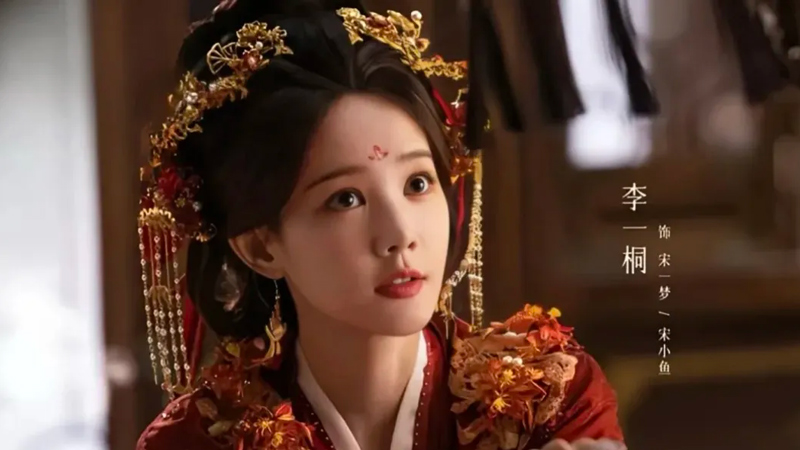
Perhaps the greatest testament to this principle is the classic The Dream of Red Mansions (红楼梦). The novel itself is a work of fiction set in a non-specific era, yet its most acclaimed adaptations meticulously anchor its aesthetic in the late Ming and early Qing dynasties. The costumes, manners, and settings are researched with precision, proving that a fictional story demands respect for cultural authenticity. The setting may be invented, but the culture it draws from is real. In the end, the rise of the Jiakong drama is not an abandonment of history, but a new way of engaging with it—using its textures, its conflicts, and its beauty as a foundation for infinite new stories.