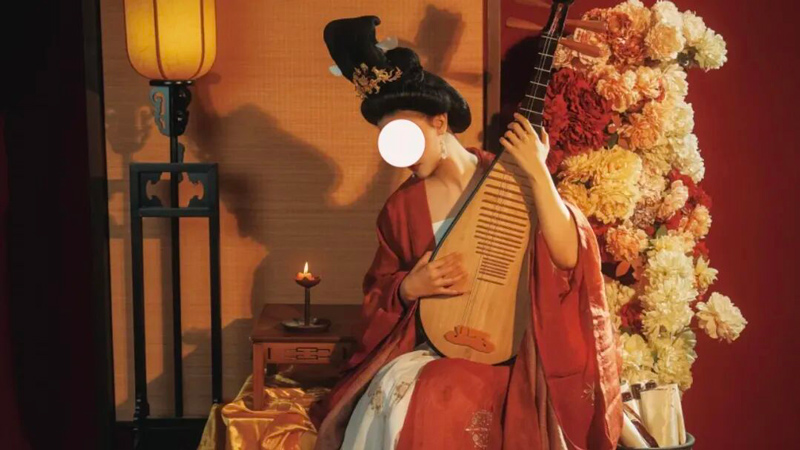
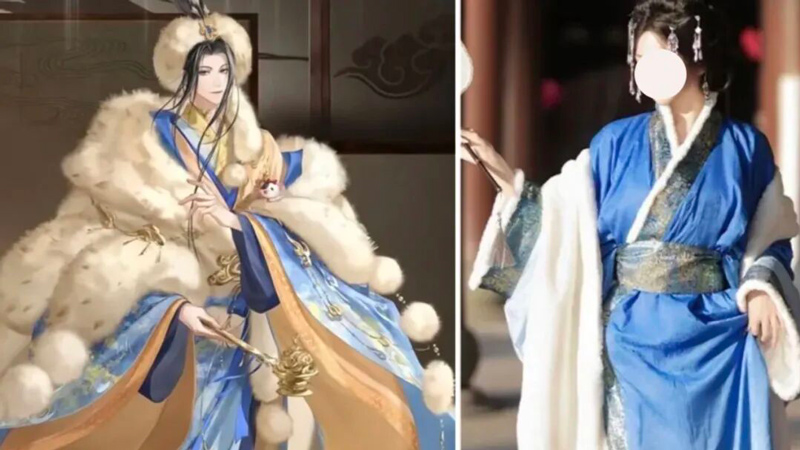
Scroll through any social media platform today, and you will find videos of people dressed in elegant, flowing Hanfu. Yet, the comments underneath often spark a familiar debate: "Isn't this just cosplay now?" The line between wearing traditional attire and performing a character seems increasingly blurred.
From majestic portrayals of Yang Yuhuan (杨玉环) to scholarly impressions of Li Qingzhao (李清照), enthusiasts are using Hanfu to step into the shoes of historical figures. This trend raises questions. Is it a genuine form of cultural appreciation, or merely a pursuit of online popularity? To understand this modern phenomenon, we might look to an unexpected patron from history who mastered the art of symbolic dress-up long before it was a trend.
The Emperor's Disguise
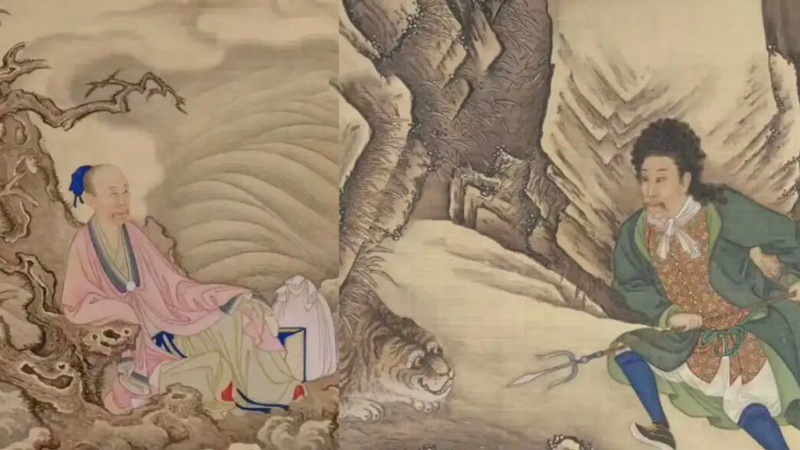
The idea of adopting another's attire for portrayal is not new. Consider the Qianlong Emperor (乾隆) of the Qing Dynasty. Official portraits show a ruler in majestic regalia, but his private "Hanfu Portrait for Pleasure" paintings reveal a different side. Here, he is depicted not as a Manchu emperor, but as a Han Chinese scholar. He wore loose Daoist robes, posed with antiquities, and embodied the idealized literati. He even dressed in Western clothing for some portraits. His motivations were complex, blending personal interest with political messaging to unify a diverse empire.
While his "cosplay" served statecraft, it shared a core principle with today's enthusiasts: using clothing to transcend one's immediate identity and connect with a broader cultural narrative. The garment becomes a portal.
This historical precedent shows that the impulse to "wear another's skin" through clothing is deeply rooted. For Qianlong, it was about cultural integration and displaying dominion over all aspects of his realm. For the modern wearer, the frame is different, but the foundational act of selective embodiment remains. It demonstrates that clothing, especially ritualized or historical dress, is rarely just about fabric. It is a language. The question for contemporary practice is what story that language is telling—and who is listening.
Modern Portrayals, Sincere Hearts
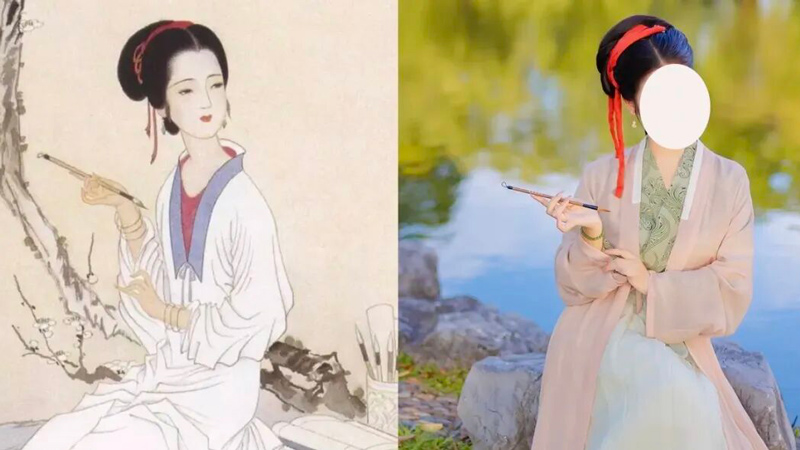
Today's historical cosplay within the Hanfu community often springs from a place of deep affection. Take someone inspired by the poet Li Qingzhao. A devotee might meticulously research Song Dynasty fashion, selecting a simple, elegant Beizi (褙子) jacket and an understated hairstyle. The goal isn't theatricality but embodiment. She might sit quietly in a courtyard with a book, seeking to channel the poet's famed grace and introspection. This act is a personal homage, a way to make a distant historical beauty tangible.
This sincere approach mirrors the work of cultural heritage bloggers who spend hours hand-stitching embroidery or crafting hairpins to achieve historical accuracy. Their labor is an act of love and respect. To dismiss all character portrayal as mere attention-seeking misses this profound personal connection. It is, for many, an immersive form of study and appreciation. They are not just playing a role; they are engaging in a tactile, visual dialogue with history, using themselves as the medium to interpret and share what they admire.
However, this focus on personification carries a risk. The conversation can easily shift from the clothing's cultural significance to the wearer's appearance. Comments fill with "Do they look the part?" or "How beautiful!" while the details of the garment itself go unremarked. What is the cut of this robe? What dynasty does this sleeve style represent? What do these motifs symbolize? When the performance overshadows the artifact, an opportunity for education is lost. Furthermore, some, chasing viral trends, might prioritize visual impact over accuracy, creating misleading hybrids that distort historical fashion norms.
Blending Show with Substance
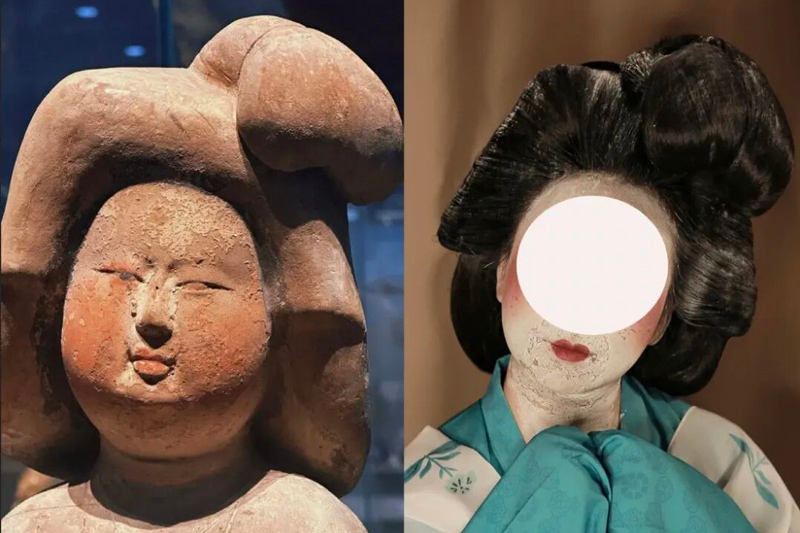
The solution lies not in abandoning portrayal, but in enriching it. The two pursuits—celebrating historical figures and promoting Hanfu culture—can be powerful allies. When portraying Yang Yuhuan, one can explain the history of the Hezi (诃子) undergarment or the Shanqun (衫裙) style she might have worn. A post about a Li Qingzhao photoset can include notes on Song tailoring techniques. A simple caption identifying a garment's period and characteristics transforms a beautiful image into a learning moment.
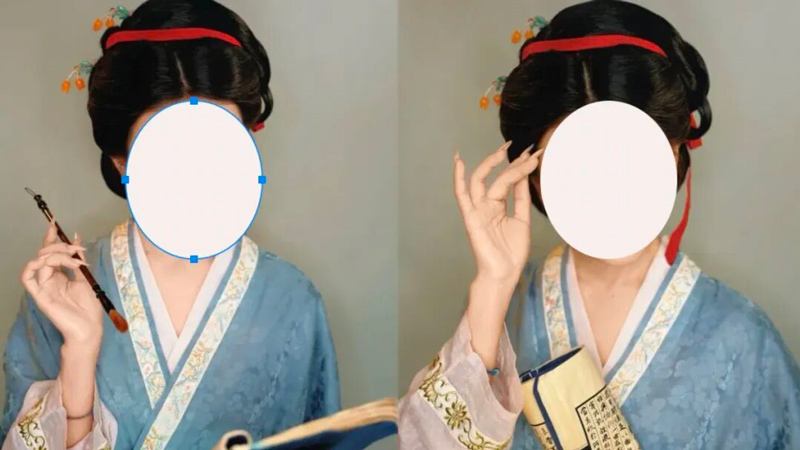
This balanced approach serves a dual purpose. It satisfies the creator's desire to connect with a historical icon and provides viewers with accessible cultural context. It turns the "cosplay" into a gateway. The allure of the character draws people in, and the accompanying information gives them a deeper reason to stay and learn. In this way, personal passion becomes a public service, moving the needle from pure spectacle toward meaningful engagement.
Ultimately, Hanfu and cosplay are not opposing forces. Hanfu is a traditional cultural vessel, rich with history and ethnic identity. Cosplay, in its broadest sense, is a method of expression and a testament to admiration. The fusion of the two is inevitable in a digital, visually-driven age. The core issue isn't the act of portrayal itself, but the intention and care behind it. With respect for history and a commitment to sharing knowledge, even the most dramatic portrayal can become a valid and effective thread in the larger tapestry of cultural promotion. The shared goal, after all, is to foster genuine understanding and appreciation. Whether through quiet study or styled performance, every act that makes this tradition feel alive and relevant is a step in the right direction.