
The chill that precedes dawn hangs heavy over the ancient streets. In the world of Sword of Coming 2 (剑来2), a single truth, buried for a hundred years, can be more lethal than any flying blade. The latest glimpse into the saga’s second season pivots away from sheer combat to the profound shockwaves of revealed history.
A vengeful spirit, Madam Chu (楚夫人), has haunted the narrative with her potent mix of grief and fury, her power a direct manifestation of a betrayal she believes consumed her life and love. Her confrontation with the young journey-man Chen Ping’an (陈平安) reaches a fever pitch, only to be interrupted not by a stronger sword, but by the arrival of messengers carrying words that could dismantle her very existence.
Truth as a Weapon
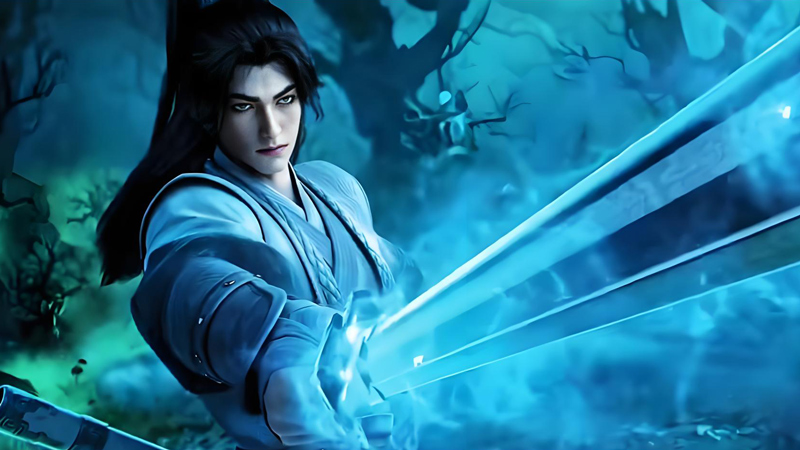
Chen Ping’an, pushed to his limit, prepares to unleash his most precious treasures: two slivers of sword energy meant to save his life. Against the terrifying might of Madam Chu, it seems a necessary sacrifice. Yet, his assessment of the threat is rooted in fear for his young companions. The preview suggests a fascinating imbalance—these legendary energies, said to vanquish all below the Fourteenth Realm, might have been catastrophic overkill. Given Chen Ping’an’s current physical state, he couldn’t harness their full power, but even a fraction could have radically altered the confrontation.
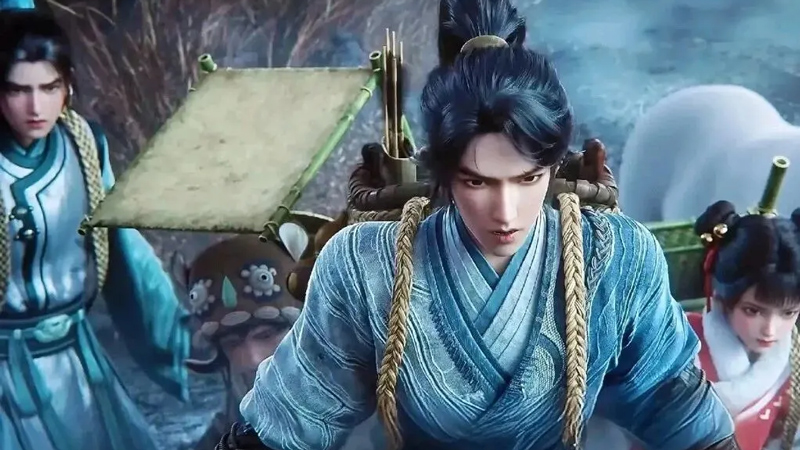
Their use is preempted by an elegant, devastating intervention. A sword immortal in white descends, and with two casual strokes, strips away Madam Chu’s imposing aura. This display of supreme skill underscores a recurring theme: in this universe, raw power is often secondary to refined mastery and profound knowledge. The true resolution, however, does not come from a sharper blade, but from a voice from the past.
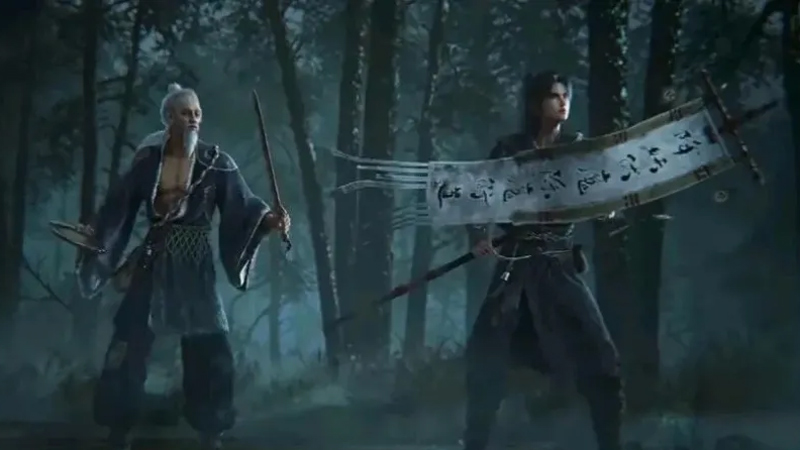
The scene is secured by the timely arrival of Xu Ruo (许弱), a guardian of the Great Li Empire and a master of the Mohist arts. His strength, demonstrated by effortlessly blocking another powerful fighter’s strike with just a scabbard, temporarily freezes the conflict. He brings with him the key to unraveling everything: a dignified figure known as Lord Han. This man carries not a weapon, but a story—the real story.
A Story Recast
Lord Han’s role is the season’s most significant departure from the source material. In the original novels, the facts of the past were relayed by a distant mountain and water deity. By placing the revelation in the mouth of Lord Han, a tangible human official present at the scene, the adaptation makes the truth immediate and personal. The narrative shift ignites a compelling question: is this simply a pragmatic change, or is Lord Han himself the reincarnation of the scholar Madam Chu has longed for and cursed for a century?
The implications are emotionally seismic. Imagine her century of wandering, her building resentment, her transformation into a fearsome ghost, all based on a falsehood. Now, the truth arrives not from an anonymous spiritual entity, but from the calm, possibly familiar eyes of the man delivering it. The dramatic irony is potent. Has she been tormenting the world, and herself, while the object of her search stood elsewhere, living a new life? This adaptation choice heightens the tragedy and the potential for a heartbreaking catharsis.
For Madam Chu, this is an existential crisis. Her entire identity as a vengeful spirit is built upon the foundation of betrayal. If the scholar never abandoned her, but was instead framed and murdered by corrupt officials, then her hatred has been tragically misplaced. Her formidable ghostly power, fed by this misdirected obsession, now trembles without its core justification. The preview leaves her reaction a terrifying mystery. Will this truth finally allow her tortured soul to find release and dissipate? Or, in a twist of cruel fate, could the realization that her love was stolen, not given away, forge an even darker, more destructive rage?
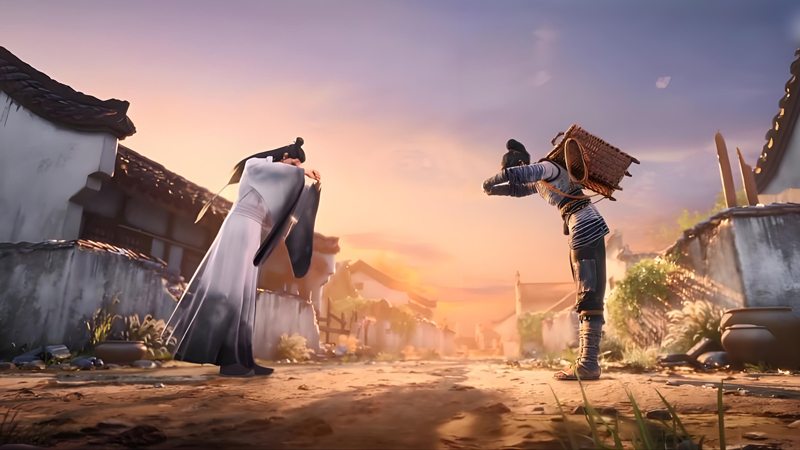
The coming episode promises not just a resolution to a battle, but a judgment on the nature of grief and justice. Is Madam Chu a victim deserving of peace, or a perpetrator who inflicted suffering on the innocent and must be held accountable? The story challenges us to sit with this ambiguity. Sometimes, the most powerful sword is a long-forgotten truth, and the most difficult fight is the one for a soul’s redemption after it has been lost in darkness for a hundred years.
