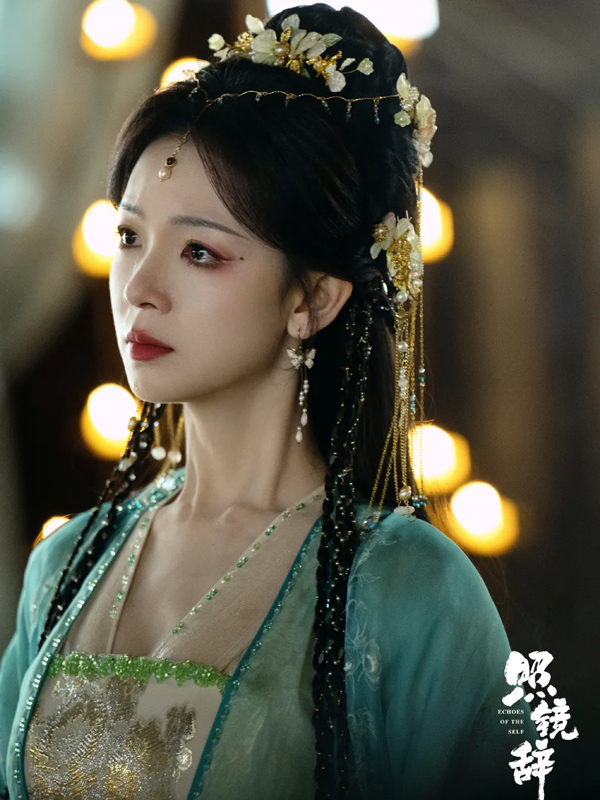
What if you were given a second chance, only to find yourself a stranger in your own life? This is the central dilemma in the new historical fantasy drama Echoes of the Self (照镜辞), which recently premiered. The series follows Zhou Ruoxi (周若兮), a woman who dies tragically after making ruthless choices in her pursuit of power, only to wake up three years in the past. The twist? She hasn't returned to her own body. Instead, her consciousness now inhabits the body of a foreign princess, a cousin she never knew she had.
Armed with the knowledge of how her life will unravel, she attempts to correct her past mistakes, only to discover that changing one variable has altered everything. The people she knew, the events she remembered, and even her former self are now entirely different. This clever premise moves beyond simple time travel, asking a deeper question about identity and whether we can ever truly understand the person we used to be.
The Unwinnable Game
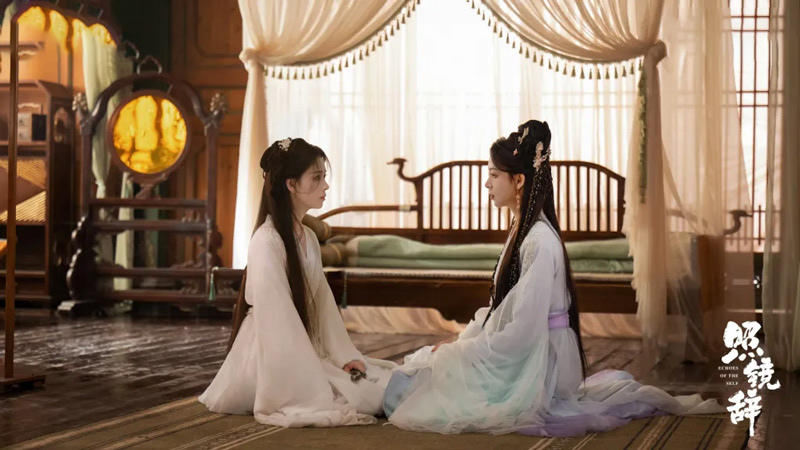
Zhou Ruoxi's second chance quickly proves to be a nightmare. She finds herself in the body of Princess Ling (玲公主), a figure who was barely a footnote in her previous life. Believing she holds a perfect guide to the future, she tries to steer her original self, the ambitious Zhou Ruoxi 1.0, away from catastrophic decisions. She expects gratitude and compliance. What she receives is suspicion and hostility. The version of herself from three years ago is not the weathered, regretful woman she became, but a headstrong and fiercely determined girl who sees this mysterious princess as an obstacle to her goals. The plan to use her future knowledge as a cheat sheet fails completely, as every action she takes creates new, unforeseen consequences, rendering her foresight useless.
The central conflict becomes a surreal battle between two versions of the same soul. Zhou Ruoxi 2.0, possessing the wisdom of hard-earned experience, desperately tries to prevent a tragedy she already lived. Zhou Ruoxi 1.0, driven by raw ambition and untouched by the pain of future failure, views her "cousin's" warnings as manipulation. The tension peaks in a stunning confrontation where the younger Zhou Ruoxi, feeling cornered and betrayed, violently rejects the intervention. This moment shatters the protagonist's hope for an easy fix, forcing her to accept that she is not replaying a level but navigating an entirely new game with different rules.
A Complicated Triangle
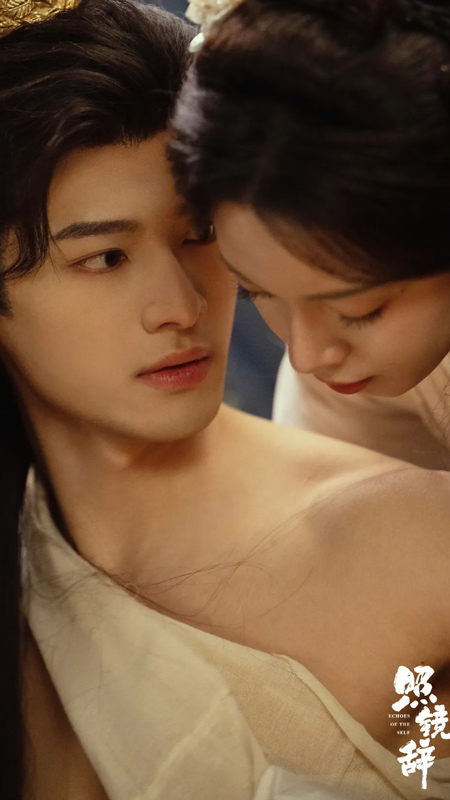
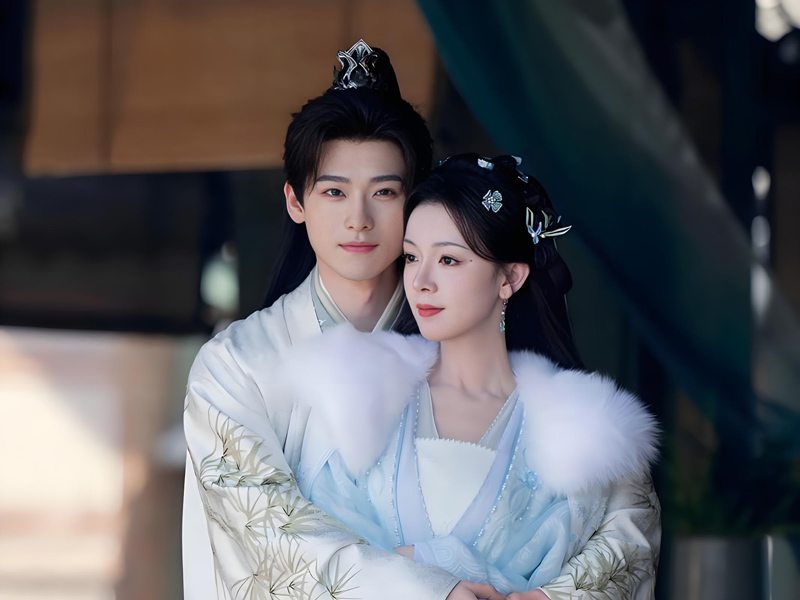
The romantic subplot adds another layer of complexity. Li Yan (李晏), the Yanwang (燕王) who died protecting Zhou Ruoxi in their first life, has also returned with fragmented memories of their past. He is drawn not to the woman who now looks like his lost love, but to the spirit he recognizes within the new vessel. This creates a poignant and unusual love triangle where the hero is in love with the soul of his beloved, who resides in a different body, while the original incarnation of that same woman is now a separate, antagonistic figure. This setup deftly avoids the cliché of a man torn between two women who look alike, focusing instead on the deeper connection of souls.
Li Yan's loyalty is both his defining trait and a source of narrative satisfaction. He does not waver or entertain a relationship with the 1.0 version, instantly discerning the difference between the two Zhous. His unwavering dedication to the person he knows is his true love, regardless of her outward appearance, provides a stable emotional core amidst the chaos of shifting identities and timelines. Their relationship in this new life is tinged with the melancholy of their past BE (Bad Ending), but is rebuilt on a foundation of immediate recognition and fierce protection.
Beyond Romance
While the romantic elements are engaging, the true strength of Echoes of the Self lies in its protagonist's journey toward self-liberation. Zhou Ruoxi 2.0 is a compelling heroine not because she seeks love, but because she seeks agency. She is intelligent, resourceful, and possesses significant Wuxia-inspired combat skills. Her primary goal evolves from simply saving her own life to dismantling the system that made her and others into pawns in a brutal political game. The story expands to show that she, Li Yan, the Crown Prince, and her sister are all, in their own ways, trapped by the expectations and machinations of the imperial court.
The drama suggests that breaking free from a predetermined fate requires more than just knowledge of the future; it demands immense courage and strategic brilliance. Zhou Ruoxi must write a new script for her life, one that defies the roles assigned to her by family, society, and even her own past self. Her struggle resonates because it is not just about surviving, but about claiming the right to author one's own destiny, a universal theme that transcends the Xianxia setting. The narrative convincingly argues that true freedom is won through intellect and daring, not merely romantic salvation.
This intricate plotting has led some viewers to suggest the story would make an excellent interactive game. From the perspective of Zhou Ruoxi 1.0, the story holds its own logic. Her descent into a more ruthless version of herself is not portrayed as simple villainy, but as a understandable, if tragic, response to the pressures and betrayals she perceives. The drama's greatest achievement is its exploration of empathy, or the lack thereof. It forces the audience to confront a difficult truth: that the person you were three years ago might not understand your present pain, and that you might despise the person you are destined to become. Our past and future selves can be the greatest of strangers.