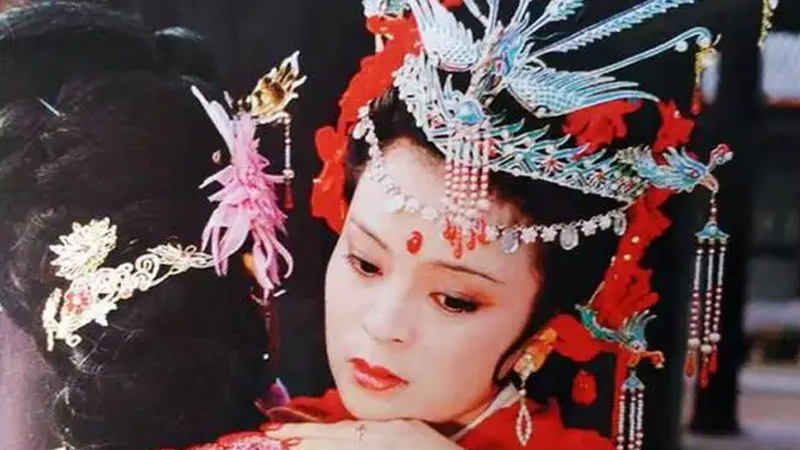
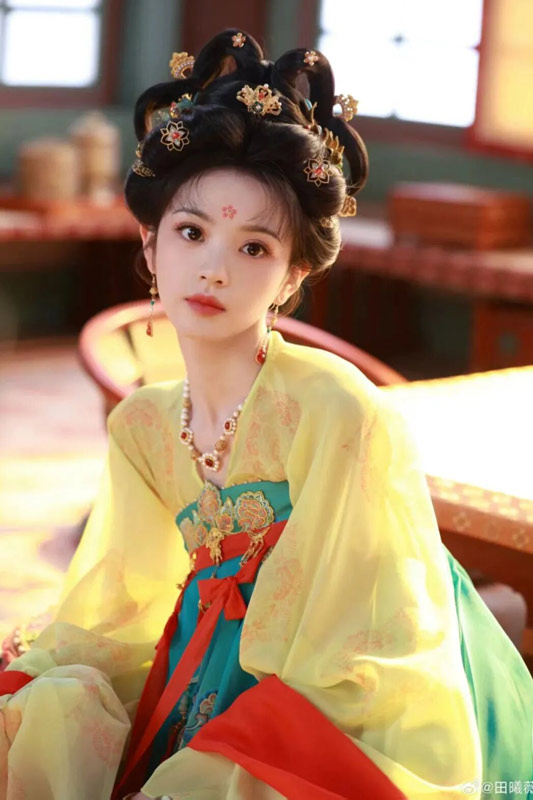
Remember the dazzling phoenix hairpins that once crowned the heads of empresses and noblewomen in Chinese historical series? These ornate accessories, symbolizing power and status, have become a rare sight in recent productions. From the lavish courts of The Dream of Red Mansions (红楼梦) to the playful elegance of My Fair Princess (还珠格格), these hairpins were more than mere decoration—they were storytelling devices.
Yet, as you flip through modern series, their absence prompts a question: what drives this shift away from traditional opulence? This change reflects broader transformations in audience preferences, production logistics, and a deeper engagement with historical authenticity. It is not merely a stylistic choice but a nuanced evolution in how contemporary media interprets and presents cultural heritage.
Style Shifts
Audience demographics have shifted significantly, with younger viewers dominating streaming platforms. Their tastes lean towards minimalist and functional aesthetics, which align with modern fashion sensibilities. Elaborate hairpieces, once a staple, now feel out of place in narratives that prioritize relatability and swift pacing. Characters are designed to resonate on a personal level, where subtle accessories convey individuality without overwhelming the scene. This trend mirrors global influences, where simplicity often trumps extravagance in visual storytelling.
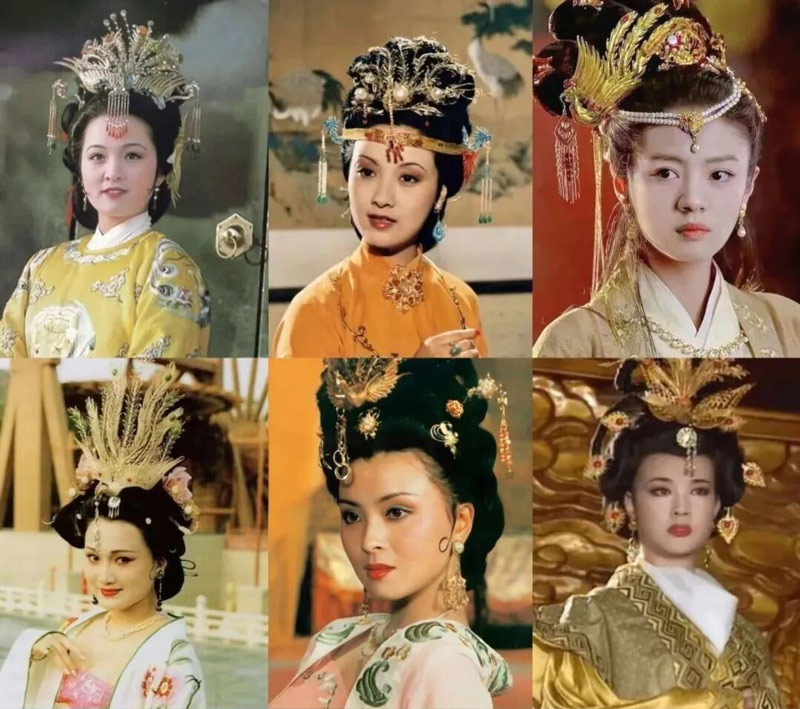
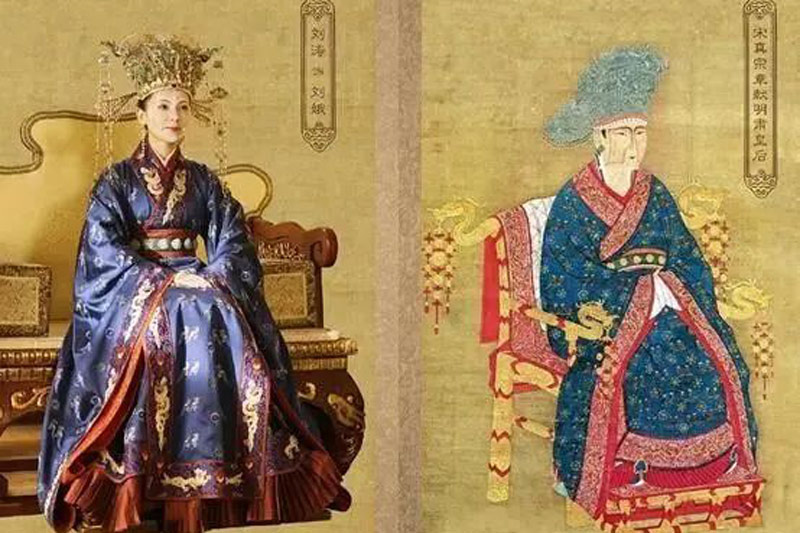
Historical research has gained prominence, leading creators to adopt more accurate representations. Scholars and enthusiasts now scrutinize every detail, pushing for era-specific designs rather than generic imperial glamour. For instance, the Phoenix Hairpin was not universally worn across dynasties; its use varied with regional customs and social hierarchies. Productions like Story of Yanxi Palace (延禧攻略) have embraced this, blending authenticity with creative flair. This dedication to precision enriches the narrative, offering viewers an immersive experience that educates as it entertains.
Character development now drives accessory choices, moving beyond symbolic status markers. A warrior princess might sport practical braids, while a cunning courtier dons understated pins that hint at her shrewd nature. This approach fosters deeper connections, as audiences decode personalities through refined visual cues. The evolution signifies a maturation in storytelling, where accessories serve the plot rather than overshadow it.
Practical Changes
Budget constraints play a crucial role in design decisions. Crafting intricate Phoenix Hairpins demands skilled artisans and expensive materials, escalating costs in an industry focused on efficiency. Smaller productions, in particular, opt for lightweight alternatives that reduce expenses and streamline filming schedules. These practical considerations ensure that resources are allocated to enhance overall production quality, from set designs to digital effects.
Actor comfort and mobility have become priorities during long shooting days. Heavy headpieces can cause discomfort, hindering performances and extending breaks. Directors now favor designs that allow natural movement, enabling emotive scenes without physical distractions. This shift improves on-screen authenticity, as actors embody their roles with greater ease and conviction.
Innovation in design merges tradition with contemporary appeal. Designers experiment with materials like resin or lightweight metals, creating pieces that echo historical motifs while meeting modern standards. These adaptations preserve cultural essence without sacrificing practicality, illustrating a dynamic dialogue between past and present. The result is a visual language that honors heritage while embracing progress.
Audience engagement has evolved, with social media amplifying discussions around historical accuracy and design choices. Viewers dissect every element online, fostering a community that values thoughtful representation over sheer spectacle. This feedback loop influences creators, who adjust their approaches to meet informed expectations. The dialogue enriches the creative process, ensuring that changes resonate with a knowledgeable and passionate viewership.