Article
Search results:
-
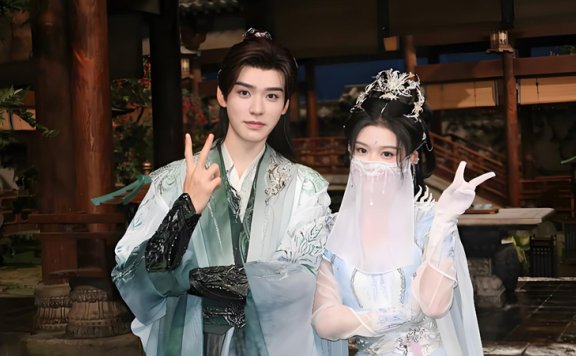
Will Luo Yunxi's Whispers of Fate Redefine Wuxia Storytelling?
Fans of martial arts epics have a new reason to celebrate. The Wuxia drama Whispers of Fate (水龙吟) arrives on screens this October, bringing with it a wave of anticipation. Led by the acclaimed actor Luo Yunxi (罗云熙), the series boasts a cast of familiar faces and fresh talent, all set against the backdrop of a troubled Jianghu. This isn't just another tale of swordfights and honor; it promises a deeper journey into the psyche of its characters. Viewers can expect a story where personal redemption clashes with overarching duty, all woven together with visually stunning sequences that aim to push the boundaries of the genre. The show's blend of mystical elements and grounded emotional stakes could make it a standout entry in television this year. A Reluctant Hero At the heart of the narrative is Tang Lici (唐俪辞), a man desperately seeking peace. Having once led the powerful Extreme Joy Sect, he left that life behind, hoping to escape the endless conflicts of the martial world. His quiet exile is shattered when a brutal massacre forces him back into the fray. What he discovers is a web of conspiracy far more dangerous than he imagined. An old acquaintance from… -
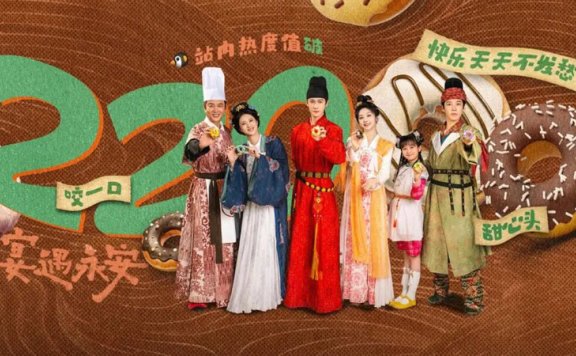
Why Does Yummy Yummy Yummy Shine with Cast Gems but Falter in Lead Role?
The new historical comedy Yummy Yummy Yummy (宴遇永安) transports viewers to the bustling streets of the Tang Dynasty (唐朝), where lavish banquets and intricate politics collide. This series, set against a backdrop of steaming delicacies and vibrant marketplaces, promises an escape into an era of cultural flourishing. With production design that meticulously recreates ancient architecture and traditional Hanfu costumes, the show immerses audiences in a world of sensory delights. From sizzling roasted camel to delicate steamed crabs, the culinary visuals are a feast in themselves, enhancing the playful tone of a story blending time-travel antics with detective twists. However, beneath this glossy surface lies a performance divide that has sparked heated discussions among fans, turning what could be a flawless gem into a polarized viewing experience. Standout Cast In Yummy Yummy Yummy, Li Yunrui (李云锐) delivers a captivating portrayal of Lin Yan (林晏), a official whose stern exterior masks a passionate food lover. He masterfully shifts between a sharp-eyed investigator and a joyful gourmand, using subtle eye movements and gentle smiles to reveal his character's layers. Whether he is unraveling clues in a tense scene or savoring a dish with childlike wonder, his performance feels authentic and engaging. This role… -
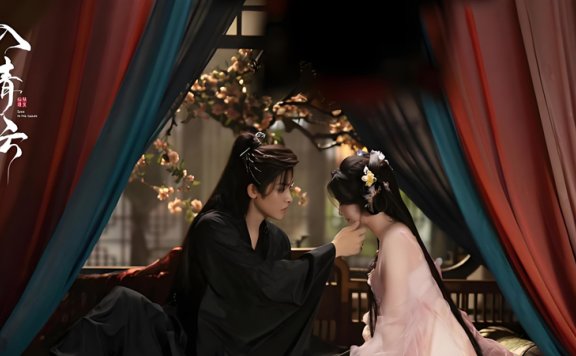
What Drives the Passion and Power in Love in the Clouds?
In the enchanting world of Love in the Clouds (入青云), a fantasy drama starring Hou Minghao (侯明昊) as Ji Bozai (纪伯宰) and Lu Yuxiao (卢昱晓) as Ming Yi (明意), viewers are swept into a realm where love clashes with ambition and old wounds fuel new conflicts. This series, set against the backdrop of Jixing Yuan (极星渊) and other mystical locales, weaves a tapestry of emotional depth and strategic intrigue. Rather than simply recounting plot points, this article delves into the core elements that make the story resonate, exploring character motivations, relational dynamics, and the subtle interplay of fate and choice. As we journey through key moments, we uncover how personal desires shape larger battles, offering a fresh perspective on this captivating narrative. Character Motivations Ji Bozai's journey from a marginalized figure to a central player in Jixing Yuan highlights themes of redemption and loyalty. His refusal of Tian Ji's (天玑) marriage proposal stems not from caprice but a deep-seated need for autonomy, reflecting how past hardships in Wu Gui Hai (无归海) influence his present actions. This decision sparks a chain of events where personal integrity outweighs political gain, drawing viewers into his internal struggle between duty and heart. Ming Yi,… -
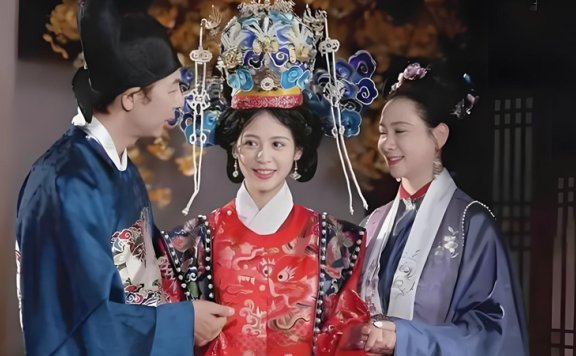
Weng Hong's Daughter Marks 18th with Jiji Li
When the daughter of Hong Kong actress Weng Hong (翁虹) turned eighteen, she didn't want a modern party. Instead, her family organized a traditional Jiji Li (及笄礼), a Chinese coming-of-age ceremony for young women. The celebration, held in full Hanfu attire, was a beautiful and meaningful departure from the Western-style birthdays common today. This deliberate choice highlights a growing trend of cultural rediscovery, where ancient traditions are being revived to mark significant life milestones with a profound sense of heritage and identity. A Ceremony of Red and Respect The centerpiece of the event was the young woman known online as Crystal, dressed in a vibrant crimson Ming Dynasty-style Hanfu. The elaborate outfit and intricate hair accessories, including a carefully chosen hairpin from her mother, transformed her. She carried herself with a grace that resonated with the ceremony's solemnity, appearing every bit the poised young noblewoman from a historical drama. The visual impact was powerful, connecting her to a lineage of Chinese women who have participated in this ritual for centuries. Her parents were equally invested in the authenticity of the day. Weng Hong and her husband, Liu Guanting (刘冠廷), dressed in traditional scholarly and aristocratic attire, fully embodying their roles.… -
Unpacking Fan Expectations for Jade Dynasty’s Ending
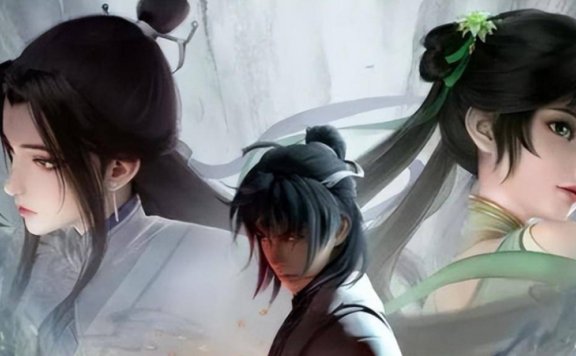
Why does the fate of one character in Jade Dynasty (诛仙) captivate millions, driving fans to demand a rewritten ending after decades? The animated adaptation of this classic xianxia novel has reignited passionate debates across platforms, centering on a pivotal moment that defines the entire narrative. At the heart of the series is Zhang Xiaofan (张小凡), an ordinary boy thrust into extraordinary circumstances, whose journey through love and loss resonates deeply with audiences. His relationships with two remarkable women, Bi Yao (碧瑶) and Lu Xueqi (陆雪琪), weave a complex tapestry of emotion and moral conflict. As the anime approaches its conclusion, a single question dominates discussions: can the story’s most tragic death be undone, or would altering fate undermine the very themes that make Jade Dynasty unforgettable? The Unforgettable Sacrifice Bi Yao’s death stands as a defining moment in Jade Dynasty, a scene that etches itself into the memory of anyone who experiences it. When the Zhuxian Sword Array (诛仙剑阵) is unleashed, her choice to shield Zhang Xiaofan with the Chi Qing Zhou (痴情咒), a spell fueled by devotion and sacrifice, shifts the story’s trajectory. This act is not merely a plot device; it symbolizes the collision between love and… -
The True Tragic Figure in Fated Hearts Who Ruined Herself for a Fantasy
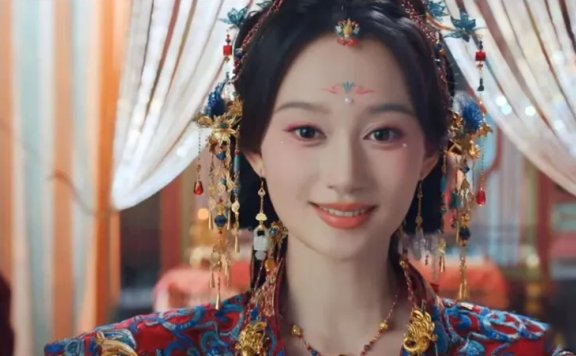
Who is the true tragic figure in the lavish palaces of Xisu (夙砂) and Jinxiu (锦绣)? The new historical drama Fated Hearts (一笑随歌) presents a court filled with scheming royals and wounded hearts. The betrayed queen, the vengeful prince, and the wounded general all seem to claim the title of most pitiable character. Yet the deepest tragedy does not belong to those who have lost love or position, but to the one who threw everything away for a fantasy. The Princess Xiyang (戏阳), who appeared to have every advantage, ultimately crafted her own ruin with the weapon of blind devotion. The Fantasy Princess Xiyang's story begins with a chance meeting she misinterpreted as fate. Disguised as a soldier, she became lost and encountered Prince Xia Jingshi (夏静石). He spared her life, an act of basic decency he immediately forgot. For her, however, it became the foundation of an entire romance built in her mind. She fell not with the man, but with the heroic idea she projected onto him. This single moment of mercy grew into an obsessive filter through which she would view all his future coldness and calculation. Their marriage was a political arrangement, a tool for temporary… -
The Tragic Allure of White-Haired Heroines in Guoman
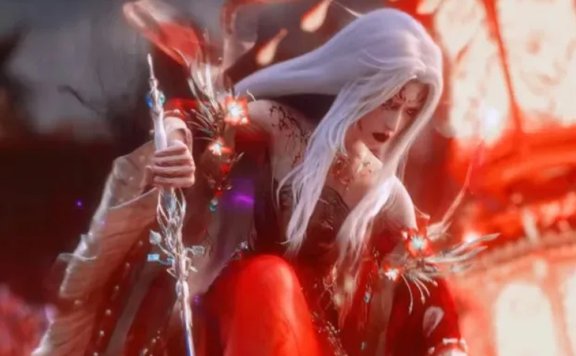
In the vibrant world of Chinese animation, known as Guoman (国漫), a striking trend has captured the hearts of viewers: the emergence of white-haired female characters who blend ethereal beauty with deeply tragic narratives. These figures are not just visually stunning; they often serve as emotional anchors in their stories, embodying themes of sacrifice, power, and resilience. From series like Perfect World (完美世界) to Battle Through the Heavens (斗破苍穹), these heroines stand out with their pale locks, which symbolize everything from supernatural abilities to personal suffering. Their designs push the boundaries of digital modeling, creating icons that resonate deeply with fans. Yet, behind their captivating appearances lie stories filled with heartbreak, making them unforgettable in the landscape of modern animation. This article delves into the allure of these characters, examining how their white hair enhances their roles and why their poignant endings leave a lasting impact. Visual Spectacle One of the most mesmerizing aspects of these white-haired heroines is their immediate visual impact. In Perfect World, Huo Ling'er (火灵儿) appears in a theatrical version with a fiery phoenix-inspired outfit, where her white hair is styled in a sleek single ponytail. This look, combined with vibrant colors, creates a breathtaking contrast… -
Is Over the Divine Realms This Year's Must-See Chinese Animation?
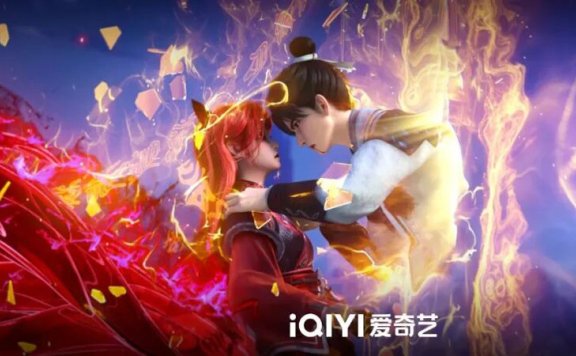
In a landscape crowded with animated series, Over the Divine Realms (神国之上) emerges as a standout production. This 3D fantasy animation, created by Zhongying Niannian (中影年年) and Gaoneng Studio (高能工作室), and streaming on iQiyi, has captured widespread attention since its release. It quickly topped platform charts, amassing over 7.1 billion views on social media and earning praise from international fans. The series distinguishes itself through a compelling mix of suspense, political intrigue, and character-driven storytelling, setting a new benchmark for the genre. Gripping Suspense Over the Divine Realms masterfully balances clarity with complexity. The first season adapts the initial volume of the source material without rushing or obscuring key elements. Central to the plot is a intricate struggle against a fox demon, which gradually unveils a larger world filled with supernatural forces. This approach keeps viewers engaged while subtly introducing deeper lore, such as the concept of the Soul Devourer, ensuring the story remains accessible yet richly layered. The narrative thrives on themes of self-discovery and personal growth. Characters confront their identities and limitations, driving the plot forward through their evolving motivations. This focus on internal and external conflicts creates a resonant experience, making the fantasy elements feel grounded and… -
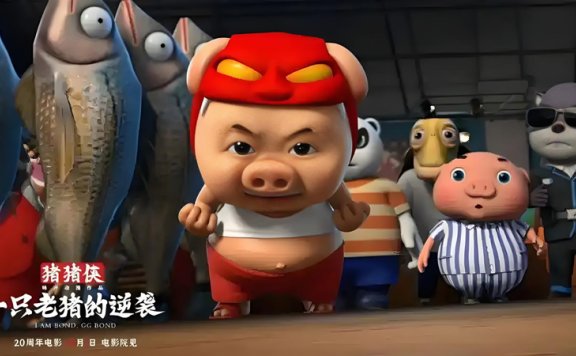
Is GG Bond Cinema's Next Unlikely Hero?
The trailer opens with sweeping orchestral music and a voiceover dripping with gravitas, announcing the triumphant return of a legendary hero. For a moment, you believe it. Then, the reality crashes in. The hero in question is balancing on a wobbly electric scooter, a stack of takeout boxes threatening to topple as he navigates a pothole-ridden alleyway. This is the world of GG Bond: The Legend of Warriors (猪猪侠·一只老猪的逆袭), a film that proudly subverts every expectation. The protagonist, GG Bond himself, isn't saving the world from a lofty palace; he's trying to save his career from the gutter. Once a beloved A-lister, he now represents every faded star who ever wondered, "What's next?" His answer arrives not with a majestic call to arms, but with a bizarre, last-chance opportunity to star in a movie within the movie, a setup ripe for chaos and self-aware humor that promises to deliver more laughs than laser beams. Comedy Through Contrast The film's genius lies in its relentless commitment to contrast. The "epic" narration clashes with the mundane, often absurd, reality of GG Bond's situation. We hear descriptions of "breathtaking visual spectacles" while watching him struggle with a stubborn jar of pickles. The "heart-pounding… -
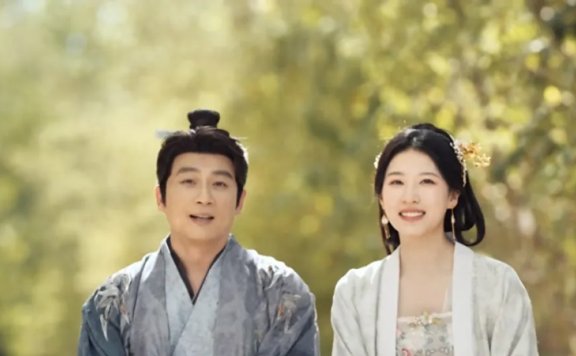
Fated Hearts: The Emperor's Unspoken Past Hides the Late Empress's Survival
Did the Emperor's rage conceal a desperate plan to protect his children? In the grand hall of the palace, the air turned to ice. The Crown Prince, Feng Suige (风随歌), had openly defied his father, the Son of Heaven, for the sake of an assassin. In his defiance, he uttered a name long forbidden within the palace walls: the late Empress. A chilling fury emanated from the throne, but beneath the surface of imperial wrath lay something far more raw—the shock and fear of an old wound being violently torn open. This was not merely about challenged authority; it was about a past the Emperor had tried desperately to bury, a secret that held the key to his family's survival and the truth about an Empress who might not be dead at all. The Forbidden Name The death of the late Empress was a case shrouded in mystery, hastily closed with accusations of treason. An imperial decree silenced all discussion, sealing the memory deep within the forbidden palace. On the surface, this was to protect the dignity of the royal family. In reality, it was a cold, hard barrier the Emperor erected to shield his young children, Feng Suige and… -
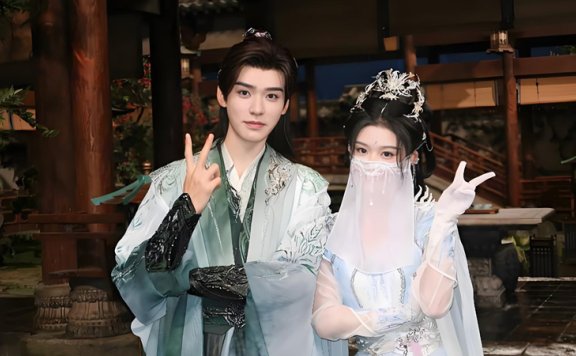
Will Tales of Dark Rivers Become Your Next Wuxia Addiction?
A new series is poised to capture the attention of martial arts enthusiasts and drama lovers alike. Tales of Dark Rivers (暗河传), scheduled for a late October release on Youku, brings together a stellar cast including Gong Jun (龚俊) and Peng Xiaoran (彭小苒) in a narrative that promises to blend intense action with deep moral conflicts. Set within a secretive assassin organization, the story delves into the brutal power struggles that erupt when its leader falls gravely ill. This isn't just another Wuxia tale of sword fights; it's a complex exploration of loyalty, ambition, and the fragile line between darkness and light. The anticipation is already building, fueled by gripping trailers and the compelling chemistry of its leads, making it a potential standout in the genre. A Deadly World The Tales of Dark Rivers organization serves as the volatile heart of the series, a place where fear reigns and three great families—Su (苏), Xie (谢), and Mu (幕)—wield immense influence. Their precarious balance of power shatters when the group's patriarch is poisoned, triggering a frantic scramble for control. Assassins who once followed orders now sharpen their blades, each maneuvered by family agendas and personal gain. This setting is not merely… -
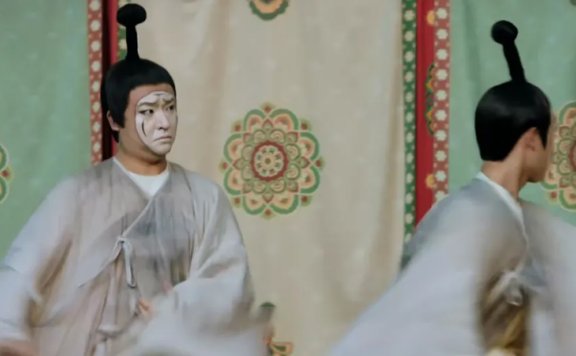
Why Do Exotic Costumes Keep Emerging in Ancient-Style Dramas?
Why Did Wearing the Wrong Outfit Used to Be a Crime? Imagine living in an era where your choice of clothing could lead to public shaming, imprisonment, or even execution. Throughout much of Chinese history, what one wore was never just a matter of personal style. It was a direct reflection of social status, moral character, and political loyalty. The concept of Fuyao (服妖), or "deviant dress," was a serious social transgression. This term described any attire, including hairstyles, accessories, and makeup, that broke established sumptuary laws or challenged conventional aesthetics. In a society governed by Confucian principles, clothing was a legible code. It told everyone who you were and where you belonged. To disrupt this code was to disrupt the social order itself, an act that authorities and the public viewed with suspicion and fear. Defining Deviance The historical record provides clear definitions of this phenomenon. The Book of Han (汉书) states that when customs become frivolous and people change their manners, they adopt strange and lightweight clothing, thus creating Fuyao. This was more than a fashion faux pas; it was an omen. Periods of significant social upheaval, particularly towards the end of dynasties, often saw a rise in… -
What Are Those Graceful Chains Adorning Li Qin in Fated Hearts?
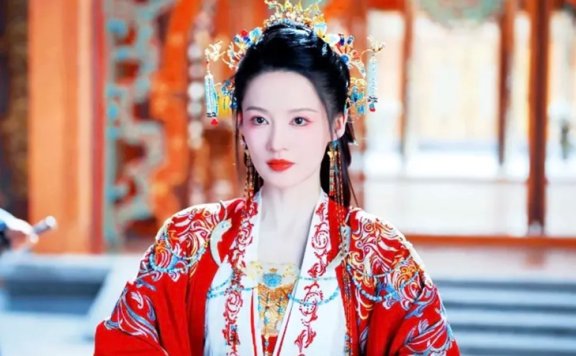
In the captivating historical drama Fated Hearts (一笑随歌), actress Li Qin (李沁) mesmerizes viewers with costumes that blend simplicity with intricate detail. One standout feature is the delicate web of chains and beads draped over her garments, which shimmer and dance with every movement, especially during elegant sword sequences. This accessory, known as Yingluo (璎珞), is far more than mere decoration; it is a nod to a rich cultural legacy that has evolved over millennia. Its presence on screen sparks curiosity about its origins and significance, inviting us to explore how ancient traditions find new life in modern storytelling. Ancient Origins The story of Yingluo begins in ancient China, with traces found as early as the Warring States period. Excavations at sites like the Majiayuan Cemetery (马家塬墓地) revealed net-like ornaments used as headpieces or necklaces, though they might not have been called Yingluo at the time. These pieces often symbolized status and wealth, crafted from materials that reflected the wearer's rank. Classical texts, such as the Yupian (玉篇) dictionary, define "Ying" as a jade-like stone and "Luo" as strung jewels, highlighting the accessory's luxurious roots and its role in distinguishing the elite. As dynasties shifted, Yingluo gained prominence during the… -
Did Ancient People’s Updo Hair Mean Marriage?
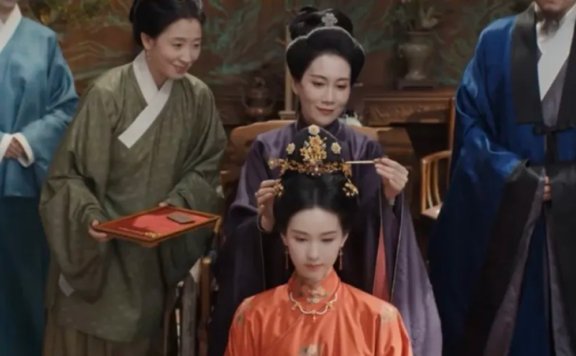
Many viewers of historical television dramas often assume that in ancient China, a person simply tying up their hair signified they were married. This common belief, perpetuated by on-screen portrayals, oversimplifies a rich cultural practice. Hairstyles in ancient times carried deep symbolic meanings related to age, social status, and etiquette, rather than just marital status. This article delves into the true significance of these traditions, separating fact from fiction and exploring how modern media has reshaped our understanding. By examining historical records and contrasting them with contemporary depictions, we can appreciate the nuanced roles that hairstyles played in daily life and ceremonies. Coming of Age In ancient China, the transition to adulthood was marked by formal ceremonies that involved specific hairstyle changes. For young women, the Ji Li (笄礼) occurred around ages fifteen or sixteen, while young men underwent the Guan Li (冠礼) at approximately twenty years old. These rituals were essential in signaling that an individual had reached maturity and was ready to take on adult responsibilities within society. Families, especially those with means, would organize these events to announce their child's coming of age to relatives and neighbors, often leading to discussions about potential marriages. However, the act… -
Can Hanfu Break Free from Tradition in Love's Freedom?
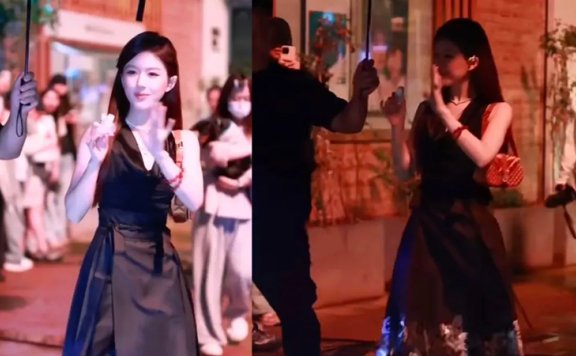
In the television drama Love's Freedom (许我耀眼), the character Xu Yan (许妍), portrayed by popular actress Zhao Lusi (赵露思), embarks on a challenging entrepreneurial venture: modernizing traditional Chinese clothing. Her struggle mirrors a real-world debate simmering across the country. As Hanfu and other ethnic styles gain visibility, a critical question emerges: what kind of innovation truly honors these garments while making them relevant for today? The series does not offer easy answers, but it successfully frames a vital conversation about cultural identity in a fast-moving world. It moves beyond simple nostalgia, probing how historical attire can find a genuine place in contemporary closets, not just in photo studios or ceremonial events. The journey is far from straightforward. Love's Freedom illustrates the delicate balance required when tweaking centuries-old designs. Some purists argue that any alteration dilutes cultural authenticity, while others believe that without adaptation, these beautiful garments risk becoming mere costumes. Xu Yan's fictional endeavor highlights a practical reality: for clothing to be worn, it must be livable. It must accommodate the pace of modern life, from commuting on public transport to working in an office. The show suggests that the future of ethnic fashion lies not in perfect museum-quality replication,… -
Are Male Hairstyles in Historical Dramas Really So Lackluster?
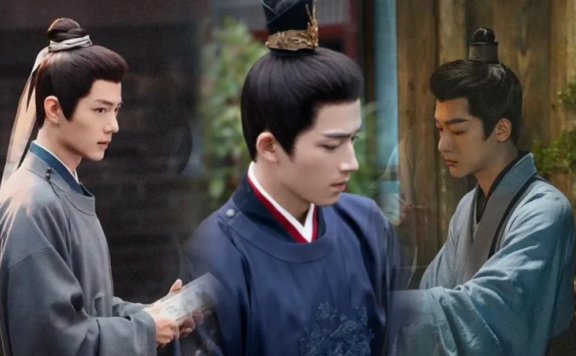
Have you ever switched between different historical Chinese dramas and felt a sense of déjà vu when it comes to the male characters' hairstyles? It seems as if the same look is recycled from one show to another, leaving viewers wondering if creativity has run dry. While female characters often showcase a variety of elaborate hairdos, their male counterparts appear stuck in a rut. But is this really the case, or are we missing the bigger picture? This article delves into the elements that define male hairstyles in period productions, examining why certain styles dominate and how accessories and demeanor play crucial roles in shaping these iconic looks. By exploring historical influences and modern adaptations, we can uncover the reasons behind this perceived lack of diversity and what it takes to bring authenticity to the screen. Core Styles At the heart of male hairstyles in historical dramas lies the Shufa (束发), a tied-up style that has become the go-to choice for many productions. This look, where hair is pulled back and secured, often features variations in height and tightness—some versions puff up dramatically, while others lie flat against the scalp. Its prevalence stems from cultural roots in the Qin and… -
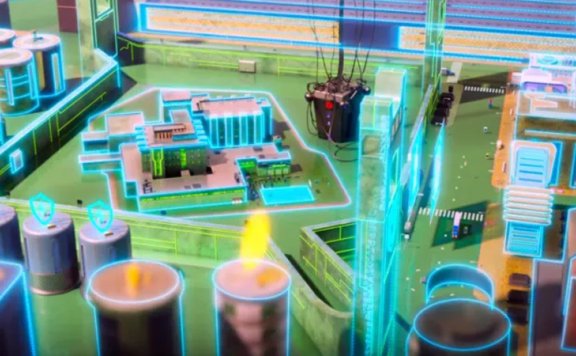
Can an Amnesiac Hero Save Circuit City from Digital Destruction?
In the heart of a bustling metropolis built entirely on circuits and code, an ordinary resident named Zap finds his world turned upside down. Zap’s Last Stand (疯狂电脑城) introduces audiences to a vibrant, unpredictable digital realm where stability is a luxury and chaos is always one bug away. When a catastrophic system failure threatens to erase everything, Zap, who begins his journey with no memory of his past, must navigate this dangerous landscape. His initial clumsiness and naivety belie a hidden potential, setting the stage for an epic adventure. This animated feature, a collaborative project led by Jilin Animation Institute (吉林动画学院), blends high-stakes action with a heartfelt story of self-discovery. As Zap ventures forth, he embodies the everyman thrust into extraordinary circumstances, making his quest relatable and gripping for viewers of all ages. Zap's Journey Zap starts as a seemingly insignificant figure in Circuit City, known more for his awkward mishaps than any heroic traits. The crisis begins with a sudden glitch that spreads like a virus, causing blackouts and data corruption across the city. With his memory wiped clean, he has no choice but to move forward, relying on instinct and chance encounters. It is during these early moments… -
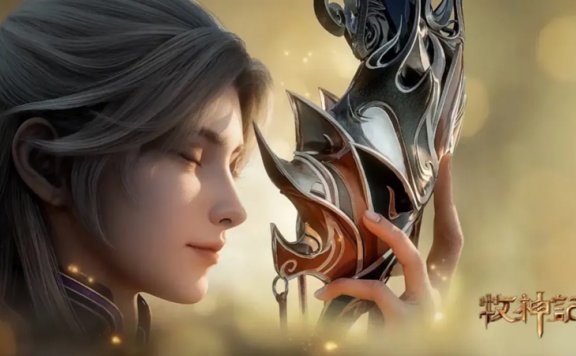
Top 5 Chinese Animations for Your Holiday Binge-Watching
As autumn leaves fall, many seek indoor entertainment, and Chinese animation offers a thrilling escape. No longer niche, these series blend rich storytelling with stunning visuals, rivaling global counterparts. This season, five standout productions demonstrate the medium's diversity, from philosophical fantasies to cosmic adventures. Each title provides a unique entry point into worlds where traditional myths meet modern creativity. With episodes stacked for binge-watching, they transform quiet holidays into immersive journeys. Let's explore what makes these series unforgettable. 1. Tale of Herding God (牧神记) - Dark Fantasy Tale of Herding God redefines fantasy with its shadowy palette and intricate plots. Set in a realm where gods and demons clash, it follows a young shepherd's ascent amid moral ambiguities. The animation studio Xuanji Tech (玄机科技) employs a muted color scheme, emphasizing tension and depth. Characters grapple with existential questions, making it more than a simple adventure. Visuals here are not just backgrounds but narrative tools. Every frame contributes to world-building, from desolate landscapes to ethereal cities. The protagonist's journey is punctuated by ethical dilemmas, reflecting a broader philosophical inquiry. This approach elevates the series beyond typical action fare, appealing to viewers seeking substance. With fifty episodes available, the story unfolds without… -
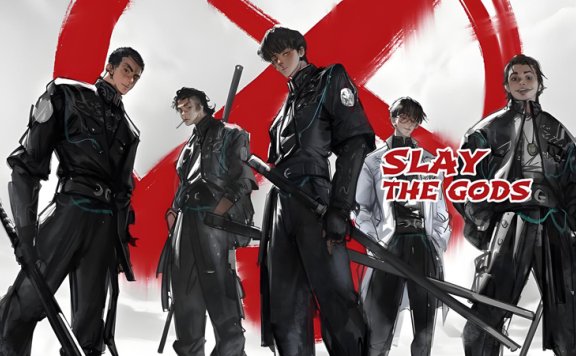
Slay the Gods: The Animation Reshaping Fantasy
Imagine a reality where deities are imprisoned in psychiatric facilities, while humanity navigates a landscape teeming with supernatural threats. This is the foundation of Slay the Gods (斩神之凡尘神域), an animation that has swiftly captured audience attention. In the nation of Daxia (大夏), eerie phenomena are routine, and a magician known as Merlin (梅林) becomes central to the chaos. They alternate between male and female forms, speaking in disjointed phrases about a vocal yellow cube submerged in the ocean, hinting at deeper cosmic secrets. Derived from the web novel Deicide Learning in a Psychiatric Hospital (我在精神病院学斩神), the series has achieved remarkable ratings, with a 9.6 score from over 3.16 million users and an 8.4 on Douban that keeps rising. Its third episode generated 1.21 million comments in a day, reflecting intense viewer engagement. Fans applaud its precision, noting that every scene feels essential, and even the closing sequences are crafted to hold interest. This urban fantasy breaks from traditional genres by merging modern settings with divine conflicts, offering a distinct alternative to common cultivation narratives. It has rejuvenated its source material, driving searches past older web novels and resonating with younger demographics. The animation signifies a shift in Chinese cartoon storytelling,… -
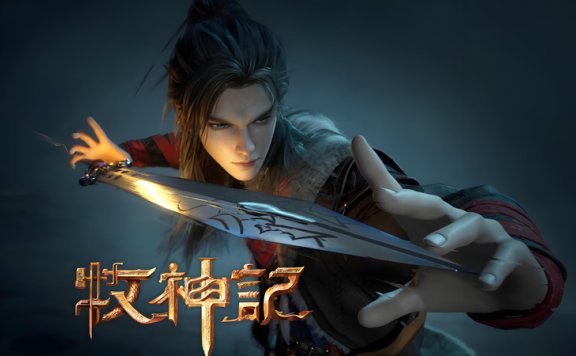
A Golden Ox Lifted a Palace in Episode 51!
In the latest installment of Tale of Herding God (牧神记), viewers are treated to a spectacle that defies imagination. Episode 51 delivers a powerful blend of visual grandeur and raw strength, set against the backdrop of the legendary Loulan Golden Palace (楼兰黄金宫). This episode not only advances the plot but cements the series' reputation for breathtaking animation and intense character dynamics. As Bashan Moqing (霸山墨青) and Qin Mu (秦牧) return to the grasslands, their journey takes a dramatic turn with night battles and a direct assault on the golden fortress. The sequence where a golden ox carries the entire palace is just the beginning of an adventure filled with suspense, strategy, and stunning displays of power. This article delves into the key moments that make this episode a standout, exploring how it balances action with deeper narrative threads. From the eerie lakeside scenes to the climactic confrontations, every frame is crafted to keep audiences on the edge of their seats. The creativity in animation and storytelling here sets a new benchmark for fantasy series, inviting fans to immerse themselves in a world where the impossible becomes reality. The Golden Ox As the episode opens, a command from Bashan sets the…