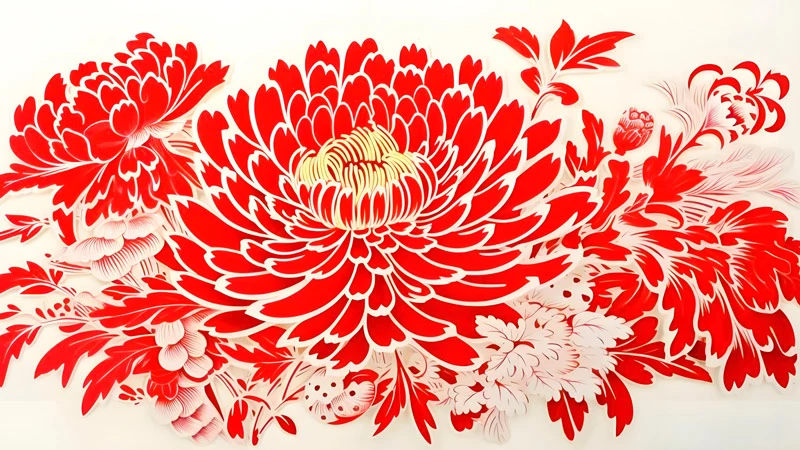
With just scissors or knives, artists transform plain paper into delicate patterns that adorn homes and mark festive occasions. This practice, called Jianzhi (剪纸), has evolved over centuries, blending artistry with daily life. Its recognition by UNESCO in 2009 underscores its role as a shared human treasure, reflecting creativity across generations.

1. History and Artistry
1.1 Historical Roots
Jianzhi’s beginnings trace back to early thin sheet carving methods before the Western Han Dynasty. Once paper was invented, it became the primary medium, allowing the art to flourish and adapt through different eras.
By the Ming and Qing periods, Jianzhi reached its peak, becoming integral to community celebrations and personal expression. It served not only as decoration but also as a means to convey wishes and stories, embedding itself in cultural practices.
1.2 Creative Techniques
Artists employ cutting for fluid, simple designs and carving for intricate details, often combining both approaches. This flexibility allows for everything from bold silhouettes to finely detailed scenes, each piece unique to the maker’s skill.
Common forms include monochrome works, often made through folding, as well as colorful and three-dimensional pieces. Each style offers different visual effects, from stark contrasts to vibrant, layered compositions that captivate the eye.

2. Monochrome Paper-Cutting
Monochrome Paper-Cutting turns simple sheets into vivid stories. Artists use one color, like red for joy, and cut shapes to play with light and shadow. This art values clean lines and empty spaces that speak loudly.
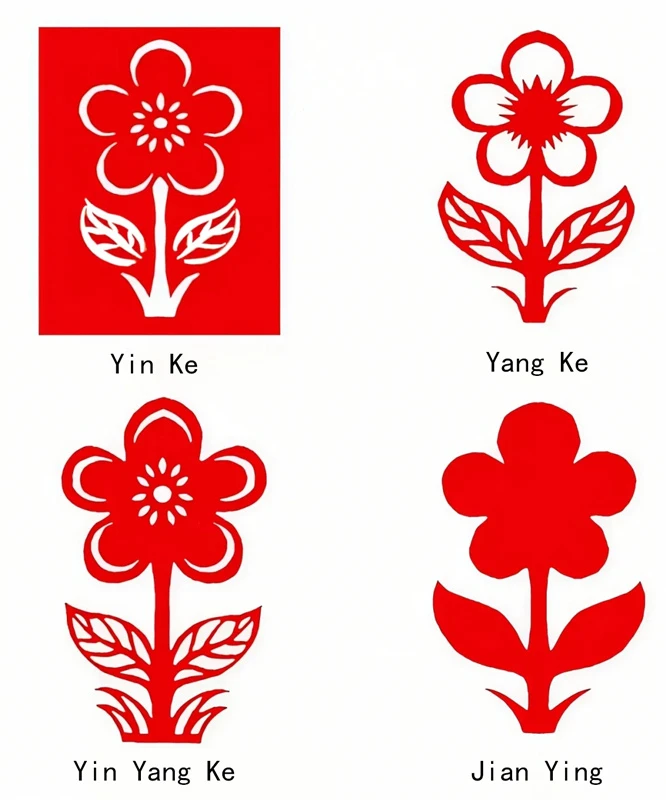
2.1 Yin Ke (阴刻)
In Yin Ke, the outline is carved out, leaving gaps that form the design. This makes the image appear through broken lines, suggesting more than what is seen. It feels like a whisper in paper.
2.2 Yang Ke (阳刻)
Yang Ke keeps the outline solid by removing the surrounding paper. The result is a bold, continuous figure that draws the eye. It gives strength and clarity to each piece.
2.3 Yin Yang Ke (阴阳刻)
Mixing Yin and Yang methods, this style adds depth. Some parts have open lines, others are full, creating a dance of textures. It makes the artwork lively and layered.
2.4 Jian Ying (剪影)
Jian Ying uses few cuts to outline a subject, often a person. The stark contrast highlights the shape, making it stand out with simple power. It captures essence in a glance.
2.5 Si Zhi (撕纸)
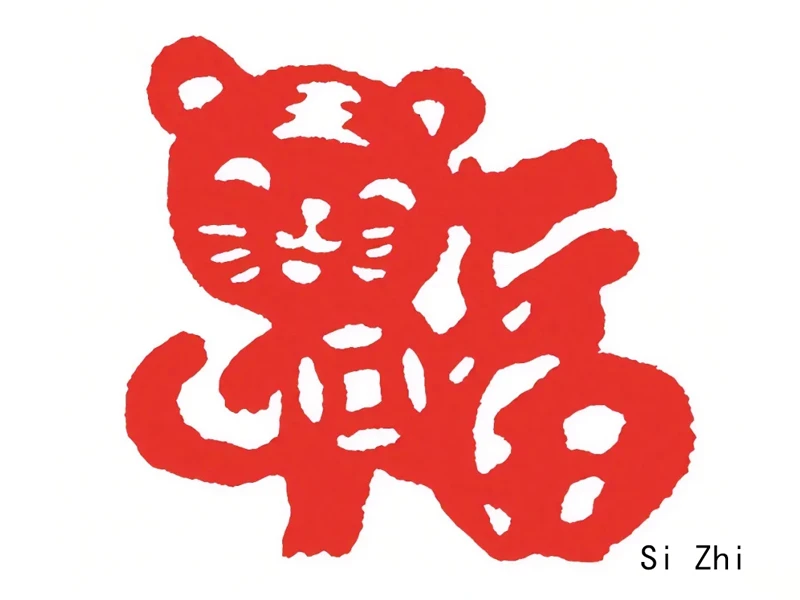
Si Zhi involves tearing paper by hand, not tools. The uneven edges bring a rustic charm, each tear adding unique character. It feels honest and touched by human hands.

3. Color Paper Cuttings
Paper art transforms with the infusion of color, moving beyond monochrome silhouettes. This evolution introduces techniques that layer hues and textures, turning simple cuts into vivid visual stories. Each method brings its own character, allowing artists to express emotions and scenes with a fresh palette. The shift to color does not abandon tradition but expands its possibilities, inviting viewers into a more dynamic interaction with the work. It is a practice where skill meets spontaneity, producing pieces that captivate and inspire.
3.1 Dianse Jianzhi (点色剪纸)
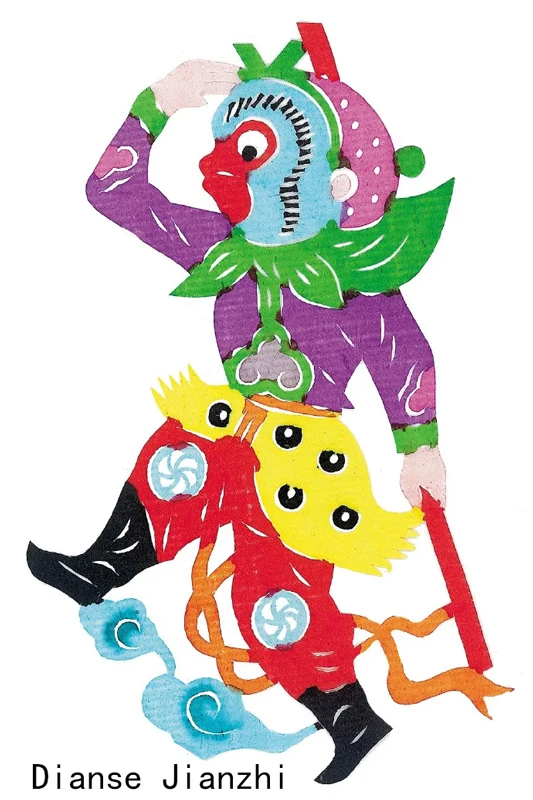
In Dianse Jianzhi, a brush loaded with pigment touches the pre-cut paper. Colors seep naturally into the fibers, creating soft gradients and unexpected blends. This approach feels almost painterly, as the artist guides the flow without strict boundaries. The result is a unique piece each time, where shades merge organically. It highlights the delicate balance between control and chance in craft.
3.2 Pinse Jianzhi (拼色剪纸)
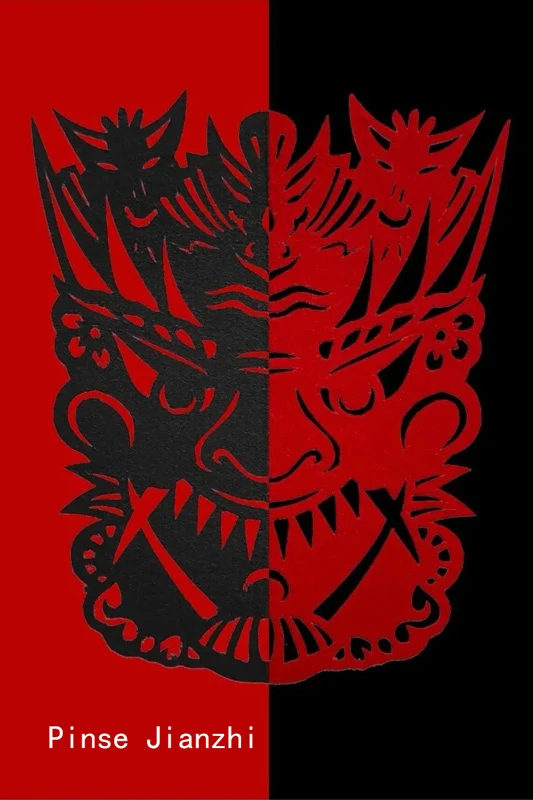
Pinse Jianzhi involves cutting shapes from differently colored sheets. These pieces are then joined like a puzzle, forming a cohesive image. The process relies on careful planning for color harmony and spatial arrangement. By assembling parts, the artwork gains depth and a playful energy. This technique shows how separate elements can unite into something whole and striking.
3.3 Chense Jianzhi (衬色剪纸)
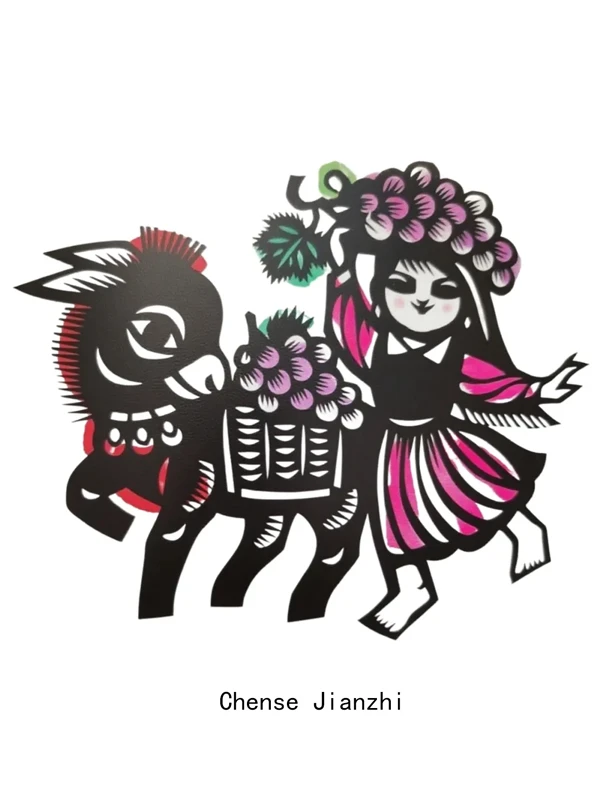
With Chense Jianzhi, a primary cut-out serves as the base. Colored paper snippets are adhered behind its open areas, adding bursts of tone. The choice of backing hues shapes the overall mood, making each selection critical. This method creates a subtle interplay of light and color, as the top layer interacts with what lies beneath. It is a thoughtful way to build complexity through hidden details.

4. Three-dimensional paper cutting
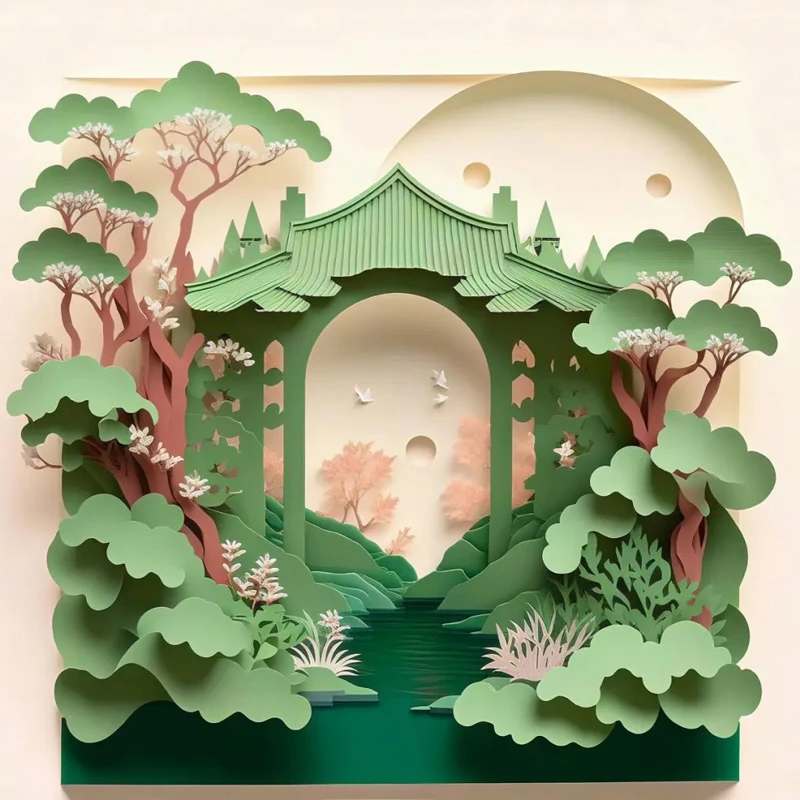
Three-dimensional paper cutting transforms flat sheets into dynamic forms through cutting, folding, and assembling. This method allows paper to occupy space, creating pieces that engage viewers from multiple angles. Common in greeting cards, lamps, and installations, it adds depth and interaction to traditional designs. By moving beyond two dimensions, artists craft pieces that tell stories through shape and shadow.
4.1 Symmetrical Designs
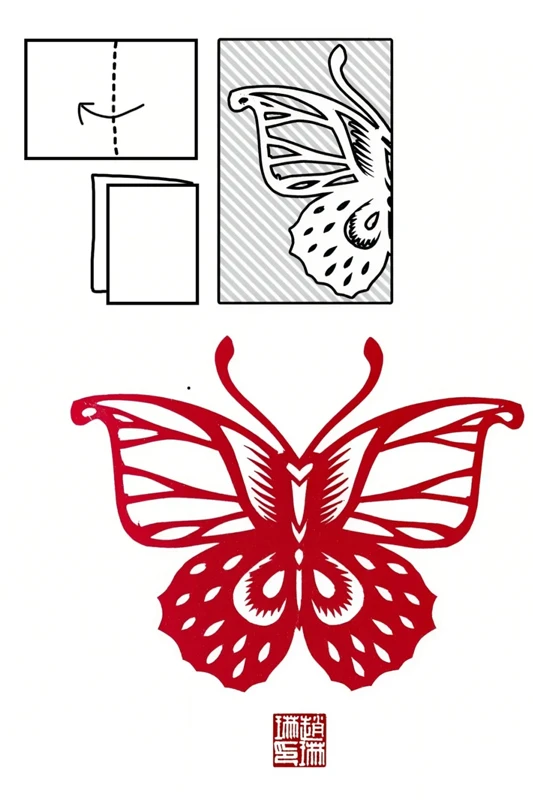
Folding paper once and cutting along the crease produces mirror images. This approach is ideal for beginners, as it yields balanced results with minimal effort. Patterns like butterflies or leaves emerge perfectly aligned, demonstrating how a simple fold can create harmony. It is a foundational skill that introduces the concept of balance in paper art.
4.2 Repeated Patterns
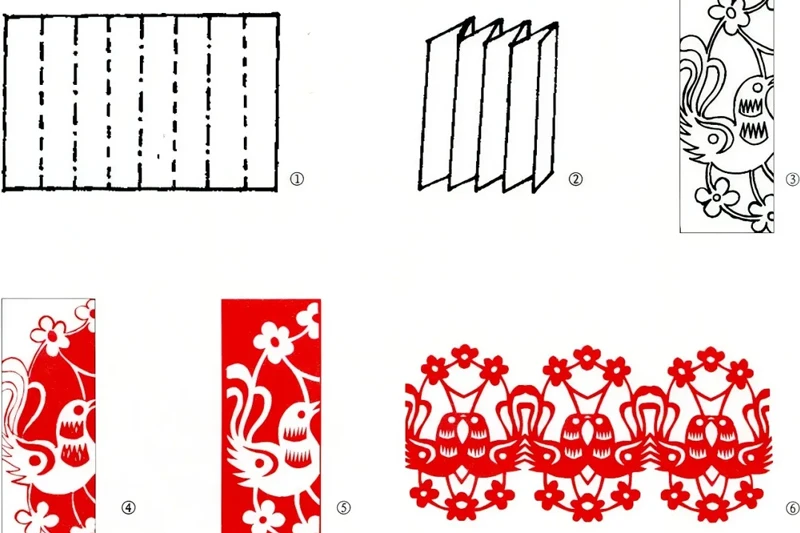
Multiple folds before cutting generate sequences of identical shapes. This technique is often used for borders or decorative edges, where repetition enhances visual rhythm. By adjusting the number of folds, one can control the density and flow of the design. It shows how repetition can turn basic cuts into intricate adornments.
4.3 Circular Compositions
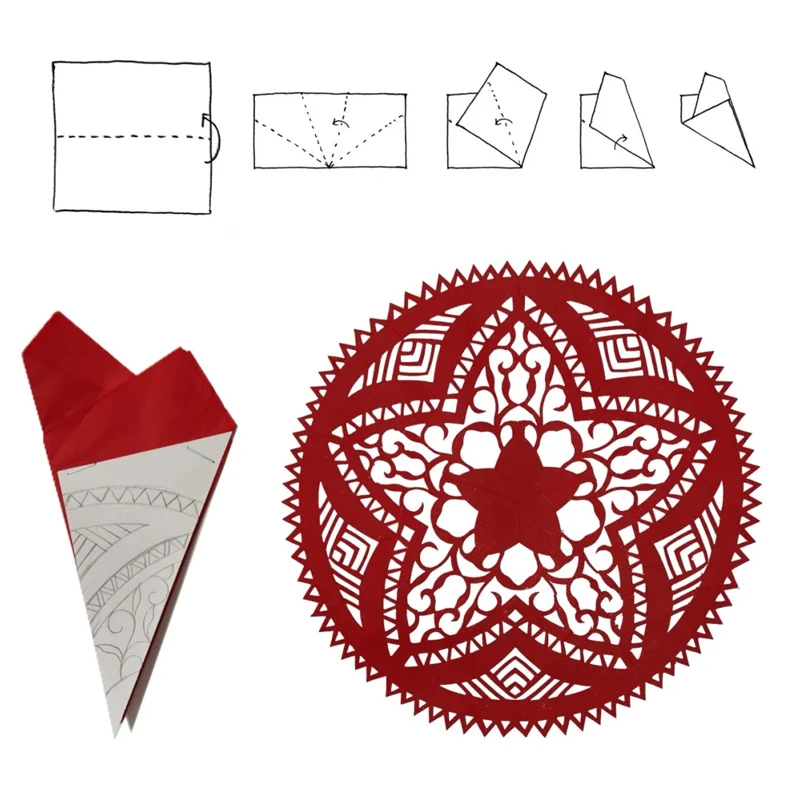
Circular paper designs involve folding paper into segments and cutting to form radial patterns. These pieces symbolize unity and fullness, frequently appearing in festive decorations. Methods like triangular or hexagonal folds determine the final shape’s complexity. Unfolding reveals a stunning, symmetrical circle that captivates with its detail.

5. Basic Shapes
The basic graphics of Paper Cuttings are the basic elements of various complex Paper Cuttings patterns. Mastering the cutting methods of these basic graphics is very important for learning Paper Cuttings. Common basic shapes include dots and crescents, zigzag textures, leaf and petal forms, etc.
5.1 Dots and Crescents
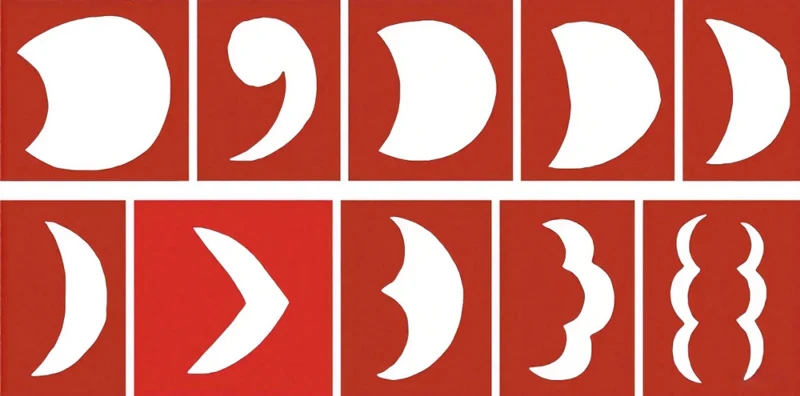
Small circles and crescent shapes serve as essential elements in paper cutting. They act as accents, similar to eyes in figures or centers in flowers. Their simplicity allows them to blend into larger works, providing subtle highlights. Mastering these forms is crucial for adding fine details that bring designs to life.
5.2 Zigzag Textures
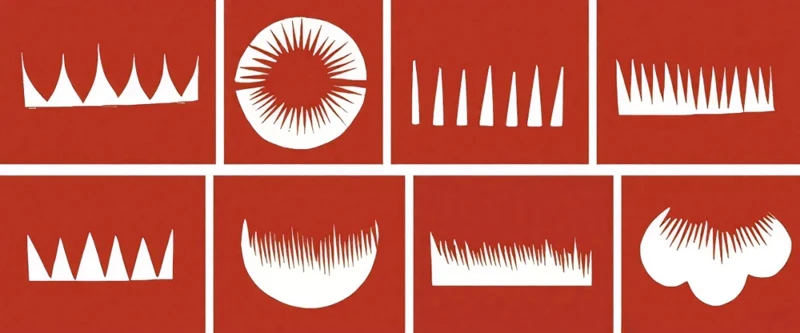
Serrated lines mimic natural textures like fur or waves. Varying the size and spacing of these cuts introduces movement and tactile quality. This element is key for depicting dynamic subjects, adding energy to static paper. It transforms flat surfaces into lively representations of nature.
5.3 Leaf and Petal Forms
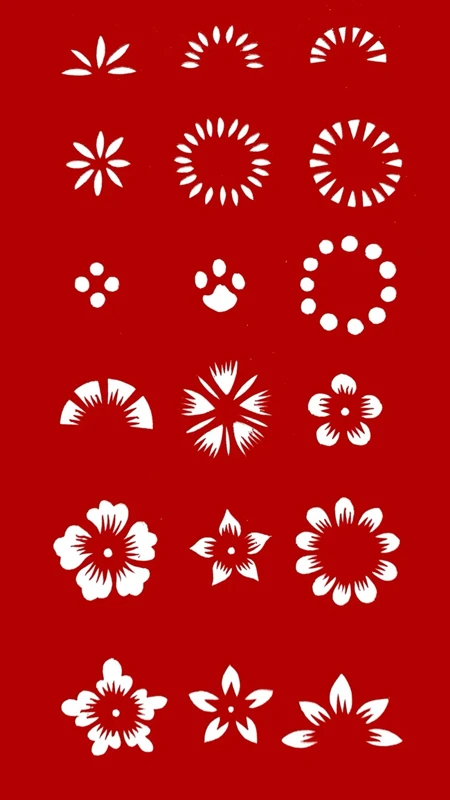
Elongated, curved shapes resemble leaves or petals, forming the core of botanical designs. Their smooth lines convey grace and growth, making them popular in floral patterns. Artists use these forms to build complex arrangements that echo organic beauty. They are versatile components in creating lifelike plants and flowers.
5.4 Flowing Clouds
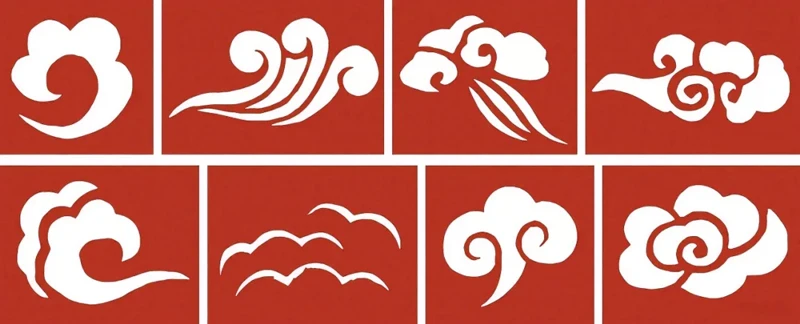
Curved, swirling lines represent clouds or auspicious symbols in paper art. These motifs add a sense of fluidity and calm to compositions. By following natural curves, they evoke serenity and motion. Such designs often carry cultural meanings, linking art to themes of luck and peace.

6. Paper Cuttings steps
6.1 Prepare materials
Paper cutting, known as Jianzhi, transforms ordinary sheets into delicate artworks. This practice began in ancient China, where people used sharp tools to create patterns for decorations and festivals. Artists typically select materials like Xuan paper (宣纸) for its flexibility, or vibrant colored papers for bold designs. With just scissors, a pencil, and a cutting mat, anyone can start this craft. It blends patience with creativity, turning simple items into expressive pieces that capture imagination and cultural motifs without complex tools.
6.2 Designing Patterns
Creating a pattern is the first creative step in paper cutting. Many begin by sketching simple shapes, such as animals or flowers, lightly with a pencil. Others find inspiration online, printing templates to trace onto paper. This phase allows for personal expression, whether drawing freehand or adapting traditional symbols like luck-bearing characters. Beginners often start with symmetrical designs to build confidence. The goal is to outline clear, manageable forms that guide the cutting process, ensuring the final piece reflects individual style while honoring classic themes.
6.3 Precise Cutting
Cutting demands steady hands and focus. Artists follow a method of working from the smallest interior details outward, using scissors to puncture tiny areas first. They keep the tool stable, rotating the paper to navigate curves and sharp angles smoothly. For long lines, continuous motion helps, while complex turns require slow, careful adjustments. This approach prevents tears and maintains clean edges. Mastering this skill involves practice to handle different pressures, ensuring each cut enhances the pattern’s intricacy without damaging the material.
6.4 Final Adjustments
After cutting, the artwork needs refining to shine. Artists erase pencil marks gently, revealing the crisp lines beneath. They might smooth rough edges or mount the piece on a contrasting background to highlight its details. This stage is about presentation—ensuring the work looks polished and ready for display. A well-finished paper cutting can adorn homes or serve as gifts, embodying the care invested in every snip. It’s a satisfying conclusion that transforms effort into a lasting, visual story.

Summary
Jianzhi, or Chinese paper-cutting, is a centuries-old art where artists use scissors or knives to transform paper into delicate decorative patterns. Recognized by UNESCO in 2009, it is a significant cultural treasure. The art form features various styles, including monochrome and colorful works, as well as three-dimensional pieces.
Techniques range from Yin Ke and Yang Ke to methods for creating symmetrical and repeated patterns. From basic shapes to complex designs, Jianzhi blends artistry with daily life, often conveying wishes and stories, and remains a vibrant traditional craft.