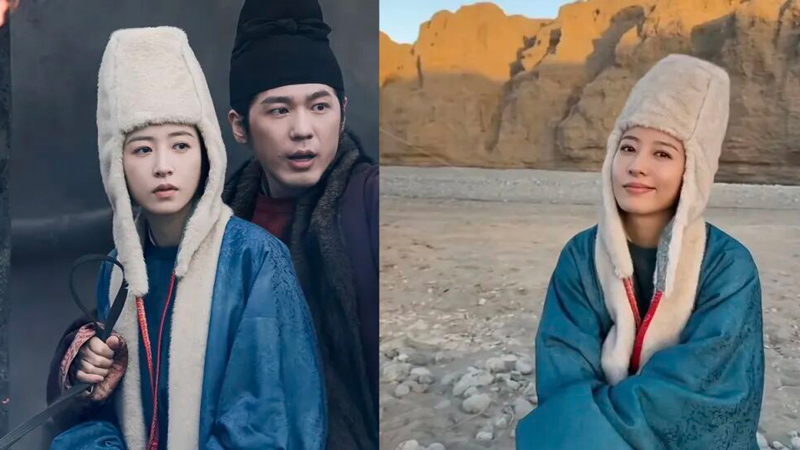
The costume design in the period drama Swords into Plowshares (太平年) has sparked lively discussion, particularly one striking accessory. Actress Zhou Yutong (周雨彤) wears a distinctive, seemingly modern-looking hat with ear flaps. Its appearance prompts a question: can such a design be historically accurate, or is it a creative anachronism?
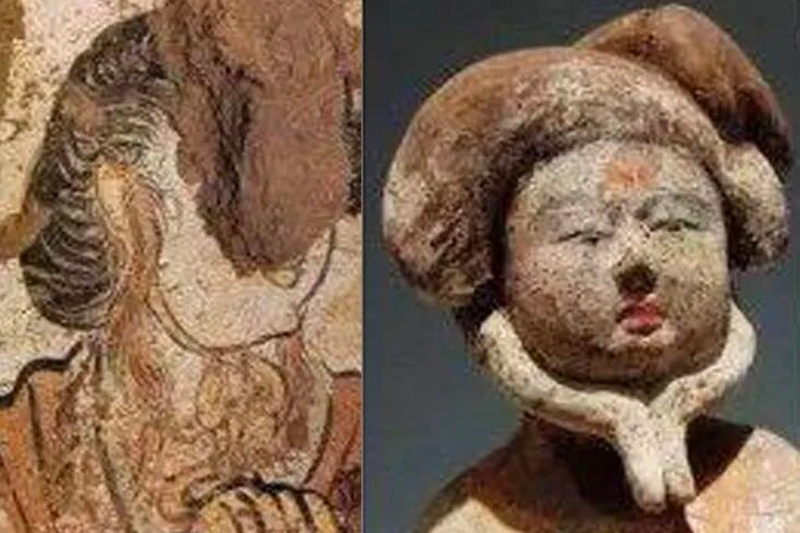
This piece of headwear is far from a modern invention. It is a faithful representation of a Feng Mao (风帽, wind hat), a practical and stylish item with deep roots in China's sartorial past. Its journey from the northern steppes to the wardrobes of the Central Plains is a story of cultural exchange, adaptation, and enduring utility.
Northern Origins
The Feng Mao finds its origins with the nomadic peoples of the northern frontiers. Designed for survival, its primary function was to shield the wearer from the harsh, biting winds and extreme cold of the steppes. The defining feature was its extended "skirt" that could be drawn to cover the ears, neck, and shoulders, creating a protective cocoon against the elements. This practical design was gender-neutral, worn by both men and women for warmth.
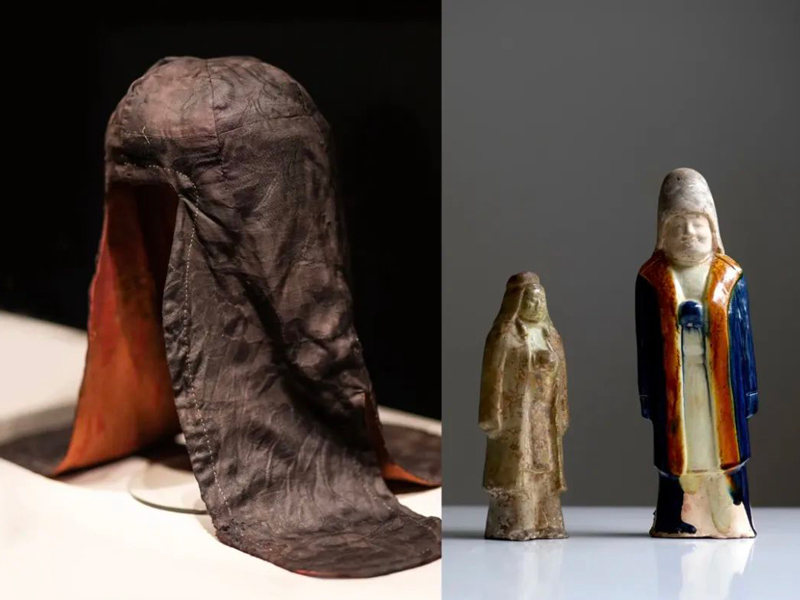
Early versions of this hat were not a single piece. Archaeological evidence from figurines of the Northern Dynasties period shows a two-part construction: a close-fitting cap for the crown of the head and separate, attachable ear flaps. This design offered targeted protection, ensuring the head's core was kept warm with denser material while allowing some flexibility. The ear covers, sometimes referred to in historical texts as Er Yi (耳衣, ear garments), could be made of felt, fur, or even embroidered silk for wealthier individuals.
The hat's integration into broader Chinese culture began with increased interaction and conflict along the northern borders. As goods, people, and ideas flowed, so did practical attire. The Feng Mao was adopted for its undeniable utility, initially maintaining its stark, functional appearance suited to military and frontier life. Its adoption marks an early example of fashion being dictated by necessity and climate.
Design Evolution
As the Feng Mao traveled south and was assimilated into the wardrobe of the Central Plains, its form and function began to shift. The most significant change was the move from a two-part to a one-piece construction. This was likely driven by a desire for even greater warmth and simpler manufacturing. Craftsmen began making the entire hat from a single piece of felt or fur, creating a seamless barrier against the cold.
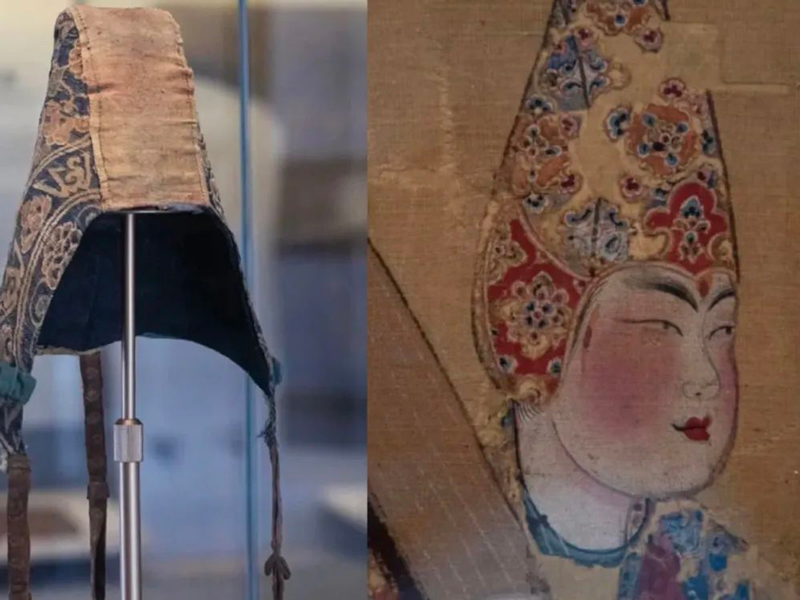
However, in more temperate regions, the thick, heavy materials of the northern steppes became impractical. The design was simplified and adapted using lighter fabrics. Luxurious brocades and embroidered silks replaced coarse wool. The hat's role expanded from purely utilitarian to a fashionable accessory. Embellishments flourished, with rich circular floral patterns and intricate motifs adoring its surface, transforming it into a statement piece.
In Swords into Plowshares, Zhou Yutong's character wears a light-colored, fur-trimmed version paired with a round-collar robe. While the ensemble is historically plausible, the choice of a pristine, pale fur is a stylistic one. Historically, such light colors would have been impractical for daily wear, quickly showing dirt. The drama's costume designers thus balanced historical inspiration with visual appeal, using the hat to signify both status and the seasonal setting.
A Cultural Journey
The transformation of the Feng Mao is a clear narrative of cultural synthesis. What began as a nomadic tool for survival was refined and embellished, absorbing Han aesthetic sensibilities. It became a popular winter item across society, its practicality never overshadowed by its newfound elegance. Its typical pairing with the round-collar robe in artwork and records solidifies its place in the formal and informal dress of several dynasties.
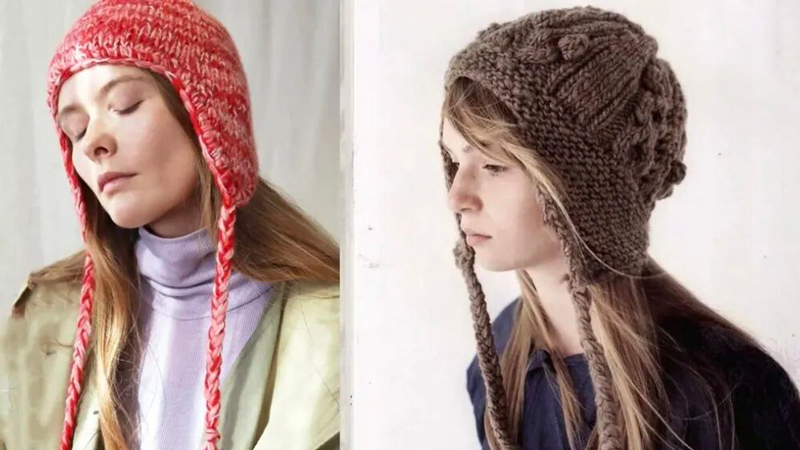
This hat's legacy is a testament to good design. The core concept—a connected hood with integrated ear protection—is timeless. Its modern descendants are ubiquitous: the knitted beanie with fold-down ear flaps worn globally in winter is a direct, simplified heir to the Feng Mao. The principle remains unchanged, only the materials and production methods have advanced.
Ultimately, the initial surprise at seeing this hat in a historical drama reveals our own assumptions about the past. It challenges the notion that historical fashion was always radically different or less sophisticated. The Feng Mao stands as a reminder that practicality, cross-cultural exchange, and the desire for beauty are constants. Its appearance on screen is not an error, but a small, accurate homage to a versatile piece of heritage that, in spirit, has never truly gone out of style.