
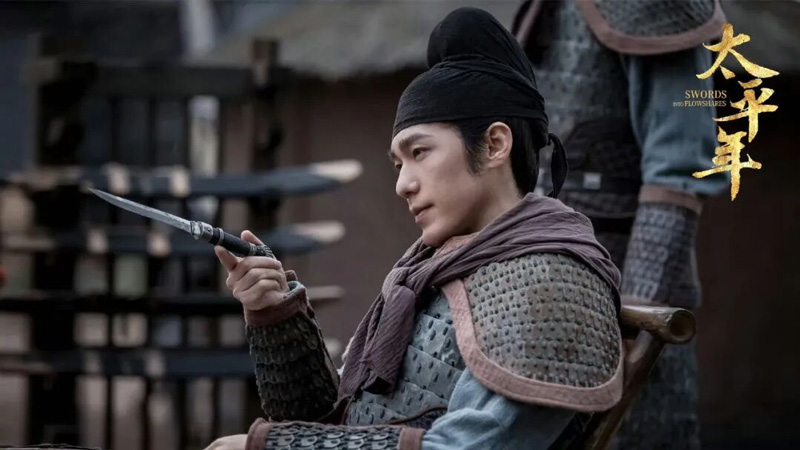
Historical dramas are more than just costumes and court intrigue. Shows like Swords into Plowshares (太平年), set in the tumultuous Five Dynasties and Ten Kingdoms period, offer a masterclass in human dynamics and strategic thinking. The challenges faced by rulers and ministers centuries ago—managing alliances, asserting authority, navigating crises—mirror the complex interpersonal landscapes of modern offices and boardrooms. By observing the characters' choices, we uncover timeless principles of influence, communication, and leadership that are startlingly applicable to today's professional world. Let's examine two pivotal scenes from the drama that hold powerful workplace wisdom.
The Weight of Words
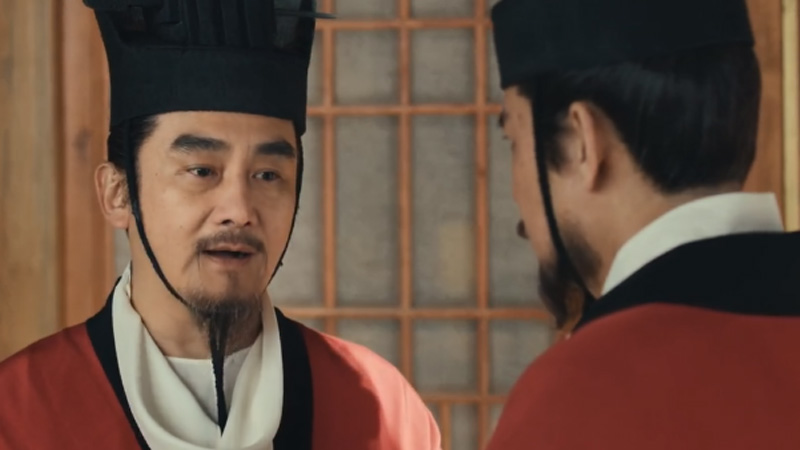
Early in Swords into Plowshares, the young king Qian Hongzuo (钱弘佐) ascends the throne of Wuyue. To consolidate his power, he makes a drastic move: imprisoning his influential elder brother, Qian Hongjun (钱弘俊), and stripping his other brother, Qian Hongyou (钱弘侑), of rank. Their father, Qian Yuanyi (钱元懿), is desperate. He seeks help from the seasoned minister, Yuande Zhao (元德昭), pleading for him to intercede with the new king.
Yuande Zhao offers crucial counsel. He advises that the plea must come from a different voice. He suggests that Shuiqiu Zhaojuan (水丘昭券), another trusted advisor, should be the one to speak to Qian Hongzuo. The father follows this advice. In a private audience, Shuiqiu Zhaojuan carefully presents the case for the elder brother's innocence, appealing to the king's sense of justice and family duty. The strategy works. Qian Hongzuo listens and ultimately releases his brother.
This scene teaches a fundamental lesson about influence. The same message carries vastly different weight depending on the messenger. In an office, a proposal might be ignored from a junior employee but embraced when presented by a respected team lead. Understanding the network of trust, authority, and relationships within your organization is key. Before delivering important feedback or pitching an idea, consider who has the credibility and the right relationship to make it resonate. Timing is equally crucial; the same request can be rejected in a period of stress but welcomed during a calm moment.
First, Draw a Line
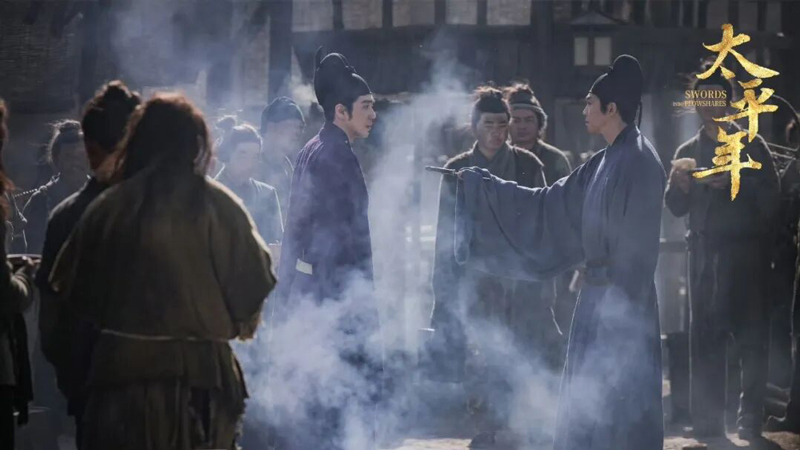
Later, the capital city of Bianliang is under siege. The chancellor, Feng Dao (冯道), orders the city to hold for ten days. Inside the walls, a large group of refugees must be managed to prevent chaos. The task falls to two characters: Guo Rong (郭荣) and the young Qian Hongchu (钱弘俶).
Guo Rong addresses the refugees, laying down clear rules for conduct and assigning tasks to maintain order. The next day, during food distribution, one refugee breaks ranks and rushes forward to grab supplies. Without hesitation, Guo Rong executes the man on the spot. In a subsequent conversation with Qian Hongchu, he admits the action was severe, even unjust. Yet, he explains it was necessary. In that volatile moment, immediate and decisive action was the most effective way to re-establish authority and prevent a massive, deadly riot.
The workplace parallel is clear, especially for new teams or projects. The initial phase must involve establishing unambiguous rules and role definitions. What are the deadlines? What is the chain of command? What behavior is unacceptable? This "drawing of a line" sets expectations and prevents minor issues from escalating. Just as Guo Rong had to act decisively to preserve the larger group's safety, a manager must sometimes make tough calls—like reassigning or even dismissing a disruptive team member—to protect the team's morale and productivity. Private negotiation is the channel for discontent, not public defiance.
Wisdom for the Modern Arena
These stories from Swords into Plowshares are not about endorsing harshness or manipulation. They are about understanding the levers of human psychology within hierarchical structures. The first lesson emphasizes strategic communication—knowing your audience and the most persuasive channel. The second highlights the importance of foundational structure and the consistent application of agreed-upon norms to maintain a functional environment.
In our careers, we are all messengers and rule-makers in different contexts. Whether you are leading a meeting, onboarding a new colleague, or navigating office politics, the ancient drama plays out anew. Who will listen to your idea? Have you built the credibility to be heard? What are the non-negotiable rules for your team's collaboration? Answering these questions thoughtfully is the essence of professional wisdom.
Ultimately, Swords into Plowshares reminds us that while technology and jargon change, the core challenges of working with others remain constant. Success depends less on rigid formulas and more on perceptive judgment—knowing when to speak and when to let others speak, when to be flexible and when to firmly uphold a boundary. This nuanced understanding, learned from a king's court or a manager's desk, is what separates simple task-completion from true leadership.
