Article
Search results:
-
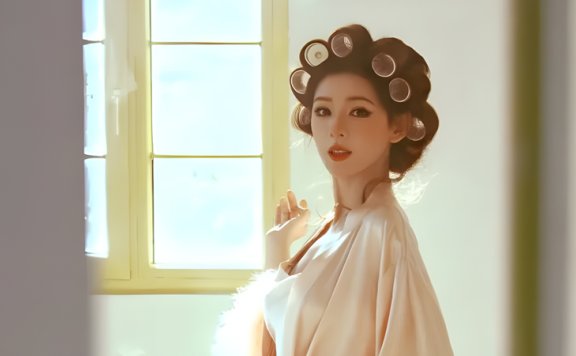
Zhang Yuxi Channels 1920s Shanghai Glamour in Stunning Shoot
Can One Woman Channel the Glamour of 1920s Shanghai? Zhang Yuxi's (张予曦) Latest Look Says Yes! In a world saturated with fast fashion and fleeting trends, true elegance often whispers rather than shouts. Recently, Chinese actress Zhang Yuxi delivered a visual masterclass in quiet sophistication, and the internet took notice. She didn't just wear a new outfit; she embodied an era. Her latest photoshoot, inspired by the romanticized aesthetic of old Shanghai, has sparked a wave of admiration, proving that some styles are truly timeless. By stepping into the role of a modern-day Min Guo (民国) socialite, she has reminded us of the power of atmosphere, texture, and the delicate balance between comfort and luxury. It is a look that feels both nostalgic and refreshingly new, captivating audiences and fashion enthusiasts alike with its understated drama. A Toast to Textures The foundation of this stunning visual narrative lies in the meticulous selection of fabrics and silhouettes. Zhang Yuxi is pictured in a coordinated set of champagne-pink satin loungewear. The inner layer is a simple, slip-style camisole dress that catches the light softly, its smooth, matte finish draping elegantly to suggest rather than reveal her form. This choice of base is… -
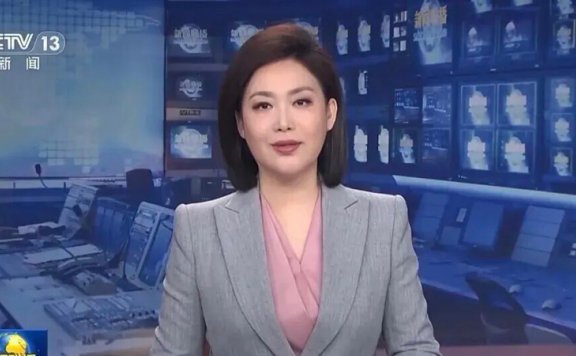
Why a Collar Direction Sparked a Cultural Debate
When a Xinwen Lianbo (新闻联播) anchor recently appeared on screen, some viewers didn't focus on the news she delivered. They stared at her collar instead. Comments flooded social media, with many insisting she had worn it backwards. Was it really such a big deal? For those who understand traditional Chinese clothing, yes, it was. The controversy touches on something much deeper than a simple wardrobe malfunction. It's about Hanfu, the traditional clothing of the Han Chinese people, and a small detail called the collar closure. This detail, known as right closure or left closure, carries thousands of years of history, identity, and even matters of life and death. Here is why a seemingly minor clothing choice can spark such strong reactions. Right Side, Right Identity The basic rule is simple: traditional Han Chinese clothing typically uses right closure. This means the left side of the garment crosses over the right side, creating a y-shaped collar that opens toward the right. From the wearer's perspective, the right side ends up underneath. This wasn't just a random fashion choice. It grew out of daily life. Ancient Han Chinese society was built on farming. Most people were right-handed. They used their right hand… -
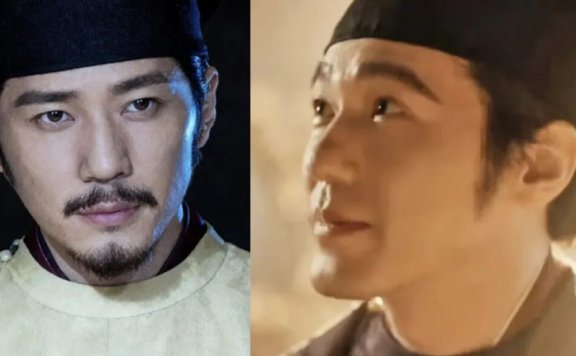
Why Modern Chinese Men No Longer Grow Beards?
When Qian Chu (钱弘俶) appeared in the new historical drama Swords into Plowshares (太平年) sporting a thick beard, Chinese social media erupted. Viewers noted how the facial hair, paired with traditional Hanfu, transformed the characters appearance, lending an air of authority and maturity that a clean-shaven face simply could not achieve. This sparked a curious debate: why did beards, once an essential marker of manhood for centuries, virtually disappear from the faces of modern Chinese men? To the ancients, a beard was far more than mere hair. It was a symbol of wisdom, a marker of social status, and an integral part of one's identity. Historical records are filled with tales of men who took extraordinary care of their facial hair. The Tang Emperor Taizong (唐太宗) cultivated a curly beard to project an image of unshakeable power. The famous official Cao Cao (曹操) was so protective of his beard that he wrapped it in a silk bag before sleeping. These weren't just eccentricities; they reflected a deep-seated cultural value where a well-kept beard was a source of pride and a visual representation of one's character. Even the great judge Di Renjie (狄仁杰), before facing danger in a duel, would take… -
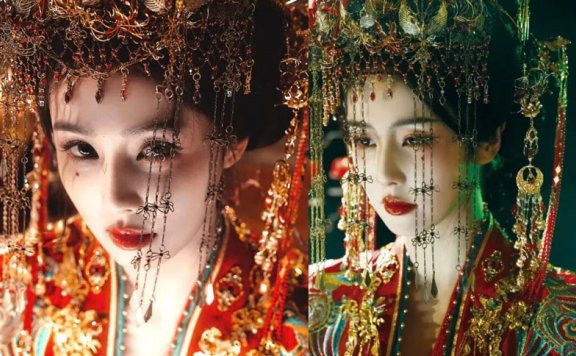
Why Bai Lu’s Ghost Bride Headdress Evokes Chinese Gothic Horror
Bai Lu's (白鹿) latest promotional images for the costume drama Unveil: Jadewind (唐宫奇案之青雾风鸣) have ignited a firestorm of discussion online. Dressed as a spectral bride, she presents an image that is both captivating and deeply unsettling. The elaborate headpiece, with its curtain of beads obscuring her face, has left many viewers asking a single, chilling question: why does this particular style of wedding attire evoke such a strong sense of Chinese gothic horror? A Headpiece Lost in Time The answer lies not in the Tang Dynasty setting of the show, but in a much later period of Chinese history. The crown worn by Bai Lu is a stylistic echo of the phoenix crowns popular during the late Qing Dynasty and the early Republican era. Unlike the strictly regulated imperial crowns of earlier dynasties, these later versions became accessible to common women for their wedding day. This period saw a flourishing of craftsmanship, but also a tendency to blend various decorative elements, resulting in a style that felt less restrained and more eclectic than its predecessors. It was a time when the phoenix crown, once a symbol of elite status, became democratized, leading to regional variations and a profusion of folk… -
What Collar and Sleeve Reveal About Leadership
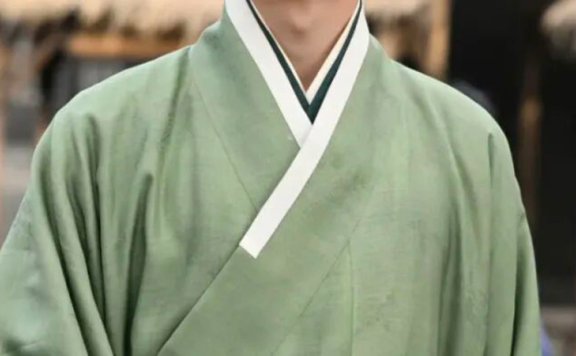
Have you ever stopped to think that one of the most powerful words for a leader originally referred to the parts of a garment most likely to get dirty? In Chinese, the term for leader, Lingxiu (领袖), is a compound of two everyday words: collar and sleeve. It’s a Linguistic oddity that begs the question: how did the highest part of a shirt and the end of an armhole become synonymous with guiding nations and shaping history? This journey from practical clothing to profound metaphor reveals a fascinating story about how a culture views authority, integrity, and the very fabric of social standing. Where the Word Takes the Lead The story begins with the collar, known in ancient texts as the Ling. It wasn't just a functional piece of fabric. In the Han Dynasty, a scholar named Liu Xi (刘熙) wrote in his etymological dictionary, Shi Ming (释名), that the collar was the "head" of the garment. Positioned at the very top, near a person's head, it was the most visible and commanding part of an outfit. It framed the face and, when made stiff and upright, projected an image of discipline and rectitude. Think of it as the original… -
Traditional Hanfu Meets Modern Fashion on the Spring Festival Gala
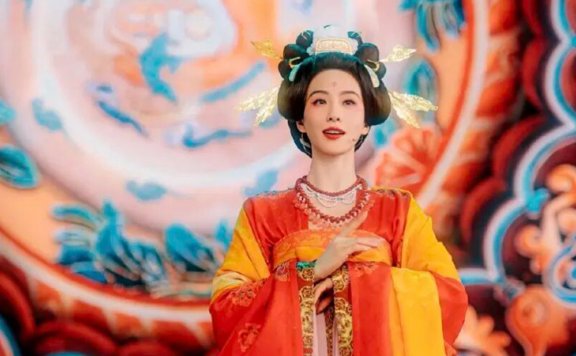
For years, a quiet yet persistent question has floated among viewers right before the Lunar New Year's Eve: Will traditional Hanfu make an appearance on the Spring Festival Gala this time? It is a query loaded with anticipation, reflecting a growing public desire to see China's own historical attire celebrated on its biggest television stage. The answer is rarely straightforward, often involving a mix of subtle nods, full-blown spectacles, and sometimes, controversial misses. By looking back at recent galas, we can trace a fascinating journey of how Hanfu has gradually, and sometimes awkwardly, found its place in the national spotlight, moving from a niche interest to a topic of mainstream discussion. A Glimpse of Glory and a Dash of Modernity The most recent Spring Festival Gala, in 2025, offered a mixed bag for Hanfu enthusiasts. It did not feature a dedicated segment for traditional clothing, yet the attire was undeniably present. The opening sequence showcased internet celebrity Li Ziqi (李子柒), who wore an outfit inspired by Ming-style Hanfu. It featured a standing collar and a diagonal closure, but it was noticeably tailored with modern, figure-hugging techniques, a departure from the looser fit of historical garments. The piece cleverly retained traditional… -
The Visual Art of Yu Wanyin’s Iconic Look
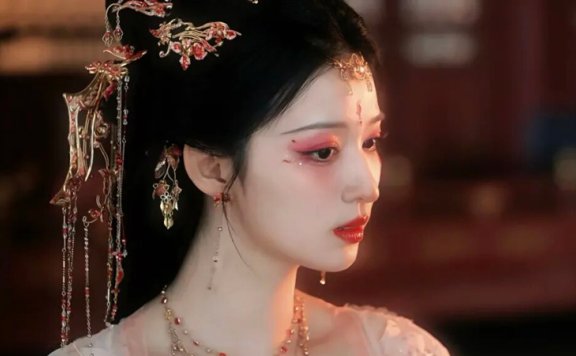
After roles like the gentle Liu Miantang (柳眠棠) in Are You the One (柳舟记) and the fiery Zhang Bihan (张妼晗) in Serenade of Peaceful Joy (清平乐), actress Wang Churan (王楚然) seemed to many viewers like the quintessential "pleasant white rabbit" of Song dynasty aesthetics. Her image was one of clean lines, delicate beauty, and a certain approachable elegance. This made her latest transformation all the more shocking. In the new hit series How Dare You (成何体统), she emerges not as a demure maiden, but as Yu Wanyin (庾晚音), a character the internet has unanimously dubbed a "seductive concubine" or Yao Fei (妖妃). This isn't just a new role; it's a complete visual and persona overhaul. How did the creative team behind the series and Wang Churan herself engineer this mesmerizing metamorphosis from approachable Song-style beauty to an unforgettable, almost otherworldly seductress? The answer lies in a deliberate and masterful deconstruction of her previous image, using bold makeup, unique accessories, and a strategic embrace of visual extravagance. The Eyes of a Fox Spirit The most immediate and arresting change is in her eyes. In How Dare You, Wang Churan's eye makeup is a departure from the clean, understated looks of her… -
The Art of Han Xue’s Iconic Mermaid Gown Look
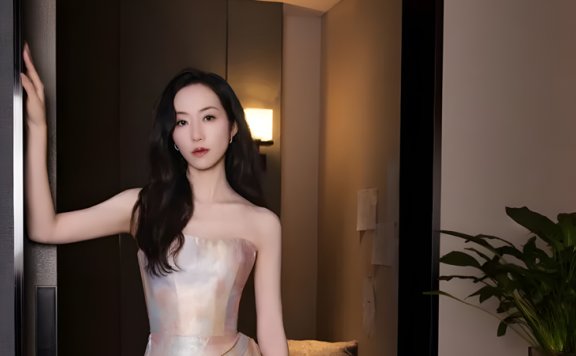
Han Xue (韩雪) has done it again. The internet is collectively catching its breath over her latest appearance, where she stepped out in a mesmerizing iridescent mermaid gown. It is the kind of visual that stops you mid-scroll, a perfect blend of fairytale fantasy and red-carpet reality. The question on everyone's mind is simple: has she just redefined the ceiling for elegant dressing? This article breaks down the stunning look, the public's reaction, and the philosophy behind an actress who has mastered the art of presence. A Gown Woven from Twilight The centerpiece of this unforgettable look is, without a doubt, the dress. It is a strapless mermaid gown that seems to capture light and transform it. The fabric, a special pearlescent material, shifts between shades of pink and purple, creating a rainbow effect that one observer poetically described as looking like twilight woven into silk. It is not just a color; it is an atmosphere. The choice of this Ren Yu Ji (人鱼姬), or "mermaid princess," material is a bold one—it can easily look cheap or costume-like—but on her, it radiates a high-end, almost otherworldly glow. The cut of the gown is equally deliberate. The strapless design cleanly showcases… -
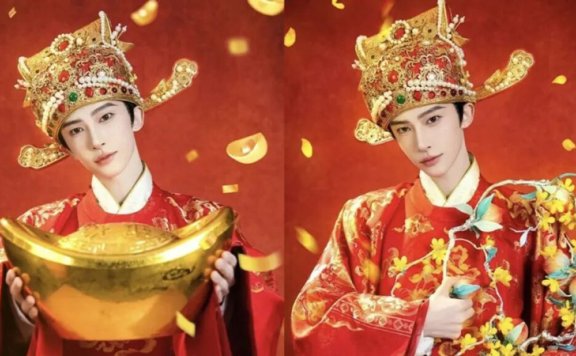
Liu Yu's Cai Shen Outfit on Spring Festival Gala
When Liu Yu (刘宇) appeared on Henan (河南) Satellite TV's Spring Festival Gala dressed as Cai Shen (财神), the God of Wealth, social media lit up. It wasn't just his performance that caught the eye, but the outfit itself. With a glittering hat adorned with golden coins, a vibrant red round-collared robe, and a gleaming gold ingot in hand, the look was unmistakable. This costume raises a fascinating question: Where did this instantly recognizable image of the God of Wealth come from? It's a uniform look we see on TV, in folk art, and on New Year paintings. Yet, a deep dive into history reveals this "classic" look is a relatively modern invention, shaped by centuries of artistic imagination and theatrical flair. Gods Dressed by Imagination To understand the God of Wealth's hat, one must look at ancient religious art. The signature hat isn't a historical official's cap but a creative evolution of the Ming-style Fu Tou (幞头) headwear. In Yuan and Ming dynasty religious paintings like the famous Court Procession (朝元图), artists depicted deities in spectacular, otherworldly attire. While they borrowed elements from real-life clothing, they amplified them with imaginative details. These paintings show gods wearing crowns adorned with… -
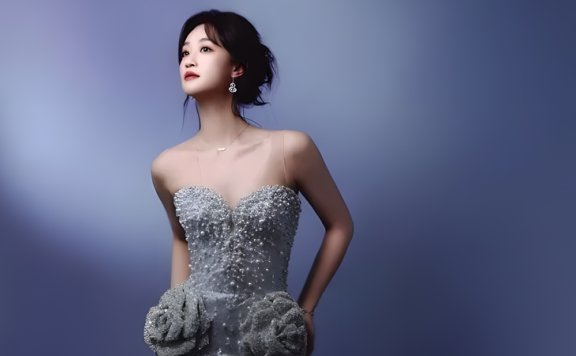
Lan Yingying Shines Like the Milky Way in a Silver-Gray Gown
Is Lan Yingying (蓝盈莹) Wearing the Milky Way? The Silver-Gray Silhouette That Just Redefined Red Carpet Glamour. When Lan Yingying stepped onto the red carpet, the usual flash of cameras seemed to dim, replaced by a soft, celestial glow emanating from her gown. In an instant, she was no longer just an actress attending an event; she was a narrative, a visual poem pulled directly from the cosmos. Clad in a silver-gray mermaid dress, she didn't just wear a garment; she embodied a concept—the ethereal beauty of a galaxy spun into fabric. It was a moment that transcended mere fashion, sparking immediate awe and a flurry of admiration from fans and critics alike. The look was a masterclass in balance, merging the cool precision of haute couture with the organic allure of starlight, and it firmly established her as a visionary force on the style scene. Stitched in Starlight The genius of the ensemble lay in its intricate details, each element working in harmony to create an unforgettable whole. The sweetheart neckline was a deliberate, artful choice, framing her delicate collarbone and the elegant curve of her shoulders with a precision that felt both modern and timeless. It wasn't just… -
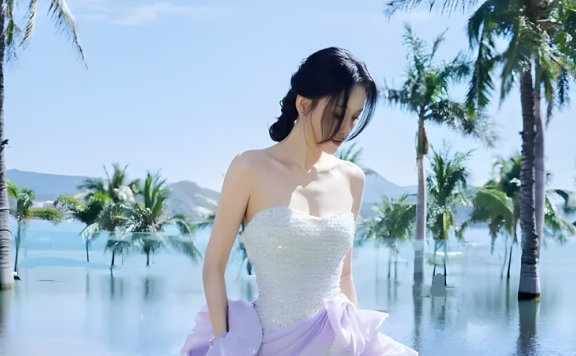
Joe Chen’s Stunning White & Purple Mermaid Gown in Hainan
At 46, Taiwanese actress Joe Chen has once again captured the public's attention, not with a new drama, but with a stunning beach look that has sparked widespread discussion. In an industry obsessed with ageless beauty, she presents a compelling case study: how does a star maintain relevance and freshness after decades in the spotlight? Her recent appearance in Hainan, featuring a white and purple mermaid dress, offers more than just a fashion moment. It reflects a deliberate evolution in personal style, a shift in life priorities, and the palpable influence of a fulfilling marriage. A Symphony in White and Purple The setting was a sun-drenched Hainan island, with swaying coconut palms and clear blue waters providing a natural backdrop. But the real spectacle was Joe Chen. She wore a custom-fit, strapless mermaid gown, its silhouette hugging her form before flaring gently at the hem. The dress was covered in shimmering silver crystals that caught the sunlight, making her appear as if she had gathered fragments of the beach's sparkle. Yet, the masterstroke was the large, three-dimensional purple gauze flower adorning her waist. This soft lavender element tempered the dress's inherent glamour, adding a layer of ethereal grace. It was… -
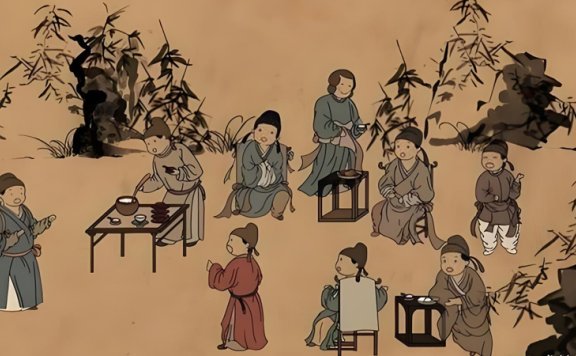
How Students in Ancient China Spent Their School Breaks
Imagine a world without smartphones, video games, or high-speed internet. For a student in ancient China, a break from school meant something entirely different from today's scrolling and streaming. It was a time for harvesting rice, packing warm clothes for winter, or simply wandering through mountains with a sword by your side. The structure of their academic year held secrets to a life where work and rest were deeply connected to the seasons and the land. Let's step back in time to discover how the scholars of dynasties past spent their days off—and what their timeless rhythms can teach us about finding balance in our own hectic lives. Official Leaves: Han Taixue to Tang Academies The concept of a government-approved vacation is far from modern. During the Han Dynasty (汉代), the prestigious Taixue (太学) had rules written into law. According to the Han Code (汉律), students and officials were entitled to a day of rest every five days, a rhythm that functioned Much like our weekend. This was known as Mu (沐), a day specifically for bathing and cleansing oneself, highlighting how personal care was woven into the official schedule. These breaks were not just about rest; they were essential… -
How Ancient Chinese Found Joy Without Phones
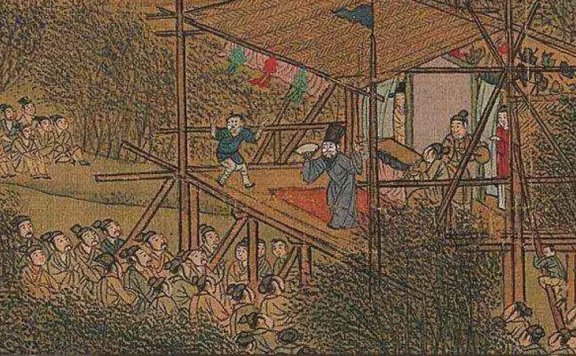
Imagine a day without your phone. No scrolling, no pinging, no pocket-sized portal to the world. For most of us, that sounds less like a break and more like a punishment. Yet, for centuries, that was the only reality. How did our ancestors fill the hours, fight boredom, and find joy without a single byte of digital distraction? Did they just sit around, staring at walls? Far from it. Their world was not one of dull emptiness, but of vibrant, hands-on fun. From the dusty fields of the Han Dynasty to the bustling teahouses of the Republic era, the history of Chinese entertainment is a testament to human creativity. It’s a story of turning simple moments—a kick of a ball, a sip of tea, a well-told joke—into the very fabric of a rich social life. Let's put down our devices for a moment and step into their world. Rituals to Kicking Off The very first "entertainment" in ancient China wasn't for fun at all—at least, not at first. It was born from ritual. In primitive societies, people danced and sang not in nightclubs, but to honor spirits and gods. These acts of worship, filled with rhythm and movement, were the… -
A Vase Speaks: The Soul of a Tang Dynasty Relic
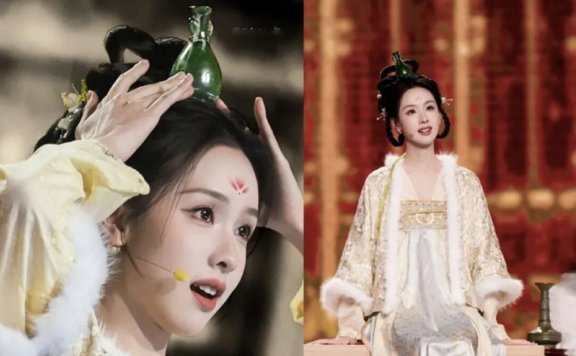
In a recent cultural variety show, actor Chen Duling (陈都灵) moved audiences to tears by portraying not a person, but a relic. She embodied the Tang Dynasty Glazed Twin-Handled Vase from the Palace Museum. Before restoration, this artifact had no elegant name—only a cold serial number: 3054. Her performance, paired with a poignant line about being "locked in a dark box, displaced and wandering," ignited a powerful online conversation about history, loss, and the fragile nature of protection. But it was a simple observation from actor Huang Jue (黄觉)—"It looks like you have been well protected"—that truly resonated, encapsulating generations of hardship and the quiet dignity of cultural preservation. A Vessel, Not Just a Number Chen Duling's costume was a masterpiece of storytelling. She wore a Qixiong Shanqun (齐胸衫裙), a chest-high skirt, paired with a Duijin Pi'ao (对襟披袄), a front-opening robe. Her forehead was adorned with a Hua Dian (花钿), a traditional floral decal. The soft, fuzzy texture of the garment immediately suggested something precious and well-cared-for. The intricate Lianzhu Wen (联珠纹), a pattern of connected circles indicating cultural fusion along the Silk Road, decorated her collar and skirt. Her hair, styled into twin buns, cleverly mirrored the vase's two… -
Swords into Plowshares: The Brainy Historical Epic Worth the Effort
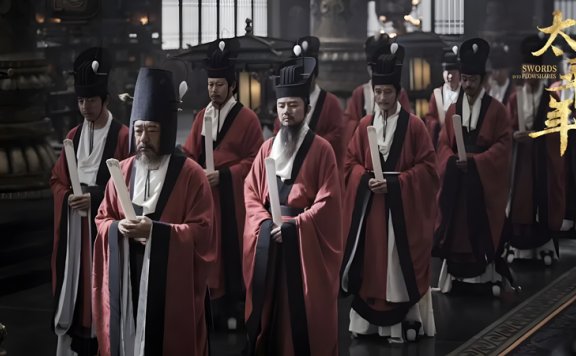
Starting Swords into Plowshares (太平年) feels less like leisure and more like an abrupt dive into a historical labyrinth. It opens with a brutal scene that grabs attention, but soon swaps simplicity for dense, semi-classical dialogue and a whirlwind of political factions. Viewers find themselves in the tumultuous Five Dynasties and Ten Kingdoms, a period so briefly taught that even dedicated students feel lost. This complexity splits audience opinion. On Douban (豆瓣), criticism centers on confusion, while praise highlights intellectual reward. Meanwhile, Xiaohongshu users fervently exchange explanatory notes, treating each episode as a puzzle. Its top-tier ratings, including from CVB, show a curious trend: many embrace the mental exertion. The drama questions modern viewing habits. Instead of passive consumption, it insists on engagement, making its difficulty not a barrier but a distinctive, debated feature of its identity. Patience Rewarded: Chaos Unveils Historical Depth Many television shows try to make viewing easy. The new series Swords into Plowshares does the opposite. It presents a sprawling, complex narrative set in a tumultuous historical period, demanding focus and patience from its audience. This initially daunting approach has divided viewers, but for those who persist, a rich and rewarding story unfolds. The Confusing Opening… -
5 Must-Watch Chinese Costume Dramas Shaping a New Narrative Trend
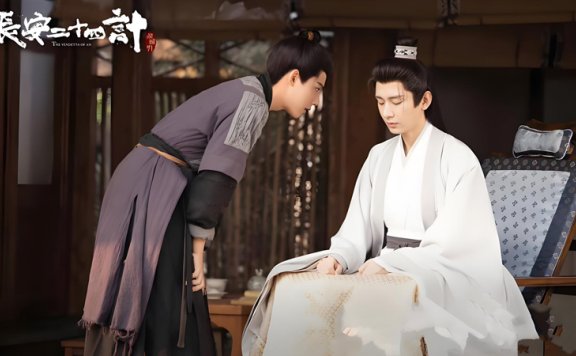
The landscape of Chinese costume drama is undergoing a quiet but significant evolution. As evidenced by five recent standout series, the genre is moving beyond epic battles and fantastical romance toward a new paradigm defined by intellectual depth and narrative precision. These shows—from investigative procedurals to historical political dramas—prioritize specialized knowledge, mature character dynamics, and sophisticated genre blending. Their collective success, often fueled by word-of-mouth rather than sheer promotional might, signals a discerning audience appetite for substance. This trend marks a maturation of the genre, where compelling storytelling is built not on scale, but on the solid foundations of logic, character integrity, and innovative conceptual hooks. The Imperial Coroner 2 (御赐小仵作2) The sequel to the sleeper hit The Imperial Coroner demonstrates that a loyal audience awaits well-crafted stories. The Imperial Coroner 2 reunites the original cast after five years, a rare move that pays off by preserving the unique dynamic fans loved. The series follows the married forensic examiner Chu Chu (楚楚) and her husband, the imperial official Xiao Jinyu (萧瑾瑜), as they lead the judicial department. Their partnership now operates on both professional and personal levels. What sets this show apart is its effortless blend of a tightly-plotted investigative… -
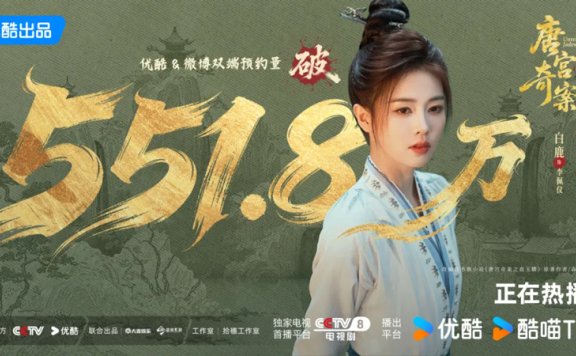
A Tang Palace Mystery Rooted in Female Grit in Unveil: Jadewind
Amidst a sea of predictable plots, Unveil: Jadewind (唐宫奇案之青雾风鸣) introduces a compelling shift by anchoring its story in procedural realism and female expertise. Set within the intricate bureaucracy of the Song (宋) dynasty, it follows Zhao Ming (赵明), a meticulous investigator whose authority stems from her deep understanding of court protocols. She dissects clues without supernatural aid, relying instead on astute observation and logical deduction. Here, the palace operates as a structured institution, with clear roles and responsibilities. Zhao Ming's collaboration with Scholar Li (李学者) emphasizes professional synergy over romantic entanglement, reflecting a modern approach to partnership. The narrative avoids sensationalism, focusing instead on the subtle mechanics of power and perception. This series transforms historical setting into a lens for examining systemic dynamics, offering viewers a nuanced perspective on agency and hierarchy. Its grounded storytelling provides a refreshing alternative to ornate dramas, proving that depth can arise from simplicity and intelligence. Tang Dynasty Shadows: A Palace of Truth and Illusion In a landscape saturated with historical fantasy, one series dares to reimagine the past not as a backdrop for romance, but as the intricate, breathing machinery of a mystery. This is not merely a costume drama; it is an architectural… -
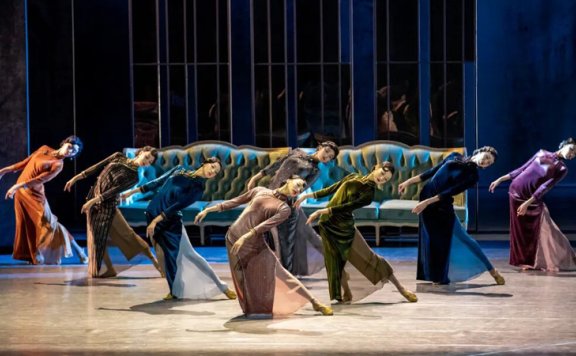
The Acclaimed Dance Drama The Eternal Wave
In June 2026, the stage of the Quanzhou Grand Theatre (泉州大剧院) will become a portal. It will not transport the audience to a fantastical realm, but to the rain-slicked, shadowy streets of 1940s Shanghai, a city whispering with secrets and danger. Here, the acclaimed dance drama The Eternal Wave (永不消逝的电波) will make its stop, offering not a spoken word, yet promising to communicate a story of immense courage, love, and sacrifice. This is not merely a performance; it is an immersive ritual of remembrance, using the eloquent language of the body to resurrect the silent heroes who fought in the shadows. Performance Time: June 19-21, 2026 Venue: Quanzhou Grand Theatre The Pulse Within the Silence At its heart, The Eternal Wave tells the true story of Li Bai (李白), a communist operative who risked everything to transmit crucial intelligence from occupied Shanghai. The narrative unfolds through a masterful synergy of movement and atmosphere. Dancers become the living text. A taut limb signifies tension; a fleeting, intimate touch conveys volumes of unspoken affection and shared purpose. The hustle of the city, the paranoia of a tail, the quiet desperation of a covert life—all are expressed through choreography that is both brutally… -
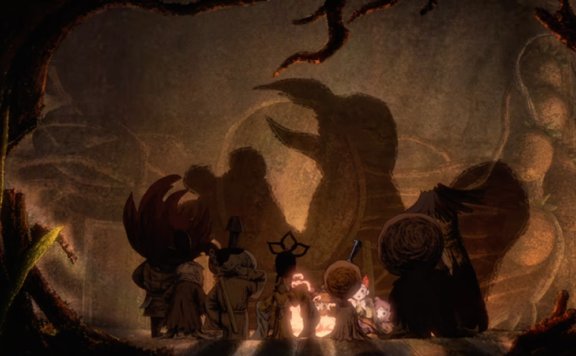
The Great Bird: Guarding Innocence in the Gloom of a War-Torn World
What does it mean to hold onto innocence in a world designed to crush it? The animated short The Great Bird, part of the acclaimed anthology Yao-Chinese Folktales 2 (中国奇谭2), offers no easy answers. Directed by Du Pengpeng (杜鹏鹏), this piece stands apart. It is not a comforting, warm tale of Guochao (国潮) aesthetics, but rather a somber, magical-realist fable wrapped in the visual language of traditional Chinese art. Set against the backdrop of a war-torn, occupied region known as Zenan (泽南), the story follows two marginalized souls. Their struggle is not for glory, but for the preservation of a fragile, personal light in overwhelming darkness. Without resorting to sentimentality, every frame of this film conveys a profound, aching melancholy that lingers long after the screen goes dark. Two Souls, One Refuge The film's heart lies in the quiet, desperate guardianship between a young girl, Zhen'er (珍儿), and an older man, Bao Shan (保山). Orphaned and marked by a facial birthmark, Zhen'er lives a meager existence with only two ducks for company. Her sole purpose is collecting duck feathers, believing they are from a mythical Great Bird whose arrival will end her suffering. Bao Shan, a scarred former soldier with… -
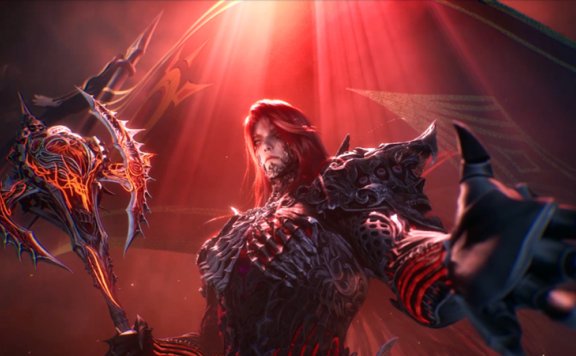
The Peerless Tang Clan: Why Two Holy Maidens Faced Fates Apart
In the sprawling universe of The Peerless Tang Clan (绝世唐门), few organizations evoke as much dread as the Shengling Jiao (圣灵教), the Holy Spirit Church. It is a dark convergence for Evil Soul Masters, or Evil Soul Masters, governed by ruthless principles. Within its shadows, two young women bearing the title of Holy Maiden, or Shengnü (圣女), found their fates inextricably bound to the sect. Yet their paths could not have been more different. Ma Xiaoitao (马小桃) was groomed as a future leader, showered with the sect's most precious resources. Tang Ya, however, became a manipulated instrument of slaughter, her mind and spirit imprisoned. What core logic within this brutal faction created such a stark divergence in their treatment? The Currency of Innate Power The Holy Spirit Church worships pure, destructive potential above all else. This is where the fundamental distinction between the two maidens begins. Ma Xiaoitao's martial soul is the Evil Fire Phoenix, a direct bloodline inheritance from Ma Hongjun (马红俊), one of the legendary founding Shrek Seven Devils. Its inherent capacity for catastrophic power was immense. After her soul was influenced by the Sword of Judgment during the Continental Advanced Soul Master Academy Elite Tournament, it mutated…