To step into the Chaoshan (潮汕) region of Guangdong is to enter a world where ancient traditions are not preserved behind glass but are lived daily. This coastal corner of China, home to the cities of Chaozhou, Shantou, and Jieyang, has maintained a fiercely unique cultural identity. Its customs are a vibrant tapestry woven from threads of ancestral Han Chinese rituals and a distinct maritime spirit. Here are ten cultural pillars that define the Chaoshan way of life.
1. The Deity Procession: Ying Laoye (营老爷)
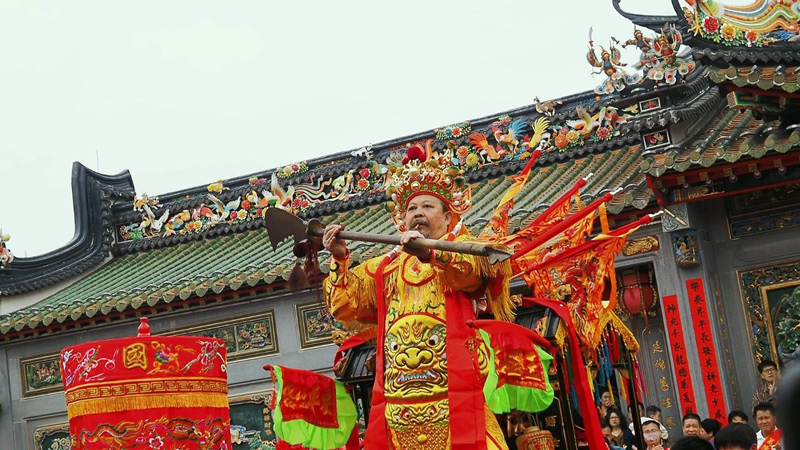
Perhaps the most spectacular event in any Chaoshan village is the Ying Laoye, or "Welcoming the Deities" procession. On chosen days, usually during the Lunar New Year or a deity's birthday, the revered statues from local temples are carried on ornate palanquins on a thorough tour of the community's boundaries. The procession is a breathtaking display of communal effort, featuring vibrant flags, pounding drums, and troupes of performers. The goal is to invite divine blessings for peace, prosperity, and beneficial fortune for the entire community. Each village has its traditions, routes, and taboos, making every procession a unique and powerful expression of local identity and clan cohesion.
2. Yingge Dance (英歌舞): The Rhythm of Warriors
Often at the vanguard of the deity processions is the Yingge dance. This is no gentle folk dance; it's a powerful, masculine performance that combines dance, martial arts, and opera. Men dressed as the 108 heroes from the Water Margin legend, their faces painted in dramatic patterns, wield two short sticks to create complex, thunderous rhythms. The dance is characterized by its vigorous, forceful movements and intricate formations. It is believed to possess the power to ward off evil spirits and usher in prosperous luck, serving as a dynamic symbol of strength and communal solidarity.
3. The Art of the Banquet: Gongfu Dining (功夫宴)
For momentous occasions—weddings, birthdays, new homes—Chaoshan people host a "Gongfu Table," an elaborate feast that is the pinnacle of their culinary and social etiquette. This is a multi-course event, often featuring twelve or sixteen dishes, with a heavy emphasis on the region's freshest seafood. The preparation is meticulous, the ingredients are premium, and the order of service is a ritual in itself. It is a profound demonstration of respect for guests, a celebration of the region's unparalleled food culture, and a key mechanism for reinforcing the bonds of their close-knit society.
4. Gongfu Tea (工夫茶): A Philosophy in a Cup
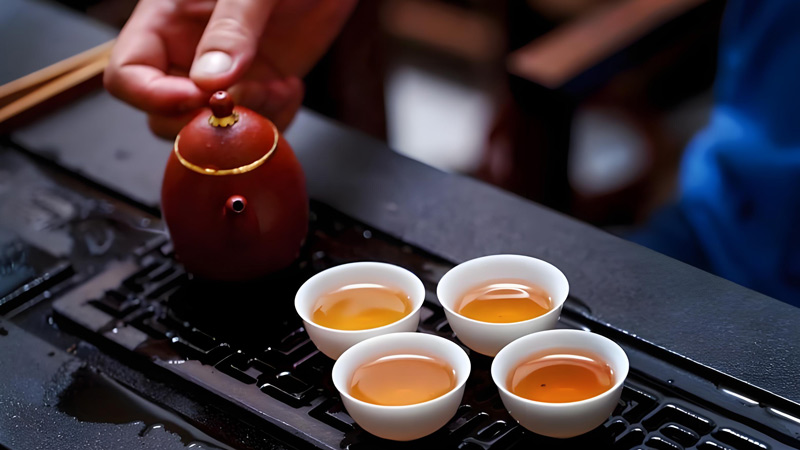
More than just a way to drink tea, Gongfu tea is a meditative practice and the highest form of hospitality. It involves a small, elegant set of teaware and a precise, almost ceremonial, method of brewing, typically using Oolong tea. The process, with steps poetically named "Guangong (关公) Patrols the City" and "Hanxin (韩信) Points His Soldiers," is designed to extract the most perfect flavor. It embodies the Chaoshan spirit: a commitment to precision, a deep appreciation for subtlety, and the importance of taking a mindful moment for connection and conversation.
5. Chu Huayuan (出花园): A Garden Coming-of-Age
This is a unique coming-of-age ceremony for fifteen- or sixteen-year-olds, symbolizing their transition from childhood to adulthood—literally "stepping out of the garden." The ritual involves wearing new clothes and red wooden shoes, making offerings to the child guardian deities, and eating symbolic foods. The ceremony might serve a teenager a soup made from pig organs, symbolizing a "change of heart and mind," and encourage them to bite the head off a chicken, a gesture symbolizing the hope they will succeed in life. It's a family-centered rite of passage that highlights the value placed on growth and future success.
6. Honoring the Deities: Bai Laoye
The worship of deities, Bai Laoye (拜老爷), is seamlessly integrated into daily life. Most households have a small altar for the Earth God, Guan Yu (观音), or ancestors. Offerings of tea, wine, fruit, and specially prepared rice cakes are made on the first and fifteenth days of the lunar month and on festival days. This practice is less about religion in a formal sense and more about a constant, humble dialogue with the spiritual world, seeking protection, comfort, and guidance for the family.
7. The Craft of Rice Cakes: Making Guo (粿)
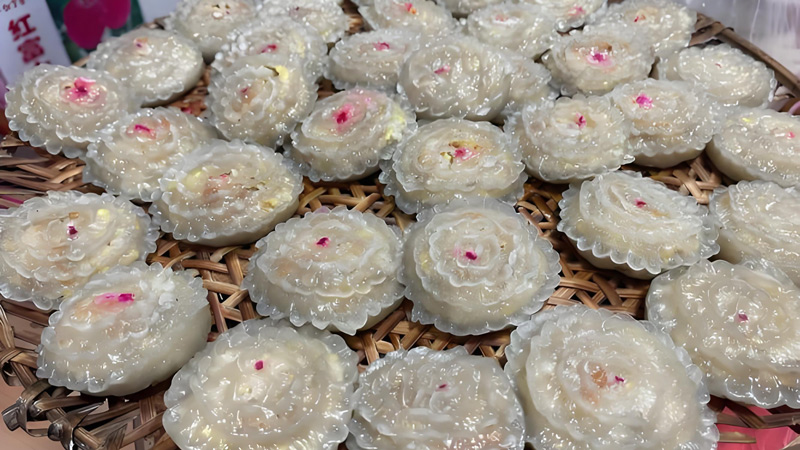
Guo are a vast category of steamed snacks and cakes made from rice or potato flour. They are a staple of both daily snacks and religious offerings. Their shapes, colors, and fillings change with the seasons and festivals: red peach-shaped guo for luck, green mugwort guo for the Qingming Festival (清明节), and fermented guo to symbolize prosperity. The act of making guo is often a family affair, connecting the kitchen to the temple and the past to the present through taste and tradition.
8. The Chaoshan Dialect: A Living Fossil
The Teochew dialect is the ultimate badge of identity. A well-preserved relic of ancient Chinese, it is famously difficult for outsiders to learn. Its complex tone system and preserved vocabulary are a direct link to the past. For Chaoshan people, speaking Teochew is an instant bond, a shared code that reinforces their distinct cultural community, whether they are in Shantou or in a Chinatown across the oceans.
9. Traditional Dwellings: Architecture of Order
The classic Chaoshan homes, known as "Four-Point Gold" and "Descending Tiger" layouts, are marvels of traditional design. Built around central courtyards, they are designed for extended families, reflecting a deep respect for clan hierarchy and feng shui (风水) principles. They are also adorned with exquisite carvings and detailed murals, turning the family home into a statement of artistic values and social order.
10. Chaoshan Opera: The Sound of Storytelling
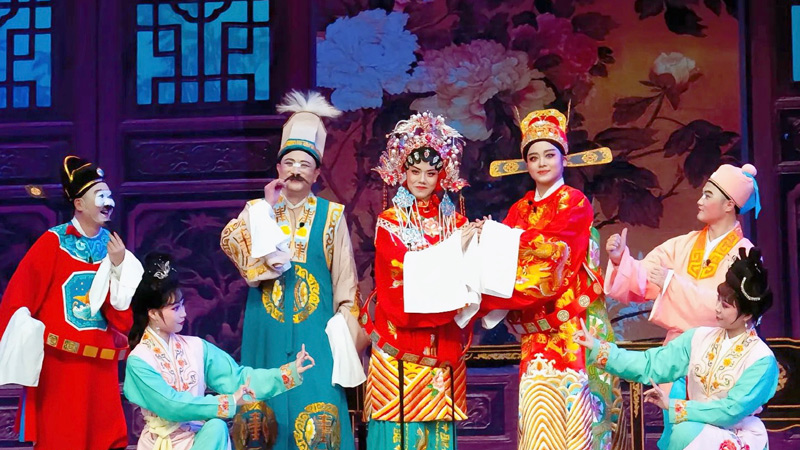
This ancient form of Chinese opera is beloved, particularly by older generations. Told in the Teochew dialect and accompanied by unique string and percussion music, its stories of historical heroes, myths, and romances are performed with elegant gestures and elaborate costumes. It is a cherished entertainment and a living repository of the region's stories, ethics, and aesthetic sensibilities.
Together, these ten pillars form the foundation of a culture that is both deeply traditional and dynamically alive, offering a captivating window into one of China's most distinctive regional identities.