The traditional culture of China, with its profound historical roots, represents a rich tapestry of philosophical, artistic, and social traditions that have evolved over five millennia. Originating primarily along the basins of the Yellow River and the Yangtze River, this ancient civilization flourished through continuous migration, integration, and development of various ethnic groups. These dynamic processes helped form a unique and enduring cultural heritage, often described as an ancient castle of wisdom and refinement, admired and preserved through successive generations.
Among its most distinguished elements are the quintessential aspects of Chinese culture, known as Guocui (国粹) or national essences. These are the elite achievements intrinsic to China’s native civilization, embodying the highest aesthetic and intellectual values of the nation. Examples include Peking Opera, traditional Chinese medicine, calligraphy, and martial arts—each originating entirely within China and reflecting the depth and spirit of its indigenous culture. These cultural treasures not only symbolize China’s historical identity but also continue to inspire global appreciation today.

Magnetic Kiln
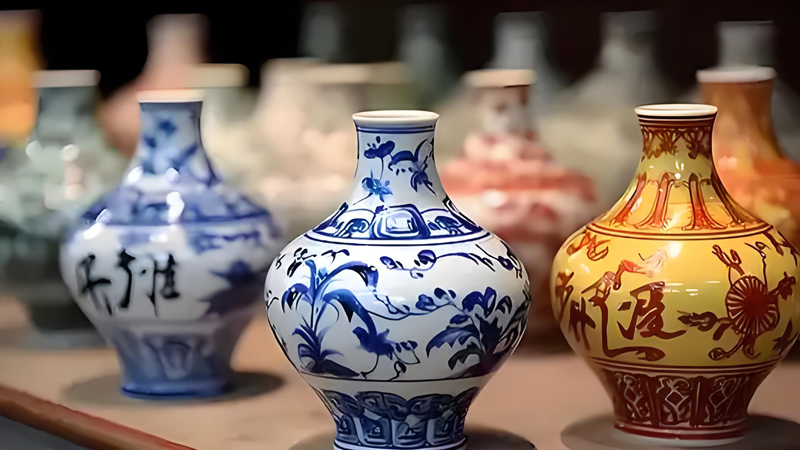
China's relationship with clay transformed functional pottery into transcendent art. Early kilns near Magnetic Kiln centers produced robust vessels later termed porcelain. Artisans perfected techniques through tireless experimentation—wedging clay to eliminate air pockets, throwing precise forms on wheels, and applying mineral-rich glazes that fused under extreme heat. The breakthrough emerged when cobalt pigments painted beneath transparent glaze (underglaze blue) survived firing temperatures, creating luminous designs sealed beneath glass-like surfaces.
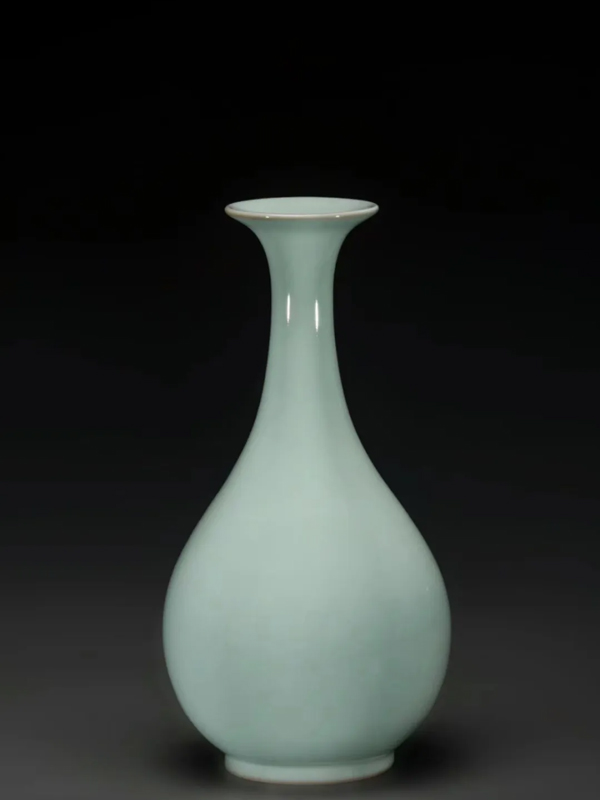
Celadon wares demonstrated glaze chemistry mastery, their jade tones varying with kiln atmosphere control. Potters guarded secret formulas for crackled glazes resembling ice patterns on frozen lakes. These innovations traveled westward along trade routes, where European alchemists spent centuries attempting replication. The quest for translucent "white gold" ultimately drove technological exchanges across continents, reshaping ceramic traditions from Delft to Dresden.
Porcelain's legacy extends beyond museum vitrines. Modern architects clad buildings in ceramic panels echoing crackle-glaze aesthetics. Biomedical engineers study porcelain's structural resilience for bone implants. The humble rice bowl remains an indispensable companion from family kitchens to ceremonial banquets, proving that utility and beauty need not be adversaries.
 Embroidery
 Embroidery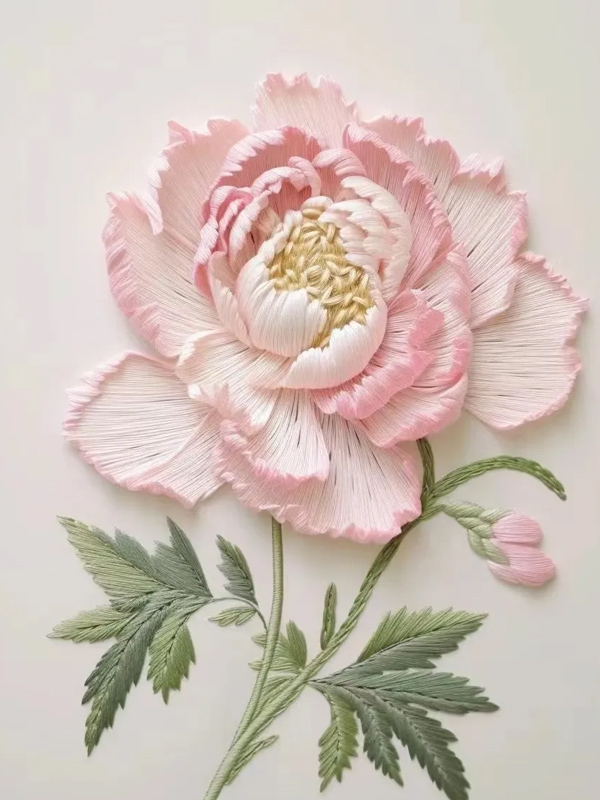
Silkworms spinning cocoons sparked a textile revolution in Neolithic China. Domestication of Bombyx mori moths enabled mass production of filaments stronger than steel at equivalent diameters. Early embroiderers transformed these glistening threads into symbolic narratives—phoenixes denoting prosperity, lotus blossoms representing purity. Regional styles developed distinct dialects: Suzhou artisans favored subtle gradations in floral themes, while Sichuan practitioners excelled at perspective compositions using layered stitches.
Mastery demanded years of disciplined practice. Embroiderers manipulated needles like calligraphers wielding brushes, creating depth through silk threads thinner than human hair. Two-faced embroidery—designs appearing identically on both fabric sides—represented the technique's apex. These textiles served as cultural currency, exchanged along trade routes where Byzantine emperors prized Chinese silks above gold.
Contemporary artists reinvent traditions through unexpected materials. Some incorporate optical fibers that illuminate embroidered constellations, while others stitch microchips into textile circuits. Fashion designers fuse embroidery algorithms with 3D printing, proving that ancient handcrafts coexist with digital innovation rather than yielding to it.
Go
 Go
Go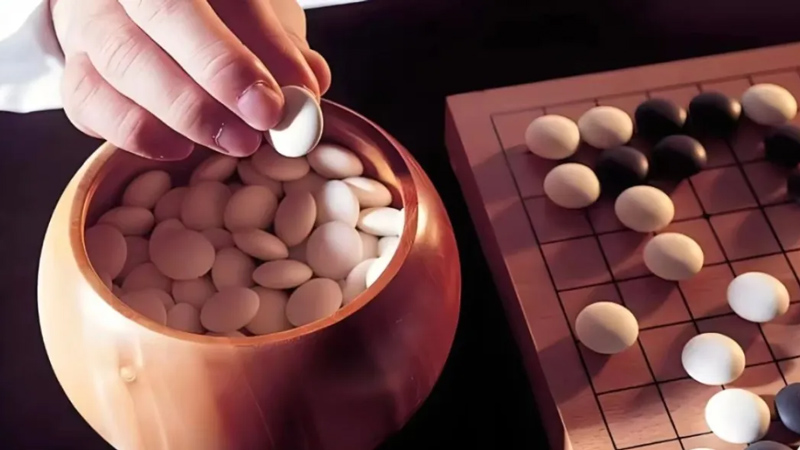
This board game of territorial conquest traces its lineage to ancient divination practices. Legend attributes its invention to Emperor Yao (尧) as a tool for teaching strategic thinking. The nineteen-by-nineteen grid became a philosophical battlefield where players balanced aggression with restraint, learning that overextension invited collapse. Liberties—empty adjacent intersections—determined stone survival, forcing constant reassessment of formations.
Northern Song dynasty scholar Shen Kua (沈括) documented sophisticated endgame principles in his scientific treatise. Masters developed poetic names for tactical patterns: "crane's nest" for sacrificial stones creating openings; "tiger's mouth" for capturing formations. Games could unfold for days, becoming meditative exercises where players contemplated cosmic patterns through stone arrangements.
Computer scientists spent decades developing algorithms to master this seemingly simple game. Early programs fell easily to amateur players until neural networks began learning from millions of professional matches. The 2016 victory of AlphaGo over world champion Lee Sedol revealed artificial intelligence's capacity for intuitive breakthroughs. Yet human players responded with innovative strategies the algorithm hadn't encountered, proving that creativity remains humanity's unconquered territory.

Tea
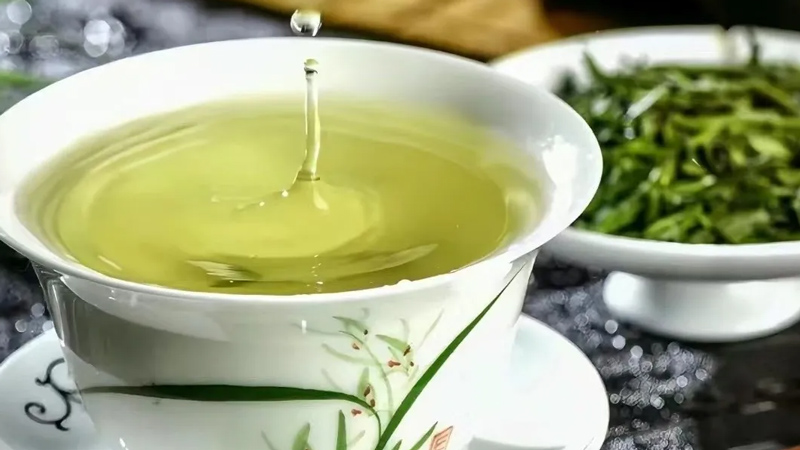
That steaming cup in your hand? Its story began 5,000 years ago when Shennong (神农), mythic healer, tasted wild Camellia sinensis. What started as medicinal brew became poetry, painting, and philosophy. By the 8th century, Lu Yu's (陆羽) Classic of Tea transformed drinking into an art—measuring water temperature, choosing ceramics, appreciating steam’s dance.
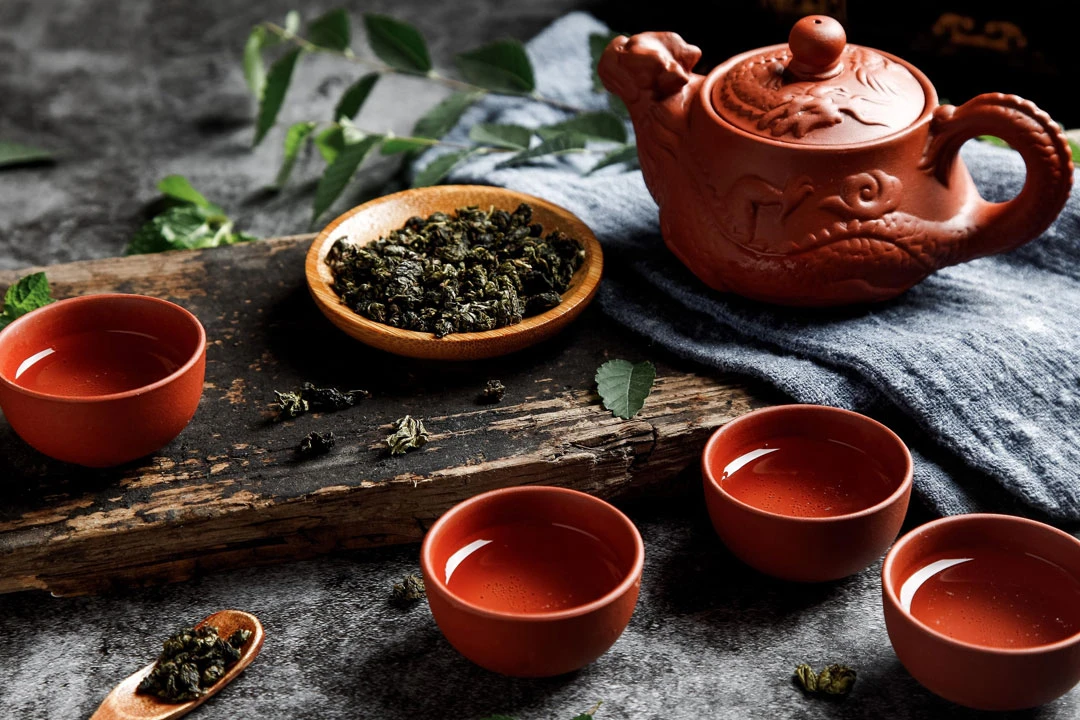
Tea crossed borders without losing its soul. Japanese monks carried matcha rituals home; British clippers raced for oolong. Yet in China’s villages, it remains democracy in a pot. Farmers share pu'er (普洱) brick tea, negotiating harvest prices over bitter sips. Urban youth now queue for cheese-topped tea, proving tradition needs no museum.
Modern science confirms what Tang poets sensed: green tea’s antioxidants slow aging, while fermented pu'er aids digestion. That crumpled leaf in your strainer? It’s chemistry, culture, and commerce—still unfolding.

Traditional Chinese Medicine (TCM)
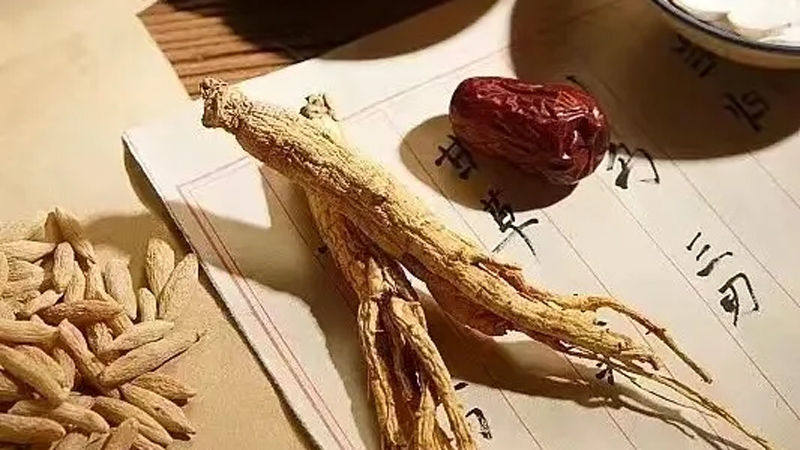
Place three fingers on your wrist. Feel that flutter? Traditional healers call it Qi (气)—the vital breath mapping your health. For 3,000 years, Chinese medicine saw bodies as landscapes: rivers (blood), mountains (organs), winds (emotions). The Yellow Emperor's Canon taught balance, not battle: "Don’t dig a well after thirst strikes."
Diagnosis resembles detective work. A tongue’s color reveals liver stress; insomnia points to "heart fire." Treatments seem magical yet logical: mugwort moxa warms arthritic knees by stimulating blood flow. Acupuncture needles redirect energy like traffic police. Even TikTok users now film gua sha (刮痧) rituals, scraping skin to release tension.
Hospitals blend old and new. Surgeons use scalpels by day; at night, cancer patients sip astragalus soup to counter chemo’s chill.

Silk
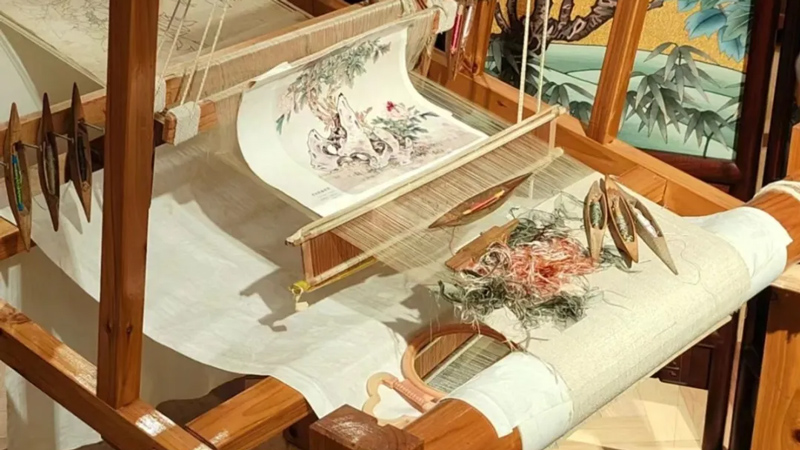
One caterpillar’s cocoon started it all. Ancient Chinese discovered that boiling Bombyx mori cocoons unspools mile-long threads. This secret created fabric so light, emperors wore five robes without bulk; so strong, battle flags survived centuries. Roman nobles paid gold equal to thread’s weight, unknowingly funding dynasties.
Silk wasn’t just luxury—it built bridges. Zhang Qian’s (张骞) caravan trekked west through deserts, linking Chang’an to Rome. Caravans carried more than rolls: they transported papermaking, compasses, and spices. The Silk Road became history’s first internet, transmitting ideas across continents.
Today’s labs decode silk’s genius. Its protein structure cools skin in heat, warms in cold. Surgeons stitch wounds with dissolvable silk sutures; engineers mimic its strength for bulletproof vests. From Han dynasty looms to NASA labs, this thread remains timeless.
These legacies thrive through reinvention. Tea adapts to bubble cups, acupuncture eases modern stress, silk heals wounds science cannot. They remind us: true endurance lies not in preservation, but conversation—between past and present, leaf and cup, needle and skin.

Kungfu
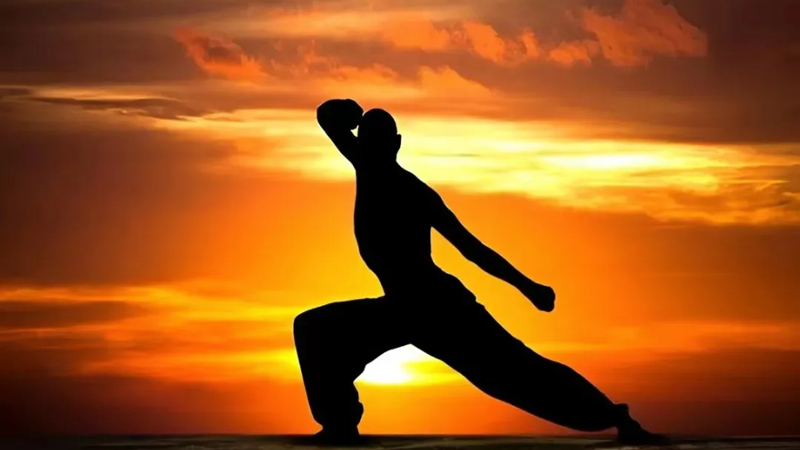
More than combat, Chinese martial discipline cultivates a deep unity between physical action and mental focus. Its roots stretch deep into history, evolving into countless styles practiced globally. The core principle isn't brute force, but achieving harmony – integrating breath, movement, and awareness seamlessly. Practitioners train diligently, honing reflexes and building resilience, guided by the philosophy that inner calm and clarity are as vital as external strength. This holistic approach fosters discipline, respect, and a profound sense of personal balance.
Distinctive schools exist, each with unique characteristics. Some emphasize fluid, circular motions redirecting an opponent's energy, while others focus on powerful, direct strikes or intricate joint locks. Yet, all share the foundational goal articulated for centuries: refining vital energy, spirit, and physical form together. The graceful flow of certain styles exemplifies this, demanding precise coordination where mental intention guides every subtle shift and application of force. It’s a moving meditation demanding complete presence.
Beyond self-defense, this discipline offers a comprehensive system for wellbeing. Regular practice enhances flexibility, coordination, and cardiovascular health. Mentally, it sharpens concentration and reduces stress. Culturally, it represents perseverance and ethical conduct, embodying values deeply embedded in the community's spirit. Training halls serve as spaces for personal growth, cultural transmission, and forging bonds based on mutual respect and shared effort.

Calligraphy
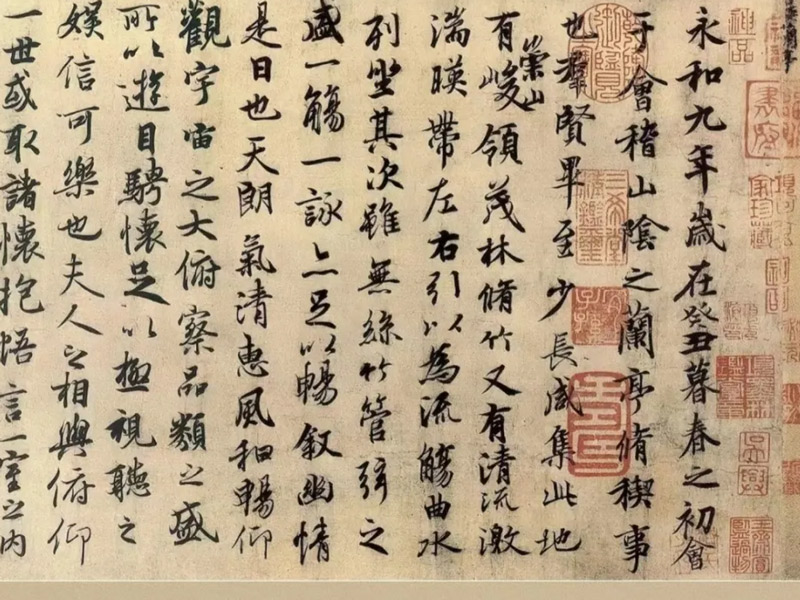
Transforming written characters into profound visual art defines the ancient practice of Chinese script mastery. Far exceeding simple penmanship, it’s a disciplined art form where the brush becomes an extension of the artist's inner state. Evolving over dynasties – from ancient oracle bones to the standardized scripts used today – its history mirrors the development of the language itself. Each stroke carries weight, rhythm, and intention, making every character a unique composition.
The tools are simple yet profound: brush, inkstick, stone, and paper. The artist grinds the inkstick with water on the stone, a meditative act setting the tone. Different brush techniques create vast expressive ranges – from bold, powerful lines to delicate, almost ethereal traces. The empty space surrounding the inked characters is as crucial as the marks themselves, creating balance and dynamism within the composition. Mastery lies in controlling ink density, pressure, and speed with unwavering focus.
This art demands deep understanding of structure and aesthetics. Different script styles, like the formal standard script or the wildly expressive cursive hand, offer distinct challenges and freedoms. A skilled practitioner channels energy and emotion through the brush, making the written word vibrate with life. The resulting work isn't just read; it's felt. It serves as a powerful bridge connecting contemporary viewers to the aesthetic sensibilities and philosophical depth of past generations, preserving the visual soul of the language.

Chinese Paper Cutting
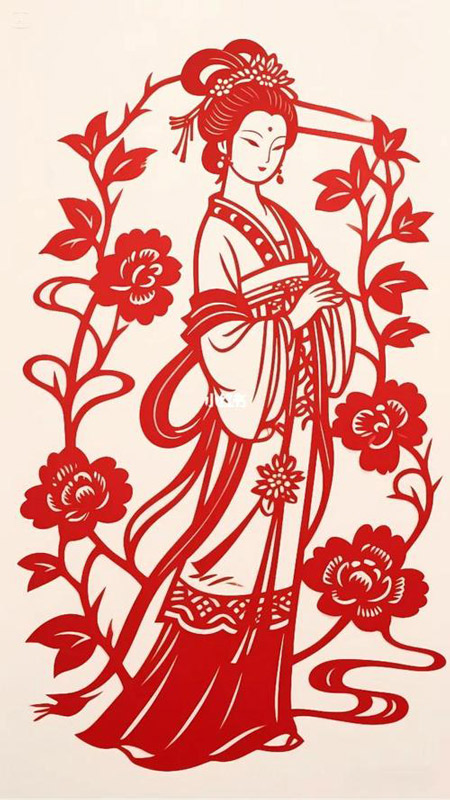
Using simple scissors or knives on paper, Chinese folk artists create intricate designs bursting with symbolism and joy. This vibrant tradition, deeply embedded in rural life, transforms ordinary paper into celebratory decorations. Common motifs include abundant harvests, mythical protectors, playful animals, and symbols representing luck, happiness, and long life. These bright creations adorn windows, doors, walls, and lanterns, especially during festivals like the Lunar New Year and weddings, instantly amplifying the festive spirit.
Traditionally, skill in this craft was a valued domestic art, particularly among women. Patterns were often passed down through families, mother to daughter, becoming a shared language of creativity and communal celebration. The act itself is both precise and spontaneous, requiring a clear mental image and confident hand to navigate complex patterns without a preliminary sketch. The negative space created by the cuts forms the design as much as the paper left intact.
Regional styles abound, reflecting local customs and aesthetics. Northern designs often feature bold, robust patterns and strong, contrasting colors, suitable for large window displays. Southern styles tend towards intricate, delicate cuttings, frequently employing symbolic imagery in deep red. Despite modern changes, the craft persists as a beloved folk art, taught in communities and admired for its direct connection to cultural identity and the universal human desire to create beauty from simple materials for communal happiness.

Opera's Grand Song
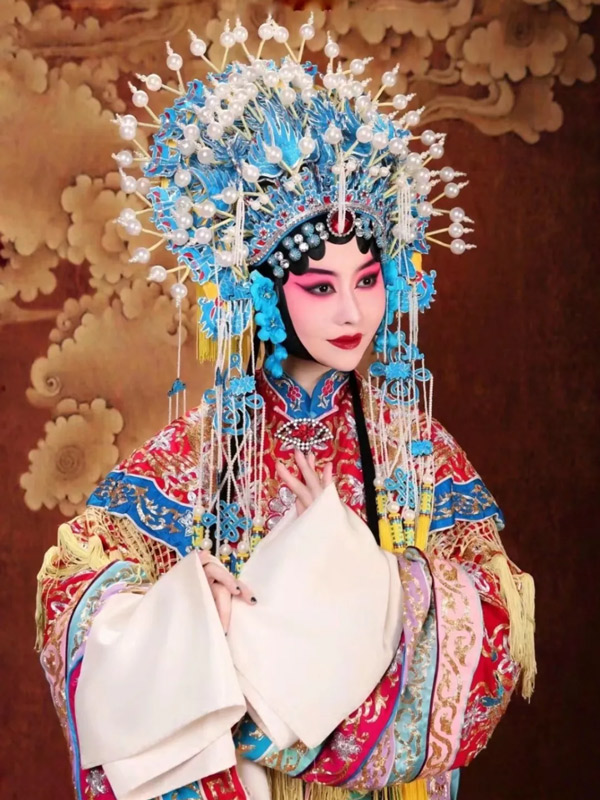
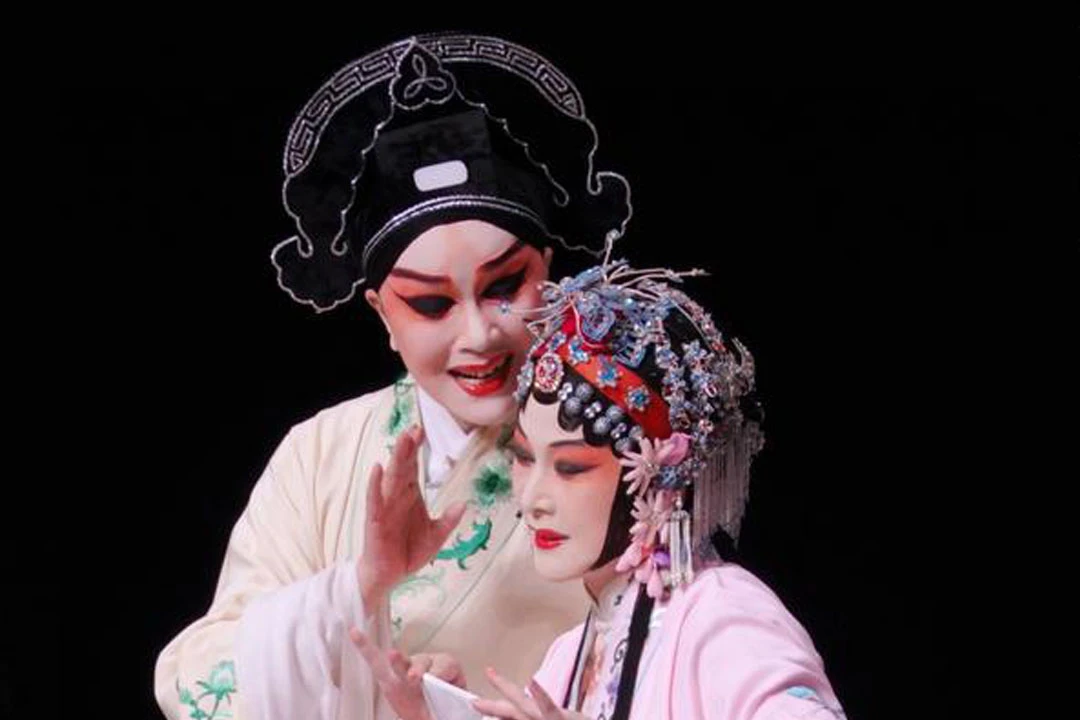
A captivating synthesis of music, vocal artistry, acrobatics, dance, and elaborate visual coding defines Peking Opera. Recognized globally, it stands as a pinnacle of Chinese theatrical tradition. Its stories, primarily drawn from history, legend, and classic literature, unfold through a highly stylized performance language. Every gesture, costume detail, painted face, and vocal inflection carries specific meaning, creating a rich, symbolic tapestry understood by its devoted audience.
Performers train rigorously from a young age, specializing in specific role types defined by voice, movement, and character. Male roles range from dignified scholars to mighty warriors. Female roles encompass graceful ladies and spirited heroines. Painted face roles portray complex, often supernatural or martial characters, their elaborate makeup instantly communicating personality traits and moral alignment. The physicality is astonishing, incorporating precise movements, demanding combat choreography, and gravity-defying tumbling.
The auditory experience is equally complex. Two primary musical modes, accompanied by instruments like the Jinghu (a two-string fiddle) and percussion, support highly stylized singing techniques and stylized speech. The visual spectacle is paramount: dazzling, embroidered costumes signify rank and role, while minimal props are used with exquisite symbolism. More than entertainment, this form preserves cultural narratives and aesthetic ideals, its unique system influencing performing arts worldwide and remaining a potent symbol of national artistic achievement.
Final Words
The enduring legacy of Chinese traditional culture lies not in static preservation, but in dynamic evolution. From the porcelain kilns that fused chemistry and art, to the philosophy of tea articulated by Lu Yu; from the strategic depths of Go to the healing principles of Traditional Chinese Medicine; and from the delicate threads of silk to the disciplined flow of Kungfu and expressive strokes of calligraphy—each of these Guocui, or national essences, represents a profound dialogue between past and present. They have traveled across time and borders, adapting to new contexts while retaining their core spirit.
Today, they thrive in modern laboratories, digital studios, and urban teahouses, demonstrating that true cultural vitality comes from continuous reinvention. These traditions remind us that heritage is not a relic to be guarded, but a living conversation—an ongoing synthesis of wisdom, beauty, and innovation that continues to inspire both China and the world.