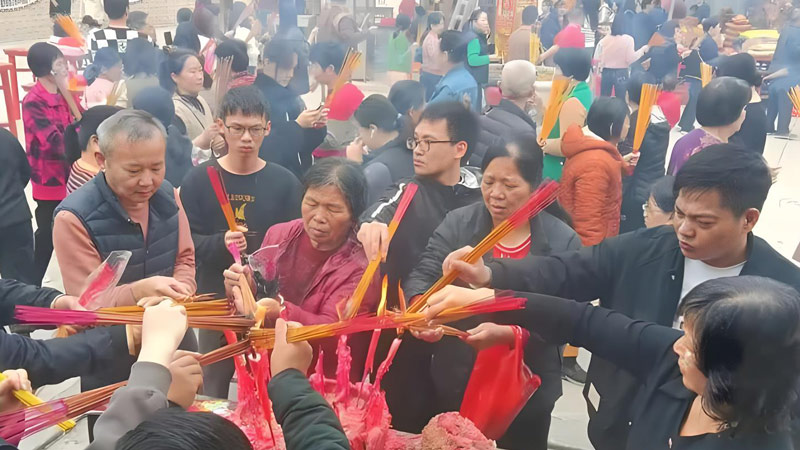
The Chaoshan region in Guangdong Province stands as a remarkable repository of ancient Chinese customs, with the "Shi Gu" (施孤) ritual—commonly translated as "Feeding the Lonely Ghosts"—serving as a profound embodiment of its cultural values. Rooted in folk beliefs, Confucian ethics, and Buddhist philosophy, this tradition highlights the region's enduring emphasis on compassion, communal harmony, and historical remembrance.
Historical and Cultural Foundations
Chaoshan's cultural heritage, including its renowned Yingge (英歌) dance, intricate embroidery, wood carving, and traditional architecture, is deeply intertwined with ancient rituals. The "Shi Gu" custom, closely associated with the Buddhist Ullambana Festival (also known as the Ghost Festival), can be traced back to the Northern and Southern Dynasties (420-589 AD). Historical texts such as the Jingchu Suishiji (荆楚岁时记) document the practice of making offerings to spirits and deities on the fifteenth day of the seventh lunar month. By the Song Dynasty (960-1279 AD), these observances had evolved into elaborate rituals involving lantern floating, communal feasts, and public ceremonies aimed at appeasing wandering spirits.
In Chaoshan, the seventh lunar month is traditionally believed to be a period when the gates of the underworld open, allowing spirits who died without descendants, in disasters, or during wars to wander the human realm. To comfort these souls and seek blessings for the living, local communities organize large-scale offerings of food, incense, and symbolic items. This practice reflects the Confucian ideal of "teaching through rituals" and the Buddhist tenet of "compassion for all sentient beings"
Social and Humanitarian Implications
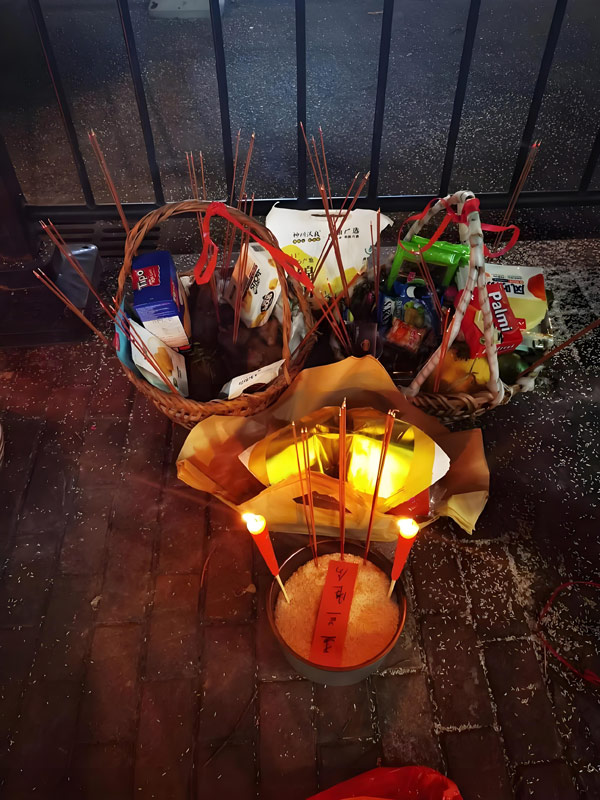
The "Shi Gu" ritual exemplifies Chaoshan's longstanding commitment to charity and collective welfare. Historically, the region faced significant adversities, including natural disasters, epidemics, and wars. During the Ming and Qing dynasties, Chaoshan was frequently struck by typhoons, floods, and outbreaks of plague. The local saying, "losing everything, fleeing to Siam", encapsulates the mass emigration of Chaoshan people to Southeast Asia, many of whom perished during their journeys.
The ritual also serves as a memorial to victims of historical conflicts, such as the Ming-era battles at Shenshan (神山) and Fushan (浮山) in Puning (普宁) County, where thousands perished unnamed. By honoring these forgotten souls, the practice reinforces the importance of peace and historical reflection. During the Sino-Japanese War, Chaoshan suffered devastating losses, exacerbated by a catastrophic famine in 1943 that resulted in widespread starvation and displacement. The "Shi Gu" custom functions as a collective act of remembrance, urging contemporary society to cherish stability and learn from past tragedies.
Modern Practices and Global Influence
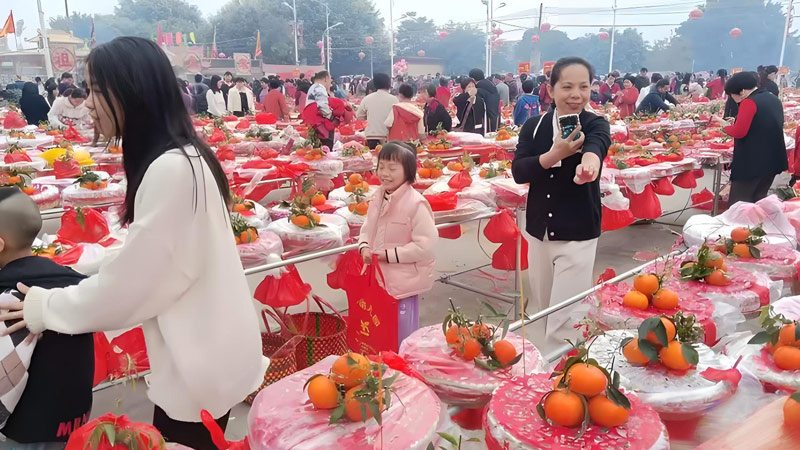
In contemporary Chaoshan, the "Shi Gu" ritual remains a vibrant and socially significant tradition. Communities erect temporary altars in public spaces, offering food, paper money, and other symbolic items to wandering spirits. These acts of kindness are believed to bring peace and prosperity to the living. The tradition has also been perpetuated globally by the Chaoshan diaspora, with charitable organizations such as the Thailand Teochew Charitable Foundation and the Singapore Chaoshan Association adapting these practices to their local contexts.
The ritual's emphasis on charity is further embodied in Chaoshan's "shantang" (善堂) culture—charitable halls that provide aid to the impoverished, sick, and marginalized. Often managed by Buddhist monks or local volunteers, these institutions demonstrate the enduring relevance of "Shi Gu" values, including compassion, humility, and social responsibility.
The "Shi Gu" custom transcends its superficial perception as a superstitious ritual; it is a rich cultural practice that encapsulates Chaoshan's historical resilience, humanitarian spirit, and dedication to preserving tradition. By honoring the forgotten, promoting charitable deeds, and strengthening community bonds, this tradition offers valuable insights into the region's cultural legacy and its continued relevance in fostering social harmony and moral reflection in modern times.