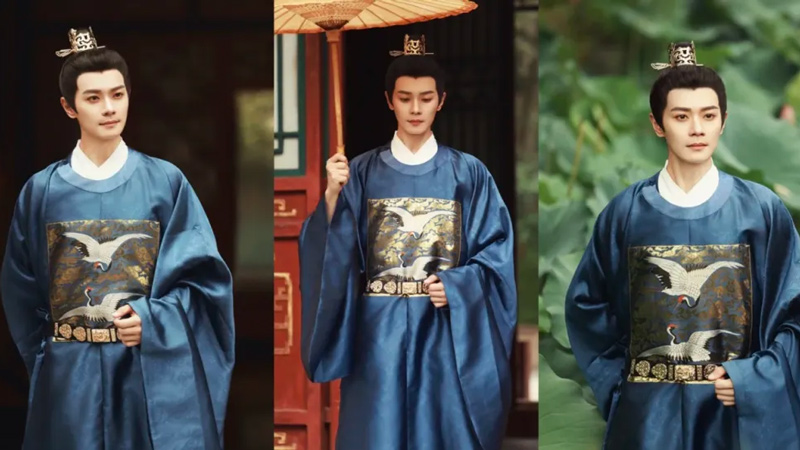
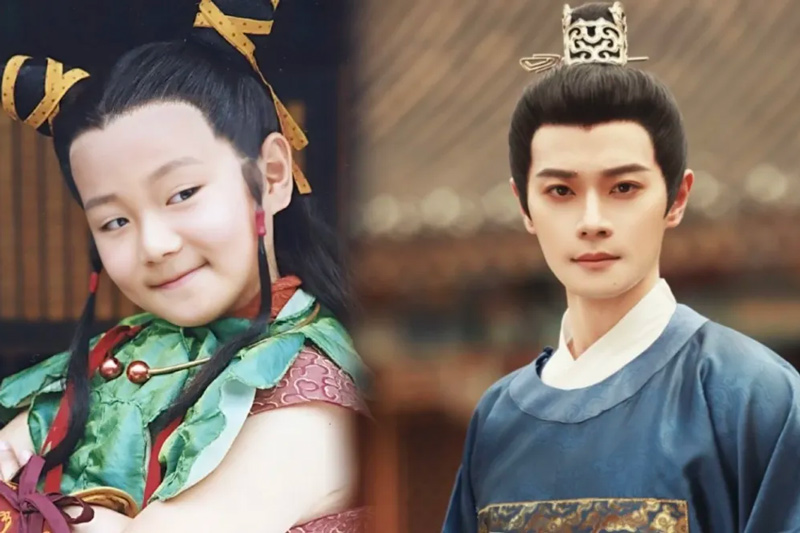
When Cao Jun (曹骏) recently shared photos in Ming-style Hanfu, fans were stunned—many saw echoes of his childhood role as Nezha (哪吒), sparking online buzz about his transformation and the timeless elegance of traditional Chinese attire. This resurgence highlights how modern celebrities can bridge history and today, making ancient garments relevant in our fast-paced world while protecting cultural heritage from misappropriation. As discussions flourish, it's clear that Cao Jun's choice isn't just fashion; it's a statement about identity and continuity in a globalized era.
Ming Official Attire
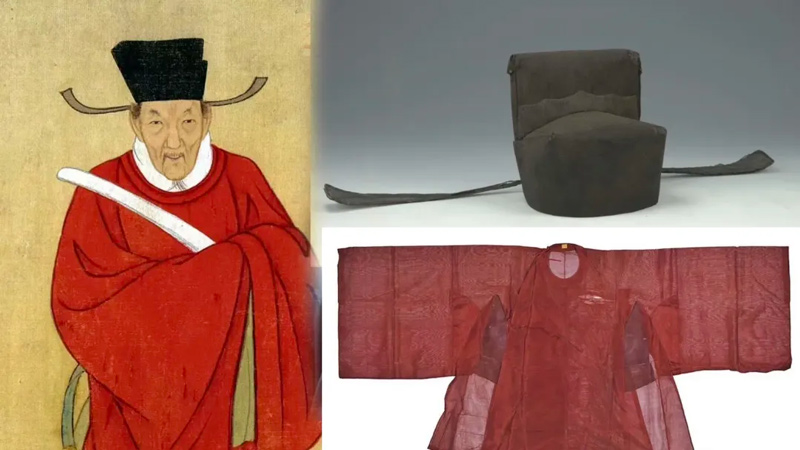
Ming Dynasty official clothing featured three main types: Changfu (官服) for daily wear, Gongfu (公服) for formal events like meetings, and Chaofu (朝服) for grand ceremonies. Each served distinct roles, with Changfu (常服) resembling professional suits through its long robe design—often with round or crossed collars and wide sleeves. Officials wore these as standard work attire, where visual cues like embroidered patches signaled rank without confusion.
The key element in Changfu was the "Buzi" (补子) patches, small embroidered squares on the chest and back that instantly conveyed status. Unlike Gongfu, which used subtle patterns and colors for differentiation, Changfu relied on these vivid symbols to avoid ambiguity during routine duties. Historical records show that women with titles, like imperial appointees, also wore similar outfits, adding a layer of gender inclusivity to the system.
Details like headgear mattered too—Changfu typically paired with small crowns, while Gongfu demanded specific caps for events. Cao Jun's photos captured this essence but missed the classic black gauze hat, a common accessory that completes the look. Such precision in design ensured every aspect, from sleeve width to footwear, reinforced hierarchy and function in Ming society.
Symbols of Rank
Buzi patches were the language of status: civil officials displayed birds, military ones beasts, each creature representing a specific grade. For instance, a first-rank civil servant wore a crane, while a second-rank had a golden pheasant; military equivalents included lions for top generals and tigers for mid-tier commanders. This coded system, documented in Ming era texts, made identification quick and ceremonial.
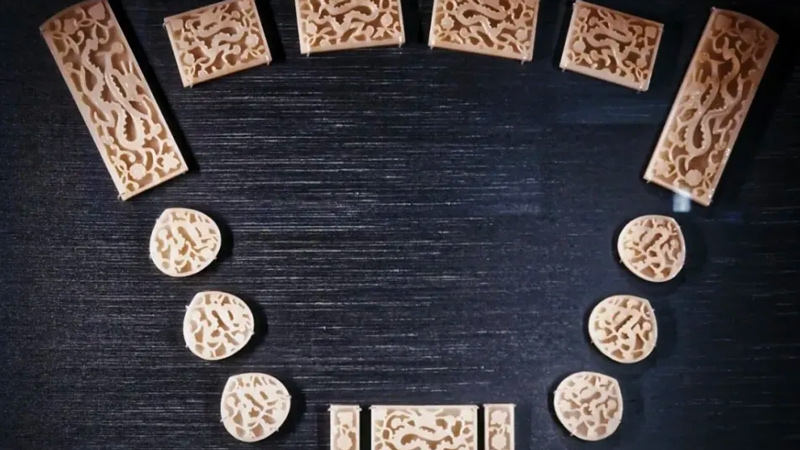
Beyond patches, colors and accessories played roles. Civil officials in higher ranks donned crimson robes, lower ones blue or green, with belts made from materials like jade or rhinoceros horn indicating prestige. These rules prevented overlap—imagine a crowd where a leopard pattern signaled a fourth-rank military officer, distinct from a civil peer's wild goose motif. Such distinctions fostered order in court life.
Even small elements, like belt buckles or shoe styles, carried meaning. A ninth-rank official might have a hippocampus emblem, while senior ranks flaunted intricate designs. This attention to detail wasn't just decorative; it was a social code that defined interactions, showing how clothing could narrate one's journey in the imperial world.
Modern Cultural Impact
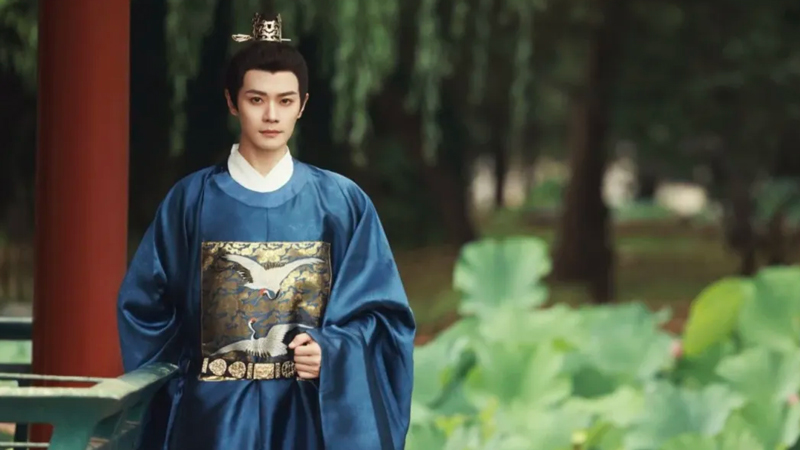
Cao Jun's embrace of Ming attire has ignited fresh interest in Hanfu, turning a historical curiosity into a trending topic. His photos remind viewers that these garments aren't relics but living traditions, helping counter cultural theft by promoting authentic appreciation. Online comments praised his "grown-up" aura, linking it to his past as Nezha, a symbol of youthful spirit now matured.
This revival isn't isolated—celebrities like Cao Jun drive broader movements to safeguard heritage. By wearing accurate replicas, they educate global audiences, preventing misrepresentation and inspiring youth to explore their roots. It's a powerful tool against dilution in an age where fast fashion often overshadows depth.
In the future, fans hope Cao Jun will don the full set, including that iconic hat, to deepen the narrative. Such steps could spark more dialogues, urging everyone to cherish and discuss these symbols. After all, every shared photo or story keeps the past vibrant, proving that elegance endures when we wear it with pride.