Forget the image of wellness being just for the elderly. A new wave of health-conscious Gen Z and millennials is embracing wellness, obsessively stirring goji (枸杞) berries into their thermoses and beginning their day with warm lemon-honey water. Driven by a mix of ancient tradition and modern social media trends, they believe that what they consume is the key to balance.
However, Traditional Chinese Medicine (TCM) emphasizes that wellness is highly individual. That popular "healthy" ingredient in your cup might be doing more harm than good if it doesn't suit your body's specific needs. Before you jump on the next superfood trend, here’s a quick guide to who should probably skip some of the most common ones.
1. Red Dates: Not a Sweet Treat for All
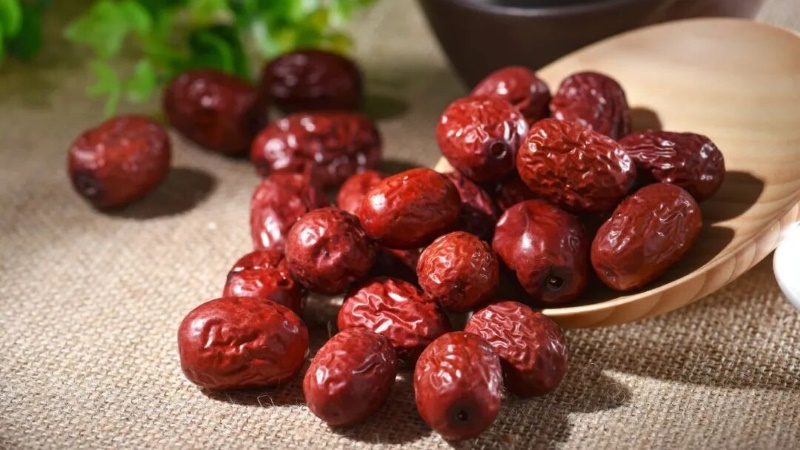
Celebrated for boosting energy and calming the spirit, these sweet fruits are a classic TCM tonic. But they are warming and can be cloying. You should be cautious if you're prone to overheating—experiencing breakouts, constipation, or a short temper—because red dates could add fuel to the fire. Those with dampness or phlegm (a feeling of heaviness, bloating, or thick tongue coating) might find they worsen sluggishness. It's also best to avoid red dates at the first sign of a cold, as their sticky nature might trap the pathogen.
2. Goji Berries: A Caution for Some
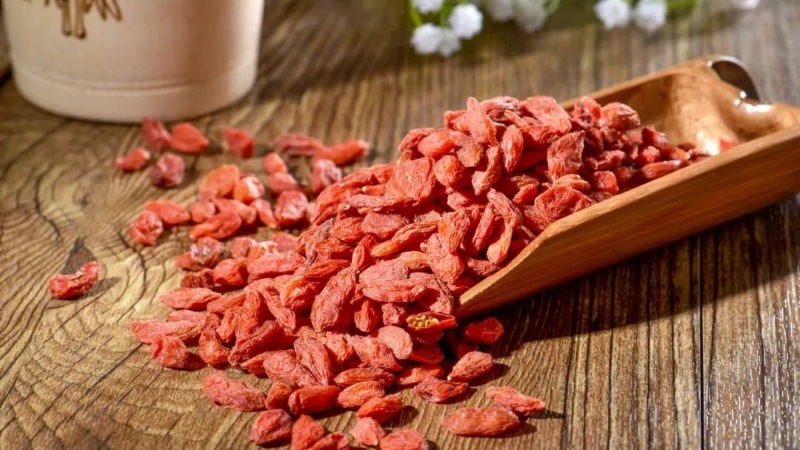
Famous for supporting eye and liver health, these berries are a powerhouse antioxidant. But their gentle, warming nature isn't for everyone. Individuals with damp-heat (think oily skin, a feeling of stickiness, irritability) might feel worse after consuming them. If you have a fever or inflammation, goji berries can exacerbate the heat. They are also not recommended for those with easily upset digestion or diarrhea. Remember: moderation is key—a small handful is plenty.
3. Ginseng: For When You're Actually Deficient
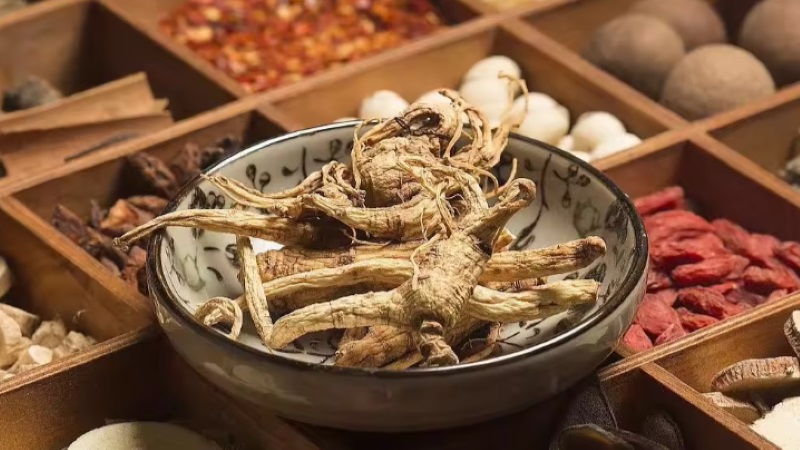
The king of tonics, ginseng is used for severe fatigue and to replenish vital energy. It's a powerful herb, not a casual daily supplement. Healthy individuals, especially children, should avoid it, as it can cause imbalance. Anyone with excess heat (high fever, very red face) or yin deficiency with heat (night sweats, dry mouth, canker sores) will find ginseng far too heating and stimulating.
4. Donkey Hide Gelatin: Press Pause During Your Period
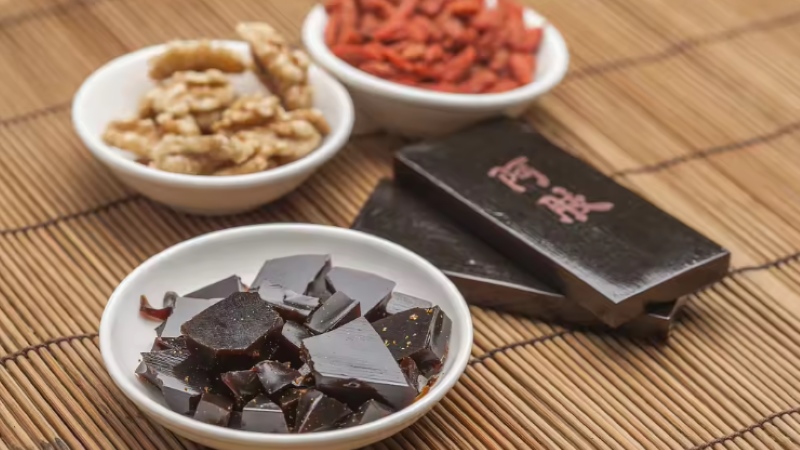
This prized ingredient is used to tonify blood, often for anemia or irregular menstruation. However, its thick, sticky texture is difficult to digest. Never take donkey hide gelatin during your period, as it can increase bleeding. Skip it during a cold or flu, too. Those with a weak digestive system or a tendency towards bloating and poor appetite will likely struggle to process it, leading to more stagnation.
5. Job's Tears (Coix Seed): A Risk for Some
Job's Tears is a go-to for clearing dampness and reducing water retention, making it popular in weight management. Pregnant women must avoid it due to its historical use to promote miscarriage. Its cooling and draining properties are also unsuitable for those who are constitutionally weak, deficient, or feel cold easily.
6. Panax Notoginseng: Know When to Stop
This herb is fantastic for stopping bleeding and resolving bruising, but it strongly invigorates blood circulation. Absolutely avoid Panax Notoginseng during pregnancy due to the high risk of miscarriage. You should also stop taking it during menstruation, as it can cause an abnormally heavy flow.
What's the ultimate conclusion? Traditional Chinese Medicine does not prescribe a universal solution. The most trendy "superfood" can be counterproductive if it doesn't match your body's current needs. The wisest wellness move is to understand your own constitution first—or consult a professional—before you brew.