Article
搜索结果:
-
Snow Empress's Bold Stand: How She Challenges the Beast God in Douluo Dalu
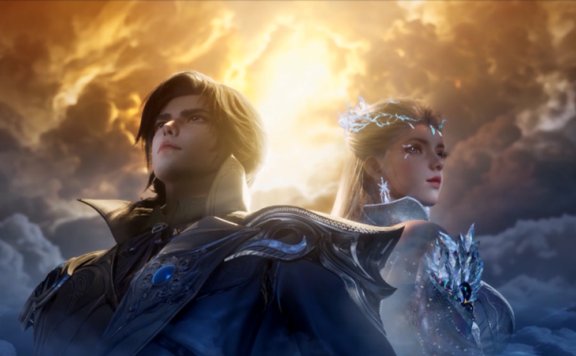
In the latest twists of Soul Land 2: The Peerless Tang Clan (斗罗大陆 ‖ 绝世唐门), a stunning transformation unfolds as Snow Empress awakens to her true self. After absorbing the profound energy from the ancient ice marrow, she sheds her youthful form, emerging as a powerful adult with memories of her reign over the Extreme North fully restored. This rebirth sparks a daring confrontation, where she openly warns Beast God Ditian, the mightiest known soul beast. What fuels her audacity to challenge such a formidable force, and where does her confidence stem from? This article delves into the depths of their powers, examining the origins of their strength and the factors that could tip the scales in an epic clash. Cultivation and Power Beast God Ditian boasts an impressive 890,000 years of cultivation, placing him on the brink of divinity as a near-god entity. His mastery of dual soul cores allows him to compress soul force to its limits, granting unmatched explosive power and endurance in battles. This advanced state makes him a towering figure among soul beasts, with abilities that dwarf many rivals. However, Snow Empress is no ordinary opponent. Her 700,000 years of cultivation come from a pure,… -
Shi Mu’s Epic Journey in The Gate of Mystical Realm
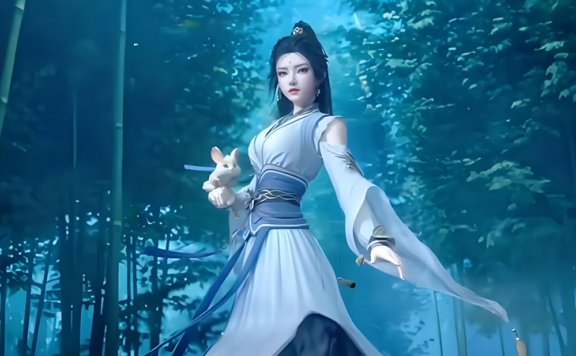
A new animated spectacle has arrived, promising to set screens ablaze. The Gate of Mystical Realm (玄界之门), a 3D animated series, premiered on Bilibili on November 26, 2025. With a full season of 26 episodes, each running approximately 20 minutes, this adaptation of Wang Yu's (忘语) popular web novel from Qidian Chinese Network is poised to capture the hearts of animation enthusiasts. Directed by Huang Xiaohong (黄晓洪) and scripted by Li Yang (李杨), the series dives headfirst into a sprawling, ambitious universe where the only constant is the struggle for power. 1. Origins of the Tale The story unfolds in a classic Wuxia setting, a realm where martial artists reign supreme. In this world, might makes right, and powerful sects dot the landscape like ancient trees in an unending forest. Here, one's lineage and cultivation techniques are not just aspects of identity; they are the very determinants of fate. It is a society built on strength, where the weak are trampled and the strong write their own laws. At the center of this tumultuous world is our protagonist, Shi Mu (石牧). An adopted son in a prominent family, he grows up on the Eastern Continent with a clouded past. Unbeknownst… -
Personal Vendetta Drives The Big Businessman’s Qing Dynasty Drama
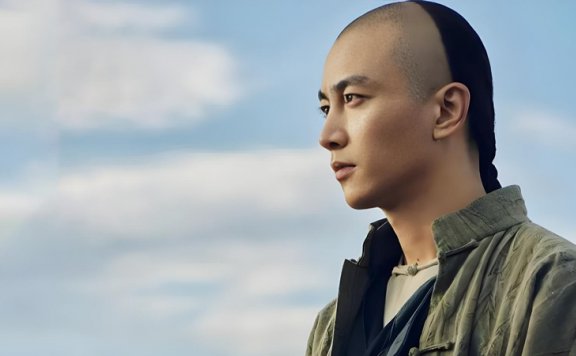
In the intricate world of Legend of the Magnate (大生意人), set against the backdrop of late Qing Dynasty Pingyao (平遥), the latest plot twists reveal more than mere business rivalries. Wang Tiangui (王天贵), the wealthiest man in town, orchestrates a complex scheme to imprison Chang Si (常四) and coerce Gu Pingyuan (古平原) into joining his firm, Taiyufeng (泰裕丰). On the surface, this appears as a shrewd move to harness fresh talent, but beneath lies a deeply personal torment that fuels his actions. This article delves into the hidden motivations driving the characters, exploring how personal insecurities can shape destinies in a volatile economic landscape. The Feud Begins Wang Tiangui reigns supreme in Pingyao, with his enterprise, Taiyufeng, dominating the financial scene. His influence extends to local officials, who often bend to his will. The conflict with Chang Si ignites over a prime piece of land that Wang covets for its symbolic "dragon's head" location, believed to bring prosperity. When Chang Si refuses to sell, Wang retaliates by manipulating the authorities to seize Chang's salt fields, plunging him into debt. This sets off a chain of events where Chang Si must risk his life in caravan trades to repay what he… -
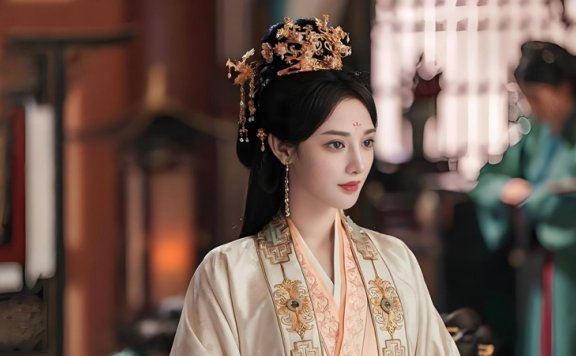
How Did Queen Ling Cangcang Outsmart the Empress Dowager in Love & Crown?
In the gripping palace drama Love & Crown (凤凰台上), Ling Cangcang (凌苍苍) finds herself thrust into a role she never desired. Forced into marriage by Xiao Huan (萧焕), who threatened her family, she becomes the queen of Da Qi (大齐) but carries a heart full of resentment. Her husband's actions—killing her mentor and harming Luo Xianxue (罗冼血)—leave her isolated in the royal court. Days pass without her paying respects to the Empress Dowager or reclaiming the Phoenix Seal, a symbol of her authority. It is only after a pivotal moment during her return home, urged by Luo Xianxue and driven by a need to protect her loved ones, that she resolves to confront the Empress Dowager. What unfolds is a masterclass in tactical resistance, where Ling Cangcang employs three clever strategies to turn the tables on her adversary. This isn't just a story of palace intrigue; it's a lesson in asserting power when faced with deliberate opposition. Stating Intentions Upon returning to the palace, Ling Cangcang prepares a thoughtful gesture—bringing the Empress Dowager's favorite cheese—to formally pay her respects. However, she is met with resistance at the door by Chan GuGu (婵姑姑), who claims the Empress Dowager is resting and… -
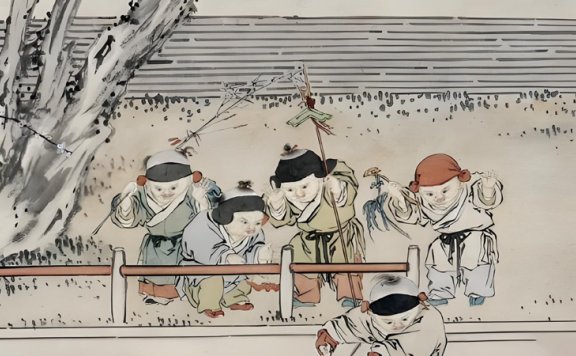
How Did Ancient China Celebrate the Cold?
When winter's chill embraced ancient China, a unique sense of joy permeated the air. Unlike the vibrant energy of spring or the abundant harvests of autumn, the colder months offered a distinct pleasure. As snow blanketed the landscape in a pristine white, people found warmth and security indoors, their minds filled with delightful winter fantasies. What did they do to pass the time? The ancients left behind a legacy of elegant and amusing pastimes that transformed the season into a period of celebration and reflection. From dynamic sports on ice to quiet moments appreciating nature's beauty, their activities were both meaningful and joyful, providing a fascinating glimpse into a world where winter was not merely endured but enthusiastically welcomed. Ice Games Among the most popular winter sports was Bingxi (冰嬉), a term encompassing various ice activities. Records of these games date back to the Sui and Tang dynasties, but they truly flourished later. By the Ming dynasty, Bingxi had become part of military training, with a special office established to oversee it. The Qing dynasty marked the peak of these ancient ice sports. Emperors encouraged Bingxi to strengthen the Eight Banners army, believing it enhanced their physical prowess and combat… -
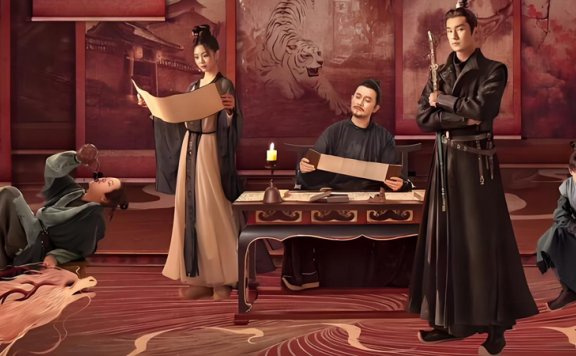
Tang Gui Ⅲ: Guardians of Chang'an Unravel the Golden Peach Conspiracy
The third season of Strange Tales of Tang Dynasty Ⅲ: Chang'an (唐朝诡事录之长安) has arrived, and its return feels less like a simple premiere and more like a cultural event. Against a landscape where franchise fatigue is common, this series demonstrates how to evolve without losing its core identity. From its very first moments, the new installment,re-establishes its grip on the audience with a confidence that is both rare and exhilarating. A Narrative That Captures Imagination The plot wastes no time, immediately pulling viewers back into its meticulously constructed world of mystery and imperial intrigue. The storytelling is taut, with each of the initial eight episodes layering clues and character motivations that interlock with precision. It is this narrative craftsmanship, the ability to balance complex plotting with human drama, that forms the foundation of its success. The audience is not merely watching; they are actively piecing together the puzzle alongside the investigators. The Currency of Connection Beyond the screen, the show has cultivated a uniquely vibrant community. Fans, who call themselves "Guyou" (诡友), engage with the content through a shared language of inside jokes and playful speculation. When characters like the three constables from Chang'an County appear, they are instantly christened… -
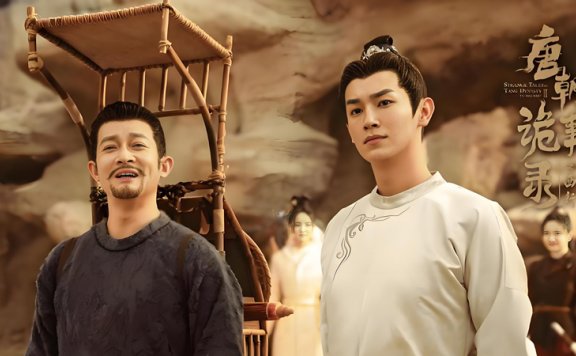
Tang Gui Ⅲ: Power Struggles and Enigmas in the Tang Capital
Audiences welcomed back the familiar team in Strange Tales of Tang Dynasty Ⅲ: Chang'an (唐朝诡事录之长安), where mysteries deepen within the ancient city's heart. Lu Lingfeng (卢凌风) demonstrated swift blade work to protect others, while Su Wuming (苏无名) skillfully managed tensions among powerful figures. Fei Jishi (费鸡师) amazed with his bone-setting techniques, and others like Xi Jun (喜君) applied portrait skills to pinpoint culprits. Ying Tao (樱桃) moved with agile grace, and Xue Huan (薛环) showcased quick thinking in tight spots. This season's debut on iQiyi (爱奇艺) quickly soared past 8500 in popularity metrics, reflecting high anticipation. Moving away from travel-focused plots, the story now anchors in Chang'an, weaving tales amid its political and social hubs. 1. A Tang Dynasty Web of Power & Deception In the heart of the ancient Tang Dynasty (唐朝), a simple mission to escort a rare golden peach to the capital unravels into a complex web of power and deception. As envoys navigate the treacherous paths to Chang'an, what appears to be a straightforward delivery quickly reveals deeper layers of political maneuvering. The golden peach, a symbol of wealth and prestige, becomes a focal point for hidden agendas, drawing in key figures from the imperial court.… -
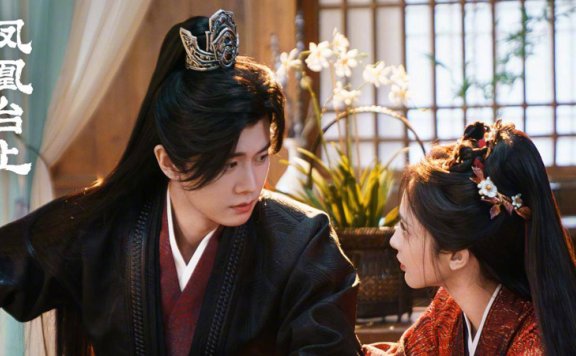
Love & Crown: Hidden Identities in Imperial Turmoil
This season brings Love & Crown (凤凰台上), a series that intertwines political schemes with martial arts elements. It follows two formidable figures whose paths cross in a realm of power struggles and emotional turmoil. Their relationship evolves against a backdrop of imperial conflicts, where personal desires clash with public duties. Ren Jialun (任嘉伦) portrays a character skilled in strategy and combat, while Peng Xiaoran (彭小苒) embodies a resilient individual with her own ambitions. Together, they navigate a narrative filled with twists, supported by a visual feast of costumes and sets. The story draws from the novel My Empress (我的皇后), adding depth to its character-driven plot. Audience excitement is evident through high engagement on platforms like Youku (优酷), where it trends prominently. Discussions often highlight the leads' past roles in projects such as One and Only (周生如故) and Goodbye My Princess (东宫), fueling expectations for their dynamic here. Its release on Jiangsu Satellite TV (江苏卫视) alongside digital streaming aims to reach a broad viewership. What sets this production apart is its focus on authentic character interactions rather than relying on exaggerated tropes. Viewers can anticipate a gripping tale that balances action with heartfelt moments, making it a standout addition to the… -
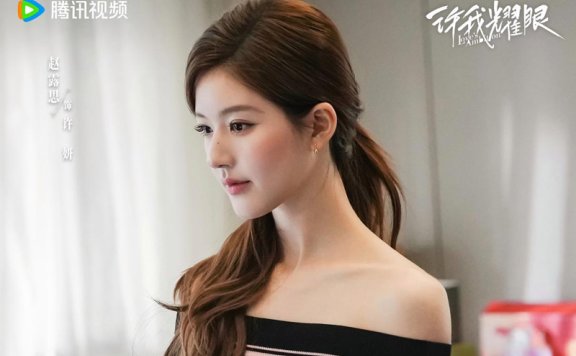
10 Actors Dominated 2025 as China’s Top Drama-Carriers
In 2025, the Chinese entertainment industry witnessed a significant shift as performers transcended traditional boundaries, embracing roles that defied expectations and showcased their depth. This year highlighted a move towards authentic storytelling, where actors demonstrated remarkable versatility across television and film. Their journeys from familiar archetypes to complex characters not only captivated audiences but also redefined success metrics, emphasizing artistic growth over mere popularity. 1. Liu Yuning (刘宇宁) - The Prisoner of Beauty, and A Dream Within a Dream Liu Yuning began his career as an online musician, but 2025 marked his emergence as a compelling actor. In the series The Prisoner of Beauty (折腰), he portrayed a leader with a mix of authority and vulnerability. His attention to small details, like subtle facial shifts, brought depth to intense scenes. This performance challenged perceptions about artists transitioning from digital platforms to mainstream media. He further displayed his range in A Dream Within a Dream (书卷一梦), where he took on two distinct roles. Switching between a cunning prince and a carefree swordsman, he used vocal variations and eye movements to differentiate them seamlessly. His dedication to refining each part underscored a self-taught approach that resonated with viewers and critics alike. Beyond… -
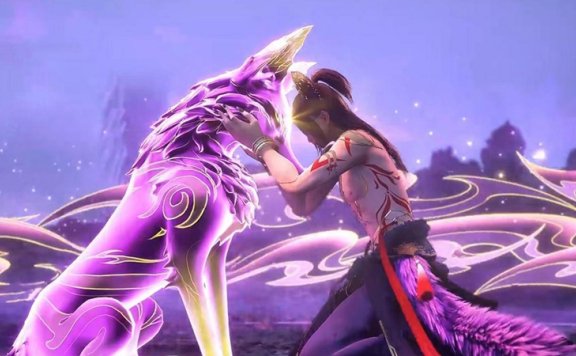
When Ink Drops Shatter Mountains in The Demon Hunter
What if a single brushstroke could rewrite reality? This is the foundational question at the heart of The Demon Hunter (沧元图), a phenomenon spanning web novel and animated series that has redefined the parameters of the Xuanhuan (玄幻) genre. Instead of traditional swords or elemental magic, its protagonist wields an ink-laden brush, turning the serene art of Shui Mo (水墨) painting into a devastating and beautiful form of combat. This fusion of classical Eastern aesthetics with high-stakes cultivation narratives creates a world where every battle is a masterpiece and every masterpiece is a battle, offering a visual and philosophical departure from the well-trodden paths of fantasy storytelling. The Brush as Blade At its core, The Demon Hunter is built on a revolutionary premise: artistic creation is the highest form of cultivation. The protagonist, Meng Chuan (孟川), does not simply learn spells; he internalizes the principles of composition, flow, and intent. His power is not drawn from an external well of energy but manifested directly from his artistic vision. A sweeping stroke might conjure a mountain range for defense, while a sharp, precise dot of ink could pierce an enemy's spiritual core. This system elevates the entire narrative, making every conflict… -
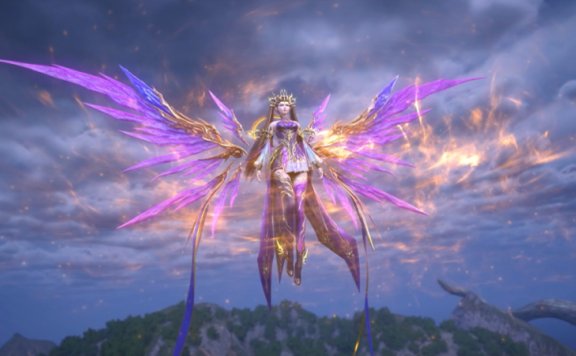
The Tai Xu Gu Long Clan Reigns Supreme in Battle Through the Heavens?
In the sprawling universe of Battle Through the Heavens (斗破苍穹), the Tai Xu Gu Long (太虚古龙) clan stands as a enigmatic force, often whispered about but rarely understood. This beast clan, cloaked in mystery, holds a reputation that echoes across the realms, yet their true might remains a subject of intense debate among followers of the series. Unlike more aggressive factions, they don't flaunt their power, preferring a reserved stance that only deepens the intrigue. As we delve into their capabilities, it becomes clear that their strength isn't just about raw numbers—it's woven into their very essence, from their innate abilities to their strategic positioning in a world teeming with conflict. Peak Strength The pinnacle of the Tai Xu Gu Long's power lies in their legendary figures, starting with the old dragon emperor, Zhu Kun (烛坤). As a nine-star Dou Sheng peak expert, he ranks among the elite of the Dou Qi (斗气) continent, a tier shared with formidable beings like Hun Tianzun (魂天帝) and Gu Yuan (古元). Although he has been trapped in the Ancient Emperor Cave for ages, his mere existence acts as a deterrent, a shadow that looms over potential adversaries. Even in absence, his legacy fuels… -
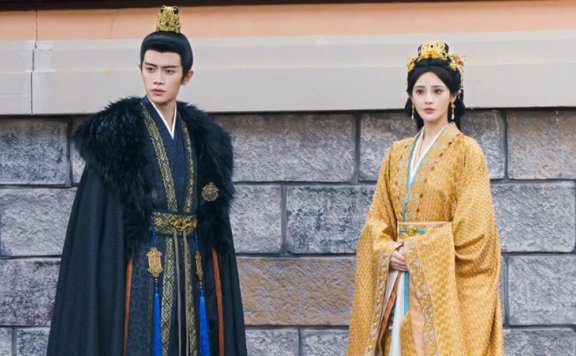
Ling Cangcang's Drunken Words Uncover Her True Feelings in Love & Crown
In the Chinese drama Love & Crown (凤凰台上), the emotional tension between Ling Cangcang (凌苍苍) and Xiao Huan (萧焕) captivates audiences with its raw intensity. Played by Peng Xiaoran (彭小苒) and Ren Jialun (任嘉伦), these characters navigate a relationship filled with unspoken words and misunderstood actions. Set against a historical backdrop, the series delves into themes of love, protection, and the walls people build around their hearts. A standout moment occurs when Ling Cangcang, under the influence of alcohol, lets slip her hidden emotions for Xiao Huan. This scene not only shifts the story's direction but also offers a profound look into her inner struggles, making it a pivotal point for character development and viewer engagement. Guarded Emotions Ling Cangcang consistently portrays a cold and distant attitude toward Xiao Huan throughout the early episodes of Love & Crown. Her dialogue is sharp and dismissive, designed to push him away and maintain an emotional barrier. This behavior stems from past hurts and misunderstandings that have left her wary of opening up. She responds to his kindness with indifference or criticism, creating a dynamic where he is constantly striving to bridge the gap while she remains aloof. Viewers are left to wonder… -
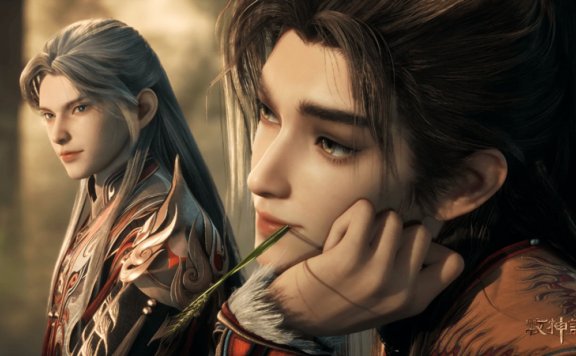
9 Hidden Masters of Canlao: Secrets Shape Tale of Herding God
In the hidden corners of the world within Tale of Herding God (牧神记), a place known as Canlao Village (残老村) shelters nine elderly individuals with physical disabilities. Each one possesses a secret history and extraordinary abilities that defy their humble appearances. This secluded community serves as the story's unexpected epicenter of power, where these masters have shaped destinies and guarded secrets. Their collective strength forms the backbone of the narrative, challenging perceptions of weakness and age. As we delve into their tales, we uncover a hierarchy of power that sparks debate and admiration among readers. Who stands at the pinnacle, and whose potential remains untapped? Let's explore the legends behind these enigmatic figures. 1. Su Muzhe (苏幕遮) Su Muzhe, the village chief, reigns as the undisputed top elder in Canlao Village. His past as the former Human Emperor marks him as a legendary swordsman who once illuminated an entire era with his prowess. In his prime, he challenged deities single-handedly, earning a reputation for unmatched skill. Despite losing his limbs in a fateful battle, his power remains formidable, anchoring the village's stability. This elder is not just a warrior; his cunning mind crafted the infamous "Bati" lie about Qin Mu… -

Xin Yunlai's Controversial Hat in The Ming Dynasty Youth
When Xin Yunlai (辛云来) appeared in behind-the-scenes photos for the new historical drama The Ming Dynasty Youth (明月录), set in Ming Dynasty China, social media erupted with comments about his costume. Many users claimed his wide-brimmed hat resembled styles from Korean historical dramas, igniting a debate over cultural influences. However, this headwear is actually a traditional Chinese item known as Damao (大帽), commonly worn by scholars and officials during the Ming era. This misconception highlights a broader issue where media portrayals can blur historical origins, leading audiences to misattribute cultural elements. As historical shows gain global popularity, understanding the authentic roots of such attire becomes crucial for preserving heritage and fostering accurate cultural appreciation. The drama, starring Xin Yunlai and Wang Churan (王楚然) in their first Ming-era collaboration, serves as a reminder that entertainment can shape perceptions, making it vital to delve into the facts behind the fashion. Hat Origins The Damao featured in The Ming Dynasty Youth is characterized by its broad, straight brim and varied shapes, from tall to short, and round to nearly square. Crafted from materials like bamboo, palm leaves, or felt, it was designed for practicality, offering protection from sun and wind during outdoor activities.… -
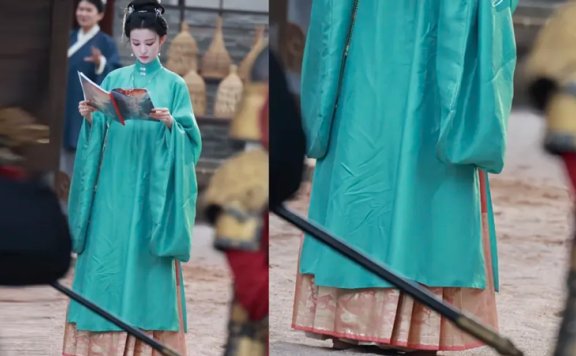
Wang Churan’s Floor-Grazing Top in The Ming Dynasty Youth
In the popular period drama The Ming Dynasty Youth (明月录), actress Wang Churan (王楚然) wears a long, flowing top that extends to her ankles, nearly obscuring the skirt beneath. This styling choice has sparked online debates about historical accuracy and fashion sense. Viewers question whether such lengthy garments were common in ancient times and if they diminish the visual appeal of traditional attire like the horse-face skirt. The discussion highlights a broader curiosity about how historical clothing influences contemporary costume design in television. This article explores the origins and significance of these elongated tops, tracing their roots to the late Ming Dynasty and examining their modern reinterpretations. Historical Roots During the late Ming period, particularly after the mid-Jiajing (嘉靖) era, women's fashion saw a shift toward longer, more subdued garments. Historical records, such as those by scholar Yang Shen (杨慎) in his work Sheng'an Waiji (升庵外集), note that women's tops resembled men's attire in length, often hanging just above the ground. This style emphasized a slender, effortless silhouette, with sleeves so wide they could span over a meter. The trend reflected societal changes, as economic pressures led to a preference for simplicity over opulence. Garments from this era, like those… -
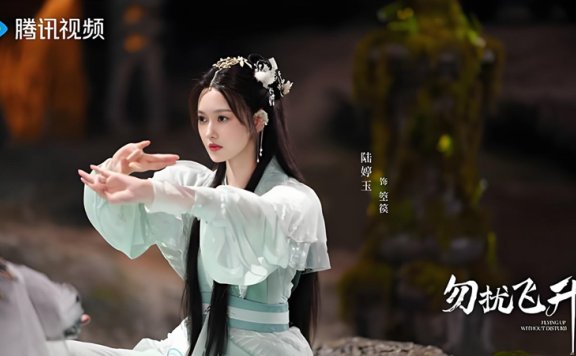
Exploring Zhongxi and Konghou's Story in Flying up Without Disturb
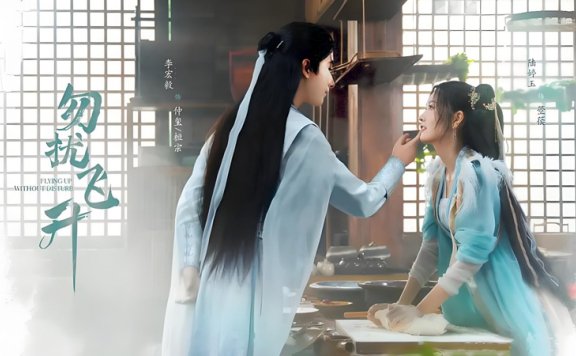
What happens when a cultivator's solitary path unexpectedly intertwines with another's destiny? In the world of Flying up Without Disturb (勿扰飞升), two young practitioners find their fates colliding in the most unexpected ways, proving that the journey to immortality is rarely walked alone. Zhongxi Zhenren (仲玺真人), a cultivator of significant prowess, finds himself battling a mysterious affliction that prevents him from properly absorbing spiritual energy. Meanwhile, the energetic Konghou (箜篌) prepares to leave her mountain sanctuary for the first time, unaware that her master has been intercepting all messages from the ailing cultivator who secretly occupies her thoughts. Their separate journeys will soon converge, but not before navigating the complex web of cultivation politics, hidden dangers, and their own emerging feelings. Separate Struggles Within the quiet confines of his chamber, Zhongxi Zhenren attempted to circulate his spiritual energy, only to be met with waves of excruciating pain. Each attempt to draw upon the ambient Lingli (灵力) left him weaker than before, his body rejecting the very energy that should be healing him. The mysterious poisoning defied all his knowledge of cultivation techniques, leaving him frustrated and isolated. His concern extended beyond his own condition, as the continued silence from Konghou… -
Flying up Without Disturb: Why Is This Xianxia Comedy So Addictive?
In a landscape crowded with fantasy dramas, Flying up Without Disturb (勿扰飞升) stands out by flipping the script on traditional Xianxia tropes. This series, adapted from a high-rated novel, swaps intense emotional turmoil for witty banter and lighthearted adventures. Led by Li Hongyi (李宏毅) and featuring Xu Jiaqi (许佳琪), the show delivers a unique blend of humor and heart that feels both refreshing and engaging. Instead of focusing on dark conflicts or tragic romances, it invites viewers into a world where laughter and personal growth take center stage. For anyone tired of predictable plots, this drama offers a cheerful escape that is as entertaining as it is original. Unexpected Twists The storyline of Flying up Without Disturb immediately sets it apart from typical genre offerings. Konghou (箜篌), the female lead, begins as a human princess facing adversity but quickly becomes a fortunate figure in the cultivation realm. Rather than embracing her luck passively, she actively seeks out challenges, leading to a series of amusing mishaps. Her journey defies the usual damsel-in-distress narrative, offering a protagonist who drives her own destiny with determination and a touch of modern sensibility. When Konghou encounters Huanzong (桓宗), a seemingly frail cultivator, their initial meetings… -

Why Don't Modern Chinese Men Grow Facial Hair?
In ancient China, a luxuriant beard was the ultimate symbol of masculine maturity and charm. Historical portraits and literary classics are filled with descriptions of venerable men distinguished by their impressive facial hair. Yet in contemporary China, from the bustling streets of Shanghai to the screens of popular television dramas, the bearded face has all but disappeared. This shift raises a compelling question about the evolution of male aesthetics. Why has a feature once so central to a man's identity fallen so dramatically out of favor? The answer lies at the intersection of changing beauty standards, media influence, and a fundamental redefinition of what constitutes male attractiveness today. Historical Significance For centuries, facial hair was far more than a simple biological trait; it was a powerful social signifier. In the hierarchy of classical aesthetics, a fine beard indicated wisdom, virility, and social standing. Historical texts and paintings consistently depict revered figures, from scholars to generals, adorned with beards. The legendary warrior Guan Yu (关羽), a central character in the Romance of the Three Kingdoms (三国演义), is famously remembered as the "Gentleman with the Beautiful Beard." His long, flowing beard was an integral part of his formidable and honorable image, a… -
The Quiet Power of Zhang Ruonan’s Green Warring States Robe
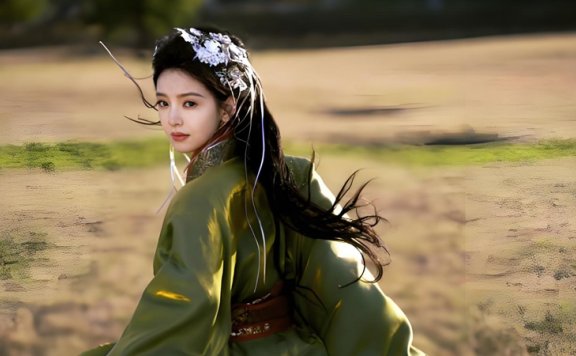
In the ever-evolving landscape of fashion and media, a striking trend has emerged from the depths of history, capturing imaginations and challenging long-held stereotypes. Zhang Ruonan (章若楠), a prominent figure in the entertainment industry, recently donned a vibrant green Warring States robe in a photoshoot that has sparked widespread discussion. This attire, rooted in ancient Chinese history, is not just a garment but a narrative tool that blends elegance with resilience. Traditionally, the concept of a "big female lead" in stories and style has been associated with bold, assertive visuals, often dismissing softer aesthetics as weak or insignificant. However, Zhang Ruonan's portrayal in this robe defies such narrow definitions, illustrating how gentleness can coexist with unwavering determination. Her appearance, set against natural backdrops like lush grasslands and wooded areas, evokes a sense of timeless beauty, as if she's a character from a historical epic, poised between vulnerability and strength. This photoshoot does more than showcase fashion; it invites viewers to reconsider what it means to be powerful, suggesting that true strength often lies in subtlety and grace. As we delve into this phenomenon, it becomes clear that the Warring States robe is more than a trend—it's a symbol of a… -
Rabbit Ear Hairstyle in Tang Dynasty Ⅲ
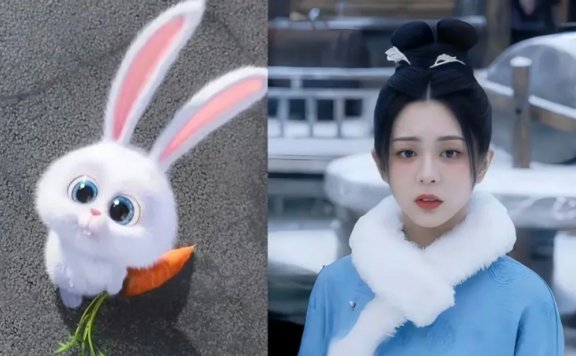
In the popular series Strange Tales of Tang Dynasty Ⅲ: Chang'an (唐朝诡事录之长安), the character Xi Jun (喜君) captivates audiences with her charming hairstyle that resembles rabbit ears. This look has sparked curiosity and admiration online, with many viewers wondering about its name and origins. Far from being a modern invention, this hairstyle has deep roots in Tang Dynasty fashion, where it symbolized youth and vitality. It frequently appears in historical dramas, often paired with traditional attire like Qixiong Shanqun (齐胸衫裙), enhancing the playful and innocent aura of female characters. This article delves into the history, variations, and enduring appeal of this distinctive style, revealing how ancient beauty standards continue to influence today's media. Ancient Origins The rabbit ear hairstyle is broadly categorized as Shuangji (双髻), meaning "double bun." This style was especially popular during the early to high Tang period, characterized by two buns positioned on the head, sometimes with a central gap or crossed sections. Historical records, such as those from the Five Dynasties period, note its prevalence among young women, reflecting societal norms where hairstyles indicated age and marital status. For instance, unmarried girls often wore Shuangji to showcase their youth, while mature women opted for more elaborate…