Article
搜索结果:
-
The Paternal Guides and Heartfelt Bonds in Legend of the Magnate
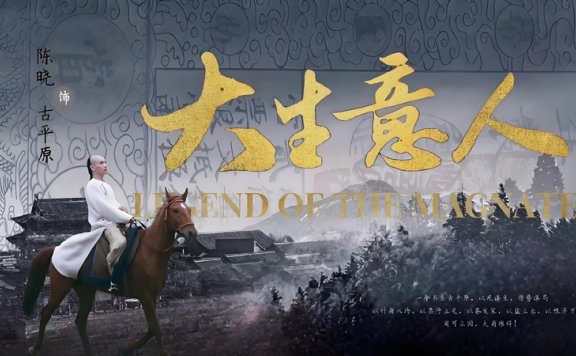
Historical dramas often weave ambition and fate into grand tapestries, but few threads are as startling as the one followed by Gu Pingyuan (古平原). His story begins not in a mansion but in despair, a scholar whose path to imperial examination glory was shattered in an instant. A single act of spilled ink rerouted his destiny from scholar to exile, casting him into the remote harshness of Ninggu Pagoda (宁古塔). What defines Gu is not the fall, but the arduous climb back. Survival in exile required a different kind of cunning. The classical texts in his mind gradually made room for the calculus of the marketplace. His journey from the frozen frontier to the pinnacle of the Qing dynasty's commercial world is a relentless pursuit of both justice and prosperity, a quest to unravel the conspiracy that upended his life. The television adaptation, Legend of the Magnate (大生意人), has rapidly captivated audiences. While praised for its scale and emotional pull, viewers note a familiar echo. Gu Pingyuan's remarkable blend of scholarly wit, martial prowess, and disruptive commercial savvy feels less like a historical figure and more like a direct descendant of a modern archetype. The comparison is inevitable: here stands… -

Why On the Love & Crown’s Heartbreaking Finale Resonates
Why does a drama's heartbreaking finale linger so powerfully in our minds long after the screen fades to black? The recent conclusion of the historical costume drama Love & Crown has ignited fierce debate and left audiences in a collective state of sorrow. The series, starring Ren Jialun (任嘉伦) and set in a fictional dynastic court, culminates in a near-total tragedy: the male lead, Emperor Xiao Huan (萧焕), sacrifices himself to save the realm; his beloved, Ling Cangcang (凌苍苍), dies years later from heartbreak and illness; and even supporting characters meet grim fates. This deliberate departure from conventional happy endings challenges viewers and raises questions about narrative choices in historical romances. Is this profound tragedy a meaningful exploration of duty versus desire, or merely manipulative storytelling? The answer lies not just in the ending, but in the journey of the characters who embody these irreconcilable conflicts. The Weight of the Crown At the heart of Love & Crown is a brutal exploration of identity. Xiao Huan is fractured. As emperor, he is a symbol of state power, a puppet maneuvering through political intrigue, forced to suppress personal sentiment to balance treacherous ministers. His life is one of calculated isolation. Yet,… -
Unpacking the Horror of Treasure at Dawn
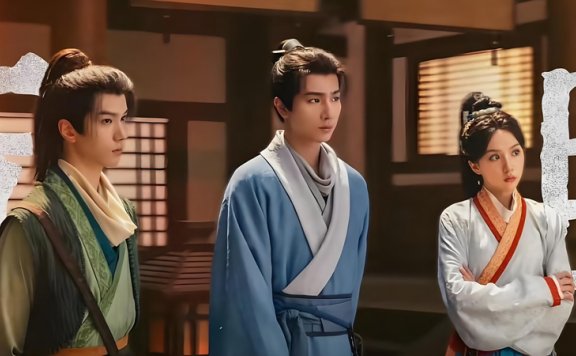
A historical drama arrives without warning or promotion. Yet, within days, it has viewers clutching their pillows, peeking through their fingers, and sacrificing sleep. Its secret weapon? A potent fusion of folkloric nightmares and forensic medicine. The show, titled Treasure at Dawn (天书黎明), has ignited online forums, spawning a trending topic with over 180 million reads labeled "the pinnacle of Chinese suspense." By weaving murder plots into the fabric of traditional culture—where a shadow puppet show forecasts death and a ritual dance masks extermination—it taps into a deep, chilling vein of horror that feels intimately familiar and utterly terrifying. The Folkloric Trap The terror here doesn't rely on sudden shocks or gore. Instead, it weaponizes cultural comfort. The first case, "The Murderous Shadow Play," sets the tone. During a performance of the "Ten Courts of Hell," a wealthy merchant collapses, bleeding from his senses. On the screen, the leather silhouette eerily mimics his death throes. The investigator, Fuchen (符生), a brilliant but eccentric physician, examines the body. He finds specks of powder on the victim's clothes. A silver needle inserted under a fingernail turns black instantly. "Datura pollen mixed with toad venom," he mutters. "The play was a performance, but… -
The Twisted Web of Vengeance in Legend of the Magnate
In the cutthroat world of Qing Dynasty commerce, a single victory can plant the seeds for a far greater defeat. This is the harsh lesson learned by tea merchant Gu Pingyuan (古平原), the protagonist of the period drama Legend of the Magnate (大生意人). After achieving the prestigious title of "Finest Tea Under Heaven," he finds himself not celebrating in the capital, but delivered in chains back to his personal hell: the remote, freezing penal colony of Ningguta (宁古塔). His tormentor? The very man he once ruined, the former garrison commander, Xu Feng (徐丰). Yet, as Gu soon discovers, the hand that delivered him to this fate was not Xu's, but that of a far more calculating and dangerous foe: the enigmatic Su Zixuan (苏紫轩). Anatomy of a Revenge Xu Feng's demise is a spectacle of self-engineered spite. Luring Gu Pingyuan back to Ningguta under false pretenses, he never intended to travel to the capital. His goal was a twisted, mutual destruction. By creating a scenario that would attract a wolf pack, he sought to make Gu experience his own fall from grace—a plummet from the clouds of hope back into the mud of despair. His final act was to burn… -
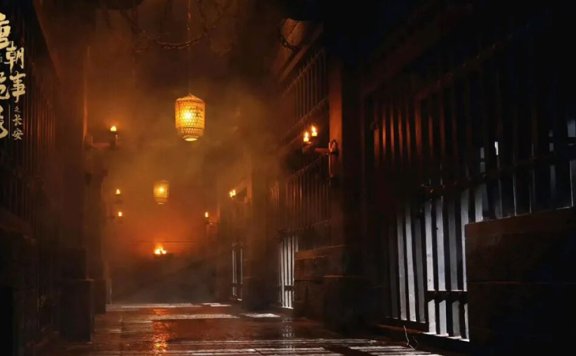
Tang Gui Ⅲ: What Makes Chinese Horror So Unnervingly Unique?
In the depths of the Tang Dynasty’s nocturnal capital, a different kind of fear takes shape. It does not leap from shadows with claws bared, but seeps from the cracks of history itself. The drama Strange Tales of Tang Dynasty Ⅲ: Chang'an (唐朝诡事录之长安) masterfully unveils this distinctive school of terror, one that scores high not with graphic violence but with a profound, culturally-rooted dread. Its power lies in the unsettling space where documented history bleeds into folkloric nightmare, where the grandeur of a golden age casts the longest, most distorted shadows. This is horror that resonates in the silent moments, making audiences feel a chill that is ancient, familiar, and deeply psychological. History’s Heavy Shadow The series is meticulously built upon the solid ground of historical reality. The painstakingly recreated 108 wards of Chang'an are not just a backdrop but an active participant. The stark contrast between the bustling daytime markets and the eerie, lantern-lit silence after curfew creates a perfect habitat for fear. Cases are cleverly woven from historical threads. An incident involving a tribute golden peach from the Western Regions merges official records with a legend of a monstrous avian creature. Another mystery, set in a ghost market, grafts… -
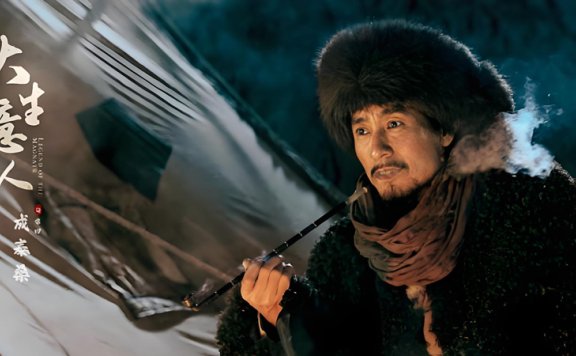
Bold Investment in Legend of the Magnate: Partnerships & Empire Growth
In the television drama Legend of the Magnate (大生意人), a seemingly straightforward transaction leaves audiences baffled. When the tea harvest is abundant, the merchant Hou Er (侯二) suppresses prices. The protagonist, Gu Pingyuan (古平原), defiantly offers farmers a ten percent higher price, pledging to buy the tea himself. However, he lacks the capital. He sends a note to Jin Da Nainai (晋大奶奶), matriarch of the Lao Ba family's banking empire, requesting a loan of 50,000 taels of silver. Her response is astonishing. She arrives in person, not with 50,000, but with 200,000 taels—a fortune equivalent to millions today. This move defies simple logic. It wasn't merely about repaying a past favor; it was a masterclass in long-term investment and strategic positioning. A Tested Partnership Jin Da Nainai's decision stemmed from profound trust in Gu Pingyuan's abilities. Their history was one of mutual salvation. When the Lao Ba family faced ruin, imprisoned by the scheming Li Wantang (李万堂), it was Gu's idea of issuing "fictitious checks" that secured their release. The crisis didn't end there. Li later attempted to withdraw a massive deposit, threatening the bank's liquidity while luring customers with higher interest. Gu devised another clever plan, turning Li's own… -
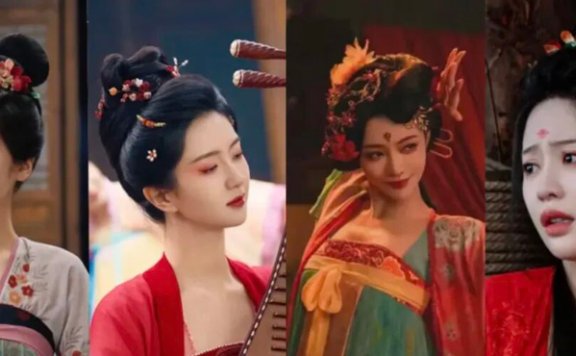
Who Truly Embodies the Splendor of Luoyang in Tang Gui Ⅲ
The finale of Strange Tales of Tang Dynasty Ⅲ: Chang'an (唐诡3) has sparked vibrant discussions, particularly around its female characters. Many viewers argue that the supporting roles outshine the lead, creating a rich tapestry where each woman possesses a distinct and compelling beauty defined by her unique styling and narrative purpose. Vitality and Ingenuity Pei Xijun (裴喜君), portrayed by Gao Siwen (郜思雯), captivates with her signature "bunny" hairstyle. This look, featuring twin buns resembling rabbit ears, falls under the broader category of Shuangji (双髻). It perfectly mirrors her clever and lively personality. Her wardrobe, dominated by Qixiong shanqun (齐胸衫裙) robes in soft yellows and pinks, enhances a youthful, delicate charm. The costume design employs a clever color strategy. While the base palette is gentle, stylists introduced subtle contrasts with muted reds and blues or yellows and greens. These accents add visual pop without overwhelming the character's sweet essence, making her outfits both period-appropriate and strikingly modern to the eye. This thoughtful styling extends to Chu Yingtao (褚樱桃), played by Sun Xuening (孙雪宁). Her character's martial prowess is reflected in modified Yuanling (圆领) robes with detachable sleeves and turned-down collars, offering a practical yet elegant silhouette. The dominant deep hues of… -
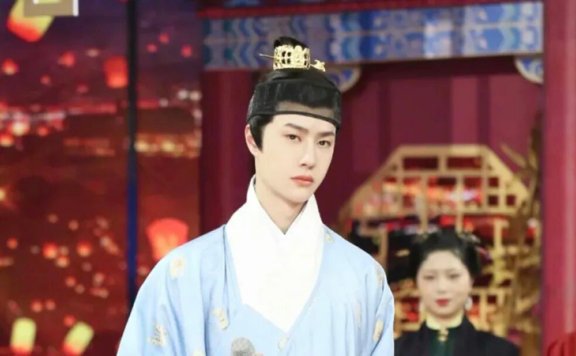
Wang Yibo's Hair Net: A Ming Dynasty Fashion Statement or Modern Mystery?
When Chinese actor and singer Wang Yibo (王一博) appeared on the variety show Day Day Up (天天向上) years ago, a specific costume detail ignited online curiosity. His headpiece, resembling a sparse fishnet, led many to wonder if it was a styling error. However, this accessory was a deliberate choice, rooted in centuries of tradition. Far from a mistake, it represents the Wangjin (网巾), a functional hair net from China's Ming Dynasty. This glimpse into historical fashion, facilitated by a modern celebrity, opens a window to understanding how everyday items from the past carried significant cultural weight. The conversation it sparked highlights a common disconnect between contemporary perceptions and historical reality, urging a closer look at the artifacts that shaped daily life in ancient China. Origins and Use The Wangjin was a foundational item in the wardrobe of Ming Dynasty men. Designed as a mesh net, its primary function was to bind one's hair, or bundle the hair, containing loose strands and creating a neat base for headwear. Its adoption was not merely a fashion trend but a practical solution for managing hair, which was typically worn long. The net also provided grip, preventing hats and official headdresses from slipping during… -
The Tragic Downfall of Heaven-South's Mad Cultivator
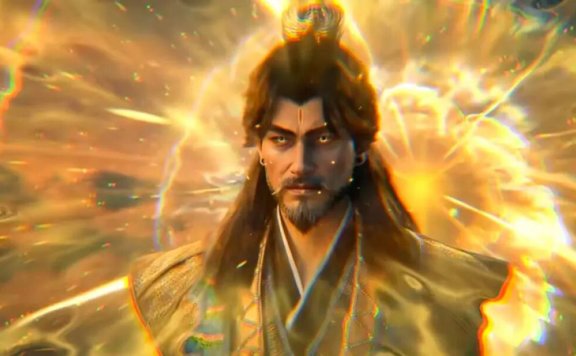
What happens when a lone wolf defies an entire world order? In the stratified universe of cultivation, where powerful sects hoard knowledge and resources, the story of a solitary practitioner reaching the pinnacle is almost mythical. The tale of Cang Kun Shangren (苍坤上人) is one such legend—a story not just of spectacular ascension but of a catastrophic, self-engineered downfall. From a resource-less rogue to a late-stage Yuanying (元婴) expert who made the heavens tremble, his journey rewrote the rules. Yet, his name is now a cautionary whisper, a mystery wrapped in ancient malice and personal ambition. This is the unraveling of the so-called Heaven-South's Mad Cultivator, a man who challenged empires only to become a puppet in a far older game. The Rise of a Renegade Cang Kun's path was one of relentless, violent self-reliance. Without the backing of a great sect, he turned the most forbidden ruins and perilous secret realms into his personal treasury. He fought for every scrap of spirit herb, every fragment of ancient jade slip containing lost techniques. His methods were brutal and transactional, recognizing no authority but his own growing power. This philosophy forged a terrifyingly strong cultivator but also painted a target on… -
How Did Ancient Chinese Bathe?
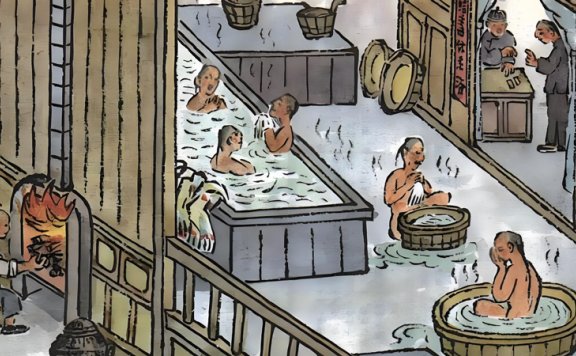
Today, a shower involves stepping into a tiled space, reaching for brightly bottled gels, and enjoying instant lather. But in ancient China, from the dusty courts of the Zhou to the bustling markets of the Qing, bathing was a deliberate practice woven into the social and spiritual fabric. Without modern plumbing or chemistry, people turned to the earth and kitchen for solutions. This narrative isn't about mere cleanliness; it's about a cultural dedication to purity that evolved over millennia, using everything from grain runoff to animal organs. The story of their bathing rituals reveals a sophisticated, resourceful approach to personal care that rivals our own in ingenuity and intent. Bathing Rituals In ancient China, washing was codified. The classic text Book of Rites prescribed washing hair every three days and bathing the body every five. This was not a casual suggestion but a recognized standard for refinement and health. During the Han Dynasty, this principle was institutionalized for officials, who were granted a "rest and bath" day every fifth day to attend to personal hygiene. Such practices underscored that cleanliness was both a private duty and a public expectation. The language itself was precise. The act of cleansing was divided… -
How Attire and Hairstyles Showed Servant Status in Imperial China
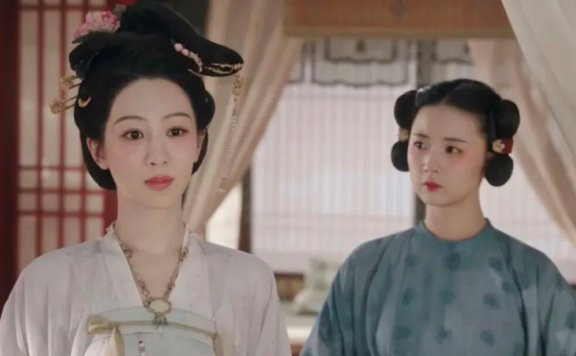
In contemporary historical dramas set in ancient China, a puzzling visual trend often leaves viewers scratching their heads: maidservants and their mistresses appear almost identically dressed, differentiated only by slightly less elaborate accessories. This blurring of costume hierarchies challenges audience perception and raises questions about historical authenticity. What were the actual sartorial rules for servants in imperial households? How did clothing and hairstyles clearly demarcate social standing? Moving beyond modern screen interpretations, historical artifacts and paintings reveal a defined and practical aesthetic for maidservants, one that balanced functionality with visible subordination. Understanding these codes not only enriches our view of the past but also offers a lens to critique current cinematic practices. Attire and Status Servants' clothing across dynasties was fundamentally shaped by practicality and symbolism. Unlike their mistresses, who wore luxurious silks and brocades, maidservants typically donned garments made from humble Mian (棉, cotton) and Ma (麻, linen). These fabrics were affordable, durable, and suited for daily chores. After cotton's proliferation in the Ming dynasty, it became the standard material for working attire. The basic ensemble often consisted of a simple, cross-collar top worn over trousers, allowing for ease of movement during tasks like cleaning, serving, or accompanying the… -
6 Standout Chinese Dramas Preview 2025 Screens
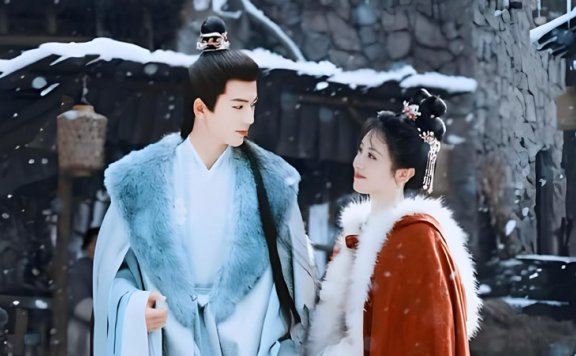
Television platforms are preparing an eclectic mix of series for the upcoming year. Audiences can look forward to Wuxia sagas that blend action with deeper themes, alongside shows highlighting rural renewal. One drama might trace a protagonist's personal growth, while another unravels complex power dynamics. Their concise storytelling and capable casts make them stand out. This breadth ensures diverse viewing experiences, from emotional journeys to suspenseful plots. Have you considered which ones to follow? Chinese television is currently experiencing a vibrant transformation, with storytellers breaking away from conventional templates to deliver series that are as thought-provoking as they are entertaining. This shift is characterized by a move towards nuanced character development, innovative genre blends, and a deeper engagement with cultural elements that resonate with modern viewers. The six dramas discussed here—each distinct in tone and approach—exemplify this new direction, offering fresh perspectives on historical and mythological narratives. They prioritize human connections and personal growth over grandiose plots, making the viewing experience both intimate and expansive. By focusing on relatable struggles and triumphs, these shows are redefining what period and fantasy series can achieve, captivating audiences with their authenticity and creativity. Pursuit of Jade (逐玉) In Pursuit of Jade, the narrative… -
Passionate Sagas & Anguish-Satisfaction: The Emotional Pull Shaping Chinese TV
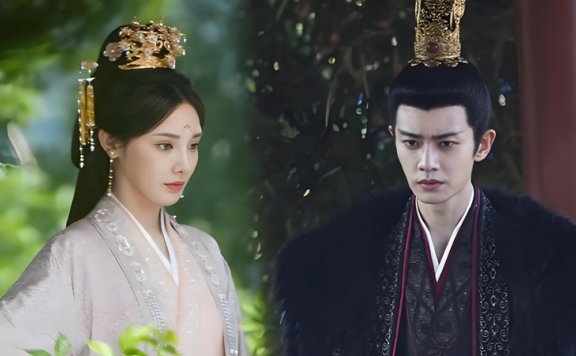
Television audiences are gravitating toward narratives where deep affection clashes with sharp conflict. A phrase like Passionate Sagas now peppers online forums, summing up this pull toward stories where bonds are tested by fierce emotions. In The Prisoner of Beauty (折腰), leads display warmth while hiding private agendas. Love & Crown (凤凰台上) shows he and she divided by a mentor's death yet drawn together. Even cinema captures this, as in The Sun Rises on Us All (日掛中天), where a street-side glance between Zeng Meiyun (曾美云) and Bao Shu (葆树) speaks volumes. This pattern, often called Anguish-Satisfaction, weaves mild anguish into rich emotional payoffs. Creators are noting how viewers embrace these layered tensions, shaping new projects to feed this appetite. 1. Love and Hate in Modern Drama In today's television landscape, a distinct narrative pattern captivates audiences by weaving together deep-seated conflict and passionate romance. This approach, often seen in series where characters grapple with opposing loyalties or historical grievances, draws viewers into a whirlwind of feelings. Stories that pit love against hatred or duty against desire have become a staple, offering a mix of heartache and hope. They tap into universal emotions, making the journey of characters who cannot easily… -
Top 10 Must-Watch Chinese Period Dramas of 2025
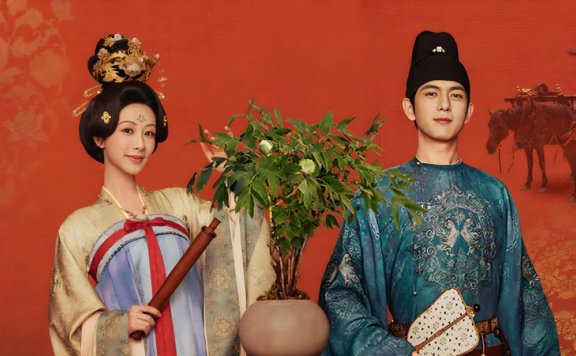
This year, historical series have transformed television with their inventive approaches. The Legend of Zang Hai immediately captivated viewers, setting a precedent for narrative depth. It blends suspense with emotional arcs that keep audiences engaged. Another standout, The Demon Hunter's Romance merges the supernatural into ancient settings, offering a fresh perspective. Meanwhile, Strange Tales of Tang Dynasty Ⅲ: Chang'an delves into Tang dynasty enigmas, where each revelation builds tension. These productions highlight a shift toward complex storytelling, resonating with fans who seek more than mere escapism. Flourished Peony (国色芳华) Aired: 2025 Douban rating: 7.8 Period Background: A fictional ancient dynasty reminiscent of the Tang era, focusing on urban commerce and aristocratic circles. Genres: Historical Drama, Business, Female Empowerment, Political Intrigue Main Roles: Yang Zi (杨紫) portrays He Weifang (何惟芳), a determined merchant's daughter; Li Xian (李现) appears as Jiang Changyang (蒋长扬), a clever official with a hidden agenda; supporting actors include Wei Zheming, Zhang Yaqin, and Tu Songyan. Adapted from: The novel by Yi Qianzhong (意千重), which originally serialized online. Plot Deep Dive: He Weifang enters a marriage of convenience to aid her ailing mother, only to encounter coldness and deceit from her husband's family. After discovering fraudulent medicinal practices,… -
Yun Wangshu's Vengeance: The Core of Eclipse of Illusion
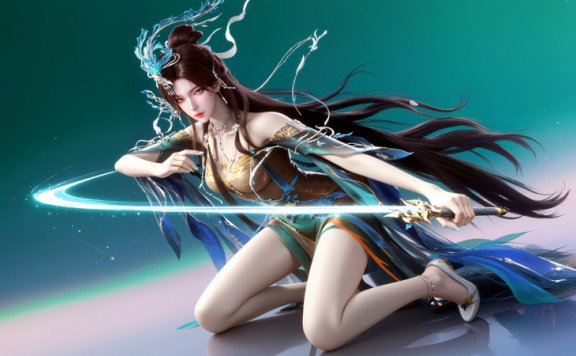
In a genre often dominated by romantic entanglements and damsel-in-distress narratives, the Chinese animated series Eclipse of Illusion (云深不知梦) presents a starkly different protagonist. This is not a story about finding love; it is a brutal, calculated narrative of retribution. The series immediately captivates with its intense emotional depth and visual grandeur, focusing on a woman whose entire world was shattered in a single, bloody moment. Her journey back is paved not with hope, but with a cold, relentless desire for justice, redefining what it means to be a strong female lead in modern animation. A Bloody Wedding The story of Eclipse of Illusion begins at what should have been a joyous climax. Yun Wangshu (云望舒), the young mistress of the Zhenlan Zong (镇岚宗) sect, stands at the center of a lavish wedding ceremony. The scene is one of celebration and bright colors, a visual representation of her anticipated future. Without warning, this illusion is violently torn apart. The event transforms into a meticulously planned massacre, resulting in the destruction of her sect and the death of her family. The most devastating blow comes from a personal betrayal, leaving her physically broken and emotionally ravaged, forced to flee for her life. This… -
Xu Zhengxi's Hat in Yong'an Dream Look So Unusual?
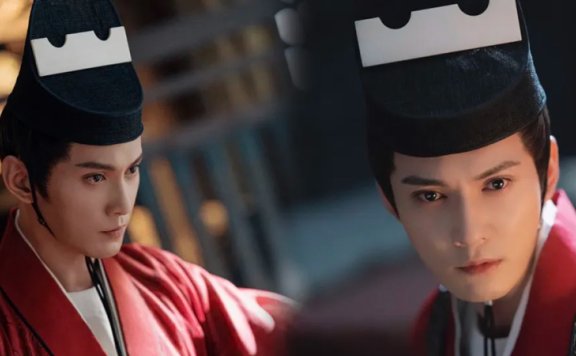
An online discussion has erupted around the distinctive headwear worn by actor Xu Zhengxi (徐正溪) in the historical drama Yong'an Dream (永安梦). Instead of the typical ornate crowns, his character sports a cap with what appear to be two small, curious eyes peeking out from the top. This unique design has captivated viewers, with many joking that only he could carry off such a peculiar look. The answer to this sartorial mystery lies not in a costume designer's whim, but deep within the fashion history of ancient China. This headpiece is a gateway to understanding the practicalities and social codes of attire during a dynamic period in Chinese history. The Hat's True Identity The cap is known as a Pingjin Ze (平巾帻). A Ze was a type of informal cap worn under more formal headpieces, and its use dates back to the Han Dynasty. It became particularly popular from the Wei and Jin periods through the Sui and Tang dynasties, frequently worn by military officials. The two horizontal protrusions that resemble eyes are not decorative. They are the ends of a horizontal hairpin called a Zan Dao (簪导), which was used to secure the cap firmly to the wearer's hair.… -
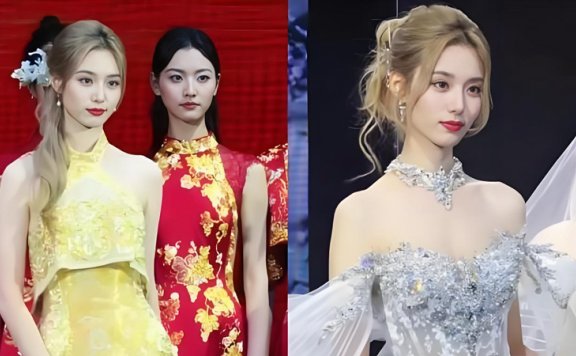
Xu Yiyang’s Show-Stopping Moments at Bridal Fashion Week
When Xu Yiyang (徐艺洋) stepped onto the runway at the Sanya (三亚) International Bridal Fashion Week, she did more than just showcase dresses; she ignited a conversation about style, celebrity, and personal evolution. The young artist, known for her roles in television and variety shows, took on the role of a bridal experience officer, presenting two distinct looks that captured widespread attention. Her appearance quickly trended on social media, with fans and critics alike praising her poised demeanor and flawless appearance in unedited photos. This event marked a significant moment in her career, transitioning from a pop idol to a fashion influencer, and left many wondering about the motivations behind her bridal-themed debut. Golden Cheongsam Glamour The first outfit was a modern interpretation of the classic cheongsam, crafted in a shimmering gold hue that highlighted Xu Yiyang's fair complexion and elegant posture. Designers blended traditional elements with contemporary touches, such as a semi-high neckline and a central bow fastening, which added a playful yet refined edge. The dress featured a floor-length silhouette with a high slit, allowing for fluid movement that echoed both grace and confidence on the catwalk. This combination of old and new resonated with viewers, who noted… -
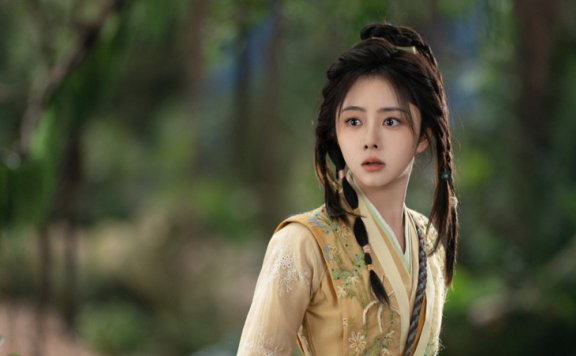
The Unclouded Soul: A Mythic Romance Across Human-Demon Realm
As December approaches, iQiyi prepares to unveil The Unclouded Soul (逍遥传), a historical fantasy romance that promises to enchant audiences. This series, produced with Liubai (留白) Film and Television, brings together a talented cast including Tan Songyun (谭松韵), Hou Minghao (侯明昊). Its blend of mystical elements and heartfelt relationships has already generated significant buzz, positioning it as a potential standout in the year-end lineup. Viewers can expect a visually rich narrative that explores love across boundaries, set against a backdrop of conflict and discovery. Character Dynamics At the heart of The Unclouded Soul lies the turbulent history between humans and demons, centered on the Yuli Shenquan (玉醴神泉), a sacred spring that has sparked a hundred-year war. This cycle of strife is unexpectedly interrupted when The Unclouded Soul, a lively human girl, accidentally enters the Wan Yao Gu (万妖谷). Her intrusion not only disrupts the demon realm's peace but also leads her to cross paths with Hong Ye (红烨), the demon king. Their initial encounter is charged with tension, as two vastly different worlds collide in a moment that alters their fates forever. The Unclouded Soul's character, portrayed by Tan Songyun, embodies a blend of innocence and resilience. She navigates the… -
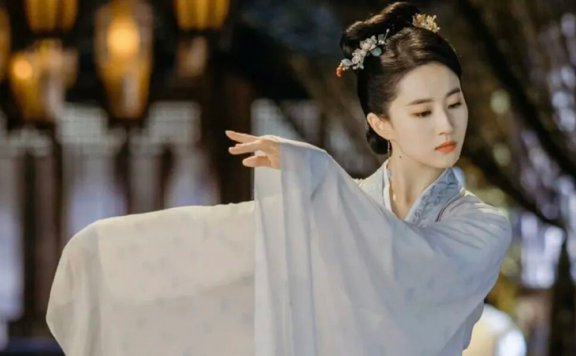
Why Do Chinese People Show Less Interest in Dancing?
In the heart of ancient China, dance was not merely entertainment but a vibrant expression of life and culture, particularly during the Tang Dynasty. This era, known for its economic prosperity and cultural exchanges, saw dance flourish in ways that might surprise modern observers. Today, however, the lively dance floors of old seem a distant memory, leading many to wonder why such a rich tradition has faded. This article delves into the dynamic world of Tang dances, exploring their forms and the historical shifts that quieted their rhythms, offering a fresh perspective on a cultural evolution that resonates beyond time. Vibrant Jianwu Jianwu (健舞), or vigorous dance, epitomized the energy and strength of Tang performers, captivating audiences with its lively movements. This style included subtypes like Zhezhi (柘枝), which originated from Central Asia and featured solo female dancers moving to drumbeats in a blend of power and grace. Historical records, such as those in Yuefu Zalu (乐府杂录), highlight how these dances reflected the era's openness to foreign influences, with performers like Gongsun Daniang (公孙大娘) celebrated for their skill. Her performances, described in poetry, showcased a mastery that left a lasting impression on spectators, illustrating how Jianwu became a symbol of… -
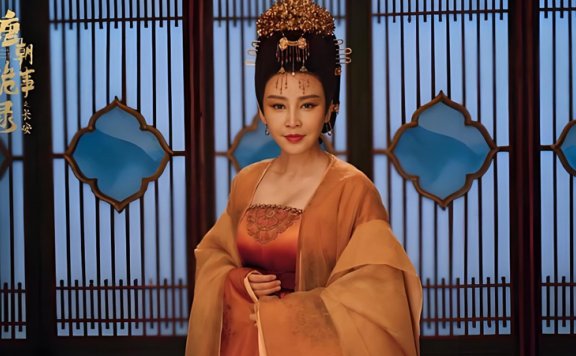
The Grand Princess in Tang Dynasty Mysteries
Have you encountered a character so boldly portrayed that she defies typical television norms? In the captivating series Strange Tales of Tang Dynasty Ⅲ: Chang'an (唐朝诡事录之长安), one figure consistently captures attention without conforming to standard beauty filters or humble dialogues. This show, set in the bustling capital of the Tang Dynasty during the early 8th century, blends detective work with political intrigue, offering a fresh take on historical drama. Unlike many romantic tales, it prioritizes suspense and clever plotting, with characters like the enigmatic Grand Princess standing out for her unapologetic presence. Played by Yue Lina (岳丽娜), she brings a layer of complexity that resonates deeply with modern audiences, making her a fan favorite despite—or because of—her extravagant demeanor. Her Character From her first appearance, the Grand Princess commands the screen with a regal aura that feels both authentic and exaggerated. Her lavish costumes and distinct visual treatment, including a personalized smoothing effect, have sparked discussions. Instead of criticism, viewers applaud this choice, seeing it as a reflection of her elevated status in the story. This approach highlights how character depth can outweigh superficial expectations, drawing people into her world of power and ambition. Her dialogues are equally striking, filled…