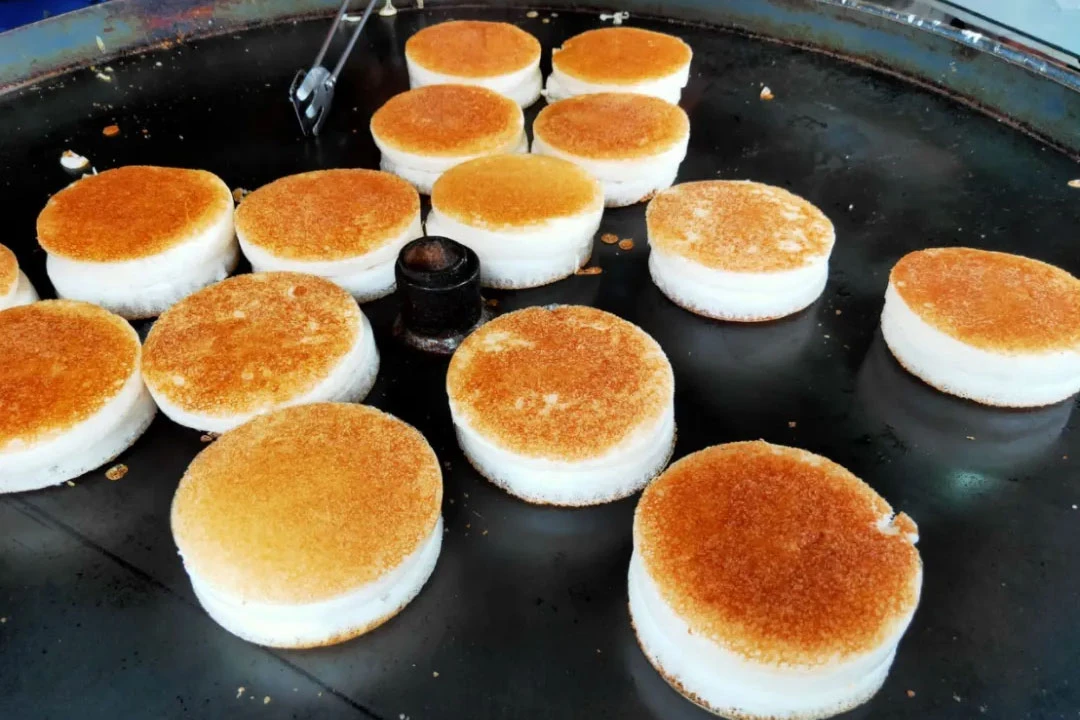

My early years were spent in the dry northern plains, where meals rarely featured the sticky, glutinous rice common in southern kitchens. I knew Nuomi (糯米) only through the sweet, powdered form of Yuanxiao (元宵) during festivals. Life shifted when I relocated my family to Yunnan (云南), a place where this grain thrives in the humid climate and becomes a daily staple. Here, it is not just food; it forms the backbone of countless local dishes, offering both sustenance and comfort.
In my new home, I discovered how Nuomi serves as a versatile base for meals. One simple preparation involves steaming it with red beans and wrapping the mixture in lotus leaves, creating a fragrant parcel. Another favorite is frying it with minced meat and spring onions until it develops a crisp, golden crust. These methods highlight its ability to absorb flavors while maintaining a pleasing, chewy texture that contrasts with other ingredients.
Beyond taste, this grain provides steady energy and is gentle on the stomach, making it a reliable part of the diet. Sharing these cooking styles feels like revealing small secrets from my kitchen. Perhaps you have your own version, or maybe this sparks an idea to experiment with something new in yours.

1. Steamed Savory Parcels
The process begins with preparation. Dried shiitake mushrooms are rehydrated until soft, then finely diced alongside lap cheong, celery, scallion whites, ginger, and red chili. A wok is heated, oil shimmering, before this aromatic mixture is added, its fragrance awakening as it hits the hot surface. Ground beef joins next, sizzling and browning, with a splash of rice wine to deglaze the pan and cut the richness.

Once the meat has cooked through, pre-steamed glutinous rice is incorporated, the grains eagerly soaking up the savory juices. The mixture is seasoned with light and dark soy sauce, and a pinch of salt, turning a consistent, appealing brown. This becomes the hearty filling for the Shaomai (烧麦).
A portion of the filling is placed in the center of a thin, store-bought wrapper. The key to shaping it is using the tiger's mouth—the space between the thumb and forefinger—to gently squeeze the wrapper around the filling. A small spoon helps press and compact the top while rotating the dumpling, creating a pleated, open-faced bundle. These are then steamed over boiling water for about ten minutes, often on a lining of bamboo leaves, until the wrapper is tender and the filling is heated through.

2. Fragrant Leaf-Wrapped Bundles
This dish requires patience from the start. Glutinous rice must be soaked for many hours, softening in preparation for steaming. Simultaneously, a fresh lotus leaf is bathed in lightly salted water, cleansing and making it pliable. The main event, pork ribs, are cut into bite-sized pieces and marinated in a potent blend of minced ginger, garlic, soy sauces, oyster sauce, rice wine, salt, and sugar. This rest allows the flavors to penetrate deep into the bone.

After its long soak, the rice is drained and combined with the fully marinated ribs, ensuring each grain is coated in the savory marinade. The prepared lotus leaf is then laid flat inside a steamer basket, ready to become a natural cooking vessel. The rib and rice mixture is piled into the center.
The leaf is folded up and over the filling, creating a snug, aromatic package that is then placed in a steamer. Under the relentless heat of vigorously boiling water, the contents cook for nearly an hour. The leaf prevents drying while imparting a subtle, earthy fragrance. Once done, the bundle is opened at the table, often by snipping the leaf, releasing a cloud of steam and scent, finished with a sprinkle of fresh scallions and red chili.

3. Stuffed Egg Surprises
This is a dish of careful construction. Glutinous rice is again soaked for several hours to ensure it steams properly. Meanwhile, a colorful medley of ingredients is prepared: ham is diced, carrots are cut into small cubes, corn kernels are measured, and green peas are briefly blanched. These are mixed with the drained rice and seasoned with soy sauces, salt, sugar, and a hint of rice wine, creating a vibrant, confetti-like stuffin.

The most delicate step involves the eggs. Raw salted duck eggs are used. The narrow end of each egg is carefully tapped to create a hole about the size of a coin. The egg white is poured out, leaving only the rich, salty yolk inside its shell. This hollowed-out shell becomes the unique cooking container for the dish.
The seasoned rice and vegetable mixture is carefully spooned into the eggshells, filled to about eighty or ninety percent capacity to allow the rice to expand. The opening is then covered with a small piece of aluminum foil to seal in the steam. The eggs are placed in a steamer and cooked for an extended period. The result is a self-contained meal—a savory, solid filling of rice and vegetables, infused with the unique, briny flavor of the salted duck egg yolk at its core.

4. Savory Spheres
One of the most visually appealing ways to enjoy this grain is in a dish often called pearl balls. The process begins with a seasoned pork mixture, finely minced with mushrooms and carrots. Cooks vigorously stir the filling until it becomes a sticky, unified paste. This is the crucial step that ensures the final product holds its shape. The magic happens when this meat mixture is rolled into small spheres and then gently pressed into a tray of soaked Nuomi. Each ball is coated in the individual grains, which cling to the surface like tiny, irregular pearls.

These prepared spheres are then arranged in a steamer basket. The steam works its gentle magic, simultaneously cooking the pork filling to a juicy tenderness and transforming the opaque white rice grains into a soft, translucent coating. The result is a beautiful contrast: a savory, flavorful core encased in a delicate, slightly sticky shell of rice. The final touch, a sprinkle of fresh green onion, adds a burst of color and a fresh aroma that complements the rich meat. It is a dish that delights both the eyes and the palate, demonstrating a perfect balance of texture and taste.
The beauty of these spheres lies in their elegant simplicity. They require no complex sauces or elaborate presentations to impress. The steaming process is key, preserving the natural juices of the pork while allowing the rice to achieve its signature soft yet distinct texture. Serving them straight from the steamer captures their essence best, when the aroma is most potent and the textures are at their peak. They are a testament to the idea that profound deliciousness can arise from a few well-chosen ingredients and a careful, respectful cooking method.

5. Lucky Parcels
Another creative application involves turning the grain into a filling for delicate pouches. For this, a mixture is prepared with soaked Nuomi, diced meats like pork and Lachang (腊肠), and vegetables such as carrots and peas. This medley is seasoned with soy sauce and rice wine, creating a richly savory and slightly sweet base. The components are mixed raw, allowing them to cook together and exchange flavors during the steaming process. The resulting filling is complex, with each ingredient contributing its unique character to the whole.

The vessel for this filling is a Tofu Pouch, a thin, fried bean curd skin that forms a ready-made pocket. Each pouch is carefully opened and stuffed to about seventy percent of its capacity. This space is essential, as the rice will expand as it cooks. The final, artistic touch is tying the pouch shut with a blanched green onion leaf. This step transforms the practical packet into a symbolic gift, a small, wrapped present promising a delicious reward inside. The act of tying is a careful, deliberate motion in the preparation.
These parcels are then steamed for nearly an hour. This long, slow cooking allows the rice to become perfectly tender and fully absorb the savory juices from the meat and seasonings. When unwrapped, the contents are fragrant and steaming, a compact and complete meal in a single bite. The tofu pouch itself becomes soft and infused with flavor, adding another layer of texture. These parcels are often associated with good fortune, their bundled form reminiscent of a traditional money bag, making them a popular feature during Lunar New Year and other auspicious occasions.

6. Sweet Finale
The versatility of this grain is perhaps most spectacularly displayed in its sweet preparations. A classic example is a rich, steamed dessert known as eight-treasure rice. The base is steamed Nuomi that is while still hot, is mixed with pork fat and white sugar. This creates a rich, glossy, and slightly sticky base that is inherently sweet and fragrant. The fat is not meant to be tasted as a distinct flavor, but rather to enrich the rice, giving it a beautiful sheen and a luxuriously soft mouthfeel.

The assembly is an exercise in presentation. A heatproof bowl is first greased, and then a colorful pattern is created on its bottom using various dried fruits and nuts. Common choices include red dates, raisins, Goji Berries (枸杞子), and walnuts. This decorative layer is then carefully covered with a portion of the sweetened rice. A well is pressed into the center and filled with a sweet red bean paste, which provides a deep, earthy sweetness. Finally, more rice is packed on top to seal everything in.
The bowl is then returned to the steamer for a second, longer cooking session. This step melds all the flavors together and ensures the entire dessert is heated through. The most dramatic moment comes at service. The bowl is inverted onto a serving plate and lifted away, revealing the beautifully patterned top, now glistening and intact. Each slice shows the layered interior, a sweet and satisfying conclusion to any meal that showcases the transformative power of steam and simple, quality ingredients.

7. Glutinous Rice Buns with Red Bean Paste
Creating Glutinous Rice Buns with Red Bean Paste begins with soaking glutinous rice for hours until it softens. When steamed, the grains stick together, forming a pliable base that can hold sweet fillings like red bean paste. The process requires patience, as the rice must be cooked gently to avoid burning. Once ready, it is mixed with a touch of sugar to enhance its natural sweetness. Shaping the buns involves pressing the rice onto surfaces dusted with water to prevent sticking. Each portion is filled, wrapped, and often garnished with nuts or seeds for added crunch.

The appeal of these buns lies in their contrast between the soft exterior and the rich, smooth interior. Red bean paste, made from simmered adzuki beans, provides a earthy sweetness that complements the rice. In many cultures, such stuffed dishes symbolize abundance and are shared during celebrations like lunar new year or family reunions. The act of wrapping the filling represents enveloping good fortune. Eaten warm, they offer comfort and nostalgia, connecting people to their heritage through every bite.
Modern adaptations might include different fillings, such as black sesame or lotus seed paste, allowing for creativity. However, the core technique remains unchanged, emphasizing the importance of texture and balance. These buns are not just food; they are a expression of care and tradition. Serving them to guests signifies hospitality and warmth. Whether enjoyed as a snack or dessert, they bring a sense of fulfillment and joy to any table.

8. Glutinous Rice Sesame Balls
Glutinous Rice Sesame Balls start with a dough made from glutinous rice flour and water. A portion of the flour is mixed with boiling water to create a smooth, elastic base that holds together well. This dough is divided into small pieces, each flattened and filled with a modest amount of sweet paste. Overfilling can cause the balls to crack during frying, so precision is key. Once shaped, they are rolled in sesame seeds, which add a nutty flavor and crisp texture when cooked.

Frying these balls requires a gentle approach, with low heat allowing them to cook evenly without bursting. As they fry, bubbles form around them, and they gradually rise to the surface. The slow cooking process ensures the interior becomes tender while the exterior turns golden and crunchy. When done, they are drained to remove excess oil, resulting in a light yet satisfying treat. The combination of chewy rice and crispy sesame makes them irresistible.
Often found in street markets or homemade kitchens, these sesame balls are a popular snack for their portable nature and delightful texture. They are commonly associated with festivals or as a sweet end to meals. The sound of them sizzling in oil evokes memories of bustling food stalls and family gatherings. Their simplicity belies the skill needed to achieve the perfect balance between softness and crunch. Enjoying them fresh offers a momentary escape into sensory pleasure.

9. Osmanthus Sticky Rice Lotus Root
Start by rinsing glutinous rice and soaking it for five to six hours. Choose fresh lotus roots, peel them, and slice one end to form an opening. This allows the rice to be packed inside without damaging the vegetable.

Gently fill the lotus root cavities with the soaked rice, using tools like spoons for even distribution. Avoid overstuffing to prevent splitting during cooking. Some versions incorporate a hint of sugar or osmanthus syrup at this stage for deeper flavor.
Cook the stuffed roots in a pot with water and osmanthus flowers until tender. After cooling, slice them into rounds that display the rice pattern. The final dish, glistening with syrup, offers a soft texture and floral scent that delights the senses.

10. Sliced Glutinous Rice Cake
Preparing Sliced Glutinous Rice Cake involves steaming glutinous rice until fully cooked, then mixing it with sugar and oil for richness and cohesion. The rice is pressed into molds to form a dense, uniform block that is chilled to set. Once firm, it is sliced into pieces, revealing its compact layers. This process highlights the rice's ability to hold shape while remaining chewy and moist. The result is a sturdy yet delicate cake that can be enjoyed plain or with accompaniments.

This dish holds significance in events like the Double Ninth Festival, where it is eaten to ward off misfortune and promote longevity. Its sliced form makes it easy to share, symbolizing community and continuity. In southern regions, where glutinous rice is prevalent, it is a staple during holidays and family gatherings. The cake's simplicity allows the rice's natural flavor to shine, with slight sweetness from the added sugar.
Variations might include layering the rice with pastes or fruits, but the traditional version remains beloved for its straightforwardness. It is often stored and eaten over several days, its texture evolving with time. Serving it represents a link to ancestral practices, reminding people of their roots. Whether as a snack or part of a feast, it offers a taste of history and togetherness.

Final Words
From the dry northern plains to the humid landscapes of Yunnan, my journey with glutinous rice has been one of delicious discovery. It has transformed from a rare festival treat into a daily staple, revealing its incredible versatility through steamed parcels, fragrant bundles, and sweet finales. This humble grain is more than just sustenance; it is a thread that connects countless regional dishes, family kitchens, and shared meals. It carries the warmth of home and the comfort of tradition in every sticky, satisfying bite. Perhaps this exploration of Nuomi will inspire your own culinary experiments, inviting you to create new traditions and savor the profound connections that food can bring to our lives.