Article
搜索结果:
-
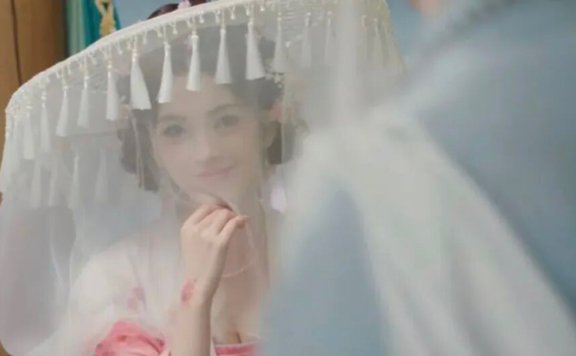
How Did a Simple Hat Steal the Entire Scene in Whispers of Fate?
In the fantasy drama Whispers of Fate (水龙吟), the entrance of actress Chen Yao (陈瑶) was not just seen but felt. It was not her lines or a dramatic action that first defined her character, but a piece of historical fashion: a wide-brimmed hat with a sheer veil. This single item, known as a Weimao (帷帽), immediately established an aura of mystery, elegance, and unapproachable grace. It is a prime example of how costume design can serve as powerful, non-verbal storytelling, conveying a character's status and disposition before a single word is spoken. This particular hat has become a recurring visual motif in Chinese historical dramas, captivating audiences with its poetic blend of concealment and revelation. The Weimao's Evolution The Weimao has a rich and practical history. Its predecessor was the Mili (幂篱), an earlier form of face-covering headwear. The primary distinction lay in their dimensions and materials. The Mili was often made of bamboo and featured a long veil or netting designed to cover the entire body, offering protection from wind and sand during travel. It was used by both men and women for its utilitarian function. The Weimao, typically constructed from cloth or silk, had a shorter veil… -
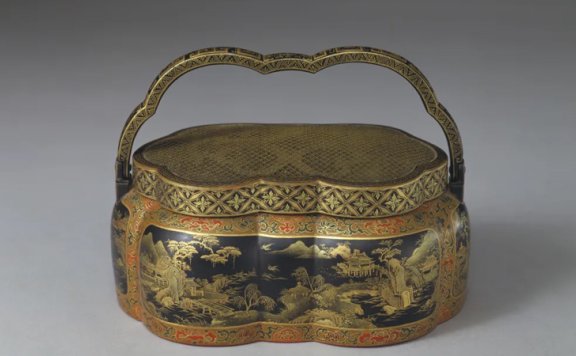
How Did Ancient People Survive Winter Without Heaters or AC?
As temperatures drop each year, modern solutions like electric blankets and smart thermostats become essential. But centuries before central heating, people across China developed remarkably sophisticated methods to stay warm. Their innovations blended architectural genius with portable comfort, creating systems that heated entire homes or provided personal warmth during bitter winters. These weren't just practical solutions—they represented a deep understanding of materials, heat conduction, and seasonal adaptation. From permanent structures built into homes to delicate artifacts carried in sleeves, each invention tells a story of human ingenuity facing nature's challenges. Heated Architecture The Kang (炕) heated bed was northern China's architectural answer to winter. Constructed from brick or adobe, this platform contained an intricate network of flues connecting to the household stove. Heat and smoke from cooking would circulate beneath the sleeping surface before exiting through a chimney. This clever design provided whole-room heating without extra fuel. The system appears in historical dramas like Flourished Peony (国色芳华), where characters enjoy its steady warmth. Wealthier households and palaces developed even more advanced systems. During the Ming and Qing dynasties, the Forbidden City utilized underground heating channels beneath its most important halls. Servants would light fires in outdoor stoves, with hot air… -
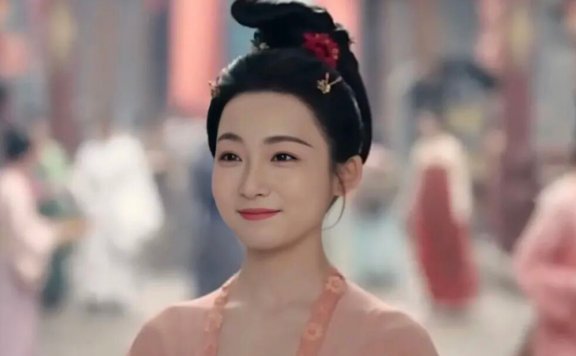
Cute Face vs. Imperial Aura in Wu Zetian’s Portrayal
Does a cute face truly fit the legendary Empress we know? The recent television series Strange Tales of Tang Dynasty Ⅲ: Chang'an (唐朝诡事录之长安) has sparked fervent discussion with its portrayal of a young Wu Zetian (武则天). Viewers expressed disbelief, questioning how the formidable female emperor could be depicted with such a soft, almost doll-like appearance. This portrayal clashes with the widely accepted historical image of a woman possessing a square forehead and broad cheeks, features believed to signify great ambition and power. The debate goes beyond mere acting, touching upon a deeper question: how should contemporary media represent formidable historical figures, especially women whose authority defied traditional norms? Historical Face What did Wu Zetian actually look like? Historical records, notably the New Book of Tang (新唐书), describe her with the term "Fang E Guang Yi" (方额广颐), meaning a square forehead and wide jawline. This was considered an auspicious physiognomy, predicting nobility and strength. Her own daughter, Princess Taiping (太平公主), was said to share these features, leading Wu Zetian to remark that she resembled her. This historical description presents a stark contrast to the delicate, "moe" style favored in some modern interpretations. This established image has been powerfully brought to life… -
4 Secrets Enable Ancient Chinese Explorers’ Sea Mastery
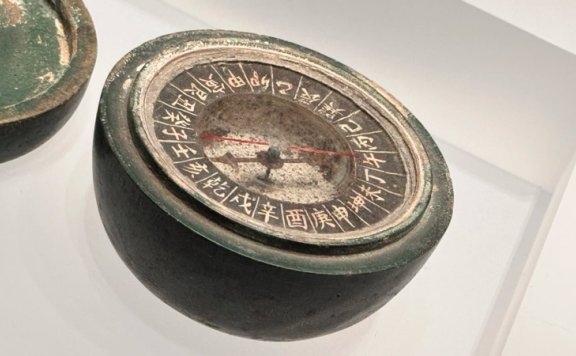
Imagine a time when the sky was your only map, and the sun and stars your guiding lights. Long before the magnetic compass pointed the way, ancient people relied on nature's cues to navigate their world. The sun rose in the east and set in the west; at night, the North Star marked true north, while lush tree growth often indicated south. But what happened on cloudy days when these signs vanished? Direction became a guessing game until a groundbreaking invention changed everything. The compass, born from human ingenuity, transformed exploration and trade, enabling journeys across vast oceans and uncharted lands. This is the story of how ancient Chinese innovators turned magnetic rocks into precise tools that shaped history, evolving from simple instruments to sophisticated devices that never lost their way. 1. Si Nan (司南) The Si Nan, often called the ancestor of the modern compass, emerged during the Warring States period. It consisted of a magnetic spoon carved from lodestone and a bronze plate engraved with directional symbols. When placed on the smooth surface, the spoon would spin freely and settle with its handle pointing south. This device leveraged the Earth's magnetic field, though its bulk and sensitivity limited… -
Career Rebound with Love's Freedom Amid Contract Disputes
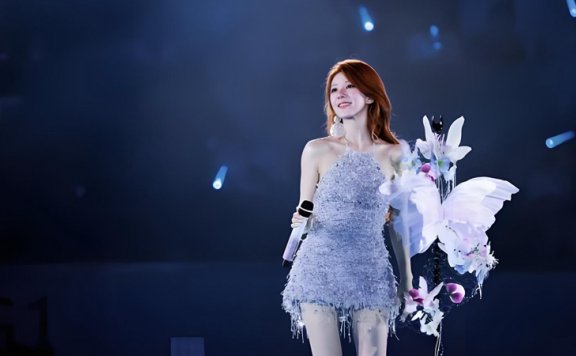
Long days of absence led many to assume Zhao Lusi (赵露思) was stepping away from the spotlight. She had shut down a personal account she maintained for nearly a decade, navigated contract disputes, and faced scrutiny over a lively broadcast that some labeled erratic. Just as speculation about her career downturn peaked, an unannounced project shifted the narrative entirely. On September 26, Love's Freedom (许我耀眼), featuring Zhao Lusi and Chen Weiting (陈伟霆), debuted without advance notice. The series quickly set a yearly record for platform engagement, generating over 300,000 discussions within the first hour and reaching a peak of nearly 27,000 concurrent viewers on its opening day. Its success was not isolated; during the summer, it had already shown potential abroad, with TikTok hashtags accumulating 1.1 billion views and YouTube previews attracting 480,000 watches. Her reach extends across continents. Instagram followers surpassed 6.4 million, while a wedding photo from the series earned a million likes. In Southeast Asia, admirers regard her as a beloved figure, with events like a Cambodian princess openly supporting her and crowded welcomes in Thailand highlighting her cross-border appeal. Yet visibility brings intense examination. Each action she takes is subject to public judgment, keeping her in… -
Top 10 Must-Watch Chinese Fantasy Dramas of 2025
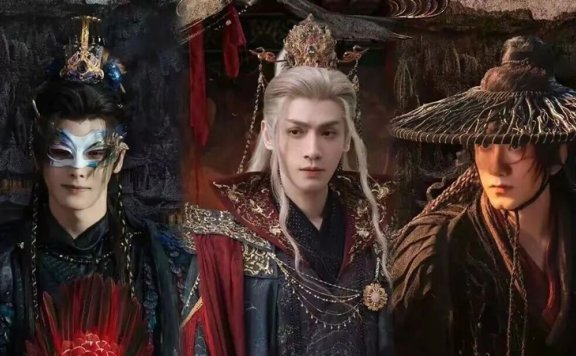
The landscape of Chinese television has seen a flurry of activity, with several productions capturing audience attention through distinctive narrative approaches and visual styles. These series often blend traditional elements with modern sensibilities, creating a unique viewing experience. The following selections represent some of the more notable entries that have generated discussion for their execution and conceptual frameworks. Whispers of Fate (水龙吟) Aired: 2025 Period Background: Fictional ancient realm Genres: Fantasy, Martial Arts, Mystery Main Roles: Luo Yunxi (罗云熙) as a fox-like being with dual hearts, Xiao Shunyao (肖顺尧) as a mysterious warrior, Ao Ziyi (敖子逸) as a youthful fighter, Bao Shang'en (包上恩) and Chen Yao (陈瑶) as skilled female leads Adapted from: The novel Qian Jie Mei (千劫眉) by Teng Ping (藤萍) Plot Deep Dive: The narrative begins with a violent incident at a wedding, setting off a chain of mysteries that move from one location to another. The central character possesses a dual nature, embodying both serene and destructive tendencies, which complicates his journey through a world filled with intrigue. The story structure involves interconnected cases that challenge both the characters and the audience. Why Watch: This production distinguishes itself through its integration of aesthetic principles from historical… -
Visual and Eastern Wisdom in Sword and Beloved
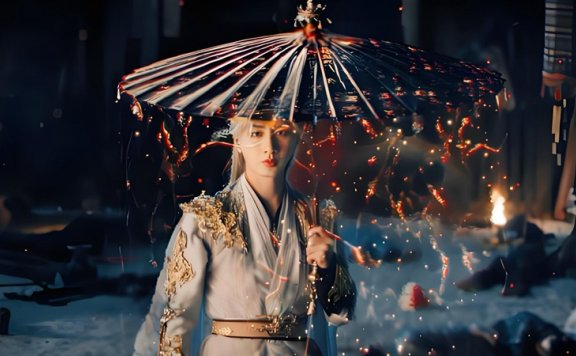
In the landscape of contemporary fantasy, Sword and Beloved (天地剑心) distinguishes itself not through spectacle, but through a profound synthesis of visual poetry and philosophical depth. The series charts the internal journey of Wangquan Fugui (王权富贵), whose evolution from a constrained heir to an autonomous guardian is rendered with remarkable subtlety. Under Director Du Lin's (杜林) guidance, the narrative finds its strength in quiet character dynamics and a refined visual language, where every frame—from choreographed action to symbolic costume—serves the central theme. The story gracefully channels Daoist thought, exploring how a blade can become a vessel for self-discovery and universal connection. This meticulous approach, prioritizing emotional resonance and cultural texture over conventional tropes, demonstrates a mature artistry that trusts its audience to engage with layered storytelling, making the series a compelling study of inner awakening. 1. A Fresh Perspective on Eastern Storytelling Sword and Beloved has emerged as a standout series, captivating viewers with its distinctive approach. It weaves a narrative where a central figure, Wangquan Fugui, embarks on a personal journey, grappling with his identity and purpose. His evolution from confusion to clarity is portrayed with subtlety, avoiding grandiose declarations. The series does not rely on spectacle alone; instead,… -
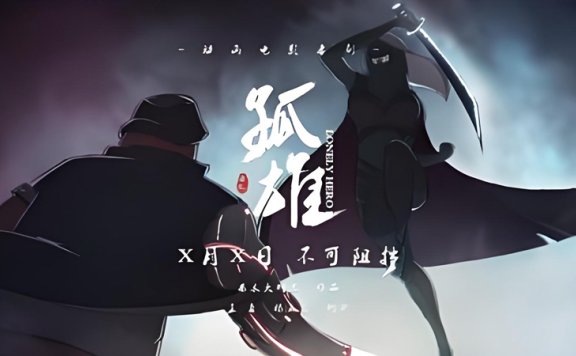
Xun Lang's Battle for Identity in a Dark World
In the shadowy corridors of near-future science, where ethics blur and humanity hangs by a thread, the drama Lonely Hero (孤雄) unfolds a gripping tale of redemption and resistance. At its heart is Xun Lang (巽狼), a genetically enhanced warrior created by the clandestine S organization, who rediscovers fragments of a past life as an ordinary man named Qian Wu (乾武). This story plunges readers into a world where advanced technology clashes with raw human emotion, exploring what happens when a weaponized being dares to seek something more—a place to call home. Through explosive action and tender moments, the narrative challenges our notions of family and sacrifice, asking whether one person's courage can ignite hope in the darkest of times. The Escape Xun Lang's journey begins with a jolt—literally. During a mission under stormy skies, an electrical surge triggers buried memories, revealing glimpses of a family and a life he once knew. This cognitive rupture forces him to abandon his role as an assassin, sparking a frantic flight from the S organization's clutches. Pursued by former allies and government agents eager to exploit his modified DNA, he navigates decaying urban landscapes, each step haunted by visions of a past that… -
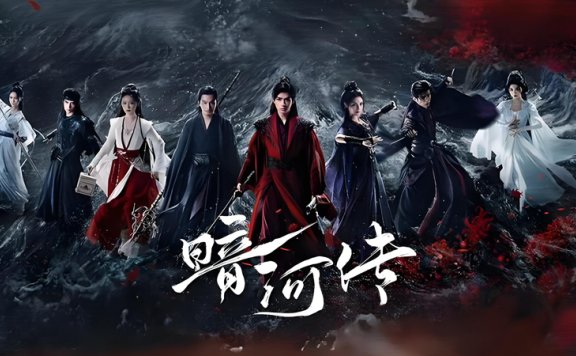
Why the Crown Prince’s Execution Outweighed Freedom
Why would a secret organization on the verge of freedom suddenly choose to plunge back into darkness? The shocking finale of Blood River (暗河传) left audiences with this very question. After fulfilling their pact with Langya Wang by rescuing the emperor and neutralizing the zombie-like warriors, the clandestine group known as Anhe (暗河) stood at the threshold of legitimacy. Their leader, Su Muyu (苏暮雨), had secured a promise that his people could finally leave the shadows. Yet, in a stunning turn of events, he and his ally, Su Changhe (苏昌河), publicly executed the Crown Prince. This act seemingly destroyed their chance for a peaceful future. Their decision was not a reckless mistake, but a deliberate and powerful statement. It was a declaration that some prices for freedom are too high to pay, and that true autonomy is worth more than a life granted by those in power. The Unforgivable Betrayal For the members of Anhe, trust is a matter of life and death. The Crown Prince, Xiao Yong (萧永), first secured an alliance with Su Changhe, offering guarantees for the organization's safety. Yet, almost immediately after this agreement, he dispatched his uncle, General Dian Ye (典叶), to hunt down and… -
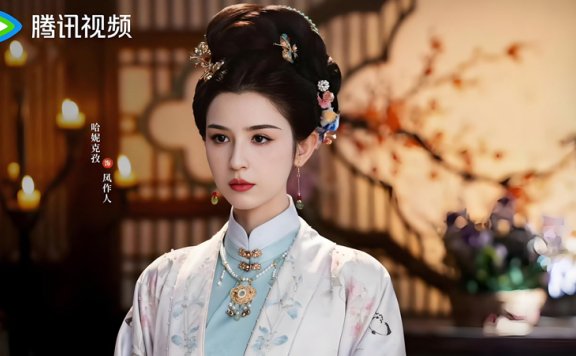
What Secrets Make Moonlit Order a Must-See Show This Fall?
When Moonlit Order (锦月令) premiered, it shattered records within hours, becoming the most discussed historical drama of the season. Set in a fictional ancient dynasty, the series follows the intricate lives of nobility and secret identities, weaving a tale that has captivated millions. At its heart are characters whose depth and the show's relentless pace create an unforgettable viewing experience. Unlike typical period pieces, this production balances suspense, romance, and cultural richness without relying on clichés. Its rapid rise to fame isn't just about star power; it's the clever fusion of storytelling and visual artistry that keeps audiences glued to their screens, eagerly awaiting each new episode. Complex Characters Xue Hexu (薛和煦) stands out as a masterclass in character development, portrayed with a nuance that defies simple labels. On the surface, he appears as a carefree nobleman, often seen with a high ponytail and playful demeanor, but subtle clues hint at his hidden past as a displaced heir. This duality isn't just for show—it mirrors real struggles with identity and resilience, making his journey feel authentic. In one pivotal scene, he casually deflects a poisoned tea offer, his eyes flashing with calculated intensity, revealing layers of strategy beneath the charm.… -
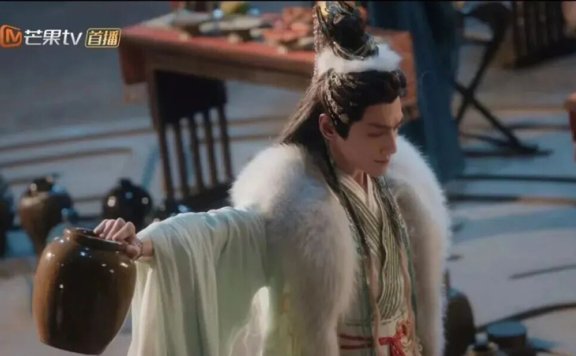
The Character Depth and Plot Intrigue of Wuxia Series Whispers of Fate
When the Chinese fantasy series Whispers of Fate (水龙吟) debuted with a surprisingly low 5.7 rating on Douban, it sparked widespread debate among viewers. Many critics immediately focused on its flamboyant costumes, dramatic makeup, and comparisons to other works, but this initial reaction overlooks the drama's substantial narrative strengths and character development. This series, set in a rich Wuxia universe, challenges audiences to move beyond superficial judgments and appreciate its intricate storytelling and emotional depth. Rather than conforming to typical genre expectations, it carves out a unique space with unpredictable twists and a memorable ensemble cast that keeps viewers invested episode after episode. Character Depths The central conflict in Whispers of Fate revolves around Tang Lici (唐俪辞) and Liu Yan (柳眼), whose relationship is a volatile mix of deep-seated resentment and unspoken bonds. Liu Yan's relentless pursuit of vengeance against Tang Lici drives much of the plot, yet his motivations are layered with personal tragedy and misunderstanding. Instead of a straightforward villain, he embodies a tortured soul whose actions stem from perceived betrayals, making his character both infuriating and sympathetic. This complexity forces audiences to question who is truly at fault, adding a psychological dimension to their clashes. Supporting characters… -
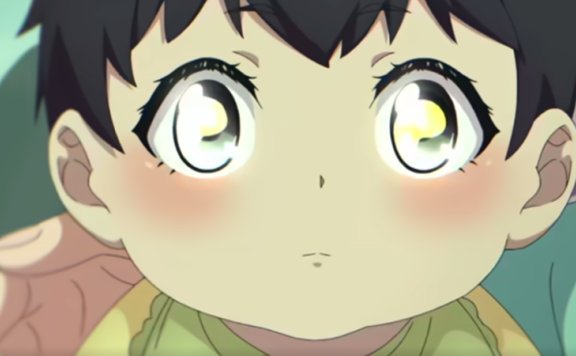
The Bold Visual Rewriting of Dragon Raja 2’s First Episode
The first episode of Dragon Raja 2 (龙族2) has sparked intense debate among fans, particularly regarding its closing scenes. In these moments, viewers witness the simultaneous birth of Lu Mingfei (路明非) and Lu Mingze (路明泽), accompanied by a mysterious golden pattern flashing in Lu Mingfei's eyes. This visual choice raises a compelling question: is the animation straightforwardly confirming Lu Mingfei as a reincarnated Dragon King, or is it offering a new, consolidated interpretation of the original novel's dense web of clues? Rather than a simple revelation, this approach seems to be a deliberate narrative strategy. The creators are visually stitching together scattered hints from the books to build a coherent foundation for the animated series. This initial episode acts as a key, unlocking deeper mysteries about lineage and destiny that will undoubtedly shape the story to come. The Golden Eyes When Lu Mingfei is born with a peculiar golden gleam in his eyes, it is far more than a striking visual effect. This imagery directly taps into a crucial element from the source material: the concept of the contract. In the novels, when Lu Mingfei first uses his unique ability to command life and death, his companion warns him that his… -
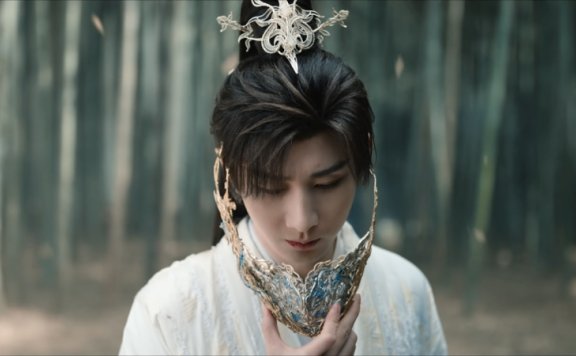
Is Cheng Yi's Wang Quan Fugui His Most Compelling Role Yet?
Is Sword and Beloved (天地剑心) Cheng Yi's Most Riveting Role in Recent Memory? This latest installment in the Fox Spirit Matchmaker (狐妖小红娘) series has captured attention not just for its stunning visuals, but for its deep character journeys and thought-provoking themes. While the series, which includes earlier arcs led by popular stars, builds on a successful franchise, this chapter stands out for its mature storytelling and emotional resonance. Viewers tired of formulaic fantasy dramas may find themselves drawn into a world where action and philosophy intertwine, offering more than just escapism. Fugui's Evolution Wang Quan Fugui (王权富贵) enters the narrative as a tool shaped by the Wang Quan Family (王权世家), an elite clan dedicated to eradicating demons. His life is confined to rigorous training, devoid of personal connections, as he is groomed to wield the legendary Sword and Beloved. This upbringing could have twisted his psyche, yet he retains a flicker of compassion. When he encounters Qing Tong (清瞳), a gentle spider spirit, his worldview begins to shift. Their interactions are not born of chance but from shared kindness, setting the stage for a transformation that challenges the very foundations of his identity. The relationship between Fugui and Qing Tong… -
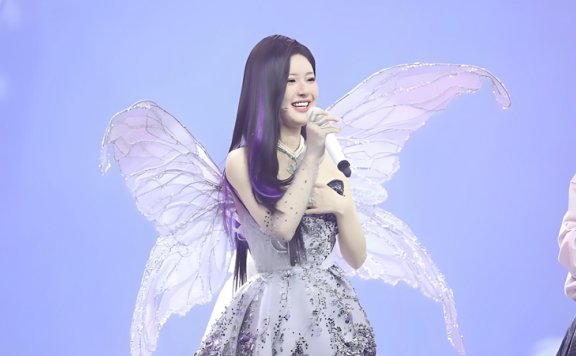
How Did Zhao Lusi Build an Unbreakable Career in Just 90 Days?
In the volatile world of Chinese entertainment, where careers can skyrocket or vanish overnight, Zhao Lusi (赵露思) has engineered a turnaround that defies conventional wisdom. Earlier this year, she was visibly struggling, her health deteriorating under the strain of industry pressures. Yet, within a single quarter, she transformed this narrative completely. She navigated a complex contract termination, signed with a new company, and successfully crossed over into the music industry. This was not a slow, calculated rebuild but a rapid and decisive reinvention. Her journey from a period of profound personal difficulty to a position of renewed strength and creative control offers a compelling case study in resilience. It makes one wonder what strategies and personal resolve fueled such a remarkable recovery and ascent. The Strategic Exit By August, her dispute with her former agency, Galaxy Cool Entertainment, had become public knowledge. Instead of hiding, she went live online to detail her experiences, speaking about withheld payments and a neglect of her well-being that led to severe health issues. The toll was significant, resulting in a drastic weight loss and the cancellation of professional commitments. While many would have engaged in a protracted and messy public battle, Zhao Lusi chose… -
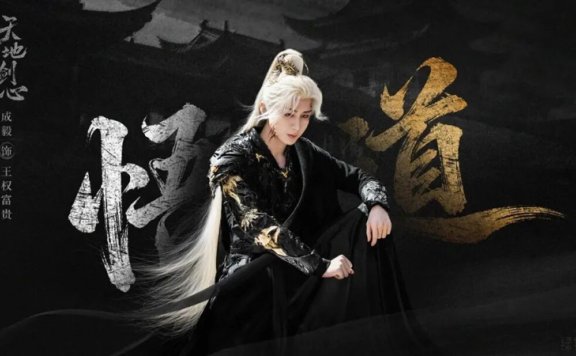
Discovering Sword and Beloved's Philosophical Journey
In an era where television often prioritizes flashy effects over substance, a series like Sword and Beloved (天地剑心) emerges as a refreshing anomaly. This drama, the final installment of the Fox Demon trilogy adapted from the popular comic, has captivated audiences not just with its visual spectacle but with its profound engagement with traditional Chinese thought. It tells the story of a hero's quest in a world where martial arts and morality intertwine, set against a backdrop of ancient kingdoms and personal sacrifice. What sets it apart is its ability to weave complex philosophical ideas into an accessible and emotionally resonant narrative, making it a standout production that appeals to both the heart and the mind. The series avoids the common pitfalls of convoluted plots or empty action, instead offering a coherent and compelling story that feels both timeless and urgently relevant. For viewers seeking more than mere entertainment, Sword and Beloved provides a gateway into a richer televisual experience. Dynamic Storytelling The narrative structure of Sword and Beloved is a masterclass in balance and pacing. From the opening scenes to the climactic battle known as the "Ten Thousand Swords Piercing the Heart," the plot unfolds with a natural rhythm… -
Can Yun Qingyan's Journey Redefine Fantasy Anime?
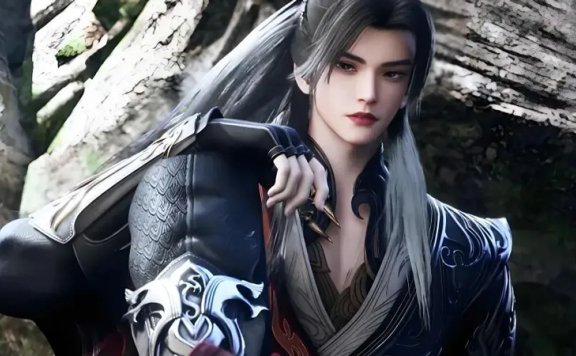
A new contender has burst onto the scene in the dynamic world of Chinese animation, capturing immediate attention with its ambitious launch. Return of the Immortal Emperor (仙帝归来) debuted with a bold strategy, releasing three twenty-minute episodes at once, a move that thrilled its anticipatory audience. This series plunges into the popular Xianxia genre, weaving together elements like spiritual companions, time displacement, and confrontational triumphs. Its entrance prompts a compelling question in a market filled with innovative stories: what unique flavor does it bring to the table? The show introduces Yun Qingyan (云青岩), a figure whose extraordinary past collides with a humble present, setting the stage for a narrative that is as much about internal rediscovery as it is about external conflict. This initial rollout suggests a confidence in its material, aiming to hook viewers quickly and firmly into its crafted universe. A Fallen Titan Yun Qingyan's story begins not at the peak of his power, but in the depths of displacement. After three millennia of cultivation in the Immortal Realm, where he ascended to become one of the ten great Immortal Emperors, he returns to the human world. A shocking temporal disconnect awaits him; while he experienced ages of… -
Decoding the Charm of Sword and Beloved
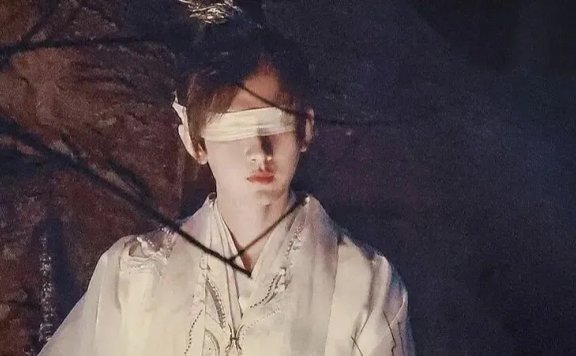
Why does a white-haired swordsman's journey in Sword and Beloved (天地剑心) captivate millions, despite its flaws? The new Xianxia drama starring Cheng Yi as Wang Quan Fugui (王权富贵) has become a phenomenon, breaking platform records with over 85 million hot searches within three days of its release. Based on the popular manhua Sword and Beloved, the series presents a compelling contradiction: massive anticipation clashing with vocal criticism over its special effects and adaptation choices. Yet beneath this turbulence lies its true brilliance—not in spectacular magic battles, but in a weapon's lonely quest to regain his humanity. The Unfeeling Sword From its opening scenes, Sword and Beloved establishes a brutal world where humans and demons are locked in eternal conflict. The eastern city lies in ruins, its streets littered with victims of a demon attack. Through this carnage walks Wang Quan Fugui, his silver hair stark against the blood-stained snow. Trained by the Wangquan Manor as their ultimate weapon, he moves with mechanical precision, his eyes empty as he executes demons without hesitation. His father, Wangquan Hongye (王权弘业), has molded him into a soldier devoid of emotion, repeating the mantra that his sole purpose is to eliminate demons. In a pivotal… -

What Were the Must-Have Bags in Ancient Chinese Society?
In ancient China, where garments rarely featured pockets, bags became essential companions for daily life and travel. These accessories were far more than mere containers; they evolved into symbols of status, practicality, and even fashion across different dynasties. From the earliest recorded uses in the Zhou Dynasty, bags were tailored to specific needs, reflecting social hierarchies and cultural shifts. This exploration delves into how these items transformed from simple carryalls into intricate expressions of identity and style, showcasing the ingenuity of ancient craftsmanship. Early Forms During the Pre-Qin period, people already relied on bags for transporting goods, as noted in the Book of Songs. Texts describe two main types: the small Tuo (橐) and the larger Nang (囊), used for carrying food and supplies during journeys or military campaigns. These early designs emphasized functionality, with materials and sizes adapted to nomadic and agricultural lifestyles. As societies stabilized, bags began to serve broader purposes, laying the foundation for more specialized versions in subsequent eras. By the Han Dynasty, a square bag called the Shounang (绶囊) emerged, primarily holding official seals and documents. Bestowed by emperors upon officials, it became a mark of rank and authority. Historical records like the Song Shu… -
Why Does a Princess Keep Saving Her Rival in Fight for Love?
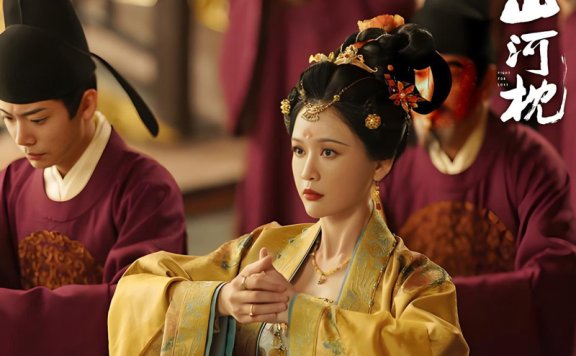
In the sweeping drama Fight for Love (山河枕), one relationship consistently captivates the audience, that between the formidable Princess Chang (长公主) and the resilient Chu Yu (楚瑜). On the surface, her unwavering support for him seems inexplicable. He appears to offer little in return, yet she grants his every request, from intervening in court politics to saving his family from ruin. This dynamic has led many to view her as a mere tool for his advancement, a character whose purpose is to smooth his path. However, a closer look reveals a far more complex and calculated ruler, a woman whose actions are not driven by altruism but by a profound understanding of power, survival, and the future of the Da Su (大遂) Dynasty itself. Political Savvy The true nature of her support becomes clear during a pivotal crisis. When the powerful Wei family, military stalwarts of the empire, face disgrace and annihilation after a defeated campaign, the entire court abandons them. The Emperor, Chunde (淳德), blinded by his desire to protect the Crown Prince, is willing to let a key military family be destroyed. It is Chu Yu who pleads with Princess Chang to save the youngest Wei son, Wei… -
Uncovering the True History and Legacy of China's Banbi Garment
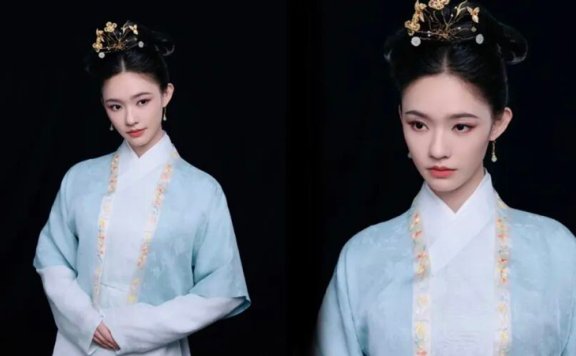
When actress Lin Yun (林允) appeared on the cultural show National Treasure, her outfit sparked immediate debate online. Viewers questioned whether her sleeveless top resembled a traditional maid's uniform, but fashion historians were quick to clarify. She wore a Banbi (半臂), a classic Chinese garment that has been misunderstood for centuries. This piece is not defined by social status but by its practical and stylish design. The confusion highlights how modern perceptions often oversimplify historical fashion. This article delves into the true nature of the Banbi, tracing its evolution from ancient courts to contemporary wardrobes, and challenges the stereotypes that have long surrounded it. Garment Basics The Banbi is essentially a half-sleeve jacket worn over other layers, similar to a modern bolero or vest. Its name derives from its sleeve length, which typically ends at the elbow. One common style is the Duijin (对襟), characterized by a front opening with symmetrical sides. This design allowed for easy movement and versatility, making it a staple in various dynasties. Unlike the assumption that it was solely for servants, historical records show it was worn by women across different social classes. The garment could be paired with long-sleeved robes or dresses, adapting to…