Article
Search results:
-
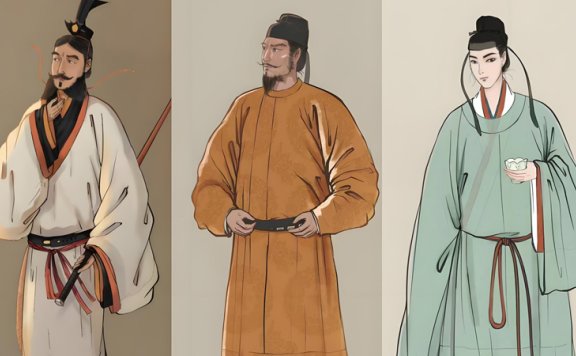
An Insight into the Clothing of China's Dynasties
Clothing in ancient China evolved from simple animal hides to intricate silk robes, reflecting social changes and technological advances. Early artifacts like bone needles and woven fragments reveal a long journey of innovation. This narrative spans millennia, showing how attire expressed identity, status, and cultural values across dynasties. Early Beginnings In the Paleolithic era, people used bone needles to stitch animal skins for basic garments. Ornaments made from stone and shells suggest early aesthetic expression. These finds at sites like Zhoukoudian (周口店) highlight humanity's innate drive to create and adorn. The Yangshao Culture (仰韶文化) left evidence of plain-woven fabrics and silk remnants. Advanced spinning and dyeing techniques emerged, producing complex textiles earlier than previously thought. This period laid groundwork for future silk mastery. During the Liangzhu Culture (良渚文化), tools like ceramic and jade spinning wheels improved weaving efficiency. Waist looms allowed finer cloth production, marking progress from primal coverings to structured apparel. Shang Dynasty (商朝) Attire in the Shang dynasty displayed clear social hierarchies. Elites wore rolled-headgear and narrow-sleeved robes with decorative aprons. Their outfits combined practicality with symbols of authority. Middle-ranking nobles sported high caps and sashes, while lower-status individuals used simpler designs with patterned accents. Each class had… -
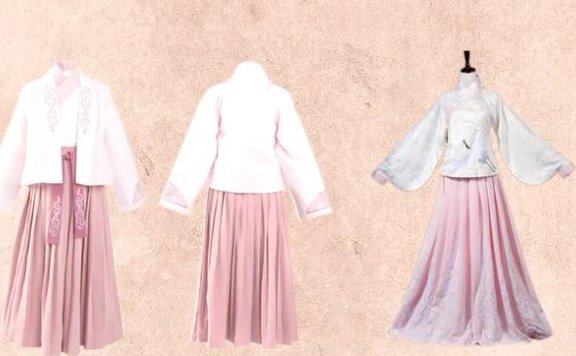
Illustrated Ancient Clothing: Learn Hanfu’s Basic Features and Forms
Hanfu represents the enduring attire system of the Han ethnic group, reflecting centuries of cultural practices and aesthetic values. This clothing is defined by precise elements like the right-crossing collar, broad sleeves, and hidden ties, distinguishing it from modern interpretations. It serves as a functional record of China's historical identity, blending philosophy with daily wear. Early forms such as the Shenyi (深衣) from the Pre-Qin era laid the foundation, emphasizing unity in design. The Han period featured the Quju (曲裾) for formal events, while the Tang dynasty's Qixiong Ruqun (齐胸襦裙) expressed vibrancy and freedom. Song styles like the Beizi (褙子) favored understated elegance, and Ming innovations such as the Mamian Qun (马面裙) and Liling Aozi (立领袄子) highlighted technical mastery. Each shift mirrored societal values, creating a rich visual legacy. https://youtu.be/O8j8zk_WsBo 1. The basic characteristics of Hanfu Hanfu represents the traditional dress of the Han Chinese people, with a history that stretches back millennia. Its design principles are deeply rooted in cultural practices and aesthetic ideals, offering a unique perspective on garment construction. This clothing style emphasizes fluidity and grace, moving beyond mere fashion to embody a way of life. Each element of Hanfu serves a purpose, blending form and function… -
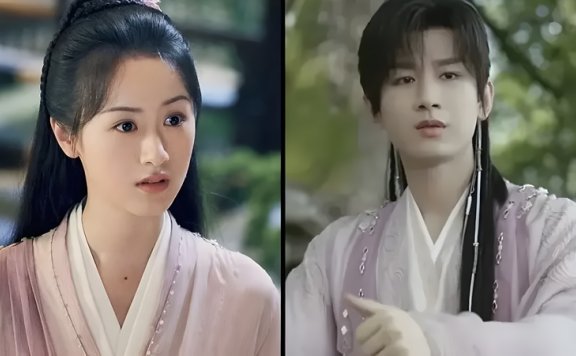
Why Is Men’s Clothing in Today’s Costume Dramas More Feminine?
In recent years, viewers of Chinese historical television series have noticed a curious trend: the costumes worn by male characters increasingly resemble those designed for females, featuring slender cuts, pastel colors, and flowing fabrics that emphasize a delicate aesthetic. This shift raises questions about how gender is represented in period dramas and whether it reflects historical accuracy or modern creative liberties. While ancient China did have instances of unisex clothing, distinctions based on color, pattern, and occasion were strictly maintained after certain dynasties. Today's productions, especially fantasy genres like Xianxia immortal heroes dramas, often prioritize visual appeal over historical fidelity, leading to a blending of masculine and feminine elements. This article examines the historical context of gender-specific attire in China and explores how contemporary media influences perceptions, potentially shaping audience expectations and real-world fashion choices. Historical Foundations In early Chinese history, such as during the Qin and Han dynasties, clothing was often unisex, with both men and women wearing robe-like garments known as Paofu (袍服, robe clothing). For example, in dramas like The secret Dragon in the Abyss (三国机密之潜龙在渊), characters don straight or curved-hem robes, but differences emerged in details like embroidery and hues. Women's attire featured brighter colors and… -
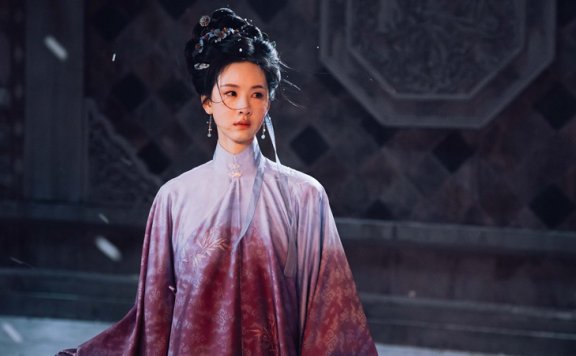
Top 5 Revenge-Themed Historical Dramas of 2025
Where ancient grievances meet modern storytelling, these Chinese historical dramas weave tales of vengeance, redemption, and exquisite beauty that will captivate your imagination. The revenge motif taps into universal themes of justice, resilience, and moral complexity, offering more than just simple tales of retribution. Today's revenge dramas explore profound transformations, philosophical depths, and the psychological costs of vengeance, all set against richly detailed historical backdrops. Here are five exceptional revenge-themed historical dramas from 2025 that deserve your attention. Legend of Zang Hai 藏海传 Aired: May 21, 2025 Period Background: Fictional Yong Dynasty Genres: Historical Political Intrigue, Revenge, Growth Drama Main Roles: Xiao Zhan as Zang Hai, Zhang Jingyi as Xiang Tutu, Zhong Hanliang as Kuai Duo, Chen Yanxi as Zhao Shangxian Adapted from: Original screenplay Plot Overview "Legend of Zang Hai" traces the story of Zang Hai (originally named Zhi Nu), whose family falls victim to a purge orchestrated by the powerful minister Pingjin Hou. After being rescued and trained for ten years in specialized skills—including architecture, astronomy, and statecraft—he returns to the capital under a concealed identity. Rather than pursuing direct confrontation, Zang Hai employs a calculated approach, embedding himself within the power structures of the court and using… -
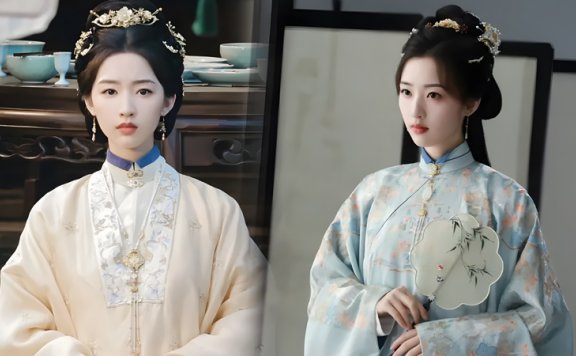
Deng Enxi's Ming-Era Hanfu in When the Flowers Bloom Radiate Poise
The historical drama When the Flowers Bloom (花开锦绣), starring Deng Enxi (邓恩熙) and Ding Yuxi (丁禹兮), has sparked lively discussions among viewers, particularly for its attention to Hanfu inspired by the Ming Dynasty. Set against a backdrop of imperial intrigue and personal growth, the series follows the journey of Deng's character as she navigates court life, with her wardrobe evolving to reflect her status. Many have noted that Deng appears more dignified and elegant in these costumes compared to her previous roles. This article delves into the craftsmanship, styling, and visual storytelling behind this transformation, exploring how Ming-style attire enhances character portrayal and why it resonates with modern audiences seeking authenticity in period dramas. Costume Craftsmanship In When the Flowers Bloom, Deng Enxi's wardrobe primarily features Ming Dynasty styles, such as the standing-collar robe paired with a Mamianqun (马面裙). The costumes incorporate techniques like gold-woven patterns and subtle embroidery, which were hallmarks of Ming nobility. These elements not only add richness but also convey the character's rising social standing through intricate details that catch the light differently on screen. One reason the attire appears so dignified is its balanced use of fabrics and decorations. For instance, gold-thread weaving and floral… -
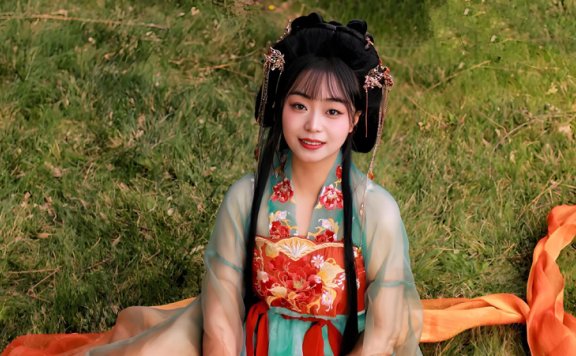
How The Ming Dynasty's Costume is Captivating the Modern World
Have you ever wondered what makes a garment more than just fabric? In the bustling streets of modern China, a style from centuries past is making a stunning comeback. This is not merely a fashion trend; it is a journey into an era where clothing was a language of its own, speaking volumes about status, artistry, and identity. The sartorial legacy of the Ming Dynasty offers a unique window into a world of sophisticated aesthetics and social order, a world that continues to captivate designers and cultural enthusiasts today. Its appeal lies in a powerful combination of structured elegance and deep symbolic meaning, providing a rich source of inspiration far beyond the history books. Iconic Silhouettes Several key elements define Ming attire, making it instantly recognizable. The most famous is arguably the Mamianqun (马面裙), or "horse-face skirt." This ingenious design featured four overlapping panels—two in the front and two in the back—with pleated sides. When the wearer walked, the skirt created a graceful, flowing wave-like motion. Its design was both slimming and practical, allowing for ease of movement. Today, it remains a cornerstone of any Hanfu enthusiast's wardrobe, celebrated for its timeless elegance. Another defining feature was the stand-up collar,… -
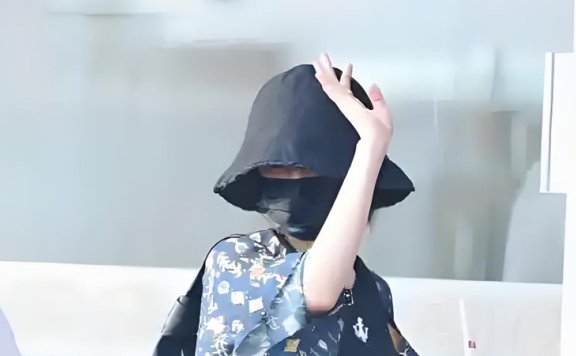
Hanfu on the Airport Runway: Yang Mi's Fashion Gambit That Divided China
When 38-year-old actress Yang Mi (杨幂) strode through Beijing Capital International Airport on August 17, 2023, she didn't just travel; she ignited a nationwide fashion firestorm. Her outfit – a black sleeveless maxi dress layered under a striking blue printed Hanfu jacket, paired with silver sneakers, a fisherman's hat, a croissant bag, and a green drink – was an audacious blend of ancient tradition and hyper-modern street style. Instantly, the terminal buzzed. Passersby gasped at her effortless cool, fans flooded social media with praise for "Mi-style fashion," and the internet erupted with a singular question: which of her peers would dare to challenge conventions so boldly at 38? This wasn't merely a celebrity look; it became a cultural Rorschach test, forcing a conversation about tradition, modernity, and who gets to define Chinese style. The Scene Yang Mi's choice was meticulously calculated nonchalance. The blue Hanfu jacket, featuring a Yuanlingpao (圆领袍) often associated with historical formality, was transformed. Its loose, contemporary cut and deliberate clash with casual items – the laid-back fisherman's hat, the playful croissant bag, and the ultimate disruptor, chunky silver sneakers – stripped away any stuffiness. This fusion catapulted Hanfu aesthetics squarely into the realm of Gen Z… -
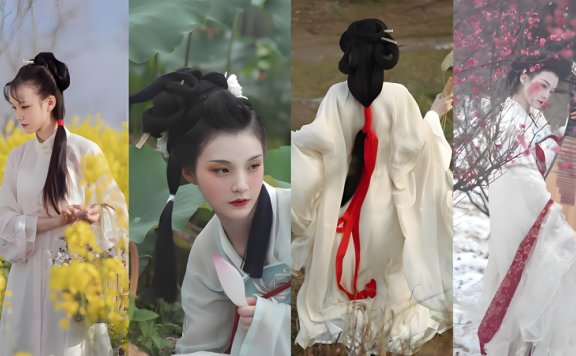
What Secrets Do Your Clothes Whisper About the Seasons?
Beyond mere fabric and thread, traditional Hanfu served as ancient China's sophisticated dialogue with nature. Each season dictated distinct choices in material, cut, and decoration—a wearable language of weather wisdom. Far from rigid costume, it embodied practical adaptation: breathable linens for scorching summers, layered warmth for biting winters, and motifs celebrating nature's cyclical dance. These weren't random choices; they were intentional, elegant responses to the rhythm of the year, woven into the very soul of the attire. This intricate system transformed clothing into a living almanac, where Ramie signaled spring's arrival and padded Zhidanyi whispered of winter's chill. Spring's Light Embrace As winter's grip loosened, wardrobes shifted towards airy renewal. Ramie, a natural fiber prized for its coolness and breathability, became the cornerstone for short Ru jackets. This allowed ease of movement for tending fields or enjoying vibrant festivals. Soft hues like budding willow green and tender peach blossom pink dominated the palette. Delicate embroidery adorned collars and hems—slender willow branches unfurling or clusters of cherry blossoms in full bloom. Wearing this was like draping oneself in the season's essence, a tangible echo of the poetic sentiment, "spring robes are complete". The lightness wasn't just physical; it embodied the spirit… -
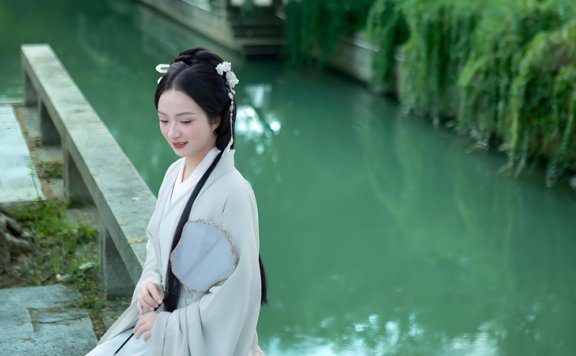
The Cultural Connotation and Future of Hanfu
Once confined to museum displays and historical dramas, traditional Chinese attire now flows through city streets worldwide. This isn't costume play—it's a cultural homecoming. Hanfu, the umbrella term for China’s pre-17th-century clothing systems, has leapt from ancient scrolls into contemporary wardrobes. Young designers, historians, and everyday enthusiasts weave threads of millennia-old aesthetics into modern life, creating wearable poetry that honors heritage without sacrificing relevance. The movement transcends fashion; it’s a tactile dialogue between dynastic splendor and digital-age identity, reshaping how generations connect with their roots. Echoes in Every Stitch Hanfu’s brilliance lies in its architectural diversity, mirroring China’s philosophical shifts across eras. The structured solemnity of Zhiju (直裾) robes from the Ming Dynasty speaks of Confucian order, while the Tang Dynasty’s wide-sleeved, high-waisted Ruqun embodies an open, cosmopolitan golden age. Song Dynasty silhouettes favored subtle elegance—cross-collared jackets paired with flowing skirts reflecting scholarly refinement. Each cut, from the curved-hem Quju (曲裾) to the horse-faced pleats of Mamianqun (马面裙), encodes dynastic values in fabric. Beyond aesthetics, these designs solved practical needs. Wide sleeves circulated air in humid summers, layered robes insulated against northern winters, and silk’s natural temperature regulation made it ideal for varied climates. The precision of symmetrical cutting (typically… -
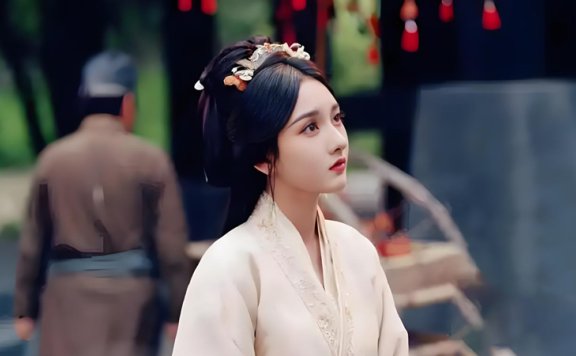
How Hanfu's Empty Spaces Create Living Poetry
Hanfu whispers where Western fashion shouts. This ancient Chinese attire reveals its genius not through ornate excess but through deliberate emptiness—inviting wind, light, and human grace to complete its design. Like a scroll with unpainted mist or a melody’s resonant pause, Hanfu transforms wearers into collaborators with nature. Its flowing sleeves and undyed linens become canvases for shifting sunlight and passing breezes, proving restraint holds more power than saturation. This philosophy of purposeful absence—Liubai (留白)—turns clothing into living art, where the unsaid speaks loudest. Colors Borrowed from Earth and Sky Forget laboratory dyes. Hanfu hues emerge from dawn skies, mossy stones, and autumn forests. Moonlight White isn’t stark but hazy—like fog on rice paper. Stone Blue mirrors rain-soaked cliffs, softened by centuries. Ocher glows like sunset-warmed clay. These colors reject artificial vibrancy, instead echoing landscapes. A plain white skirt in a gingko grove becomes gold-streaked when leaves pirouette onto its folds. Fabric doesn’t dominate; it adapts. Wind paints temporary patterns, shadows add depth, and seasons dictate palettes. Hanfu wearers don’t just dress—they carry fragments of the living world. This harmony extends beyond pigments. Linen and hemp breathe with the wearer, their muted tones shifting under sunlight like river currents. A… -

Colors of Hanfu: Stories Woven in Ancient Hues
The crimson robes shimmer like liquid sunset, azure silks hold captured mist, and golden threads pulse with imperial legacy. When Hanfu flows, it's not merely fabric in motion; it's a millennia-old chromatic saga whispering secrets of the East. Each hue, meticulously extracted from roots, leaves, and blossoms, carries profound narratives of status, season, and spirit, woven into the very warp and weft of Chinese civilization. Far more than aesthetic choices, these colors formed a silent language – a vibrant lexicon where every shade spoke volumes about the wearer's place in the cosmic and social order. Today, as this ancient attire experiences a renaissance, the timeless palette of Hanfu continues to captivate, bridging dynasties past with the bold expressions of modern style. Crimson No color resonates deeper in the Chinese soul than crimson. Revered since the Shang and Zhou dynasties, this potent hue symbolized supreme nobility and auspicious fortune. It pulsed at the heart of life's most sacred ceremonies. Imagine heavy silk blazing with China Red, embroidered golden phoenixes and peonies dancing on phoenix coronets and ceremonial capes. Sunlight catching intricate Pan Jin embroidery creates a regal shimmer reserved for emperors and empresses. Beyond the bridal chamber, crimson commanded reverence in… -
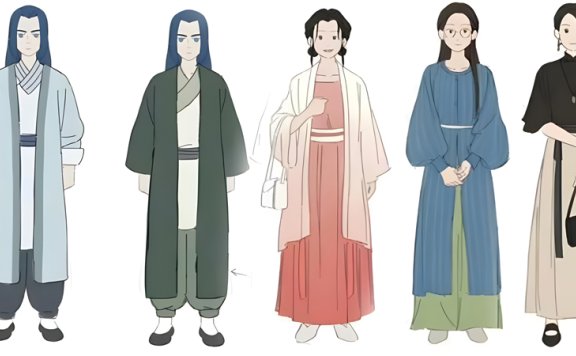
How The Legend of Hei 2 Normalizes Hanfu as Living Culture
Move over, stylized robes and fantastical costumes. The animated film The Legend of Hei 2 (罗小黑战记2) is making waves for an unexpected reason: its background characters. Forget generic filler; these background figures are dressed in meticulously designed Hanfu elements, sparking online applause for the creators' dedication to authenticity. This isn't just costume design; it's a subtle, powerful statement about integrating traditional Chinese clothing into the fabric of modern life. By focusing on ordinary people wearing Hanfu in everyday contexts, the film offers a refreshingly practical vision of cultural heritage existing naturally alongside contemporary fashion, prompting viewers to reconsider what "traditional" attire means in the 21st century. Designing the Everyday The film's creators recently released design sketches showcasing three distinct outfits worn by background characters. One ensemble pairs a Beizi (a traditional long outer garment) with a tube top-like undergarment and a Baidie skirt (pleated skirt). Another features a round-collar long shirt with practical, tapered sleeves worn over full-length trousers. The third combines a half-sleeved, upright-collar short jacket with a Mamian skirt (horse-face skirt). While seemingly simple, these outfits are carefully crafted. The first and third sets lean towards traditional cuts, while the second incorporates a more modern silhouette with its… -
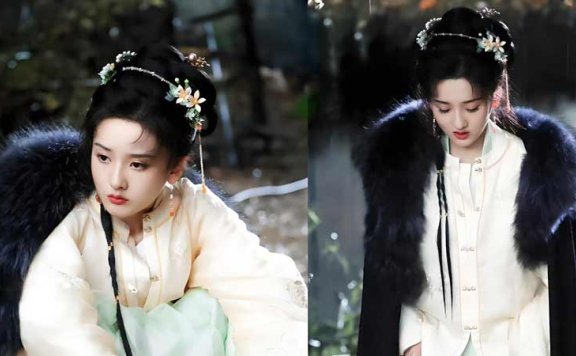
How China's Actresses Are Rewriting History Through Fabric
The camera pans across a tea garden, lingering on Gulnazar as her fingers dance over the Guqin (古琴). It’s not just the melody of Glory (玉茗茶骨) that captivates; it’s the silent narrative woven into her Ming Dynasty attire – a robe embroidered with gold thread against deep, resonant hues. This moment, captured in a single leaked still, ignited more than fan chatter; it sparked a nationwide fascination with Ming aesthetics. Actresses like Yang Zi, and Gulnazar aren't merely wearing costumes; they're embodying an era, proving that historical accuracy can be breathtakingly modern. Beyond the Brocade Gone are the days of generic "ancient" costumes dominated by flimsy silks and anachronistic designs. Song Zuer’s portrayal in Biao Mei Wan Fu (表妹万福) offered a revelation: Ming fashion could be refreshingly delicate. Her sky-blue short jacket, paired with a crisp white horse-face skirt (Mamianqun) edged in indigo, presented an aristocratic elegance far removed from stifling opulence. Audiences noted the quiet confidence it projected, a stark contrast to the exaggerated finery often seen. Then came Yang Zi in Jia Ye (家业). Dressed not as nobility but as an artisan, her practical work clothes – sturdy fabrics, precise cuts – spoke volumes about Ming societal structure and… -
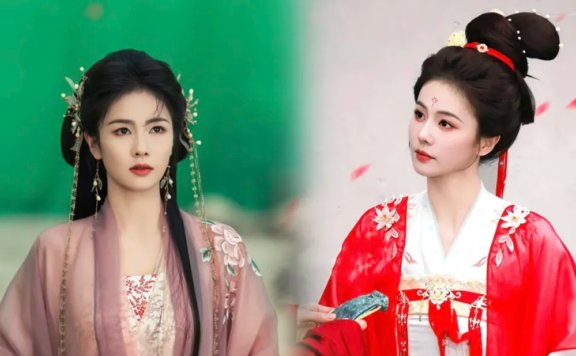
Why Authentic Hanfu Remains Rare in Chinese Historical Dramas
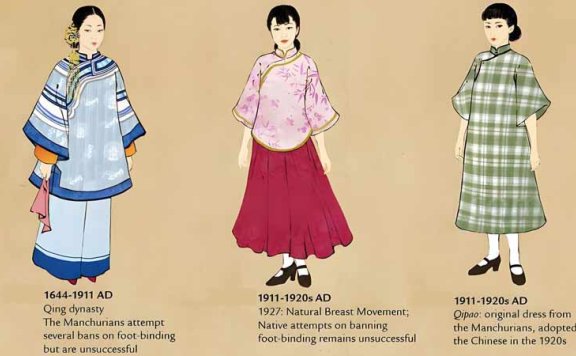
Despite growing appreciation for traditional aesthetics, authentic Hanfu is seldom featured in mainstream Chinese historical dramas. This article explores the cultural, economic, and practical barriers to its adoption, examining why stylized costumes dominate screens while historically accurate garments remain a niche choice. Cultural Disconnect and Historical Suppression Hanfu’s disappearance traces back to the Qing Dynasty’s enforcement of Manchu attire, severing Han clothing traditions for centuries. Post-1912 modernization efforts further marginalized Hanfu, associating it with backwardness while promoting Western dress as progressive. Though recent revival movements celebrate Hanfu’s cultural significance, its ties to pre-Qing history remain obscured in popular media. Many viewers still mistake Hanfu for Japanese or Korean dress, reflecting a persistent identity gap. Contemporary creators face dilemmas in balancing historical accuracy with audience familiarity. Qing-era court dramas dominate screens, normalizing Manchu-inspired designs like Qipao and mandarin collars. This visual legacy overshadows Hanfu’s distinct features: cross-collar ties, flowing sleeves, and layered silhouettes seen in The Tang or Song dynasties. When productions reference Hanfu, they often blend it with fantasy elements, diluting its authenticity. Theatrical adaptations further diluted authenticity. During the Qing era, performers wore modified Hanfu-inspired costumes exempt from clothing bans, preserving fragments of tradition through stylized interpretations. Modern productions… -
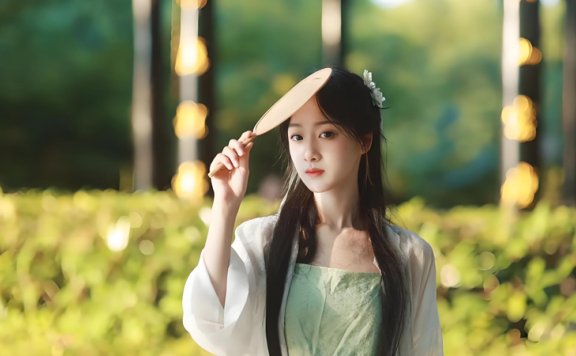
How Hanfu Reimagines Summer Fashion
Summer heat meets timeless elegance in Hanfu, China’s traditional attire reimagined for contemporary life. Far from being relics, these garments embody ancient ingenuity in staying cool, blending airflow-friendly fabrics and lightweight designs with today’s need for practicality. From Song Dynasty-inspired layers to Ming-era outerwear and modern hybrids, Hanfu transforms scorching days into poetic escapes. Discover how silk, ramie, and clever cuts create natural "air conditioning," while styling tweaks—like loose hairstyles and soft soles—make every outing effortless. Whether strolling through lotus ponds or sipping iced tea downtown, Hanfu invites you to wear history lightly. Ancient Coolness, Modern Comfort Centuries before air conditioning, Hanfu mastered summer comfort. Song Dynasty styles pioneered breathability with Zhima(ramie) fabric—dubbed "China’s ancient ice silk" for its moisture-wicking pores. Narrow-sleeved shirts and flowing Baidie skirts (百迭裙) moved like water, catching breezes between layers. Ming innovations added the Bija (比甲), a sleeveless jacket worn over light gowns. Crafted from airy linen or silk, it shielded shoulders from the sun without trapping heat, its ties allowing quick adjustments as temperatures shifted. Modern designers honor these principles while easing wearability. Elastic waistbands replace complex sashes on horse-face skirts (Mamianqun), while hidden cuffs prevent sleeves from slipping. Practical touches abound: inner pockets… -
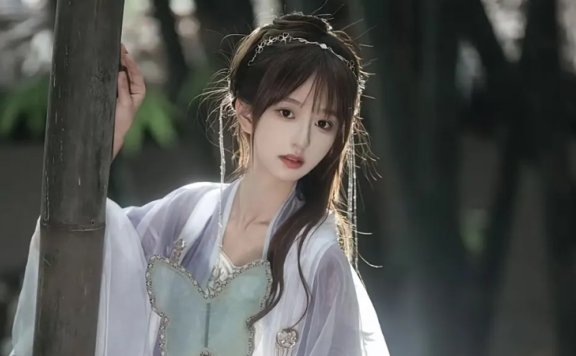
How Hanfu Became Gen Z's Cultural Armor
Young people across China are draping themselves in history. Silk robes, embroidered jackets, and flowing skirts once reserved for period dramas now flood city streets, university campuses, and social media feeds. This isn’t cosplay—it’s a cultural movement. Hanfu, traditional attire tracing its lineage to China’s dynastic eras, has evolved from niche hobby to mainstream passion. For Gen Z, wearing these garments is less about historical reenactment and more about stitching identity into the fabric of modernity. It’s a quiet rebellion against homogenized trends, a tactile connection to heritage, and a gateway to vibrant communities where tradition dances with innovation. Identity Woven in Fabric Hanfu’s resurgence coincides with China’s cultural reawakening. As global brands dominate fashion, young people seek anchors in their own heritage. A Tang-style Ruqun isn’t merely clothing; it’s a wearable testament to millennia of aesthetics and philosophy. The crisp lines of Ming dynasty Zhiju reflect Confucian ideals of harmony, while Song dynasty Beizi whispers of scholarly elegance. Wearing these pieces during Qingming Festival tomb-sweeping or Mid-Autumn moon gatherings transforms rituals into living history lessons. This sartorial choice answers a deeper question: "Who are we?" In rejecting Western fast-fashion hegemony, youth declare pride in indigenous craftsmanship. They aren’t escaping… -
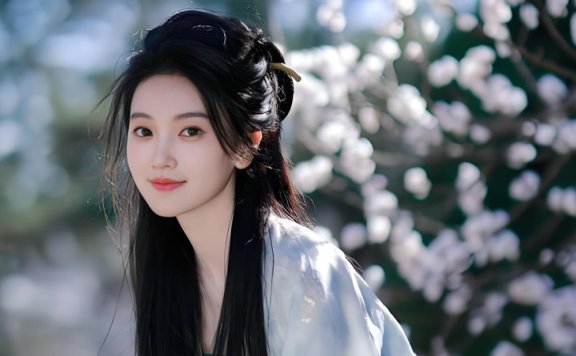
Hanfu: A Stunning Fusion with Modern Life
Gone are the days when Hanfu resided solely within museum displays or historical reenactments. Today, these flowing robes, rooted in millennia of Chinese tradition, are experiencing a vibrant resurgence, gracefully navigating the bustling streets and digital landscapes of contemporary life. This isn't merely a nostalgic revival; it’s a dynamic reinvention. Young people across China and the globe are embracing Hanfu not as a costume, but as a personal style statement, a tangible connection to heritage seamlessly interwoven with the fabric of the 21st century. The intricate silhouettes and symbolic details speak of ancient philosophies, yet they are now paired with modern confidence, proving that tradition can not only survive but thrive amidst skyscrapers and smartphones. This movement transcends fashion; it's a cultural dialogue, a quiet assertion of identity where history walks confidently into the present. Weaving Through Dynasties Hanfu's journey is a tapestry woven through the very fabric of Chinese civilization. Its origins, traced symbolically to the legendary Yellow Emperor, evolved significantly across successive dynasties, each imprinting its distinct aesthetic and societal values. Shang and Zhou periods established the foundational "upper garment, lower skirt" structure, a visual representation of heaven and earth. The Qin and Han dynasties introduced the majestic… -
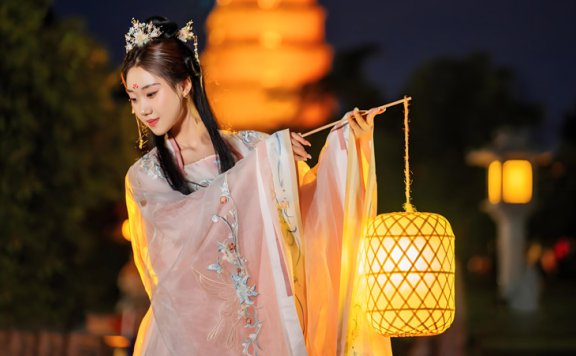
Tang Dynasty Splendor Walks Modern Xi’an Streets
Summer twilight descends upon Xi’an’s ancient city walls as a local ballad drifts through the humid air. Below the ramparts, a vibrant tapestry unfolds: young women in flowing Qixiong Ruqun (齐胸襦裙) skirts glide over cobblestones carrying silk fans, boys in traditional Futou headwear flash peace signs beside sausage vendors, and self-styled "Tang princesses" with tinkling hair ornaments weave through bicycle commuters. This seamless fusion of antiquity and urban life defines China’s ancient capital today. Across its historic quarters, a generation born after 1995 drives a cultural resurgence—transforming Hanfu from ceremonial costume into daily poetry. Threads of Transformation Xi’an’s streets have become runways for resurrected elegance. At the Tang Paradise Mall’s Hanfu Center near the Great Tang All-Day Mall, stylists livestream makeup tutorials, demonstrating how seventh-century "Luozidai" eyebrows complement Tang-style dresses. Behind them, racks display Ming Dynasty Mamian skirts and Tang half-sleeve robes—a sartorial timeline spanning dynasties. By day, tourists pose with circular fans before the Bell Tower’s soaring eaves. Inside the immersive "Chang’an Twelve Hours" theme park, scholars in round-collared gowns stroll alongside veiled maidens. As lanterns illuminate the 2-kilometer promenade at dusk, performers in reconstructed court dresses descend palace staircases, their gold Buyao hairpins catching spotlights. The Bell Tower… -
Threads Through Time: How Ancient Dynasties Would Style Modern Streets
Imagine silk-clad scholars from the Wei-Jin period stepping onto a bustling high-speed rail platform, or Tang dynasty noblewomen browsing a sleek concept store. China's sartorial legacy, spanning millennia from the understated elegance praised in the Book of Songs (诗经) to the dazzling Fashion Makeup (时世妆) of the High Tang, possesses an enduring vitality. Far from being relics confined to museums, the core design philosophies – the ethereal drapery of Wei-Jin guīyī (袿衣), the flattering lines of Song bèizi (褙子), the intricate pleating of Ming horse-face skirts (马面裙, mǎmiàn qún) – are experiencing a vibrant renaissance, seamlessly woven into the fabric of contemporary global fashion. This isn't mere revival; it's a dynamic dialogue where whispers from ancient looms inspire cutting-edge design, proving that true style transcends the confines of any single era. The flowing sleeves and structured silhouettes of the past are finding fresh expression on today’s catwalks, city sidewalks, and digital feeds, becoming powerful emblems of cultural confidence and innovative aesthetics. Wei-Jin: Ethereal Flow Reimagined The Wei-Jin period (220-420 AD) prized transcendence and natural grace, reflected in the iconic guīyī. This garment evolved from the deep robe (深衣, shēnyī), distinguished by its dramatic guī (圭) shaped fabric panels and trailing… -
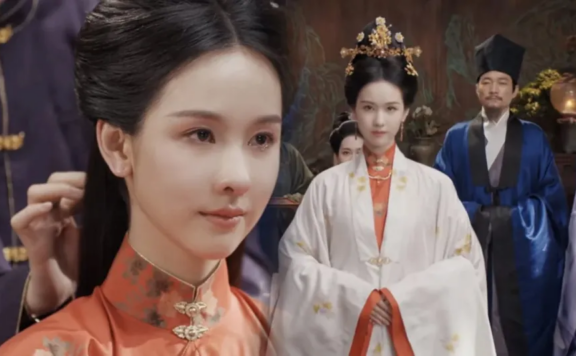
Coming of Age Ceremony for Chinese Women
Finally, a historical drama recreates the coming - of - age rite. In When the Wild Geese Return, there's a scene where Zhuang Hanyan, played by Chen Duling, undergoes the Ji Li (coming - of - age ceremony for women). Netizens exclaimed, 'So this is the touching moment!' Nowadays, most children are considered adults once they reach a certain age, without a formal 'coming - of - age ceremony'. But in ancient China, one couldn't be truly 'adult' without understanding rites and undergoing the Guan Li (capping ceremony for men) for males or the Ji Li for females. Details of Rites Men usually had the Guan Li at 20, and women the Ji Li at 15. Also called 'Jia Ji' or 'Shangtou Li', the Ji Li involved parents or elders tying up the girl's hair and inserting a hairpin, signifying her adulthood and eligibility for marriage. As the saying goes, 'When a woman is betrothed, she undergoes the Ji Li and is given a courtesy name.' The main adornments in these rites were hair - tying and adding a crown or hairpin. Before adulthood, children wore their hair loose. The Guan Li for men had three stages, corresponding to different…
