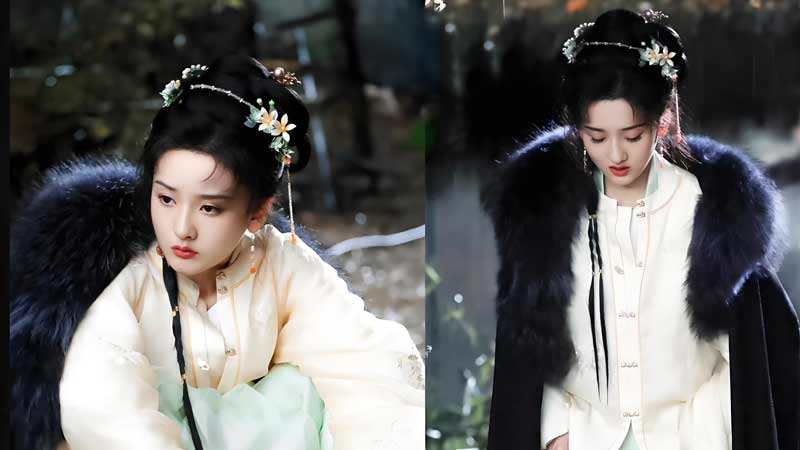
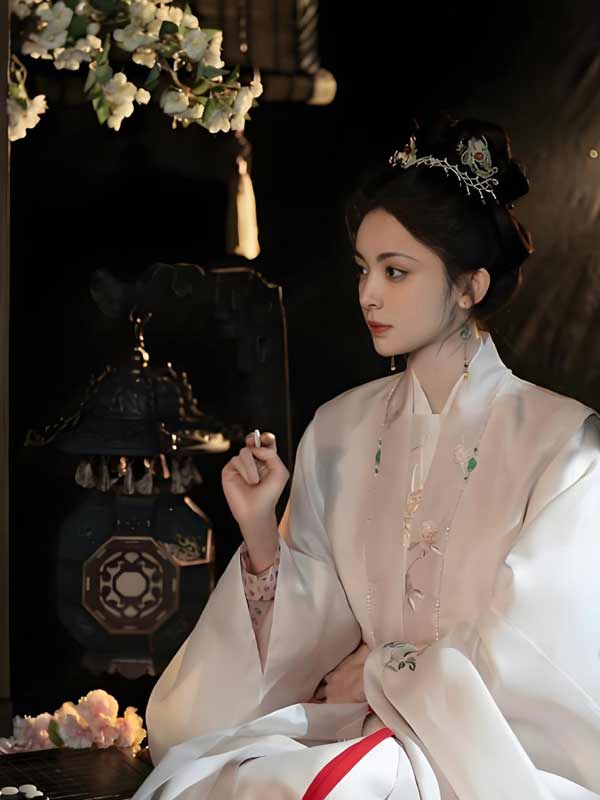
The camera pans across a tea garden, lingering on Gulnazar as her fingers dance over the Guqin (古琴). It’s not just the melody of Glory (玉茗茶骨) that captivates; it’s the silent narrative woven into her Ming Dynasty attire – a robe embroidered with gold thread against deep, resonant hues. This moment, captured in a single leaked still, ignited more than fan chatter; it sparked a nationwide fascination with Ming aesthetics. Actresses like Yang Zi, and Gulnazar aren't merely wearing costumes; they're embodying an era, proving that historical accuracy can be breathtakingly modern.
Beyond the Brocade
Gone are the days of generic "ancient" costumes dominated by flimsy silks and anachronistic designs. Song Zuer’s portrayal in Biao Mei Wan Fu (表妹万福) offered a revelation: Ming fashion could be refreshingly delicate. Her sky-blue short jacket, paired with a crisp white horse-face skirt (Mamianqun) edged in indigo, presented an aristocratic elegance far removed from stifling opulence. Audiences noted the quiet confidence it projected, a stark contrast to the exaggerated finery often seen.
Then came Yang Zi in Jia Ye (家业). Dressed not as nobility but as an artisan, her practical work clothes – sturdy fabrics, precise cuts – spoke volumes about Ming societal structure and craftsmanship. Scenes showing her meticulously preparing ink under the guidance of Huizhou masters weren't just plot points; they were immersive history lessons. Her focused demeanor in those moments resonated deeply, showcasing dignity found in skilled labor.
Tan Songyun’s (谭松韵) journey in Lan Xiang Ru Gu (兰香如故) delivered perhaps Jia Yest potent visual metaphor. Starting in coarse servant’s garb, her transformation culminates in the powerful donning of a satin horse-face skirt. That moment wasn't merely a wardrobe upgrade; it was a visual declaration of earned status and inner strength, silencing critics who dismissed Ming styles as inherently matronly.
Sartorial Revival
This revival thrives on authenticity, meticulously curated behind the scenes. Production teams are investing heavily in historical consultants. Lan Xiang Ru Gu employed Ming clothing experts to oversee every stitch and embroidery pattern. Jia Ye went further, bringing in custodians of traditional Huizhou crafts to ensure techniques like ink-making were faithfully reproduced. This dedication marks a significant shift from past shortcuts that left viewers dissatisfied with plastic-looking adornments or ill-fitting wigs mockingly dubbed "bulletproof hairpieces."
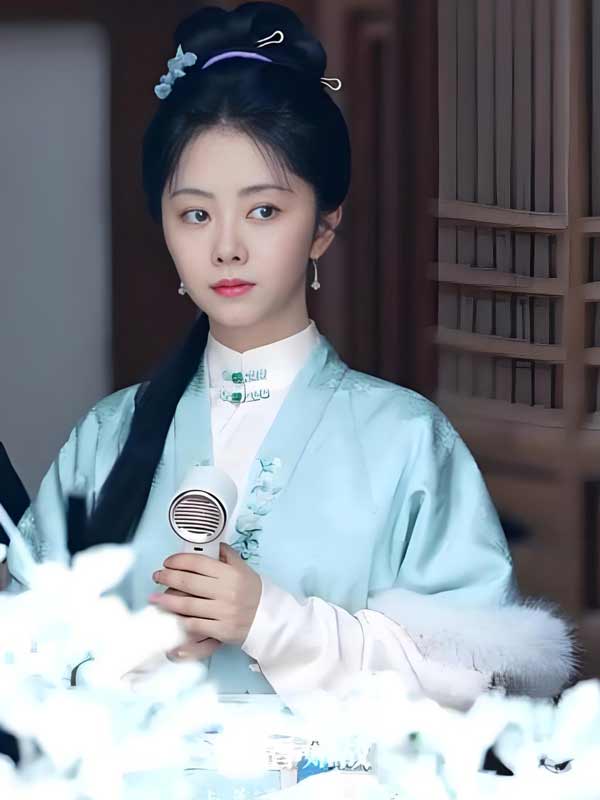
The actresses themselves are vital translators of this aesthetic. Song Zuer’s natural charm shines through her Ming attire – a spontaneous smile, an unguarded gesture – proving the clothes don't demand stiffness. They frame, rather than constrain, her youthful spirit. Gulnazar, initially questioned due to her distinct features, silenced doubters by mastering the bearing required for the elaborate Tongxiu robe, demonstrating Ming fashion's universal adaptability.
This movement responds to a clear audience desire. Years of historical dramas saturated with generic Korean-inspired chiffons and excessive digital filters created a visual fatigue. Viewers craved substance, texture, and a tangible connection to China’s own sartorial legacy. The Ming Dynasty’s emphasis on clean lines, structured silhouettes (like the stand-up collar, Liling, and fitted waist), and the dynamic flow of the Mamianqun offers a distinct, grounded elegance.
Threads of Confidence
This isn't just about prettier costumes; it's a cultural recalibration. Ming aesthetics represent a different kind of power – not ostentatious wealth, but the quiet assurance of refined taste and intellectual depth. It values the subtle artistry of a woven pattern over gaudy embellishment, the grace of a sleeve's drape (Pipa sleeve) over artificial flutter. It speaks of heritage worn with understanding, not just displayed as exotic decoration.
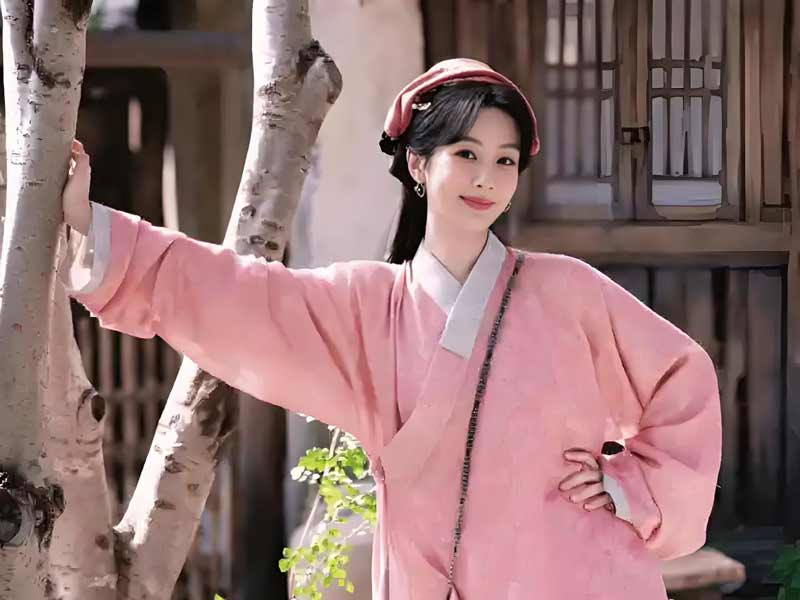
The impact transcends the screen. These portrayals challenge long-held stereotypes within the industry itself. Tan Songyun’s transition from servant to mistress visually dismantles the "Ming equals frumpy" bias. Yang Zi’s artisan role elevates skilled professions often overlooked in grand historical narratives. Their performances prove that historical accuracy, far from being restrictive, unlocks deeper character dimensions and resonates powerfully with modern audiences seeking authenticity.
In the future, this Ming wave holds immense promise. It suggests a future where historical dramas prioritize cultural integrity alongside compelling storytelling. It points towards productions unafraid of intellectual depth, where costumes aren't mere background but active participants in the narrative, whispering secrets of craftsmanship, social hierarchy, and personal transformation. As Song Zuer’s serene gaze meets the camera through the intricate lattice of her Ming attire, it offers a glimpse of that future – a screen alive with history, worn with genuine pride.