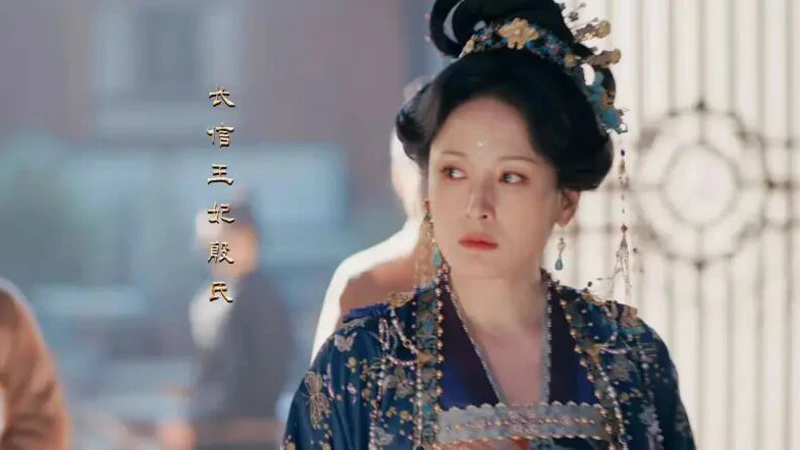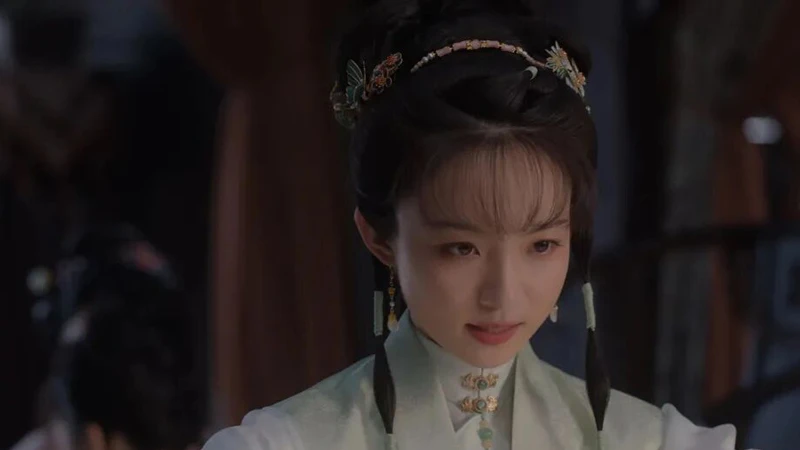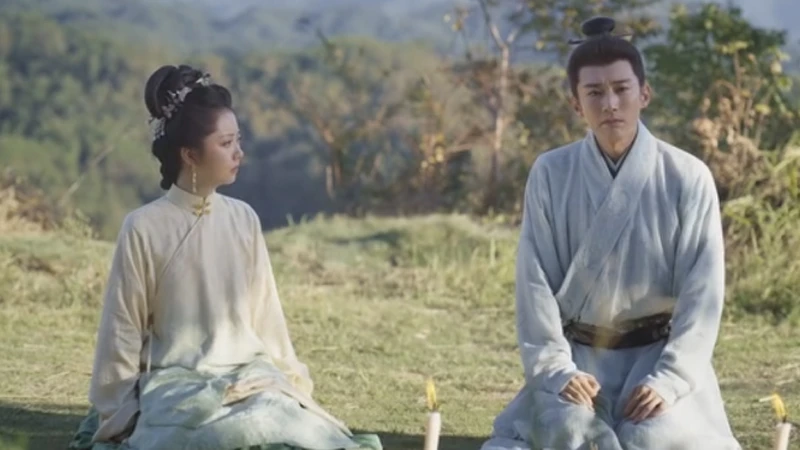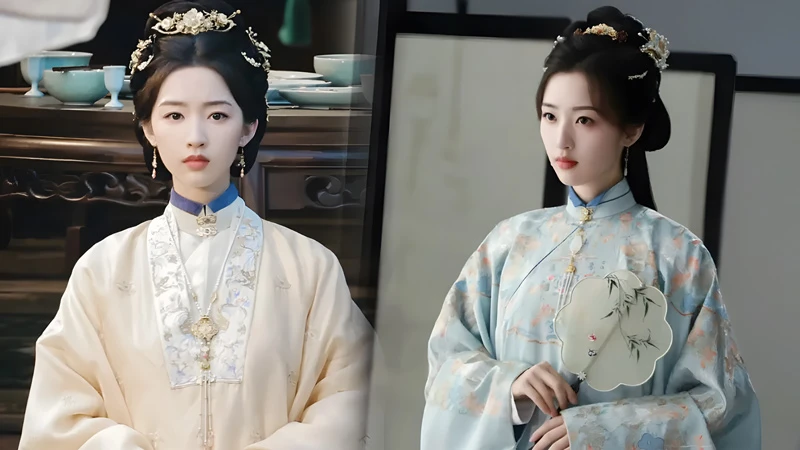
The historical drama The Road to Splendor (花开锦绣), starring Deng Enxi (邓恩熙) and Ding Yuxi (丁禹兮), has sparked lively discussions among viewers, particularly for its attention to Hanfu inspired by the Ming Dynasty. Set against a backdrop of imperial intrigue and personal growth, the series follows the journey of Deng’s character as she navigates court life, with her wardrobe evolving to reflect her status. Many have noted that Deng appears more dignified and elegant in these costumes compared to her previous roles. This article delves into the craftsmanship, styling, and visual storytelling behind this transformation, exploring how Ming-style attire enhances character portrayal and why it resonates with modern audiences seeking authenticity in period dramas.
Costume Craftsmanship
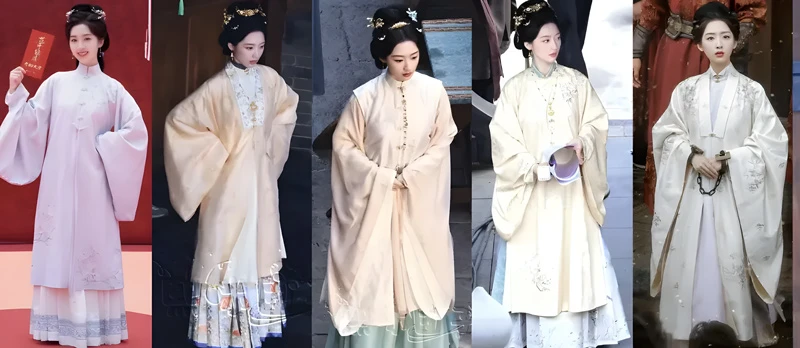
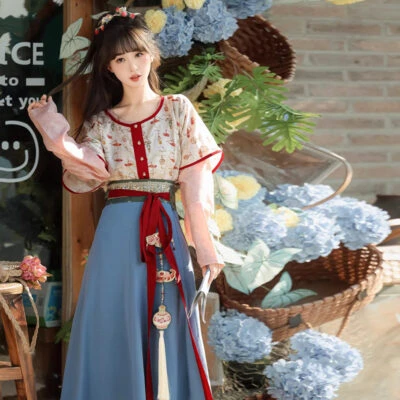
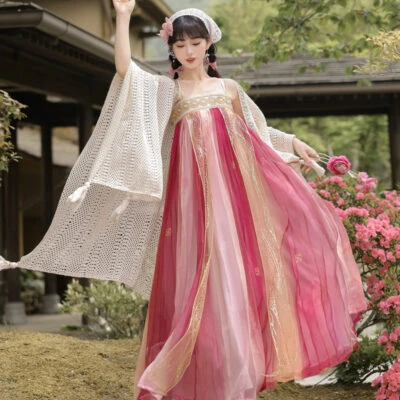
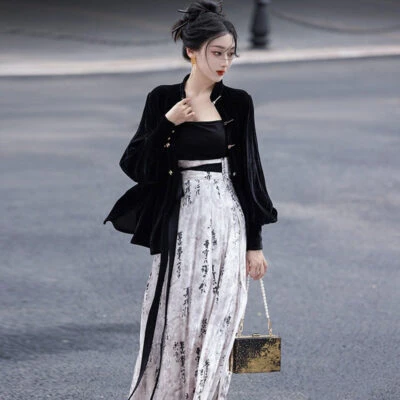
In The Road to Splendor, Deng Enxi’s wardrobe primarily features Ming Dynasty styles, such as the standing-collar robe paired with a Mamianqun (马面裙). The costumes incorporate techniques like gold-woven patterns and subtle embroidery, which were hallmarks of Ming nobility. These elements not only add richness but also convey the character’s rising social standing through intricate details that catch the light differently on screen.
One reason the attire appears so dignified is its balanced use of fabrics and decorations. For instance, gold-thread weaving and floral motifs are applied sparingly to avoid overwhelming the viewer, creating a sense of understated luxury. This approach contrasts with some modern interpretations that prioritize slim fits over historical accuracy, but here, the slightly fuller cuts help Deng’s frame command attention without sacrificing elegance.
The variety in collar styles, which ranges from vertical to round necks, allows for visual diversity while maintaining period correctness. Costume designers have used color palettes ranging from soft pastels for casual scenes to deeper hues for formal events, ensuring each outfit aligns with the narrative’s emotional tone. This thoughtful execution elevates the drama beyond mere aesthetics, making the clothing an active part of the storytelling.
Makeup and Styling
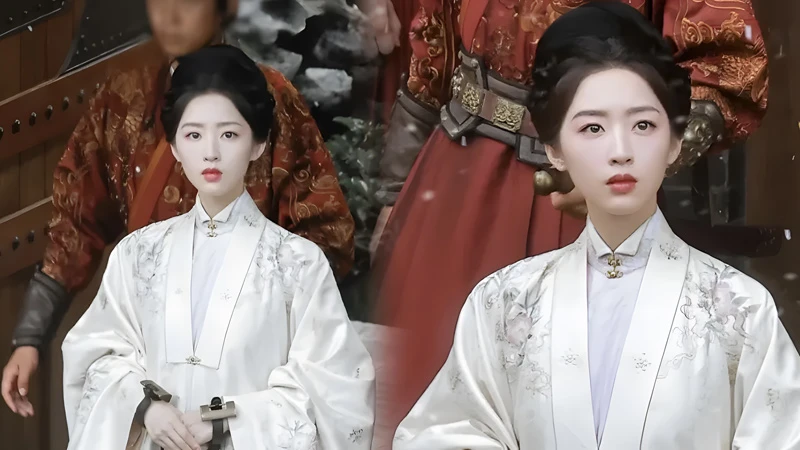
Deng Enxi’s oval face and petite stature are complemented by Ming-inspired hairstyles that feature raised buns and delicate hairpieces. The makeup emphasizes softness, with minimal contouring to preserve her natural soft features. By avoiding harsh lines, the artists create a harmonious look that doesn’t compete with the elaborate costumes, instead allowing her expressions to shine through.
Hairstyling plays a key role in balancing the proportions; accessories like hairpins add volume to the head, preventing the outfits from dwarfing her figure. This technique draws from historical practices where headdresses indicated social rank, but it’s adapted for contemporary screens by keeping decorations refined rather than ornate. The result is a cohesive appearance that feels both authentic and accessible.
Lip and eye makeup are subtly applied to enhance Deng’s youthfulness without appearing heavy. The focus on rounded shapes and light textures mirrors the character’s innocence and growth, making her transformation more believable. Such details demonstrate how period dramas can use beauty standards from the past to deepen character development while staying relatable to today’s viewers.
Visual Impact
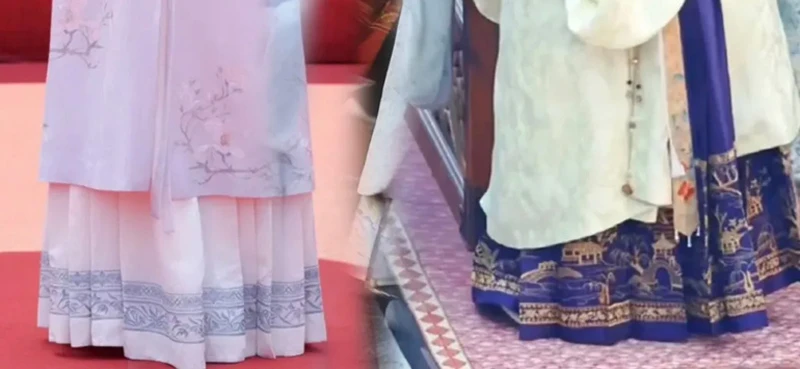
When compared to other series like The Glory (雁回时), the costume design in The Road to Splendor stands out for its consistency and clarity. The Mamianqun skirts, for example, often feature horizontal bands at the hem, a classic touch that reinforces the Ming aesthetic. This choice not only honors historical accuracy but also creates a flowing silhouette that moves gracefully on camera, adding to the drama’s visual appeal.
The collaboration between Deng Enxi and Ding Yuxi, their second project together after Melody Of Golden Age (长乐曲), brings a familiar chemistry that enhances their on-screen dynamics. Their coordinated styling, in which his attire contrasts with hers in color and cut, highlights their characters’ relationship arcs. This synergy between costume and acting helps audiences connect more deeply with the story, proving that thoughtful design can elevate entire performances.
Overall, the attention to detail in The Road to Splendor showcases how traditional clothing can be adapted for modern storytelling without losing its essence. As viewers await more reveals from the series, the positive reception underscores a growing appreciation for cultural elements in entertainment. This approach not only entertains but also educates, bridging past and present through visual artistry.