Article
Search results:
-
Decoding Ming & Qing Dynasty Mamianqun
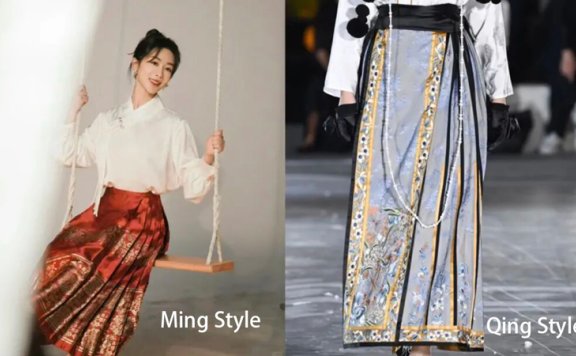
At first glance, the flowing skirts known as Mamianqun (马面裙) from China’s Ming and Qing dynasties appear nearly identical. Both feature the iconic flat front and back panels—the “horse-face” or Mamian—flanked by pleated sides. This similarity often leads modern viewers to see them as one and the same. Yet, to the trained eye, they speak different visual languages, each whispering secrets about the era that created it. You don't need a history book to tell them apart. Instead, focus on four key details: the behavior of the pleats, the character of the Mamian panel, the philosophy of its patterns, and the finish of its waistband. These elements transform the skirt from a mere garment into a legible text, revealing a profound shift in aesthetics and worldview between two defining dynasties. Reading the Pleats The most immediate clue lies in the pleats. A Ming dynasty skirt typically employs what experts call "live pleats." These pleats are secured only at the waist and the hem, leaving the middle section free. As the wearer moved, the pleats would swing open and close dynamically, creating a sense of lightness and fluidity. The pleats themselves were fewer in number and spaced wider apart, contributing to… -
Why the 500-Year-Old Mamianqun Is Today's Ultimate Fashion Statement
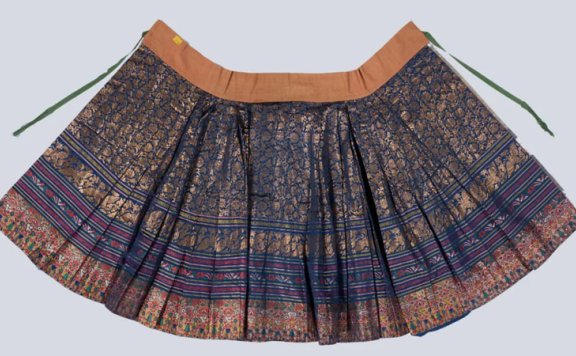
Walk down any modern city street in China, from Shanghai's Bund to The Forbidden City, and you'll likely spot a surprising silhouette: the Mamianqun (马面裙). With its distinctive flat front panels and flowing pleated sides, this Ming Dynasty-era skirt has leaped from museum displays and history books into the heart of contemporary wardrobes. It represents more than a cyclical fashion trend; it is a vibrant, living symbol where deep cultural heritage intersects with personal style. This skirt's journey reveals how a garment can transcend its original era to become a powerful medium for identity and aesthetic expression in the 21st century. A Design Born from Function The name Mamianqun originates from a unique architectural feature. Mamian refers to the rectangular, projecting bastions on ancient Chinese city walls, which the skirt's broad, unadorned front panel visually resembles. This core design principle—structured panels meeting dynamic pleats—emerged during the Ming Dynasty. The skirt is ingeniously constructed from two identical panels of fabric joined at a single waistband. When worn, these panels overlap at the front and back, creating four "gates" or openings: two prominent, flat rectangular sections at the front and back, flanked by pleated sides. This architecture served a profoundly practical purpose.… -
Hanfu and Mamianqun: Traditional Attires Become Viral Hits
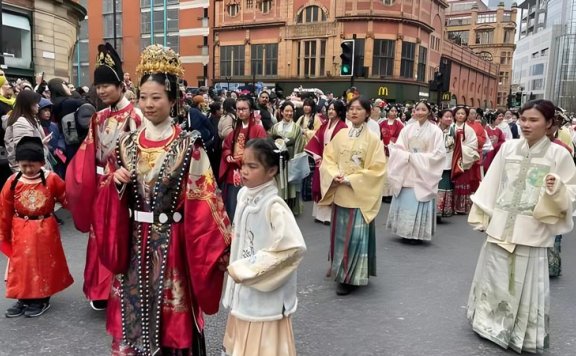
In eastern China’s Anhui Province, ancient aesthetics are rewriting modern economic narratives. Tax data reveals a 7.4% surge in textile and apparel sales from January to May 2025, driven by the explosive popularity of mamianqun (horse-face skirts) and Hanfu attire. This resurgence isn’t mere nostalgia; it’s a cultural reawakening merging heritage craftsmanship with digital innovation, positioning Anhui at the forefront of China’s "guochao" (national trend) movement. Stitching Success The mamianqun, characterized by its pleated panels and symbolic motifs, has transcended historical reenactments to dominate mainstream fashion. Social media influencers and festivals like the Hefei Hanfu Carnival amplified its visibility, transforming local workshops into supply chain hubs. Artisans now blend traditional dyeing techniques with AI-assisted pattern design, cutting production costs by 30% while preserving authenticity. Anhui’s textile factories report 40% higher export orders for silk-blend fabrics, catering to Southeast Asian and European markets. Provincial tax incentives for heritage crafts further enabled small businesses to scale rapidly. As one Hefei designer noted, "Young consumers seek identity, not costumes—they’re investing in wearable history." Heritage Reimagined Beyond textiles, Anhui’s intangible cultural heritage fuels diverse industries. Ceramics infused with Longkiln techniques saw 8.5% revenue growth, while bamboo-woven handbags and lacquerware suitcases boosted box retail sales… -
A Buyer’s Guide to Mamianqun Fabric
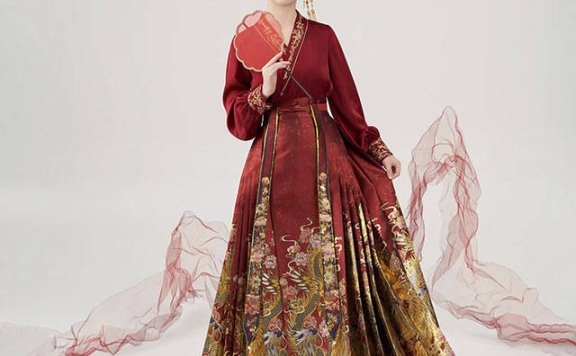
The Mamianqun, or horse-face skirt, has surged from historical relic to modern wardrobe staple, bridging centuries of Chinese craftsmanship with contemporary fashion. Yet as demand grows, so does the market’s mix of authentic artistry and mass-produced imitations. This guide illuminates how to discern quality craftsmanship, from fabric authenticity to structural integrity, ensuring your purchase honors this garment’s rich legacy. Material Mastery: Decoding Silk and Synthetics At the heart of every genuine horse-face skirt lies its fabric. Traditional Mamianqun relied on natural fibers—Ming artisans favored sangzhi (mulberry silk) for its luminous drape, while Qing workshops prized kesi tapestry silk for intricate embroidery. To test authenticity, rub the fabric gently: true silk generates subtle static, unlike synthetic mimics. Burn a loose thread—real silk curls into ash with a feather-like scent, while polyester melts into hard beads. Modern blends (e.g., 70% silk + 30% cotton) offer a middle ground, balancing historical reverence with daily durability. Beware of vendors advertising “100% silk” at suspiciously low prices (under ¥500). Many substitute synthetic blends, identifiable by their plasticky sheen and poor breathability. Hangzhou-based Silk Reverie uses plant-dyed organic silk, reviving Ming dye techniques with nettle greens and pomegranate rinds—a choice that marries tradition with eco-consciousness. The Four-Panel Litmus Test A true Mamianqun’s… -
The Modern Mamianqun, Streetwear Staples
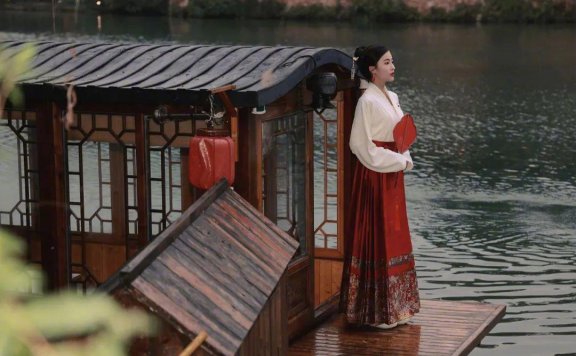
Once confined to historical reenactments and museum displays, the horse-face skirt has galloped into global streetwear. Today’s Mamianqun renaissance blends reverence for tradition with bold reinvention, transforming this Ming-era icon into a symbol of cultural fluidity. From Tokyo’s Harajuku district to New York Fashion Week, the skirt’s four-panel silhouette is rewriting the rules of cross-cultural style. The Mamianqun’s journey to modernity began with subtle adaptations. Designers first softened its structure for daily wear: Lighter Fabrics: Replacing heavy brocades with linen blends for summer-friendly versions. Adjustable Waistbands: Incorporating hidden elastic or drawstrings to accommodate diverse body types. Modular Design: Detachable outer panels allow wearers to switch between minimalist and ornate looks. Shanghai-based label Ming 2.0 sparked a trend with their “Commuter Mamianqun,” featuring water-repellent silk and pockets discreetly hidden in pleats. Its viral TikTok campaign (#MamianqunInMotion) showcased cyclists weaving through Beijing’s hutongs, skirts fluttering like ink paintings come to life. The horse-face skirt’s architectural lines have inspired unexpected crossovers: Punk Rebellion: Tokyo designer Yuri Takahashi pairs black leather Mamianqun with metallic chain belts, slashing outer panels to reveal neon underskirts. Bohemian Rhapsody: Los Angeles brand East Meets Dress layers lace-trimmed horse-face skirts over denim, accessorized with Navajo turquoise jewelry. Techwear Integration: Seoul’s Hanbok Futurism collective embeds LED… -
The Hidden Language of Mamianqun Embroidery
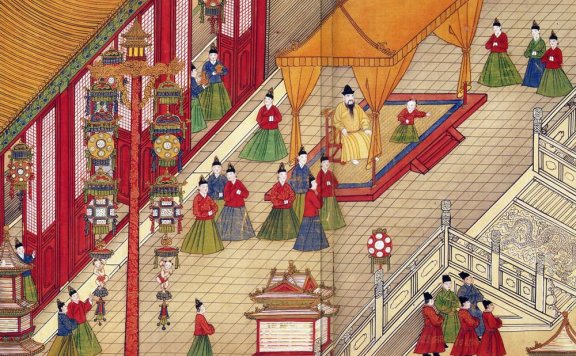
Every stitch on a horse-face skirt whispers secrets. For centuries, Mamianqun artisans encoded cultural values, social status, and cosmic beliefs into embroidered motifs, transforming fabric into a visual lexicon. These symbols—ranging from imperial dragons to humble butterflies—reveal how clothing became a canvas for China’s collective imagination. Imperial Dragons and Cosmic Order The dragon motif, reserved for royalty and high-ranking officials, evolved dramatically between dynasties. Ming-era Mamianqun featured five-clawed dragons (long) encircling skirt panels, their bodies coiled in perfect Fibonacci spirals to represent celestial harmony. A 1589 imperial consort’s skirt in the Forbidden City archives shows dragons chasing pearls amid cloud bands, symbolizing the emperor’s mandate from heaven. Qing artisans reimagined this motif under Manchu rule. Horse-face skirts for nobility incorporated mang dragons—four-clawed hybrids blending dragon and serpent features—to subtly assert Manchu identity. The 1783 “Dragon-Tide” skirt commissioned by Empress Dowager Chongqing pairs mang dragons with crashing waves, a nod to Qing naval ambitions. Floral Codes – From Peonies to Lotus Flowers served as social shorthand. Ming commoners favored peonies embroidered in indigo thread, their layered petals symbolizing wealth accumulation. Nobility preferred lotus motifs in silver-gilt thread, each flower’s eight petals mirroring the Bagua trigrams. A surviving Qing-era horse-face skirt from Suzhou tells a marital story through flora: pomegranates… -
The Guide to Selecting Your Mamianqun Horse-Face Skirt
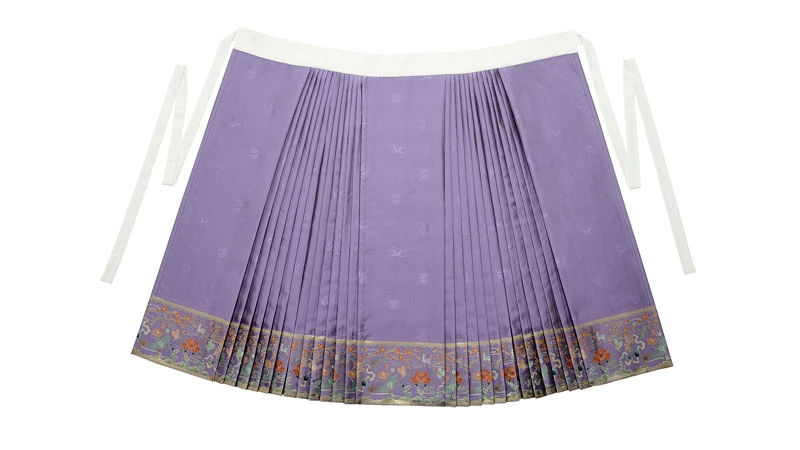
Horse-face skirts, also known as "Mamian Skirts," are a timeless and iconic part of traditional Chinese clothing. Originating from the Song Dynasty and popularized during the Ming Dynasty, these skirts have evolved from simple functional garments to sophisticated fashion statements that blend cultural heritage with modern style. Whether you're a seasoned Hanfu enthusiast or just starting your journey into the world of traditional Chinese attire, this guide will help you navigate the intricacies of choosing the perfect horse-face skirt. Understanding the Structure and Design A horse-face skirt consists of two main pieces that overlap at the front, creating four skirt doors (two on each side). The outer skirt doors are often decorated, while the inner ones may have minimal or no embellishments. The sides of the skirt are pleated, and the waistband is typically made of white fabric, symbolizing longevity and marital bliss. This design not only adds aesthetic appeal but also provides practicality, allowing for ease of movement. Key Features to Consider Skirt Length Shoe-On Style: Ideal length is leg length + 7 cm, ensuring a balanced look without compromising mobility. Long Style: Opt for leg length + 9-10 cm for a more flowing silhouette that complements various occasions.… -
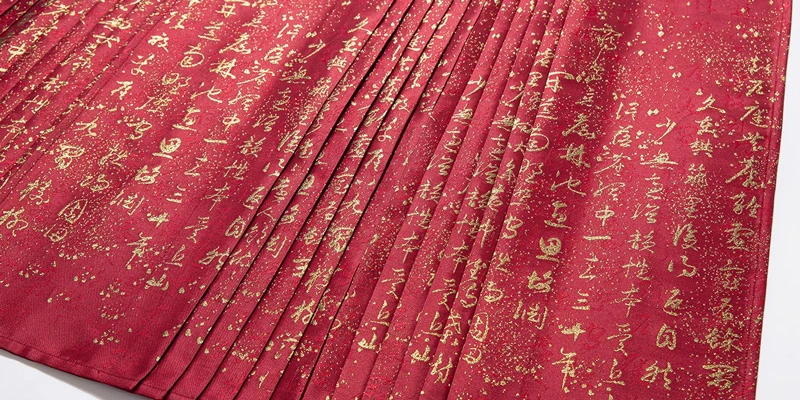
Finding the Right Mamian Skirt to Complement Your Hanfu
Nowadays, the Mamian skirt is increasingly integrated into our sight and life. Under such a trend, many people are eager to own their desired Mamian skirt. Let's follow Hanfu Shidai and take a look at the details to consider during the process of selecting and styling a Mamian skirt. 1 - Selection Stage Step 1: Size Firstly, choosing the right size that fits the body curves is crucial for the perfect outfit. Like a suit, a Mamian skirt can be chosen according to a size chart or customized. Whether you are selecting from a size chart or opting for customization, the main standards to measure are height, waist, and hips. These measurements will influence the choice of skirt length, waist length, and sweep circumference. If we choose to shop online, sellers often provide a size chart for customers to make their selection. By comparing the chart, you can choose according to your size information. If opting for customization, you can first provide the seller with your waist, hip, and height information for reference. Then, based on your needs, negotiate with the tailor to decide the width of the skirt door, the length of the skirt waist, and the skirt length. Generally,… -
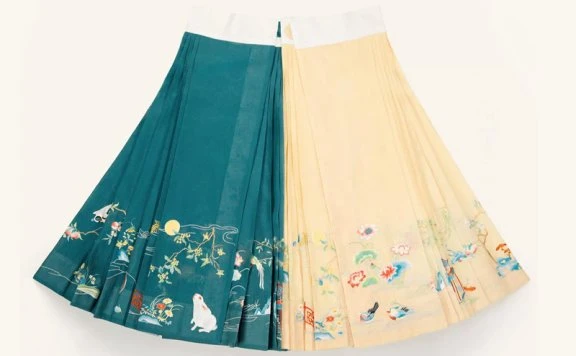
Exploring the Fashion Evolution of Mamian Skirt Patterns
The Mamian skirt pattern, as a traditional cultural element, is leading a new trend in the fashion world today. Its unique design and patterns showcase the elegance and temperament of ancient Han women, while also incorporating elements of modern fashion, making it a highly regarded focus in the fashion industry. Let us explore the structure, content, and trends of the Mamian skirt pattern in the fashion world. 01 Diversified Material Innovations In modern fashion, designers have applied the Mamian skirt pattern to various materials such as silk, cotton, chiffon, and blended fabrics. The Mamian skirt exhibits diverse styles and characteristics through material innovation, combining vintage flavor with a contemporary sense of fashion. This diversified material innovation injects new vitality and fashion trends into the Mamian skirt pattern. 02 Innovative Styles and Diversification Modern designers have retained the traditional Mamian skirt's basic structure and introduced many innovations. For example, the Mamian skirt can be paired with other garments such as t-shirts, shirts, or jackets to create a unique fashion style. Additionally, the Mamian skirt pattern can be incorporated into accessories such as handbags, shoes, or jewelry, adding unique highlights to the overall look. 03 Perfect Fusion of Tradition and… -
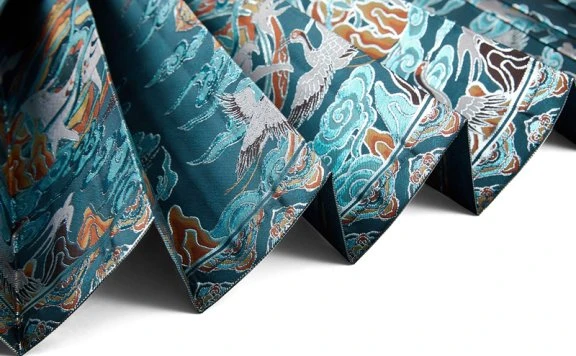
Finding the Perfect Hanfu Mamian Qun: A Guide to Choosing the Right Style for You
Recently, the popularity of Mamian Qun (horse face skirt) shows no sign of waning. On November 23rd, at the opening night of VOGUE Forces of Fashion, Tong Yao's appearance in a Mamian Qun caught the attention of netizens. Mamian Qun are gradually integrating into our vision and lives. In light of this trend, I believe many people are eagerly longing to own a horse-face skirt, so let us follow the Hanfu Shidai explore the details to consider when selecting and styling a horse face skirt. I. Selection Stage Step 1: Size First and foremost, a suitable size that fits and contours to the body curves is crucial for a perfect outfit. Similar to a suit, one can choose to follow the size chart or opt for made-to-measure when selecting a Mamian Qun. Whether based on the size chart or personalized tailoring, the primary measurements to consider are height, waist circumference, and hip circumference. These factors will influence the choice of skirt length, waist length, and hem circumference. If we choose to purchase online, merchants often provide a size chart for customers to make their selection. By referring to the table, one can choose accordingly based on their own size… -
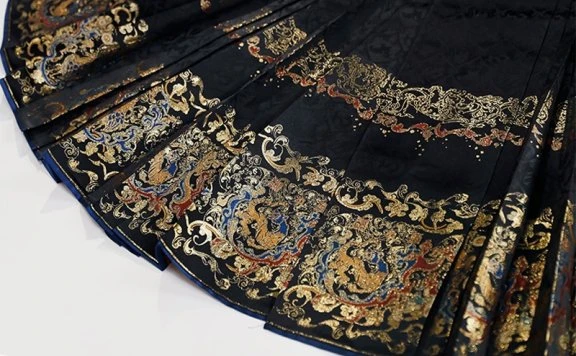
How to Seamlessly Integrate the Mamian Skirt into Your Daily Outfits
Among the numerous garments of Hanfu, the most popular one is probably the Mamian skirt. As a clothing item full of ethnic style, the skirt is characterized by vibrant colors and unique patterns. Wearing it seems like traveling through time and experiencing the charm of traditional culture. In fact, the Mamian skirt is not a completely new design, its history can be traced back to a hundred years ago. Also known as Mamian pleated skirt, it was one of the main skirt styles for ancient Chinese women. It consists of four skirt doors, both front and back, overlapping in pairs. The outer skirt door is adorned with decorations, while the inner skirt door has fewer or no decorations. The Ma Mian Qun is pleated on the side, and the skirt waist is often made of white fabric, symbolizing a lifelong union. It is fastened with a rope or button. The design of the Mamian skirt highlights symmetry and streamlined shapes, emphasizing the curves of women and creating an elegant and dignified image for the wearer. The charm of the Mamian skirt has actually transcended national borders. At the banquet where Princess Diana was announced as the future royal bride in… -
8 Modern Mamian Qun That Will Wow You
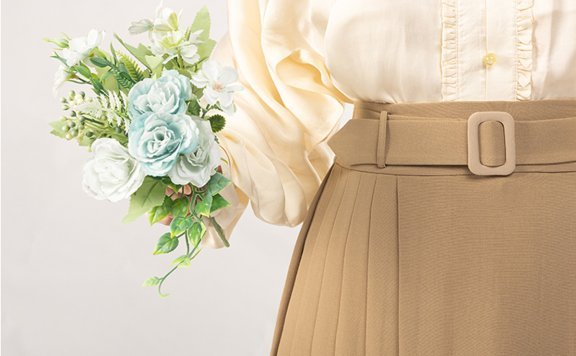
The Mamian Qun, or the horse-face skirt, is a traditional Chinese dress that has a long history and a rich culture, and its elegant and graceful style. However, in recent years, the Mamian Qun has undergone some changes and innovations, thanks to the creative efforts of some designers who have given it a modern twist. In this article, we will introduce you to eight modern Mamian Qun that are stunning and fashionable. These dresses combine the essence of tradition with the elements of innovation, creating a new trend of Chinese dress that you don’t want to miss. Style 1 It features a simple design with a piece of leather buckle, which not only adds to the aesthetic appeal but also helps to keep the dress in place. The fabric used in this Mamian Qun is not prone to wrinkles, making it an ideal choice for those who prefer a neat and polished look. The pleat style is stable, ensuring that it retains its shape even after multiple washes. Furthermore, this Mamian Qun particularly striking in the way it reflects light, displaying a golden sheen that catches the eye and adds a touch of luxury. Style 2 This Mamian… -
The Mamianqun: History, Construction, Features
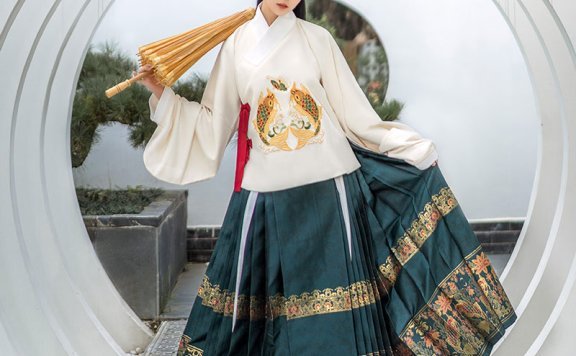
So the Mamianqun, or 馬面裙, or horse-faced skirt, has been blowing up lately especially because of the Dior controversy—here's an in-depth dive into the history, construction, and features of the famous horse-face skirt. A BRIEF HISTORY OF THE MAMIANQUN The mamianqun or horse-faced skirt is a skirt that first originated somewhere close to the Song dynasty worn by high-class courtesans (who were like celebrities and fashion icons tbh) in the form of colorful pleated silk. It’s named this way because of its resemblance to the mamian fortress, which has stairs on either side (like the pleats) and a door in the front and back (like the skirt doors). The ‘doors’ sides of the fortress were known as the *horse faces* or mamian/馬面 because these were the faces of the fortress where the horses would pass through. It became extremely popular in the following Ming dynasty and stayed popular through the Qing dynasty through Manchurian rule—it’s been around for a long, long time! Mamianqun are more convenient for movement and offer a regal, classy aesthetic as well as a very recognizable and unique silhouette. Even Princess Diana wore one once! BASIC CONSTRUCTION OF A MAMIANQUN The Skirt Doors From the… -
Zhao Yazhi Teaches the Art of Red-White Hanfu Matching
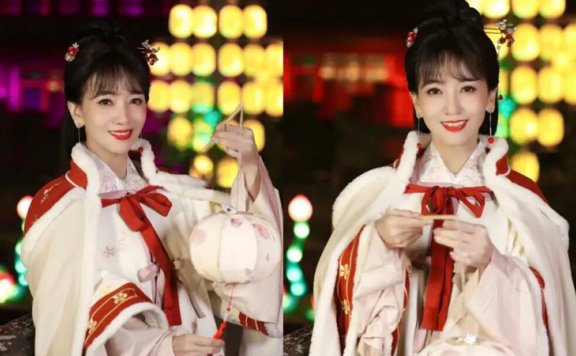
Can 72-Year-Old Zhao Yazhi (赵雅芝) Teach Us About Timeless Style? She dons Hanfu to promote her hometown, reminding us that elegance has no expiration date. This article explores how mature women can master festive, traditional-inspired looks using clever color combinations, drawing inspiration from the legendary actress herself. The Winning Formula: Red and White When Zhao Yazhi recently appeared in Hanfu to promote Henan province, social media took notice. At 72, she chose a striking ensemble: a white cloak over a red square-collared half-sleeve jacket, paired with a red pleated Mamianqun (马面裙). The foundation was a warm white cross-collared inner robe. Her secret? The timeless combination of red and white. These are her signature shades for a reason—they are universally flattering and know no age limit. Choosing the right shade is critical. For a classic look, avoid stark, cold white (like bleached fabric). Opt for a warm, off-white, often called natural white. This subtle shift in tone harmonizes better with traditional aesthetics and softer complexions. The balance of colors also matters. A fifty-fifty split is a safe start, but accessories can shift the energy. Adding more red accessories makes the outfit pop, warms the skin tone, and feels more vibrant and… -
What Did Ming Dynasty Women Really Wear?
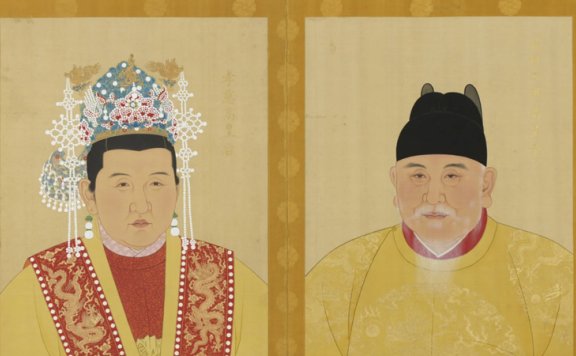
Across centuries, clothing has served as a mirror to Chinese society, reflecting shifts in aesthetics, technology, and social order. While modern fashion draws from countless influences, the styles of the Ming Dynasty (1368-1644 AD) offer a particularly vivid window into a world where fabric, color, and pattern were powerful languages. This was not a static tradition but a dynamic one, evolving from restrained elegance to magnificent complexity. Today, as interest in historical dress revives, we look back to this era not for mere replication, but to understand the sophistication and symbolic richness that defined a woman's appearance, from the imperial court to the bustling marketplace. Silhouettes in Flux The foundational ensemble for Ming women was the Ao (袄), a jacket or upper garment, worn over a skirt. Early in the dynasty, the Ao featured narrow sleeves and clean lines, continuing a Song Dynasty preference for simplicity. By the mid to late Ming period, as prosperity grew, sleeves widened dramatically. The innovative Pipa Xiu (琵琶袖), or "lute sleeve," became iconic: wide through the arm but sharply cinched at the wrist, creating an elegant, flowing shape reminiscent of the Chinese lute instrument. Beneath the jacket, the Mamian Skirt (马面裙) reigned supreme. This… -
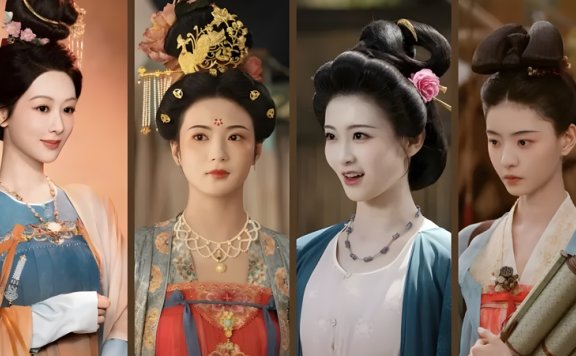
How Chinese Period Dramas Bring Traditional Clothing to Life
Audiences often question the authenticity of clothing in period dramas. What appears on screen blends artistic vision with historical reference, creating a visual language that speaks to modern viewers while hinting at the past. Accurate garment reconstruction offers more than beauty; it provides a tangible link to bygone eras, functioning as an informal guide for those curious about traditional dress. Yet, perfect fidelity remains elusive, as every production makes compromises between fact and spectacle. Several recent series have attempted serious sartorial homage. For instance, The Wind Blows From Longxi (风起陇西), set in the Three Kingdoms period, features layered robes and specific sleeve cuts that reference Han Dynasty styles. Similarly, The Longest Day in Chang'an (长安十二时辰) meticulously presents Tang era Hanfu, with its distinctive silhouettes and rich fabrics. These details matter, as they ground the narrative in a specific time and place, allowing viewers to sense the weight of history through cloth and stitch. Other productions, like Generation to Generation (江湖夜雨十年灯) and Flourished Peony (国色芳华), draw inspiration from Wei-Jin and early Tang aesthetics. They capture a certain mood—the flowing drapery, the subdued palette—but often blend elements for dramatic effect. This approach can illuminate broader stylistic trends while sacrificing precise replication. Even well-regarded… -
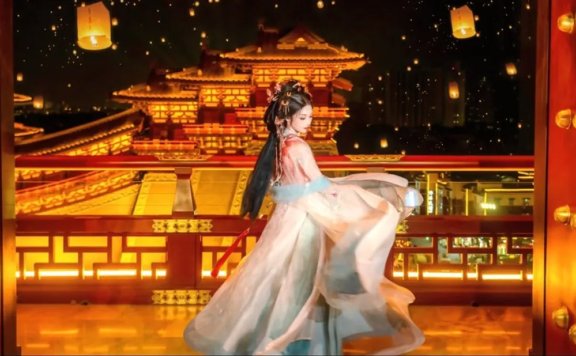
Winter Lights and Ancient Threads: A Hanfu Journey by Luoyang's Solstice
As the year turns toward its deepest night, a different kind of light begins to glow in the ancient capital of Luoyang (洛阳). The Winter Solstice, the year's longest night and a traditional festival heralding the return of the sun, transforms this historic city. It becomes a living canvas where the past is not merely remembered but worn. Here, amidst palaces and pagodas that have stood for millennia, the elegant lines of Hanfu are not a costume but a conversation—a silent dialogue between the wearer, the rhythm of the seasons, and the soul of a civilization. This is where time folds upon itself, inviting a modern step into a profoundly poetic celebration. Robes for the Long Night Selecting attire for this day requires thought. The solstice carries a solemn, introspective energy, and the clothing should mirror that dignified warmth. The aim is to achieve both physical comfort against the chill and a visual harmony with the season's quiet gravity. It is a practice in layered elegance and historical resonance. For robust warmth and regal structure, the Ming dynasty style stands paramount. A stiff-collared, side-closing long robe paired with a Mamian skirt offers superb protection from the wind. This combination presents… -
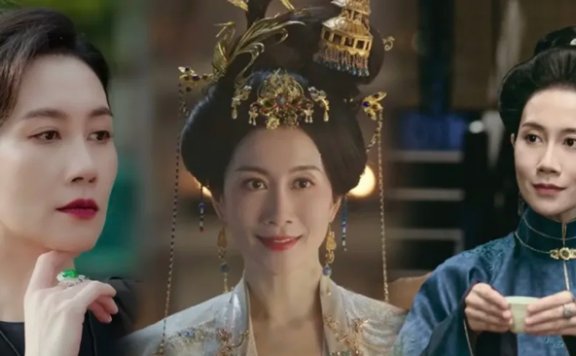
Wen Zhengrong: Historical Attire and Jewelry Shape Drama Style
Why does this actress radiate such noble elegance? In the television drama Love's Freedom (许我耀眼), the character of Sister Lan (岚姐), portrayed by actress Wen Zhengrong (温峥嵘), has captivated audiences with her poised and aristocratic demeanor. Her roles often depict matriarchs from influential families, leading many to wonder about the origins of this refined aura. The answer lies not just in stellar acting, but in the meticulous recreation of historical attire and adornments, where every accessory tells a story of status, culture, and artistry. Jade's Timeless Allure In Love's Freedom, Sister Lan's wardrobe is defined by minimalist, solid-color outfits that allow her jewelry to command attention. A prominent feature is her magnificent Feicui (翡翠) jade pendant. In ancient China, jade was far more than decoration; it was a definitive marker of a woman's family background and social standing. The quality of a piece was judged rigorously on its color saturation, translucency, and the absence of flaws. Wearing high-quality jade was a silent, powerful statement of nobility and refined taste. The history of the term "Feicui" is fascinating. Its earliest mentions, such as in the Han Dynasty text Huainanzi (淮南子), refer not to the green stone we know today, but to… -
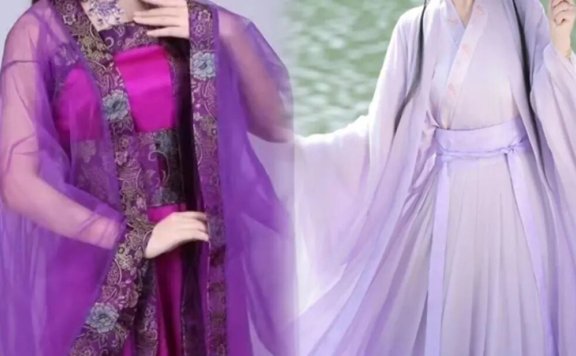
The Game-Changer Behind China's Hit Historical Short Dramas
Could the secret to a hit historical series be hanging in a ready-to-wear shop? A noticeable shift is occurring behind the scenes of China's booming short drama industry. Instead of commissioning custom-made costumes, an increasing number of production crews are turning to off-the-rack Hanfu. This move is not just about cutting costs; it is a conscious choice that is reshaping visual storytelling, winning audience approval, and opening a new front in the promotion of traditional culture. The clothes characters wear are becoming a direct link to a authentic past. Costume Clash What is the real difference between a ready-made Hanfu and a custom drama costume? The former is a garment produced for public sale, designed according to historical patterns and tailoring techniques. Its primary advantage is authenticity. Many of these garments are replicas based on archaeological finds, like textiles from the Bijiatan (毕家滩) tomb or wooden figurines from Astana (阿斯塔纳). They offer a tangible connection to a specific era. Using these accurate garments elevates a production's quality. For a series set in a defined dynasty, correct clothing shapes pull the audience deeper into the world. A character dressed in a cross-collared top under a square-collared coat with a Mamianqun (马面裙)… -
Can Hanfu Break Free from Tradition in Love's Freedom?
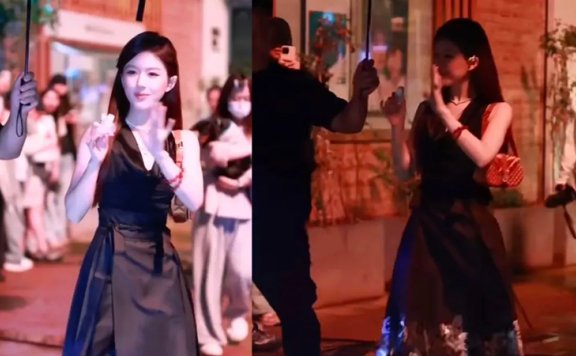
In the television drama Love's Freedom (许我耀眼), the character Xu Yan (许妍), portrayed by popular actress Zhao Lusi (赵露思), embarks on a challenging entrepreneurial venture: modernizing traditional Chinese clothing. Her struggle mirrors a real-world debate simmering across the country. As Hanfu and other ethnic styles gain visibility, a critical question emerges: what kind of innovation truly honors these garments while making them relevant for today? The series does not offer easy answers, but it successfully frames a vital conversation about cultural identity in a fast-moving world. It moves beyond simple nostalgia, probing how historical attire can find a genuine place in contemporary closets, not just in photo studios or ceremonial events. The journey is far from straightforward. Love's Freedom illustrates the delicate balance required when tweaking centuries-old designs. Some purists argue that any alteration dilutes cultural authenticity, while others believe that without adaptation, these beautiful garments risk becoming mere costumes. Xu Yan's fictional endeavor highlights a practical reality: for clothing to be worn, it must be livable. It must accommodate the pace of modern life, from commuting on public transport to working in an office. The show suggests that the future of ethnic fashion lies not in perfect museum-quality replication,…