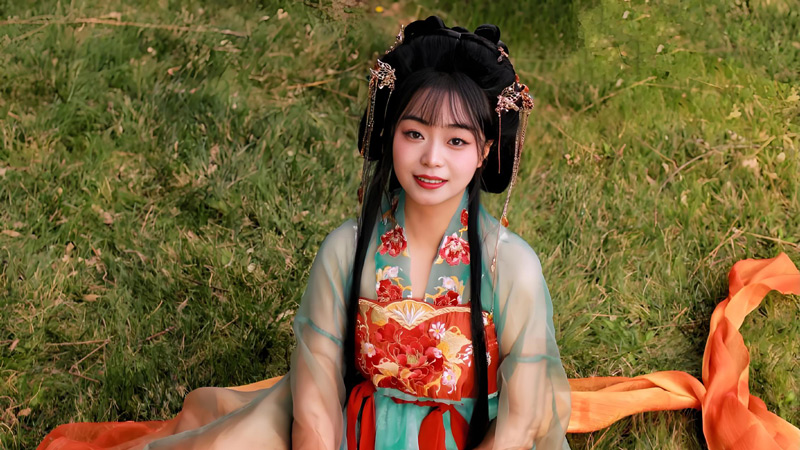
Have you ever wondered what makes a garment more than just fabric? In the bustling streets of modern China, a style from centuries past is making a stunning comeback. This is not merely a fashion trend; it is a journey into an era where clothing was a language of its own, speaking volumes about status, artistry, and identity. The sartorial legacy of the Ming Dynasty offers a unique window into a world of sophisticated aesthetics and social order, a world that continues to captivate designers and cultural enthusiasts today. Its appeal lies in a powerful combination of structured elegance and deep symbolic meaning, providing a rich source of inspiration far beyond the history books.
Iconic Silhouettes
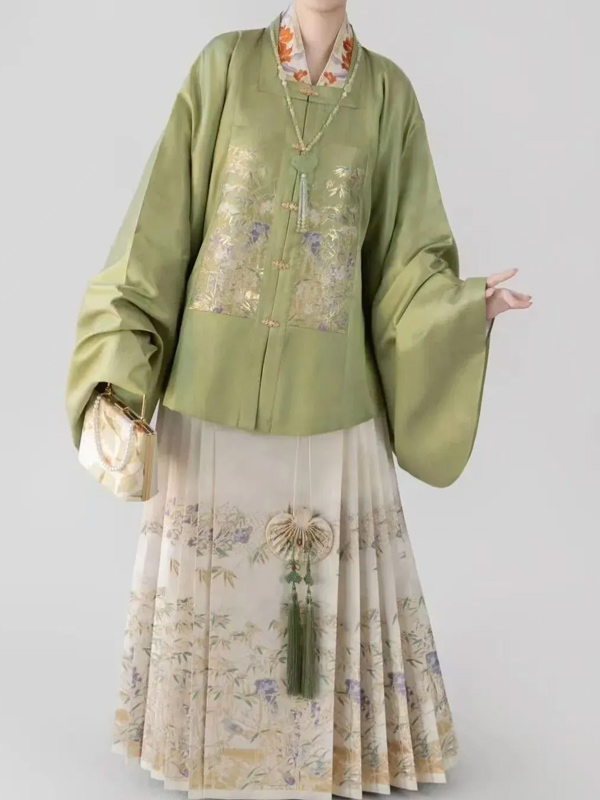
Several key elements define Ming attire, making it instantly recognizable. The most famous is arguably the Mamianqun (马面裙), or "horse-face skirt." This ingenious design featured four overlapping panels—two in the front and two in the back—with pleated sides. When the wearer walked, the skirt created a graceful, flowing wave-like motion. Its design was both slimming and practical, allowing for ease of movement. Today, it remains a cornerstone of any Hanfu enthusiast's wardrobe, celebrated for its timeless elegance.
Another defining feature was the stand-up collar, a significant departure from the cross-collars of previous dynasties. This high neckline, often fastened with intricate fabric knots, projected an air of dignified formality. The sharp, clean lines of the Liling (立领) contrasted beautifully with the soft flow of the skirts and robes. This collar style was adored by women across all social strata, from empresses to commoners, unifying them in a shared aesthetic of refined grace.
Beyond these, specific garments like the Ao (袄) and Pifeng (披风) completed the ensemble. The overall effect was one of structured modesty without sacrificing an ounce of beauty. The harmony between precise tailoring and flowing fabric is a hallmark of Ming design, creating a silhouette that is both powerful and poetic. This balance is a key reason for its enduring popularity in contemporary fashion reinventions.
Weaving Social Fabric
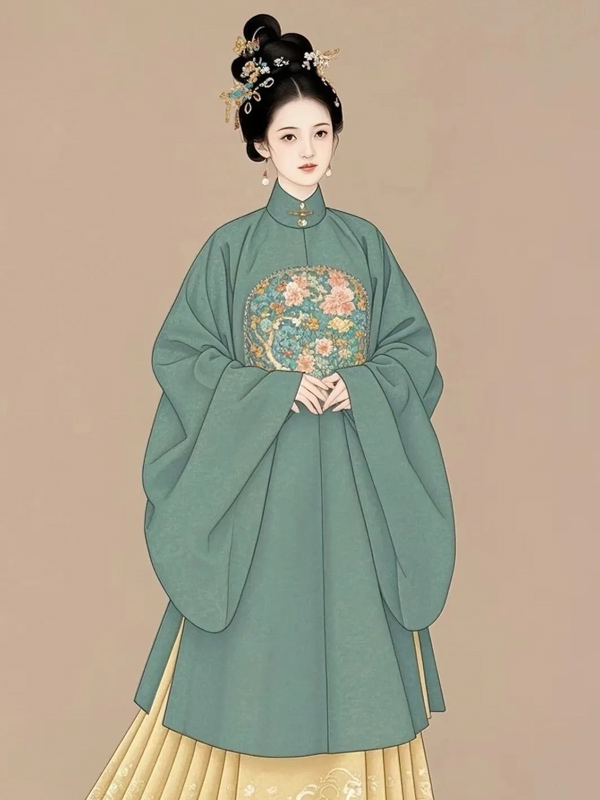
Clothing in the Ming Dynasty was a visual map of a strictly ordered society. Sumptuary laws dictated what colors, fabrics, and motifs could be worn by each social class, making one's status immediately apparent. At the apex of this sartorial hierarchy was the imperial family. The Empress's ceremonial Diyi (翟衣) was a breathtaking spectacle, embroidered with pheasant motifs and adorned with precious jewels, symbolizing her supreme position. The Emperor's Longpao (龙袍) in bright yellow was exclusively his, featuring the five-clawed dragon, an emblem of his heavenly mandate and absolute authority.
In contrast, the attire of the common people, while still beautiful, prioritized functionality for daily labor. Women typically wore a short Ao jacket paired with a simpler Mamianqun. Men wore practical Duanda (短打), a type of short coat and trousers. While barred from using the imperial yellow or dragon motifs, the commoners' wardrobe was far from drab. Their garments burst with vibrant, life-affirming colors like peach blossom pink and willow green, often decorated with popular patterns like florals and winding vines.
This clear visual distinction ensured social order was maintained. Yet, within these constraints, a incredible diversity of style flourished. The clothing of scholars, merchants, and farmers each told a different story about their lives and values. This complex system transformed the streets into a living tapestry, weaving together the threads of an entire civilization, from the palace down to the smallest village.
A Modern Revival
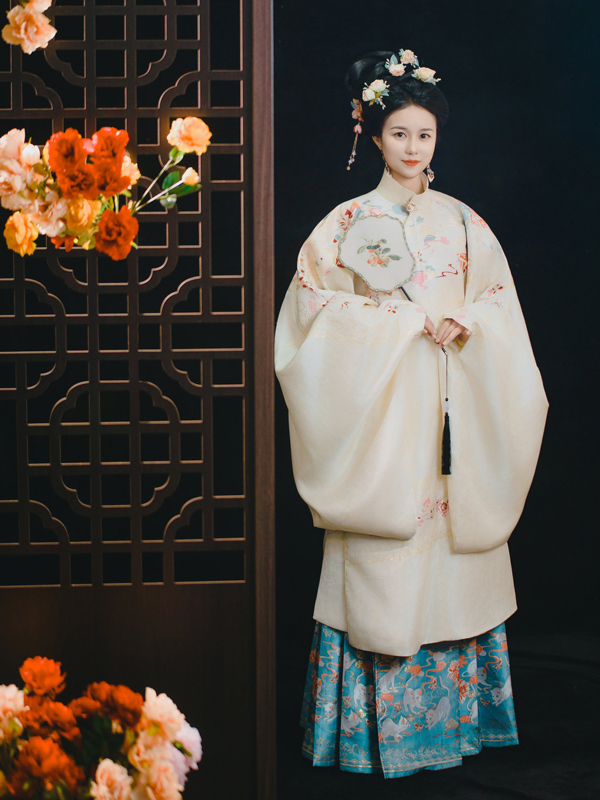
Today, Ming Dynasty fashion is experiencing a vibrant renaissance, propelled by a new generation seeking a tangible connection to their heritage. This is more than nostalgia; it is a dynamic cultural movement known as Guochao (国潮). Young people are integrating these historical styles into their modern lives, not as costume, but as a genuine expression of identity and aesthetic appreciation.
One of the most beautiful modern applications is in weddings. Many couples now forego Western-style gowns for traditional Ming ceremonies. The bride shines in a magnificent Fengguan (凤冠) and Xiapei (霞帔), while the groom wears a Yuanlingpao (圆领袍). This shift offers a deeply meaningful and culturally rich alternative, infusing the wedding day with profound historical resonance and a powerful sense of ritual.
The influence extends into daily wear and popular media. The Mamianqun has been ingeniously adapted for the office, paired effortlessly with modern blouses and sweaters. Furthermore, television series like Ming Dynasty (大明风华) and The Imperial Age (山河月明) have played a pivotal role in popularizing the style. With their high degree of historical accuracy in costuming, these dramas have brought the grandeur of Ming attire to millions of viewers, proving that this ancient aesthetic still has the power to dazzle and inspire in the 21st century.