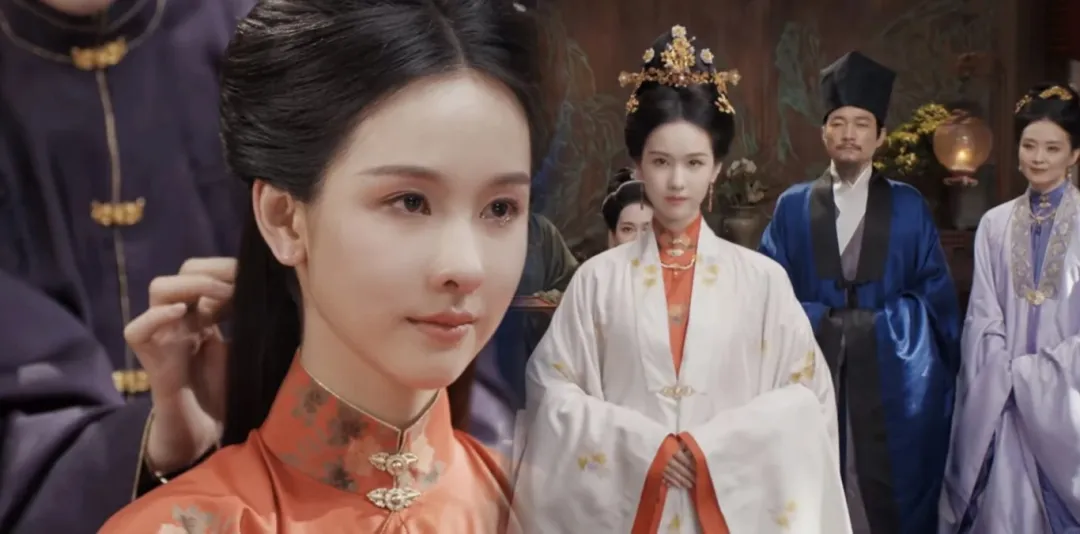
Finally, a historical drama recreates the coming - of - age rite. In When the Wild Geese Return, there's a scene where Zhuang Hanyan, played by Chen Duling, undergoes the Ji Li (coming - of - age ceremony for women). Netizens exclaimed, 'So this is the touching moment!' Nowadays, most children are considered adults once they reach a certain age, without a formal 'coming - of - age ceremony'. But in ancient China, one couldn't be truly 'adult' without understanding rites and undergoing the Guan Li (capping ceremony for men) for males or the Ji Li for females.
Details of Rites
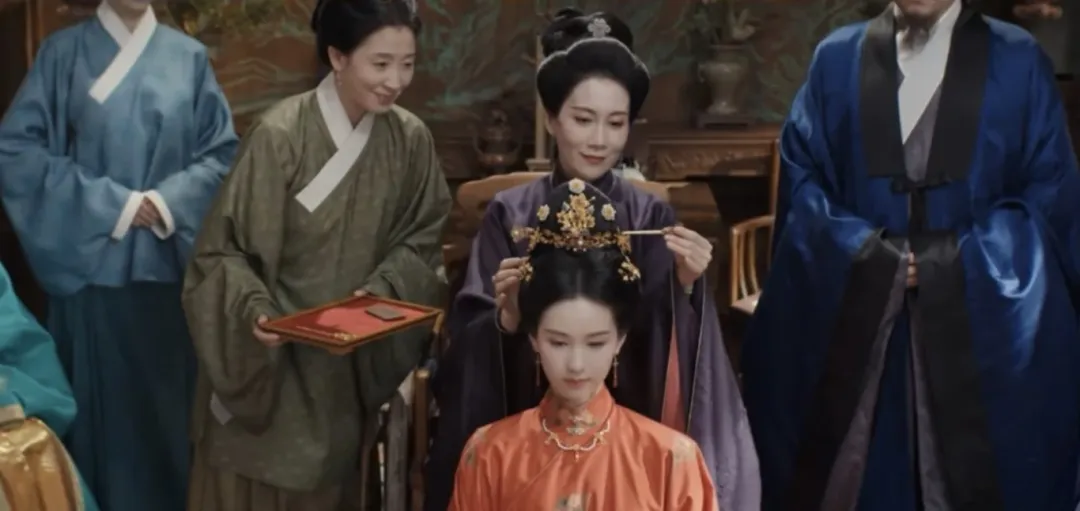
Men usually had the Guan Li at 20, and women the Ji Li at 15. Also called 'Jia Ji' or 'Shangtou Li', the Ji Li involved parents or elders tying up the girl's hair and inserting a hairpin, signifying her adulthood and eligibility for marriage. As the saying goes, 'When a woman is betrothed, she undergoes the Ji Li and is given a courtesy name.' The main adornments in these rites were hair - tying and adding a crown or hairpin. Before adulthood, children wore their hair loose.
The Guan Li for men had three stages, corresponding to different phases of adulthood. Different dynasties had different crown styles. For example, the Han Dynasty used the Zibu Guan, Pi Bian, and Jue Bian Guan, while the Song and Ming dynasties used Futou, Ru Jin, and Fu Tou. Women's hairpins varied according to family wealth.
Attire in Rites
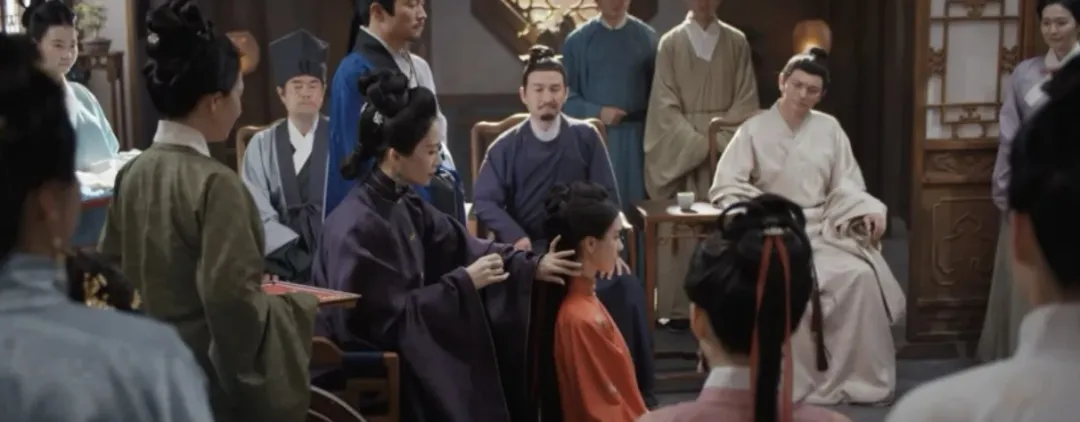
Men's attire included Caiyi (child's clothing), Chang Lifu (everyday adult wear), Lanshan (scholar's robe), and formal ceremonial attire (or official robes for those with rank). Women's ceremonial attire wasn't well - documented. If following the 'three - stage' rule like men, it would end with formal robes or bestowed garments. In the drama, Chen Duling mainly showed the 'first stage' of the Ji Li: tying up hair with a hairpin, wearing a standing - collar, diagonal - closure long coat, a Mamian skirt, and a large - sleeved overcoat, representing formal ceremonial wear.
China's coming - of - age rites, which lasted for thousands of years, are rarely seen today. Some historical dramas depict such scenes, but many are inaccurate, with women not having their hair pinned up and parents not giving admonitions. Influenced by Confucian traditions, neighboring Asian countries like Japan and Korea still preserve variations of this ceremony.
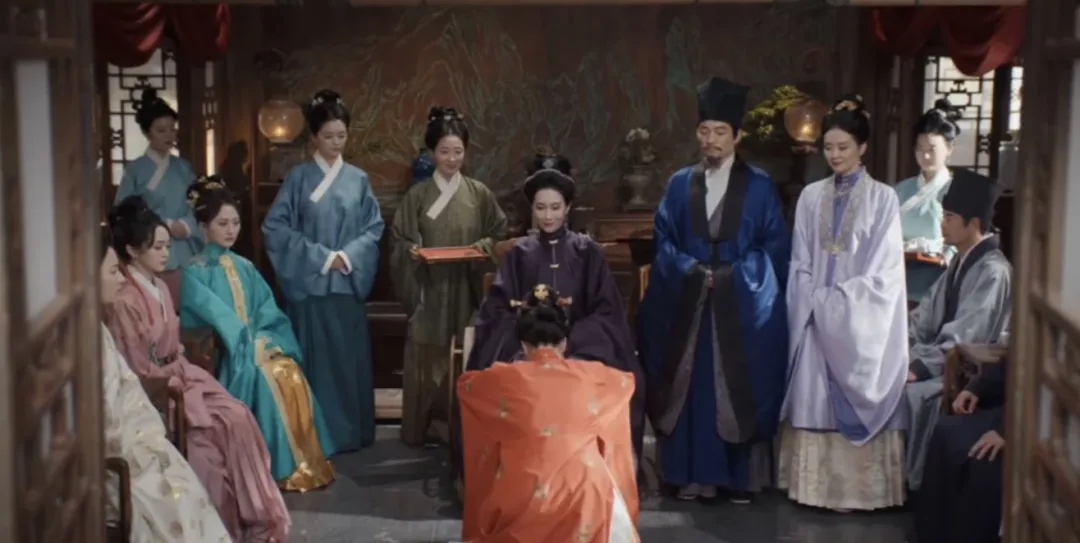
The coming - of - age rite is important as it reminds young people of their responsibilities, marking their transition from carefree 'children' to accountable adults. As the Book of Rites states, 'Rites begin with the capping ceremony.' This external - to - internal process reflects our ancestral wisdom and cultural heritage. Let's remember that our country once had grand coming - of - age ceremonies.