-

Unpacking the Enduring Power of Teahouse by Lao She
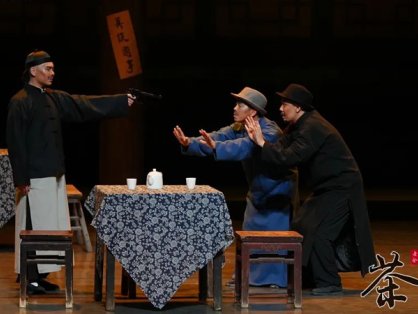
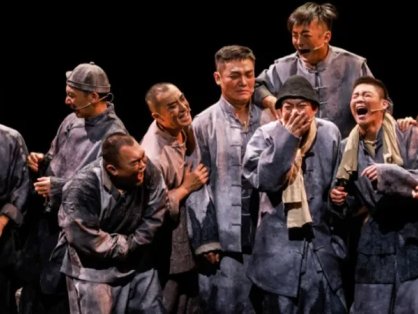
Why does a play about a fading teahouse still resonate deeply with modern audiences? Teahouse (茶馆), written by Lao She (老舍) in 1957, remains a cornerstone of Chinese theater, captivating viewers nearly seventy years later. Set entirely within the walls of Yutai Teahouse (裕泰茶馆), this masterpiece uses a single location to reflect the immense social and political upheavals in China across five decades. Instead of focusing on grand historical figures, it turns its lens on the ordinary people—the patrons, the owners, the hustlers—whose lives are buffeted by forces beyond their control. The teahouse becomes a microcosm of the nation, a stage where personal dreams and despairs intertwine with the fate of a country in flux. Its enduring power lies not in political commentary, but in its raw, compassionate portrayal of humanity struggling to find dignity and a means of survival amidst chaos. Performance Time: Saturday, November 15th, 2025 at 19:30 Venue: Zunyi Grand Theater Opera Hall A Triptych of Time The structure of Teahouse is a bold narrative feat, compressing fifty turbulent years into three distinct acts. Each act revisits the same setting, allowing the audience to witness the physical and social decay of the establishment and its patrons. The…- 0
- 0
- 86
-
The Xiangnang: An Ancient Whisper for the Modern World
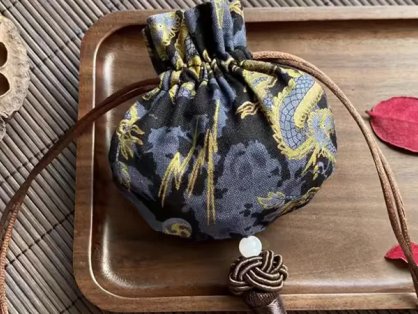
What if your accessories could tell a story a thousand years old? In an age of mass production, a small, fragrant pouch offers a different kind of luxury. This is not just a scent carrier; it is a wearable piece of history, a whisper from ancient China. The Xiangnang (香囊), or scented sachet, holds within its delicate stitches the essence of a cultural legacy. Far more than a simple ornament, it is a complex artifact where botany, craft, and deep-seated human emotion converge. From royal courts to rustic villages, it has served as a personal air of poetry, a protective charm, and a silent messenger of the heart. The Craft Creating a Xiangnang is a meditation in itself. The process begins not with thread or cloth, but with scent. An artisan selects herbs like mugwort, cloves, or borneol, each chosen for its aromatic and symbolic properties. The goal is to design a fragrance profile that is either invigorating, calming, or protective. This initial step is deeply personal, akin to composing a unique olfactory signature for the future wearer. The true test of patience follows: grinding. The dried botanicals are placed into a stone mortar. The rhythmic, circular crushing is not…- 0
- 0
- 118
-
The Story of the Stone: Huizhou's Theatrical Journey Into Fate and Love
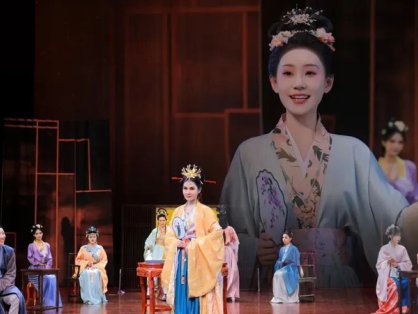
This November, the Huizhou Culture and Art Center (惠州文化艺术中心) transforms into a portal to the late Qing dynasty, presenting a stage adaptation of The Story of the Stone (红楼梦). On November 19, 2025, audiences will witness a condensed, 150-minute spectacle that distills Cao Xueqin's (曹雪芹) monumental novel. This production does not merely recount a story; it invites viewers into a reflective space where personal desires clash with societal confines. Through innovative narrative techniques and visual poetry, the play examines the delicate threads of love and loss within the illustrious Jia Mansion (贾府). It is an experience designed to resonate with modern sensibilities, questioning how much has truly changed in the human heart. Performance Time: November 19th, 2025 at 19:30 Venue: Huizhou Culture and Art Center The Narrative Guided by the otherworldly perspectives of a lame Taoist and a scabby monk, the play frames the saga as a search for cause and effect. This unique viewpoint allows the audience to journey through pivotal moments, such as Lin Daiyu's (林黛玉) initial arrival at the mansion and Granny Liu's (刘姥姥) wide-eyed tour of the gardens. The plot weaves these episodes into a tapestry that highlights both romantic yearning and familial decay. Key events…- 0
- 0
- 47
-
How Hairpin Flowers Bridge China’s Past and Present
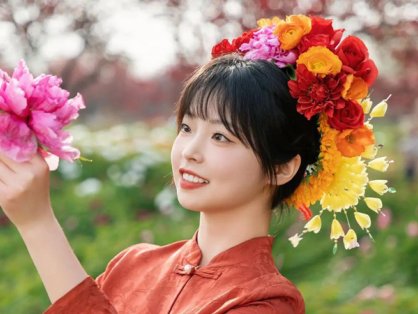
In the bustling streets of modern China, a quiet revolution blooms atop the heads of women who choose to adorn their hair with intricate floral arrangements. This is not merely a fashion statement but a profound connection to an ancient practice known as hairpin flowers, a craft that has woven its way through millennia. Imagine waking up to the sight of vibrant blossoms—crimson camellias, sunny daisies, and delicate hydrangeas—nestled in dark tresses, transforming everyday moments into a celebration of nature and resilience. For many, these flowers are more than decorations; they are emblems of inner strength and a poetic approach to life. In an era where women are increasingly asserting their identities, hairpin flowers serve as a bold declaration of self-love and cultural pride. They remind us that beauty can be both fleeting and eternal, capturing the essence of hope in each handcrafted petal. This tradition, rooted in deep history, continues to inspire those who seek to blend artistry with personal expression, making every day a canvas for creativity and empowerment. The Artisan's Touch Creating hairpin flowers is a meticulous process that demands patience and skill, passed down through generations of artisans. In regions like Quanzhou (泉州), particularly among the…- 0
- 0
- 91
-
Rickshaw Boy Premieres at Quanzhou Theatre Oct 18, 2025
In the heart of Beiping (北平) during the 1920s, a rickshaw puller's dream unfolds on stage, capturing the essence of human resilience. The theatrical adaptation of Rickshaw Boy (骆驼祥子), based on Lao She's (老舍) classic novel, brings to life the gritty streets and soaring hopes of a bygone era. Directed by Fang Xu (方旭), this production revitalizes the tale for modern audiences, blending innovative staging with emotional depth. As the curtains rise at the Quanzhou Grand Theatre (泉州大剧院) on October 18, 2025, viewers are invited to step into a world where every pull of the rickshaw echoes with struggle and aspiration. This isn't just a retelling; it's an immersion into the soul of a city and its people, making literature breathe and pulse in real time. Performance Time: Saturday, October 18th, 2025 at 19:30 Venue: Quanzhou Grand Theatre Stage Interpretation Xiangzi's (祥子) journey from hopeful youth to broken man is distilled into a powerful two-hour performance. Three actors portray him at different life stages, sharing the stage to weave a symphony of fate. The young Xiangzi beams with ambition, the middle-aged one grapples with despair, and the elderly version retreats into defeat. This layered approach allows the audience to witness…- 0
- 0
- 51
-
Exploring the Dynamic World of Tibet's Ancient Rebadance
What secrets lie within the rhythmic beats of Tibet's ancient Rebadance (热巴舞)? This dynamic performance, recognized as a national intangible cultural heritage, is far more than a series of steps. It is a living narrative, a spiritual dialogue, and a vibrant expression of identity for Tibetan communities across the Plateau. With its powerful drumming and acrobatic movements, Rebadance connects the past to the present, telling stories of faith, nature, and human endurance. Its very name, translating to "tassel" or "fringe," hints at the intricate layers of meaning woven into every gesture and costume. This dance does not simply entertain; it invites audiences into a world where every jump and turn carries the weight of centuries. Roots and Rhythm The story of Rebadance begins in the mists of time, with many tracing its origins to the 11th century and the influential Buddhist master, Milarepa (米拉日巴). He and his disciples are credited with shaping the art form, blending physical discipline with spiritual intent. However, deeper echoes resonate from an even older tradition. The central instrument, the drum, was originally a ritual object in the indigenous Bon (苯教) religion, used in ceremonies to summon deities. This highlights a fascinating transformation, where the dance…- 0
- 0
- 54
-
Cao Yu's Thunderstorm Hits Zunyi on Oct 20th
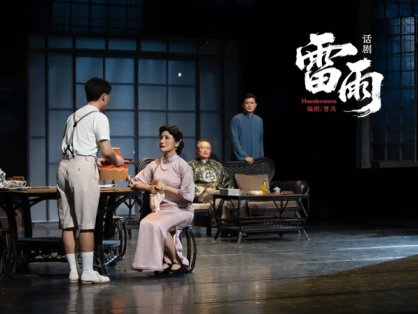
What dark family secrets will a single stormy night reveal in 1925 China? Thunderstorm (雷雨), the monumental work by Cao Yu (曹禺), often called China's Shakespeare, arrives in Zunyi (遵义) through the enduring efforts of the Guizhou Provincial Theater Troupe. This performance is not merely a revival but a fresh interpretation of a story that has captivated audiences for nearly a century. Set against a backdrop of social transition, the play dissects the intricate and often painful relationships within a wealthy, feudalistic family. The narrative builds with a slow, inexorable tension, much like the gathering clouds before a storm, leading to a climactic night where hidden truths and long-buried resentments violently surface. This staging promises to connect modern viewers with the raw emotional power and timeless questions about fate, desire, and societal constraints that Cao Yu so masterfully embedded into his script. Performance Time: October 20h, 2025 at 19:30 Venue: Guizhou Provincial Theater Troupe Family Secrets The central tragedy of Thunderstorm unfolds within the oppressive walls of the Zhou family residence. The patriarch, Zhou Puyuan (周朴园), maintains a facade of respectability, but his past actions haunt the household. His current wife, Fanyi (繁漪), trapped in a loveless marriage, grapples with…- 0
- 0
- 74
-
Can a 17th-Century Official's Integrity Still Captivate Modern Audiences?
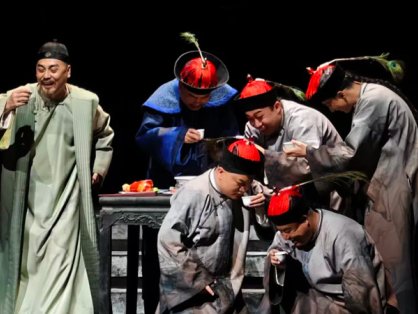
The curtain fell to thunderous applause in Nanning on October 14th, marking a powerful start to the national tour of Yu Chenglong (于成龙). This large-scale theatrical production, centered on themes of integrity, transported over a thousand spectators into a 360-year-old conversation about moral courage. Among them was Wei Tao (韦韬), Chairman of the Guangxi Zhuang Autonomous Region, whose presence underscored the performance's significance beyond mere entertainment. The play about the Qing Dynasty official often hailed as a pinnacle of bureaucratic virtue, did not simply recount history. It breathed life into it, creating a shared emotional experience that resonated deeply within the modern auditorium. For two hours, the audience was held in rapt attention. The narrative's tension was palpable, broken only by collective gasps and bursts of applause at moments where justice prevailed. This immediate and visceral reaction suggested the story's core message was not lost in the centuries separating the subject from his viewers. Instead, it highlighted a timeless hunger for principled leadership and ethical fortitude. The success in Nanning established more than a successful opening night; it proved the enduring relevance of a man who held fast to his convictions against formidable odds. The Performance As the stage lights…- 0
- 0
- 54
-
Secrets from The Bead Collecto: Unveiling Prayer Bead Patina
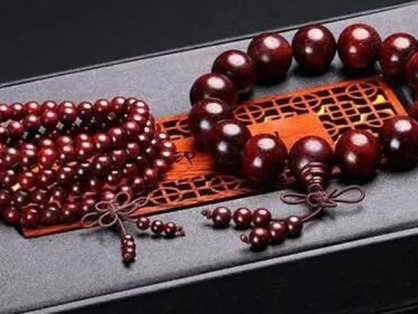
In the touching drama The Bead Collector, a young apprentice in a Beijing temple learns about life through caring for Buddhist prayer beads, or Fozhu (佛珠), discovering how Baojiang (包浆) forms a bridge between past and present. This patina, a glossy, amber-like surface, develops over years of mindful handling, turning simple wood into a reflection of dedication and time. It starts with the natural oils in precious woods like Zitan (紫檀) and Huanghuali (黄花梨), which slowly oxidize and blend with human touch, creating a warm, resilient sheen. Unlike quick polishing methods, this process thrives on patience, echoing the slow, deliberate pace of monastic life and offering insights into how small, consistent actions can lead to profound beauty. As the drama unfolds, the beads become silent narrators of stories, their evolving surfaces capturing moments of joy, struggle, and peace, much like the wrinkles on a wise elder's hands that speak of experiences lived fully. Patina Formation The birth of Baojiang begins when a bead owner starts interacting with their Fozhu regularly, allowing the innate oils in woods such as Zitan to seep out and react with air. This natural oxidation process forms a hard, shiny layer over months or years, without…- 0
- 0
- 77
-
The Art of Chayi: Mastering the Elements of a Perfect Brew
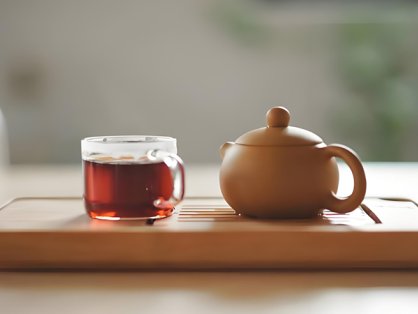
In a quiet room, the simple act of making tea becomes a focused ritual. Chayi (茶艺) is this practice, where handling leaves and water demands care. It starts with selecting the right leaves, understanding that each type holds unique character. The process is not rushed; it is about presence and attention to detail. Four elements shape a good brew. First, the amount of tea relative to water sets the foundation. Too many leaves, and the drink turns sharp; too few, and it feels empty. Second, water heat is critical. Delicate greens need cooler temperatures to avoid bitterness, while robust blacks require near-boiling points to open up fully. Third, timing the steep is essential. Seconds can shift flavors from smooth to rough. Fourth, consider how many times you can reuse the leaves. Quality ones often yield multiple infusions, each revealing new notes. Adjusting these factors based on the tea variety—like oolongs that unfold over short steeps—makes the experience personal and dynamic. Beyond technique, the setting matters. The teapot, the cup, and the space around you influence the moment. It is a blend of method and mood, creating a pause in the day. Through practice, one learns to feel the balance, turning…- 0
- 0
- 60
-
Jianzhi: Exploring the Craft of Chinese Paper-Cutting
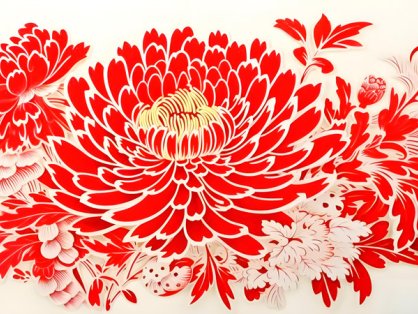
With just scissors or knives, artists transform plain paper into delicate patterns that adorn homes and mark festive occasions. This practice, called Jianzhi (剪纸), has evolved over centuries, blending artistry with daily life. Its recognition by UNESCO in 2009 underscores its role as a shared human treasure, reflecting creativity across generations. https://youtu.be/ERtUDXoHg4c?list=PLf8c1qp5Bsq_phCqics4haPwoGyDR75bH 1. History and Artistry 1.1 Historical Roots Jianzhi's beginnings trace back to early thin sheet carving methods before the Western Han Dynasty. Once paper was invented, it became the primary medium, allowing the art to flourish and adapt through different eras. By the Ming and Qing periods, Jianzhi reached its peak, becoming integral to community celebrations and personal expression. It served not only as decoration but also as a means to convey wishes and stories, embedding itself in cultural practices. 1.2 Creative Techniques Artists employ cutting for fluid, simple designs and carving for intricate details, often combining both approaches. This flexibility allows for everything from bold silhouettes to finely detailed scenes, each piece unique to the maker's skill. Common forms include monochrome works, often made through folding, as well as colorful and three-dimensional pieces. Each style offers different visual effects, from stark contrasts to vibrant, layered compositions that…- 0
- 0
- 388
-
Smart Shopping Tips for Authentic Hetian Jade Bracelets
In the dynamic world of jewelry trends, one accessory has captured the spotlight this year: the square-shaped Hetian Jade (和田玉) bracelet. Unlike its rounded counterparts, this geometric design offers a fresh twist on tradition, appealing to both seasoned collectors and new enthusiasts. These bracelets stand out for their unique form, blending ancient craftsmanship with modern aesthetics. As preferences shift, the square variant has become a symbol of contemporary style while honoring the deep roots of jade culture. Style Evolution Jade bracelets have undergone significant transformations over time. Initially, round beads dominated the market, valued for their smooth, timeless appeal. Then came variations like the old-type, which featured slightly flattened surfaces for a vintage look. Abacus followed, with their distinct ridged edges, adding texture and visual interest. Each style reflected changing tastes and technological advances in carving techniques. The introduction of straight-cut and barrel bead further diversified options. Straight-cut beads offered clean lines and a minimalist feel, while barrel shapes provided a chunkier, more substantial presence. These designs catered to those seeking uniqueness beyond the conventional. The recent surge in square bead popularity marks the latest chapter in this evolution, emphasizing angularity and modern flair. This progression isn't just about aesthetics;…- 0
- 0
- 61
-
Why Are Chinese Anime Films So Obsessed With Monsters?
"Yao are like a mirror—every story about them ultimately reflects humanity itself." By any measure—quantity, quality, or box office—2025 is a breakout year for Chinese animated films. It began with Ne Zha 2 smashing records during the Spring Festival and reaching audiences worldwide. Summer brought an even fiercer lineup: NOBODY, The Legend of Hei 2, Curious Tales of a Temple Chinese, Fairizest: Rally for Pally, and Pleasant Goat and Big Big Wolf: Bright New Dawn. Among them, NOBODY and The Legend of Hei 2 stood out as rare 2D hits, with the former breaking a nine-year box office record. Together, these works suggest Chinese animation has finally moved past old critiques—too many Monkey Kings and Ne Zhas, too much 3D, too many recycled myths. And yet, one curious pattern remains: so many protagonists are…yao. Of the six non-children's animated films this year, five feature them. Why does Chinese animation keep returning to monsters, spirits, and the supernatural? What Are Yao? An old saying goes: "Where there is strangeness, there must be Yao (妖)." In ancient China, people explained unexplainable phenomena through categories. Natural wonders were attributed to gods (神), while things that disrupted the normal order became yao. It was…- 0
- 0
- 210
-
Kung Fu: The Art of Foundational Mastery
Kung fu transcends combat. it’s a deep, foundational discipline that reshapes the body, breath, and mind. Unlike global martial arts, its essence lies in rigorous basics: stance training, conditioning, and resilience drills that build power from the ground up. This somatic engineering forges not just fighters, but masters of movement. More Than Fighting: What Makes Kung Fu Unique While combat systems exist worldwide, only China’s martial tradition is universally known as kung fu. The term itself implies a depth of practice beyond mere technique—it denotes time, effort, and a devotion to fundamentals that shape not just how one fights, but how one moves, breathes, and thinks. What truly distinguishes kung fu is its emphasis on foundational training—often comprising half of a practitioner’s journey. These are not combative drills, but methods that reshape the body’s structure and functionality. This process is demanding, often tedious, and requires years of patience. But it’s here, in these fundamentals, that kung fu gains its depth and power. As a classic saying in Chinese martial circles warns: “Practice techniques without foundations, and in old age, all comes to nothing.”Kung Fu is broadly divided into two streams, external and internal, each defined by its approach to basics.…- 0
- 0
- 72
-
Shadows of History: The Enduring Magic of Chinese Puppetry
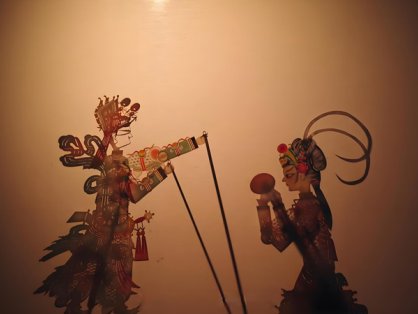
Beneath the soft glow of an oil lamp, a world comes to life on a simple white screen. Intricate silhouettes of emperors and warriors dance across the canvas, their movements perfectly synchronized with the rhythmic beat of drums and the melodic rise of ancient folk songs. This is Chinese shadow puppetry, an extraordinary performance art where legends are not merely told but conjured from the interplay of light and leather. For over two thousand years, this captivating illusion has enthralled audiences, serving as one of the earliest forms of cinematic storytelling long before the invention of motion pictures. A Historical Journey The origins of shadow puppetry are beautifully rooted in a poignant story of love and loss. As historical records from the Book of Han recount, Emperor Wu of the Han Dynasty (206 BCE – 220 CE) fell into deep despair following the death of his favorite concubine, Lady Li. A clever court official named Li Shaoweng (李少翁) found inspiration after observing children playing with dolls whose shadows danced vividly on the ground. He devised an ingenious solution: crafting a detailed figure of Lady Li from leather, with articulated joints for movement. One evening, he projected its shadow behind a…- 0
- 0
- 147
-
Step-by-Step Guide to Making a Wine Gourd and Tea Caddy
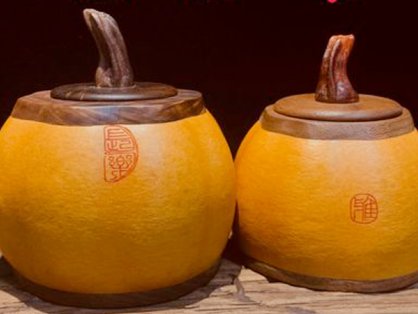
Have you ever sipped wine from a vessel you made with your own hands? This ancient practice, transforming a humble gourd into a functional work of art, is experiencing a quiet resurgence. Beyond their rustic charm, dried gourds possess a unique set of qualities that make them ideal for storing precious commodities like tea and wine. Their natural, faintly sweet aroma doesn't transfer to the contents, and with the right sealing techniques, they become perfectly airtight containers. The process of creating these objects is a meditative craft, blending patience with practicality. It offers a tangible connection to tradition and the deep satisfaction of creating something both beautiful and useful from nature's bounty. Method of Making a Wine Gourd Selecting the right Hulu (葫芦) is the crucial first step. Look for one that is fully mature, with a hard, blemish-free shell and a shape that feels good in your hand. For a wine container, a classic rounded form with a narrow neck is perfect. A tea caddy often benefits from the broader, flatter profile of a "winter melon" gourd variety. The initial preparation is straightforward but requires a careful touch. Using a small saw, carefully cut around the top of the…- 0
- 0
- 92
-
The 3 Foundational Pillars of a True Artist’s Identity
What separates a true artist from a mere technician? Beyond technical skill, lasting artistic impact requires a deeply personal trinity of attributes: an internal compass, a unique voice, and a singular way of seeing. These are not tools one can buy, but foundational elements built over a lifetime of practice, reflection, and courageous self-honesty. They form the core of an artistic identity, allowing creators to navigate the complex worlds of inspiration, criticism, and commerce without losing their way. This is the essential toolkit for any artist aiming to contribute a meaningful, authentic vision to the world. 1. The Inner Compass Every artist must forge their own inner compass. This is not an external set of rules about technique or style, but a personal system of values, aesthetic judgment, and creative principles. It answers the most critical internal questions: What makes a work good? What subjects are worth exploring? When is a piece truly finished? This compass measures sincerity, uniqueness, and spiritual depth far more than pure technical execution. In an art world filled with fleeting trends, market pressures, and loud opinions, this internal guide is what keeps an artist grounded. It prevents them from simply following the latest fashion or…- 0
- 0
- 65
-
Why Do Tibetans Wear So Much Turquoise and Amber?
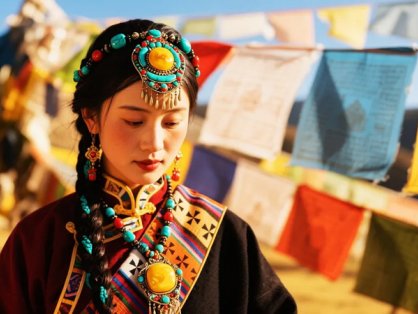
Walking through the highlands of Tibet, you might notice something striking: the local people often wear heavy, beautiful jewelry made of turquoise and amber. These aren't just simple decorations. For them, these pieces hold deep meaning, representing history, identity, and security. This tradition is not about fashion in the way many outsiders might think. It is a rich part of their cultural and practical life, developed over centuries. Unfortunately, this very tradition has also become a target for scams, leaving many well-meaning tourists with worthless imitations. Understanding the real story behind these adornments is the first step toward true appreciation. Portable Wealth For nomadic Tibetan peoples, life is defined by movement. Following their herds across the vast plateau, they could not carry fixed assets or large amounts of cash. Instead, they invested their wealth in precious, durable objects like turquoise and amber. Wearing this jewelry was the safest way to transport their life savings. A single necklace or bracelet could represent a significant portion of a family's wealth, making it both a beautiful ornament and a practical financial strategy. This jewelry also functions as a family archive, passed down through generations. Each piece carries the memories and history of those…- 0
- 0
- 139
-
Creating Bold and Harmonious Looks with Amber's Warm Glow
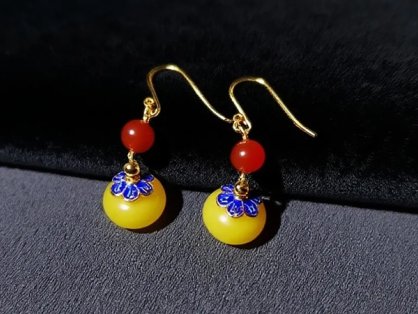
Have you ever wondered how a single piece of amber jewelry can transform your entire look? Amber, a gemstone as ancient as time itself, carries a warm, organic energy that resonates deeply. Unlike heavier gemstones, it is remarkably lightweight and versatile, making it a favorite among jewelry enthusiasts. Its most common hues are varying shades of yellow and white, though the pristine white amber is a rare and costly find. This article will guide you through innovative ways to style this beautiful resin, moving beyond conventional pairings to create stunning, personalized statements that are uniquely you. Bold Color Clash For those who love to make a statement, the color clash technique is a powerful tool. This approach relies on pairing amber with gemstones in contrasting colors to create a dynamic and eye-catching visual impact. The goal is to achieve a balance where the warmth of the amber is both complemented and challenged by cooler or more vivid tones. Selecting the right companion beads is crucial for this style to work effectively and harmoniously. Excellent choices for this bold style include deep reds like Nanhong agate (南红玛瑙) or Zhanguohong (战国红), rich blues from Lapis Lazuli, and vibrant greens from turquoise or…- 0
- 0
- 49
-
The Art of Garnet and Cloisonne Jewelry
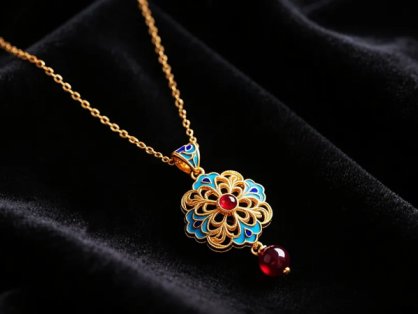
In the world of accessories, few stones carry the versatile charm of garnet. Its deep, wine-red hue acts not just as a color but as a bridge—connecting eras, styles, and materials with effortless grace. When paired with the vivid, artisan-crafted beauty of Cloisonne, garnet doesn’t just accessorize; it tells a story. This is not merely about wearing jewelry; it’s about curating a look that resonates with elegance, cultural richness, and personal expression. Whether you're dressing for a casual day out or a formal event, the combination of garnet and Cloisonne offers a unique blend of warmth and sophistication, making every outfit not just worn, but experienced. Bracelet Designs Imagine a bracelet where deep red garnet beads play the leading role, accented by small, intricate Cloisonne pieces. The contrast is striking—the organic richness of the stone against the crafted brilliance of enameled metal. This combination works beautifully with traditional attire like Qipao or modern linen ensembles. For an added touch of elegance, consider attaching a delicate tassel or pendant. It’s a piece that draws the eye and sparks conversation, blending classic aesthetics with wearable art. What makes this pairing so special is its flexibility. Garnet’s color is warm and neutral enough…- 0
- 0
- 46
-
A Step-by-Step Guide to Crafting and Caring for Micro-landscapes
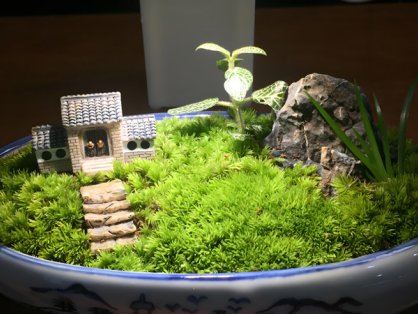
A micro-landscape, also known as a terrarium or plant-scape, refers to a creative and self-sustaining micro-ecosystem that integrates plants with similar ecological habits—such as ferns, mosses, and small foliage plants—along with decorative elements including stones, gravel, and ornamental accessories. These components are artfully arranged within a small container according to principles of landscape design and aesthetic composition. Drawing on years of practical experience in design and construction, this article systematically introduces key techniques for creating and maintaining miniature landscapes. It covers essential design principles, selection criteria for suitable plants, accessories and containers, as well as methods for assembly and long-term care. 1. Essential Guidelines for Miniature Landscape Design Creating a micro-landscape involves blending nature into tiny spaces, focusing on safety, economy, and aesthetics. Start with non-toxic plants to avoid allergens, choosing common species initially to save costs before advancing to rarer ones. This approach ensures a manageable and rewarding hobby, where balance in all elements enhances the overall appeal without overwhelming the creator. 1.1 Harmony in Variety Plant selection should avoid chaos by finding similarities in color, shape, or texture. Emphasize unity to highlight a focal species, ensuring the design remains cohesive and reflects the intended theme without clutter. Contrast…- 0
- 0
- 51
-

Artistic Characteristics of the 4 Major Ivory Carving Crafts in China
Chinese ivory carving, with its profound historical evolution, is renowned for its exquisite craftsmanship, diverse categories, distinctive ethnic charm, and strong regional characteristics. The introduction of the "Double Hundred" in the 1950s further stimulated the flourishing development of China's arts and crafts, significantly refining and consolidating the unique regional styles of ivory carving. From the 1950s to the 1980s, ivory products became one of the major exports in China's craft sector, with specialized art factories across the country nurturing talents and advancing creative techniques. This era not only contributed substantially to socio-economic and cultural development but also gave rise to recognized regional schools, most notably the "Four Major Ivory Carvings" from Beijing, Guangzhou, Shanghai, and Nanjing, sometimes expanded to include Fuzhou. Many other regions also developed their own traditions, leaving behind a rich cultural legacy and artistic heritage for future generations. 1. Beijing Ivory Carving: Millennia in the Making For over two thousand years, Beijing has been a pivotal center for ivory carving, an art form deeply intertwined with Chinese cultural identity. Evidence from a Warring States period tomb at Huangtupo (黄土坡), Beijing, yielded an ancient ivory comb, marking its early roots. Flourishing particularly during the Ming and Qing dynasties,…- 0
- 0
- 238
-
Top 10 Traditional Cultural Treasures of China
The traditional culture of China, with its profound historical roots, represents a rich tapestry of philosophical, artistic, and social traditions that have evolved over five millennia. Originating primarily along the basins of the Yellow River and the Yangtze River, this ancient civilization flourished through continuous migration, integration, and development of various ethnic groups. These dynamic processes helped form a unique and enduring cultural heritage, often described as an ancient castle of wisdom and refinement, admired and preserved through successive generations. Among its most distinguished elements are the quintessential aspects of Chinese culture, known as Guocui (国粹) or national essences. These are the elite achievements intrinsic to China’s native civilization, embodying the highest aesthetic and intellectual values of the nation. Examples include Peking Opera, traditional Chinese medicine, calligraphy, and martial arts—each originating entirely within China and reflecting the depth and spirit of its indigenous culture. These cultural treasures not only symbolize China’s historical identity but also continue to inspire global appreciation today. Magnetic Kiln China's relationship with clay transformed functional pottery into transcendent art. Early kilns near Magnetic Kiln centers produced robust vessels later termed porcelain. Artisans perfected techniques through tireless experimentation—wedging clay to eliminate air pockets, throwing precise forms on…- 0
- 0
- 179
-
The 6 Classical Vessels of Chinese Floral Art
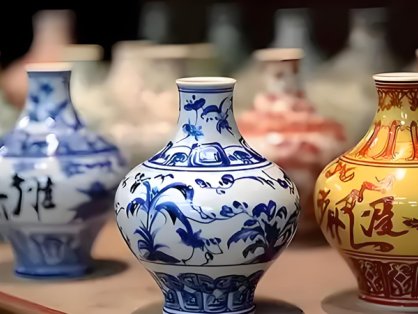
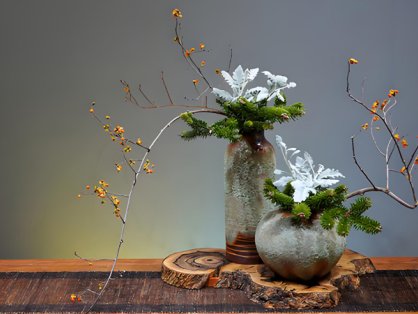
Chinese flower arrangement, known as Chahua (插花), is far more than mere decoration; it is a profound cultural art form and one of the esteemed "elegant pursuits" deeply intertwined with traditional Chinese humanistic philosophy. This ancient practice transcends aesthetics, serving as a medium for spiritual expression and philosophical contemplation. At the heart of this art lie the six canonical vessels, which are vase, Pan, vat, bowl, Tong, and basket; each possessing distinct symbolic meaning and formal characteristics. More than simple containers, these vessels are foundational elements that interact with carefully selected flora to create intricate miniature landscapes. Each combination conveys a unique spirit and atmosphere, reflecting nuanced artistic intentions—from the scholarly pursuit of quiet refinement to the imperial celebration of grandeur. Thus, the evolution of these vessels and their stylistic applications offers a fascinating lens through which to observe the flow and transformation of Chinese social and cultural values across dynasties. 1. Tong Hua (筒花) 1.1 Form Follows Beauty Tong Hua, a distinct Chinese floral art, blossomed during the Five Dynasties and flourished in the Song and Jin periods. Its core lies in cylindrical vessels, simple yet elegant arrangements, and a deep appreciation for natural lines. This art form transcended mere decoration,…- 0
- 0
- 162





Scan to open current page
-
$CouponsLimitation of use:Expired and UnavailableLimitation of use:
before
Limitation of use:Permanently validCoupon ID:×Available for the following products: Available for the following products categories: Unrestricted use:Available for all products and product types