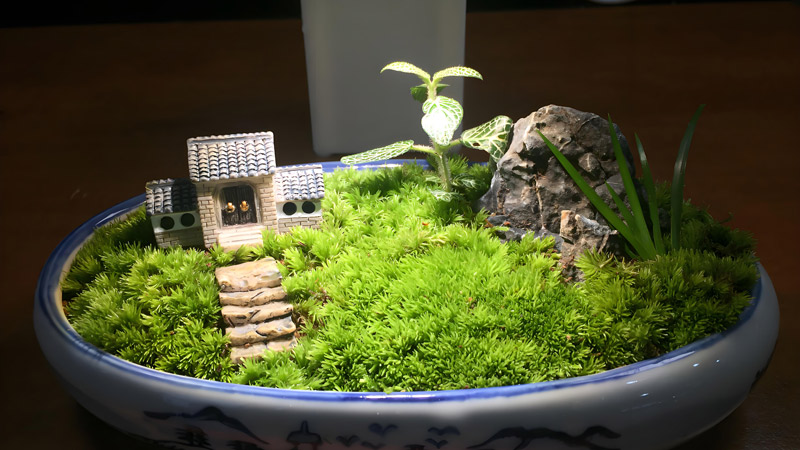
A micro-landscape, also known as a terrarium or plant-scape, refers to a creative and self-sustaining micro-ecosystem that integrates plants with similar ecological habits—such as ferns, mosses, and small foliage plants—along with decorative elements including stones, gravel, and ornamental accessories. These components are artfully arranged within a small container according to principles of landscape design and aesthetic composition.
Drawing on years of practical experience in design and construction, this article systematically introduces key techniques for creating and maintaining miniature landscapes. It covers essential design principles, selection criteria for suitable plants, accessories and containers, as well as methods for assembly and long-term care.

1. Essential Guidelines for Miniature Landscape Design
Creating a micro-landscape involves blending nature into tiny spaces, focusing on safety, economy, and aesthetics. Start with non-toxic plants to avoid allergens, choosing common species initially to save costs before advancing to rarer ones. This approach ensures a manageable and rewarding hobby, where balance in all elements enhances the overall appeal without overwhelming the creator.
1.1 Harmony in Variety
Plant selection should avoid chaos by finding similarities in color, shape, or texture. Emphasize unity to highlight a focal species, ensuring the design remains cohesive and reflects the intended theme without clutter.
Contrast light and dark foliage to create depth, using lighter plants in the foreground and deeper hues as a backdrop. This technique adds visual interest while maintaining a structured feel throughout the arrangement.
1.2 Perfect Proportions
As a miniature art, scale dictates harmony between plants and containers. Aim for ratios like the golden mean to achieve a natural flow, where each element complements others without dominating the space.
Adjust heights gradually to simulate growth patterns, creating an illusion of depth. This careful sizing prevents the scene from feeling cramped, making it more engaging for viewers.
1.3 Stable Equilibrium
Thin-leaved plants evoke lightness, while thicker, darker ones add weight. Pair them thoughtfully to achieve stability, avoiding visual imbalance that could distract from the design's core message.
Use contrasting textures to anchor the composition, ensuring foreground and background elements work together. This equilibrium makes the piece appear settled and harmonious.
1.4 Dynamic Rhythm
Introduce variations in height and form to generate movement, enhancing the piece's appeal. Gradual shifts in layers create a sense of progression, drawing the eye through the landscape.
Incorporate flowing lines to mimic natural rhythms, adding energy without chaos. This dynamism deepens the viewer's experience, making the micro-landscape feel alive and captivating.

2. The Art of Micro-landscape: Building Miniature Ecosystems
Creating a captivating terrarium involves far more than simply placing plants in a jar. It's the art of composing a complete, self-sustaining miniature landscape within a confined space. This intricate practice requires careful consideration of three fundamental elements: selecting suitable plants, choosing complementary hardscape materials, and picking the right container. Each element plays a crucial role in establishing visual harmony, ecological balance, and a convincing sense of scale. The goal is to evoke a specific natural scene – a lush forest floor, a rocky mountain slope, or a serene desert vista – rendered in perfect miniature.
2.1 Plant Selection
Choosing the right flora is paramount. Successful terrariums rely on species adapted to low-light, high-humidity environments. Common choices include various mosses like selaginella and cushion moss, compact succulents such as haworthia, and small ferns like rabbit's foot fern. Plants needing partial shade, like certain small-leaved shrubs (eg. serissa or ficus), are also viable if light levels allow. Diversity is key, but all selections must share similar environmental needs.
Arrangement follows artistic and practical principles. Plants are grouped based on height, spread, and form to establish distinct foreground, middle ground, and background layers. Contrasting leaf textures, colors, and shapes adds visual richness. A miniature tree with fine foliage might stand behind a cluster of broad-leaved ground cover, creating depth and interest. Careful placement ensures each specimen has space to grow without overcrowding.
The positioning strategy often employs a triangular or "pinwheel" pattern. This avoids rigid lines, fostering a natural, organic feel. Taller elements anchor the back or corners, mid-sized plants fill the center, and low-growing mosses or succulents carpet the front. Observing how leaves naturally orient and overlap helps mimic authentic plant behavior within the tiny ecosystem.
2.2 Materials for Texture
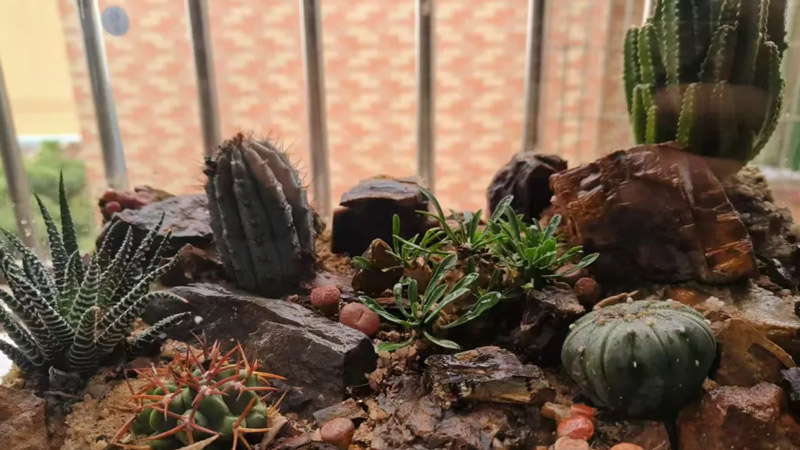
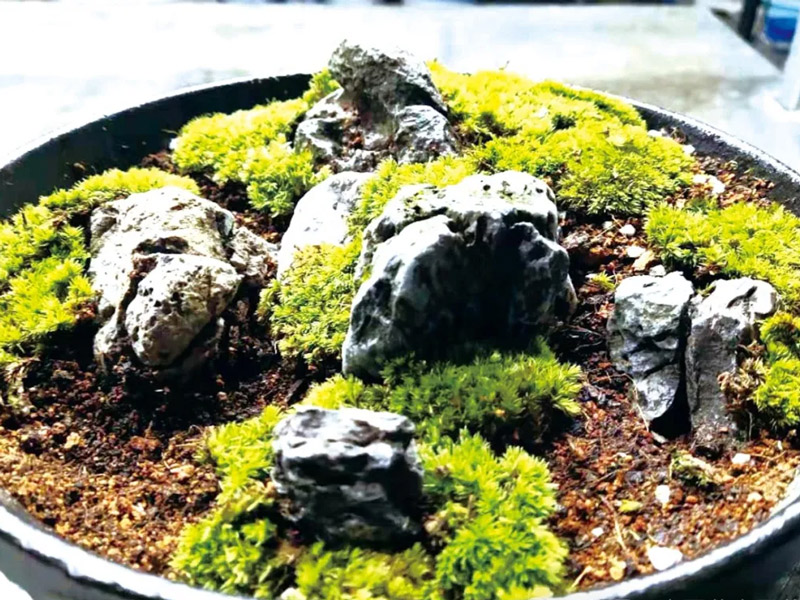
Hardscape materials provide structure, texture, and visual anchors. Rocks like dragon stone, lava rock, or slate serve multiple roles. Larger pieces become dramatic focal points, simulating cliffs, mountain peaks, or solitary boulders. Smaller stones can outline pathways, form riverbanks, or simply add geological interest to the substrate. Their placement should feel intentional and integrated with the plant life.
Rocks work best when nestled close to plants. The soft, flowing lines of foliage soften the hard edges of stone, creating a harmonious blend. A fern frond cascading over a rugged rock face instantly evokes a damp forest nook. Stones can also direct the viewer's eye through the landscape or frame specific plant features, enhancing the overall composition's storytelling.
Decorative sands and gravels offer another layer of texture and color. Fine black or white sand can cover exposed soil, creating a clean, minimalist look. Colored sands (blue, green, red) can simulate streams, ponds, or desert washes. Lightweight stones like pumice aid drainage beneath the soil layer. These materials tie the design together, adding naturalistic detail and enhancing the miniature world's believability.
2.3 Containers as Foundations
The container defines the terrarium's physical boundaries and heavily influences its style. Classic choices include sealed glass jars and open glass bowls. Large, lidded vessels like apothecary jars create humid, self-sustaining environments ideal for moisture-loving mosses and ferns. These enclosed worlds require minimal maintenance once established.
Small open containers, such as fishbowls or geometric glass terrariums, offer easier access for arrangement and care. They suit plants needing slightly drier conditions or better airflow, like many small succulents or air plants. Larger aquariums or custom-built tanks provide expansive canvases for complex landscapes, allowing for greater height variations and intricate hardscaping possibilities.
The container's size and shape directly impact the design scope. A tall, narrow bottle encourages vertical arrangements with cascading elements. A wide, shallow bowl is perfect for creating expansive desert scenes or mossy meadows. Choosing the right vessel is the first step in determining the miniature world's scale, environment, and overall aesthetic potential.

3. Crafting Miniature Worlds at Home
Building small, enclosed gardens brings nature indoors in a creative and calming way. Using plants, soil, moss, and decorative stones, anyone can design personalized micro-landscapes that fit on a tabletop. This hobby starts with selecting simple containers and materials like light rocks for drainage. It encourages experimentation with plant arrangements to mimic natural scenes. Over time, these tiny ecosystems grow and evolve, offering a daily escape into a peaceful, green world. In this article, we dive into three common styles: mossy setups, rainforest tanks, and balanced eco-displays.
3.1 Mossy Mini Gardens
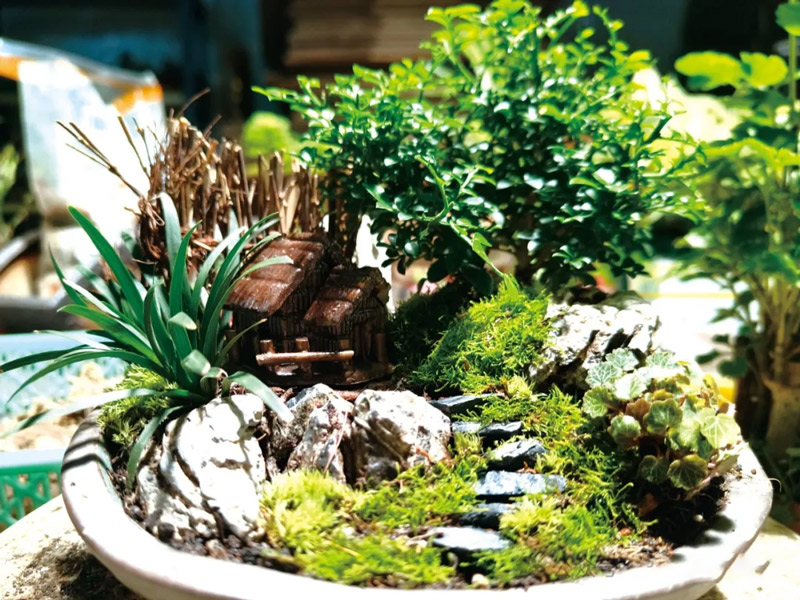
Begin with a glass or ceramic container. Place a layer of light stones at the base to drain excess water and protect roots. Add sphagnum moss on top as a barrier, then fill with soil mixed from peat, perlite, and coconut coir. This foundation prevents rot and supports healthy growth.
Arrange moss varieties like big gray or small gray types across the soil. Position them to create depth, with taller clumps at the back. Use Qinglong stones (青龙石) or driftwood for accents, placing larger pieces forward and smaller ones behind. This layout mimics open fields, emphasizing perspective without clutter.
Focus on simplicity for a natural feel. Avoid overdecorating; a few rocks and varied terrain evoke wide, grassy spaces. The goal is harmony, letting the moss's texture and stones' shapes speak for themselves. Regular misting keeps it vibrant, requiring minimal upkeep for lasting beauty.
3.2 Rainforest Terrariums
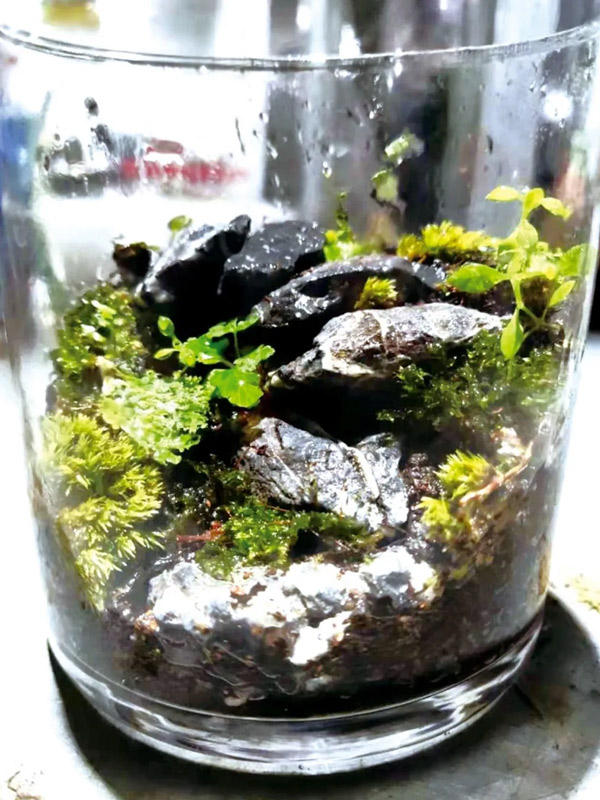
Create a humid, jungle-like environment in a sealed tank. Start with layers: a bottom reservoir holds extra water, a medium bed uses soil blends like akadama or coarse sand, and a ground level hosts low plants. This structure mimics tropical conditions, where moisture and warmth thrive.
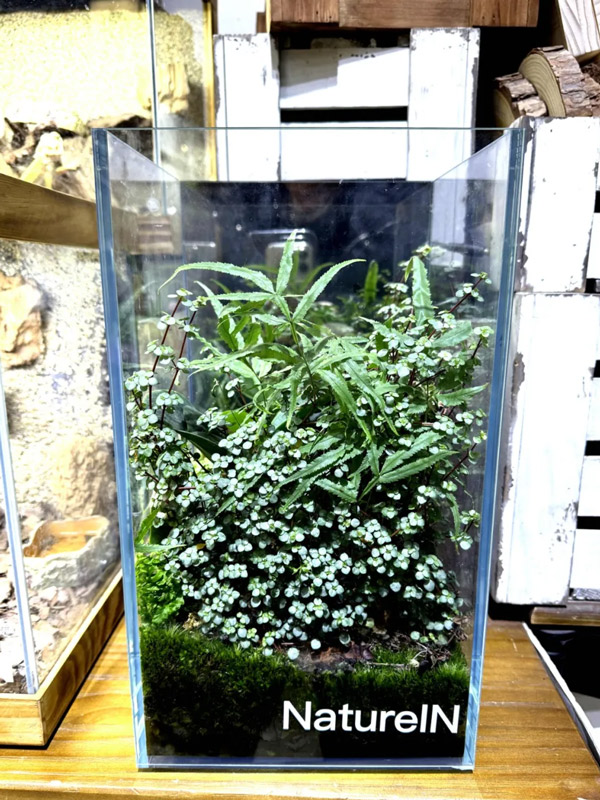
Choose plants that love humidity, such as dwarf hairgrass or begonias for the floor. For height, attach epiphytic plants like bromeliads or orchids to branches or rocks on the backdrop. Avoid succulents; opt for fast-growing species but trim often to control spread. Adding features like dead wood enhances the wild, overgrown look.
Maintain balance by grouping plants in foreground, middle, and background zones. Short species go up front, taller ones behind. Equipment like misters or lights at the top regulates humidity and temperature. This setup demands more care but rewards with a dynamic, living display.
3.3 Zen Eco Displays
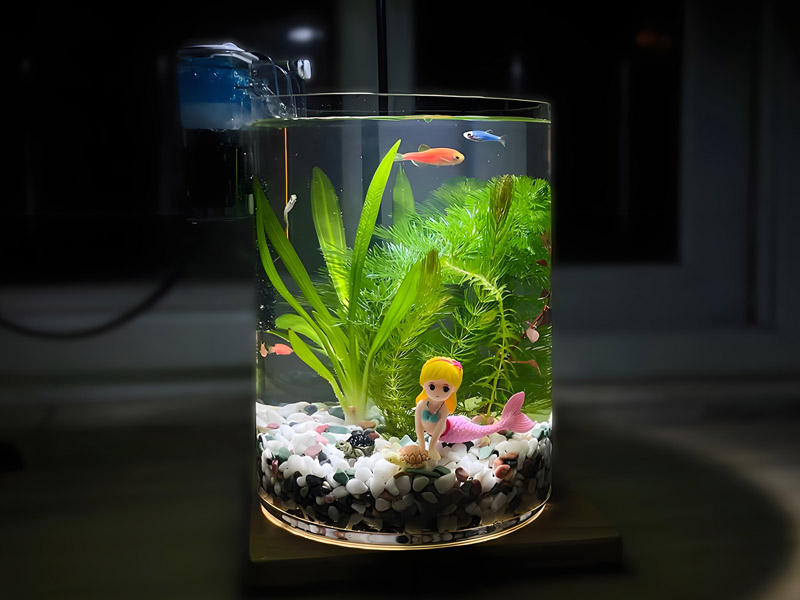
Blend land and water elements for a meditative scene. Use rocks, soil, and small ponds to evoke mountains and streams in miniature. The design should flow naturally, with plants and decorations placed to suggest untouched wilderness. This approach fosters tranquility, turning a glass tank into a reflective space.
Build the layout around key pieces like large Qinglong stones or driftwood as anchors. Add smaller rocks or sand as fillers to frame the main features. Plant selection focuses on proportion; pair tiny greens with big stones to exaggerate scale, or use bushy species to counter sparse areas.
Achieve harmony through thoughtful arrangement. Ensure elements like water and stone interact smoothly, creating a sense of movement and stillness. The result is a cohesive artwork that invites calm observation, requiring only occasional watering to sustain its serene charm.

4. Care Essentials
Bringing miniature landscapes indoors adds vibrant life to any space, yet keeping these delicate ecosystems healthy requires specific knowledge. Many enthusiasts face wilting moss or yellowing plants soon after purchase. Understanding the unique needs of your terrarium transforms it from a fleeting decoration into a lasting piece of living art. Success hinges on mastering light, moisture, and air.
4.1 Finding the Perfect Light
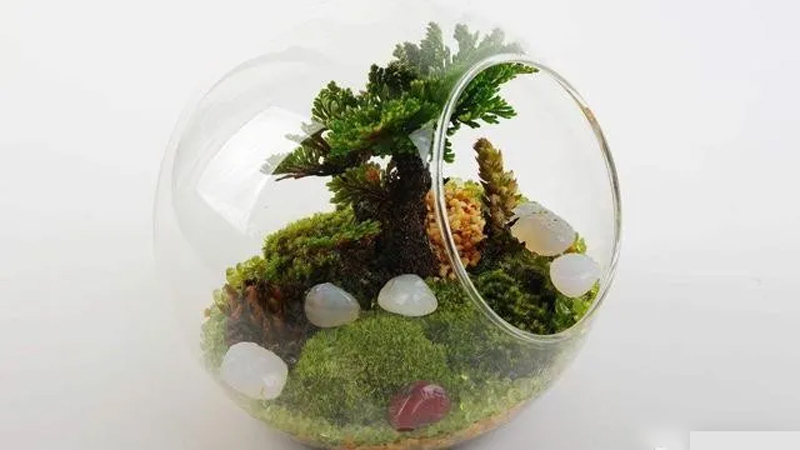
Terrarium plants thrive in gentle illumination. Direct sunlight scorches delicate moss and foliage. Optimal solutions include placing them under artificial lights for six to eight hours daily. Rooms with bright, indirect natural light work well too.
A brief period of soft morning or evening sun—just one to two hours—provides energy without damage. Observe plant responses; pale leaves often signal excessive light. Adjust positioning seasonally as sunlight intensity changes.
Consistency matters. Avoid frequent relocation. Find a stable spot matching these conditions, and your miniature forest will maintain lush color.
4.2 Mastering Moisture Balance
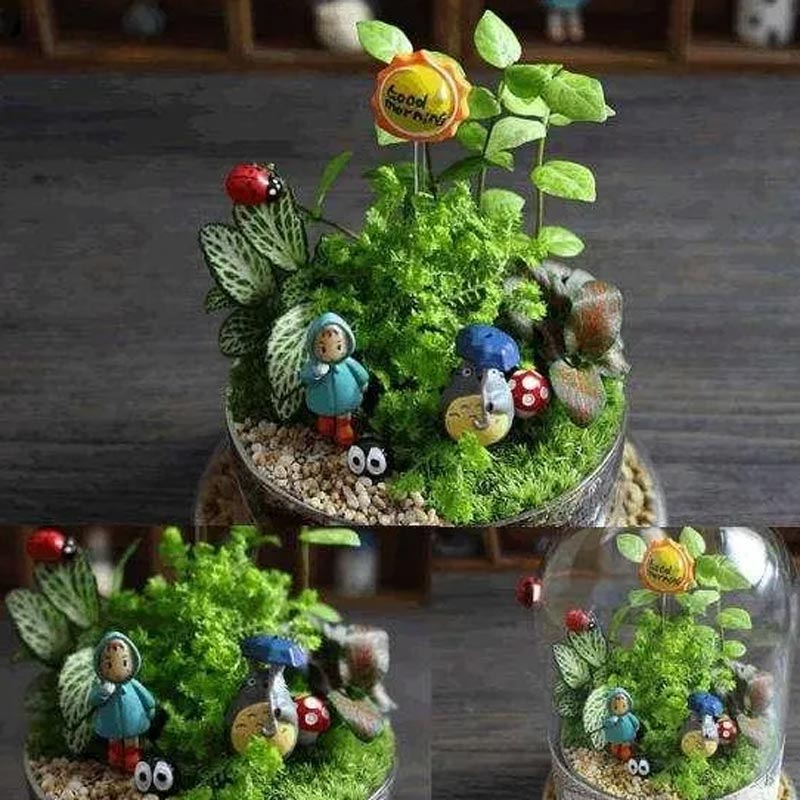
Watering terrariums demands precision. Overwatering drowns roots, while underwatering causes drought stress. Use purified water to prevent mineral damage. Target the soil base during evening hours for best absorption.
Weekly water needs vary by container size—typically 60 to 400 milliliters. Soil should feel slightly damp, never soggy. Leaves should stand firm, not limp. If traveling, seal the opening with plastic wrap temporarily to retain humidity.
Moss acts as a natural moisture gauge. White patches scream thirst; yellow indicates flooding. Respond promptly by misting or reducing water.
4.3 Vital Air Exchange
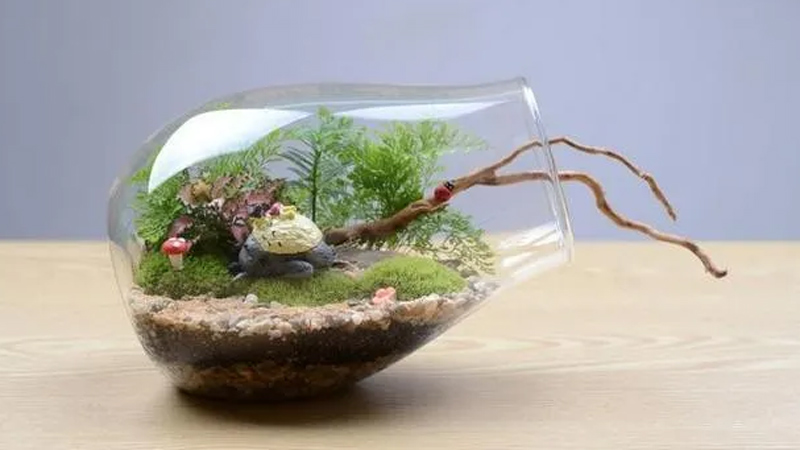
Stagnant air invites mold. Open lidded containers daily for one to two hours. This mimics natural breezes, refreshing the tiny atmosphere. Avoid placing open terrariums near fans or vents.
Rapid airflow dries moss instantly. Closed systems need regular "breathing" sessions to reset humidity levels. Think of it as giving your ecosystem a daily gulp of fresh air.
Watch for condensation. Heavy fogging inside glass signals excess moisture—extend ventilation time.
4.4 Moss's Unique Needs
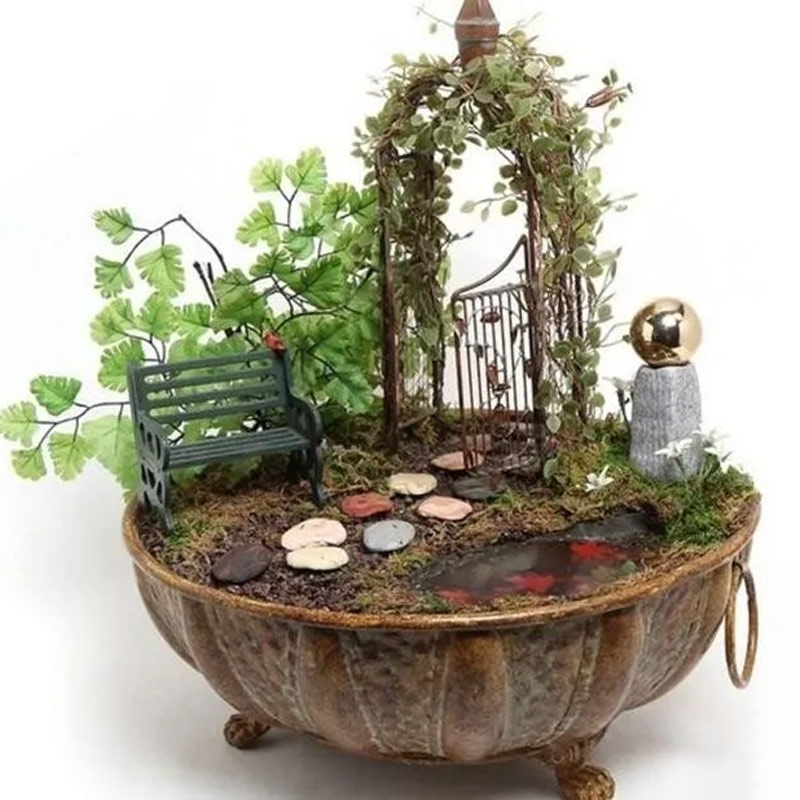
This ancient plant absorbs water through its leaves, lacking true roots. Its condition reflects care instantly. Crisp, green surfaces mean ideal hydration.
Pale, brittle moss needs immediate misting. Soggy, yellowed sections warn of root rot. Remove damaged patches carefully to prevent spread. Never "water" moss like other plants—think gentle dew, not downpour.
Healthy moss feels springy and cool. Touch it lightly to gauge moisture. Adjust routines based on its tactile feedback.
4.5 Plant Health Management
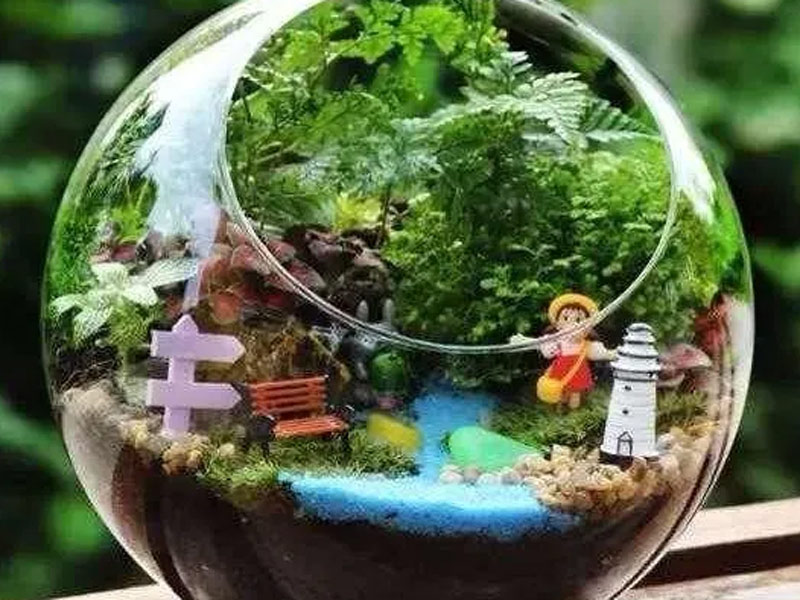
Trim fast-growing stems to maintain your design. Use sharp scissors for clean cuts. Remove dead leaves immediately—they decay quickly in humidity, poisoning water and soil.
Tweezers help extract debris without disturbing roots. Moss rarely needs cutting; focus on vascular plants. Prune conservatively—overcutting stresses miniature ecosystems.
Check weekly for overcrowding. Thin dense areas to ensure light and air reach all plants. Healthy growth patterns prevent disease.
4.6 Controlling Unwanted Growth
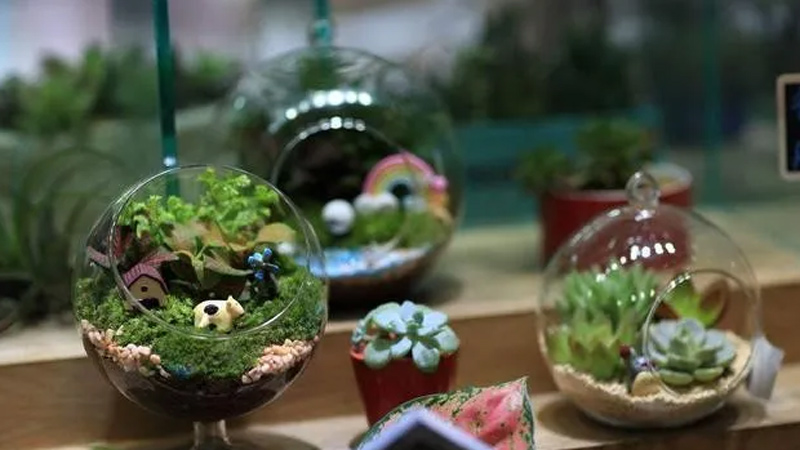
Persistent dampness sometimes breeds white mold. Don’t panic—sunlight kills spores naturally. Place affected terrariums in diffused light for three to five hours.
Remove visible mold with a cotton swab dipped in diluted vinegar. Increase airflow temporarily while treating. Avoid chemicals; they disrupt delicate soil balance.
Prevent recurrence by ensuring proper drainage and avoiding organic decor like untreated wood. Cleanliness during maintenance is crucial.

Concluding Thoughts
The art of creating and nurturing a micro-landscape transcends mere decoration, Which is an intimate collaboration with nature on a miniature scale. As we have explored, the successful design and maintenance of these tiny ecosystems depend on a thoughtful balance of aesthetic principles and ecological awareness. From selecting harmonious plant varieties and complementary hardscape materials to providing consistent care in terms of light, moisture, and airflow, each step requires both creativity and precision.
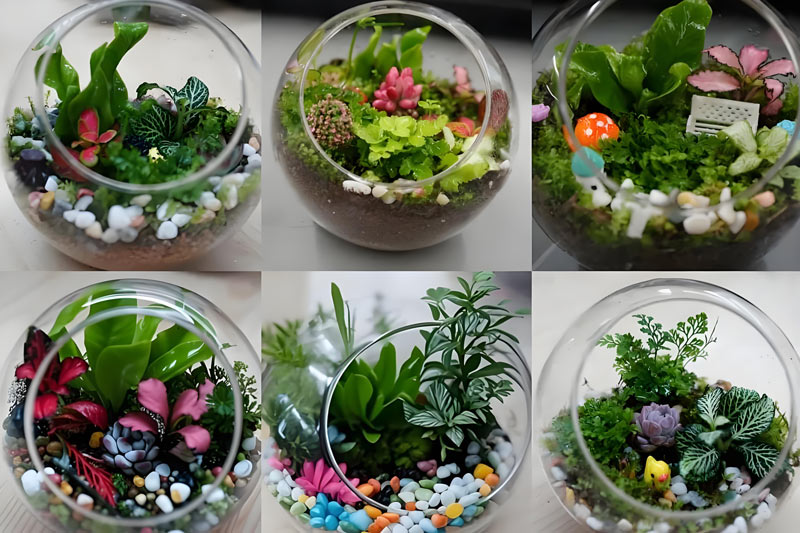
A well-crafted terrarium is more than a self-sustaining garden; it is a living expression of natural beauty, a source of daily tranquility, and a testament to the delicate balance that sustains all life. Whether it evokes a misty forest, a arid desert, or a serene Zen garden, a micro-landscape invites us to pause, observe, and reconnect with the rhythms of the natural world, and all within the confines of a humble container. By embracing this practice, we not only cultivate a small piece of the wild indoors but also nurture a deeper appreciation for the subtle, yet profound, art of miniature ecosystem design.