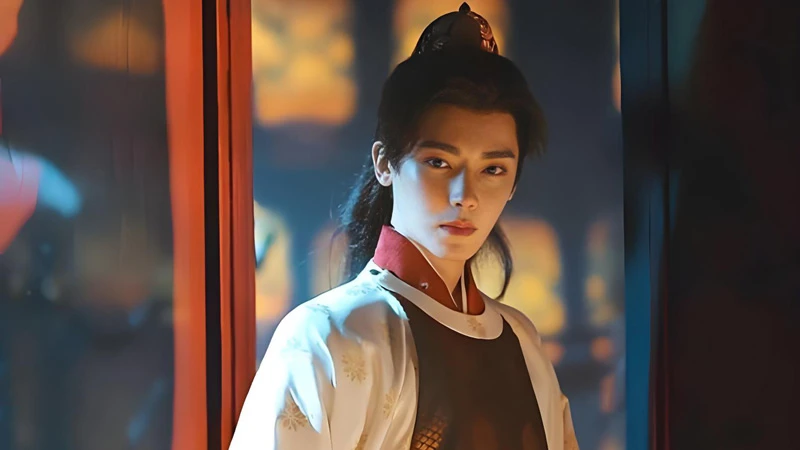
In the refined world of aristocratic mansions, where the steam from a teacup can veil murder and a whispered secret can topple a dynasty, who is the man serving the tea? The period drama Glory (玉茗茶骨) presents a mystery wrapped in ceremony, where the elegant art of tea brewing becomes a facade for a chilling decade-long quest for vengeance.
At the center is the gentle-mannered Yan Bailou (晏白楼), whose arrival at the prosperous Rong Manor seems to herald nothing more than philosophical discussions and perfect brews. Yet, his true purpose is as dark as the leaves at the bottom of a cup: to find and destroy the woman responsible for his family’s ruin and to win the heart of the eldest Rong daughter, Rong Shanbao (荣善宝). The two goals are tragically intertwined, setting a course where love and retribution cannot coexist.
A Ticking Clock Beneath the Robes
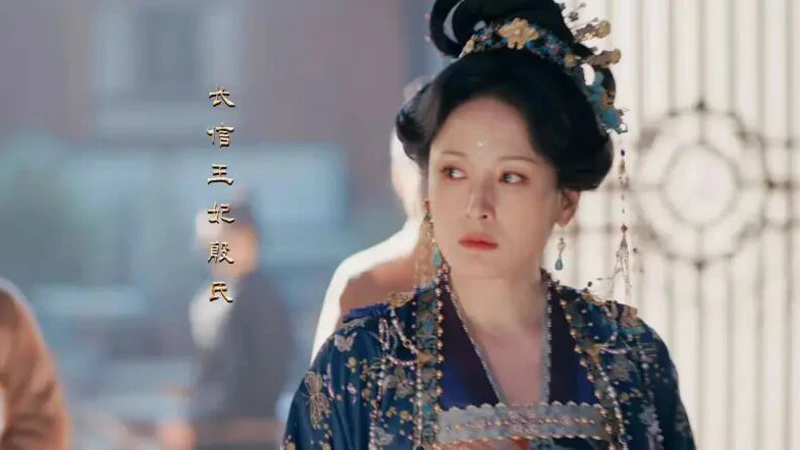
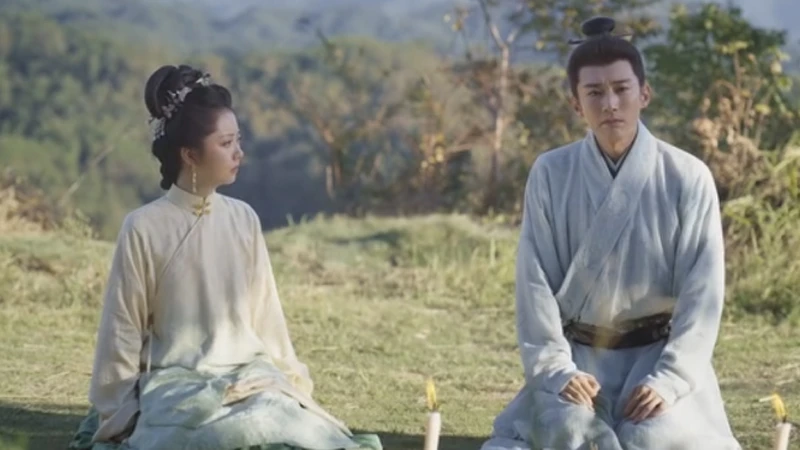
The plot accelerates with the shocking death of Lady Yang. Deciding to forsake her worldly life, she seeks refuge in a nunnery, only to meet a brutal end. The audience, privy to a truth the characters are not, watches as the kindly Yan Bailou sheds his gentle disguise. The black cloak he wore to confront her is “conveniently” ruined afterward. This man is an imposter. The real Yan Bailou was long ago tortured and broken, left to suffer. This usurper is Wei Tao, the sole surviving son of the Wei family, which was falsely accused and massacred a decade prior. His infiltration of the Rong household is a calculated mission. Every steep of tea, every polite conversation, is a step closer to avenging his father, Wei Kejian (卫克简), who rots in a dungeon, and his entire erased lineage.
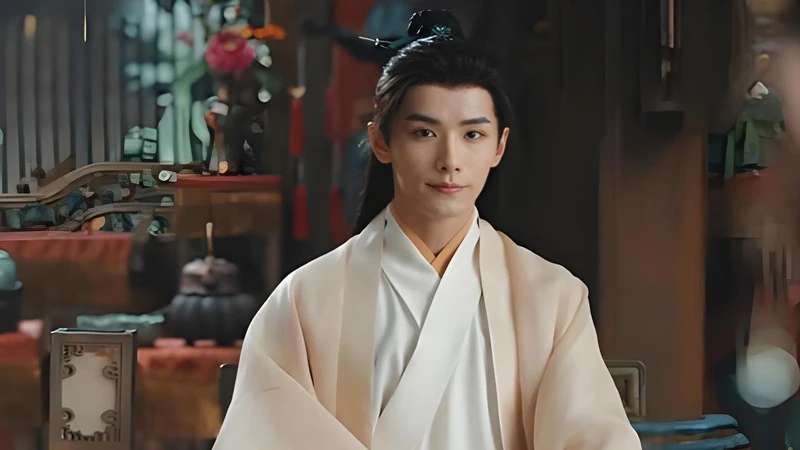
His performance is masterful but not flawless. Sharp-eyed viewers and characters notice cracks. The formidable Rong Matriarch remarks on a faint, unsettling resemblance to a long-lost relative, a comment her steward dismisses. In another moment, when a companion references old family anecdotes, the imposter’s blank stare reveals his ignorance. The most telling slip happens in a courtroom. While the crowd hangs on the accused’s confession, his focus is solely on the broken man, Wei Kejian. When a forced confession is uttered, his furious, visceral reaction—a storm of grief and rage—betrays a connection far deeper than that of a casual observer.
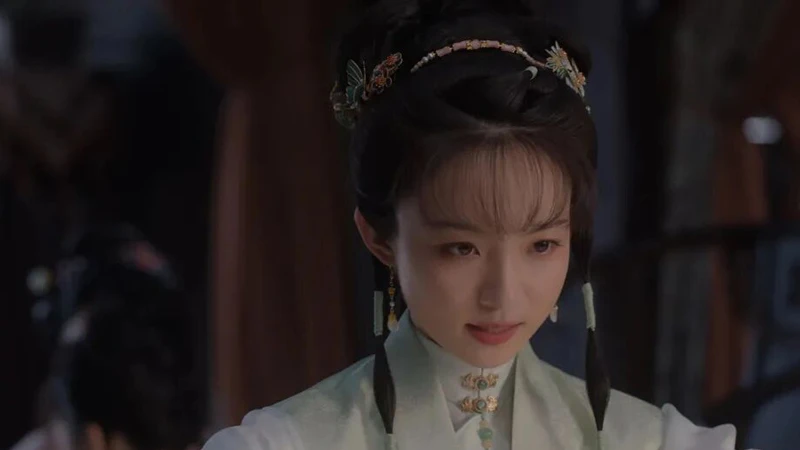
Wei Tao’s (卫珧) expertise in Cha Dao (茶道), the Way of Tea, and medicine paints the portrait of a scholar he might have been. Instead, these skills become tools for his deception. He is a paradox: a man capable of creating beauty and inflicting horrific pain. The drama refuses to simplify him into a mere villain. His cruelty has a root, a source in profound injustice. We see his conflict, particularly in his interactions with the fragile Rong Yunxi (荣筠溪), where two damaged souls glimpse a sliver of understanding. Yet, the narrative does not excuse his actions. The crimes he commits—torturing the real Yan Bailou, silencing the maid Liang Mama (梁妈妈) who discovers his secret—are presented as unforgivable choices, not justified steps.
The Price of a Star
For all his calculation, Wei Tao’s plan contains one unpredictable variable: genuine emotion. His feelings for Rong Shanbao, the eldest daughter of the house, are the crack in his armor. He describes seeing her on the tea mountain as encountering a star that lit his dark world. In moments of unguarded sincerity, he protects her, even harms himself for her. This sliver of light makes his darker deeds all the more tragic. His rejection of an alliance with another is based on this memory, a testament to the one pure element in his fabricated life. However, this love is built on a foundation of lies and bloodshed, dooming it from the start.
Rong Shanbao is not a passive prize but a formidable force in her own right. Her loyalty is fierce and complicated. Discovering a clue that implicates her mentally vulnerable sister, Rong Yunwan (荣筠纨), in a death, she chooses family over procedure and destroys the evidence. This act defines her moral compass—one guided by protective love, which makes her later, hardened resolve to find the truth all the more powerful after tragedy strikes again. The relationships between the Rong sisters are complex webs of rivalry, jealousy, and unspoken bonds, far removed from simple tropes.
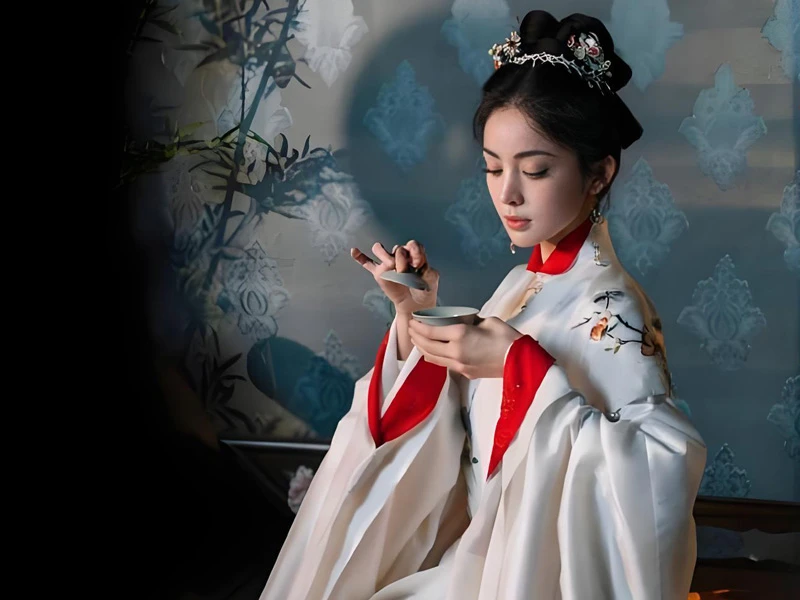
The inevitable unraveling comes not from a grand battle, but from diligent investigation. Officials like Lu Jianglai (陆江来), working with a now-determined Rong Shanbao, piece together the truth. Wei Tao’s double life is exposed. The finale offers a sober resolution: while the Wei family’s name is finally cleared of the old false charges, Wei Tao must answer for the new crimes he personally committed. Justice is served, but it is a bleak, costly victory. The star he loved helped illuminate the path to his downfall. His story is a stark reminder that the pursuit of vengeance, however righteous its origin, can consume the pursuer entirely, leaving no room for the redemption love might offer.