Kung fu transcends combat. it’s a deep, foundational discipline that reshapes the body, breath, and mind. Unlike global martial arts, its essence lies in rigorous basics: stance training, conditioning, and resilience drills that build power from the ground up. This somatic engineering forges not just fighters, but masters of movement.
More Than Fighting: What Makes Kung Fu Unique
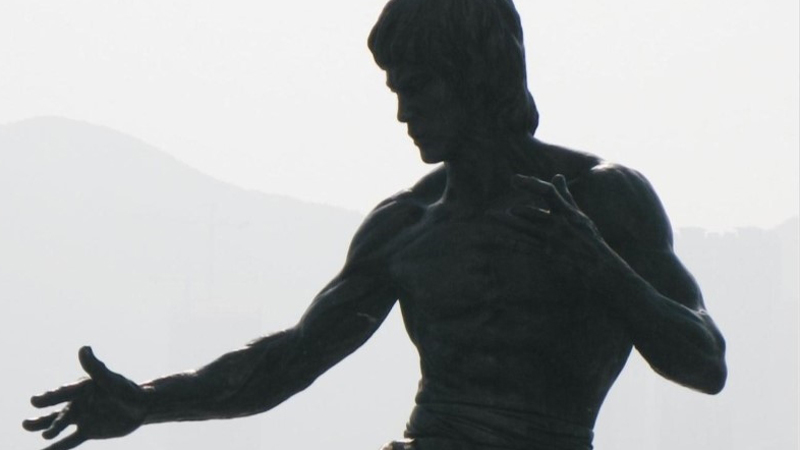
While combat systems exist worldwide, only China’s martial tradition is universally known as kung fu. The term itself implies a depth of practice beyond mere technique—it denotes time, effort, and a devotion to fundamentals that shape not just how one fights, but how one moves, breathes, and thinks.
What truly distinguishes kung fu is its emphasis on foundational training—often comprising half of a practitioner’s journey. These are not combative drills, but methods that reshape the body’s structure and functionality. This process is demanding, often tedious, and requires years of patience. But it’s here, in these fundamentals, that kung fu gains its depth and power.
As a classic saying in Chinese martial circles warns: “Practice techniques without foundations, and in old age, all comes to nothing.”Kung Fu is broadly divided into two streams, external and internal, each defined by its approach to basics. External styles rely on stance training and hard conditioning, while internal styles prioritize lightness skill and soft resilience. Though often presented as opposites, many systems blend both. What unites them is the belief that true skill is built from the ground up—literally.
The External Foundation: Power and Structure
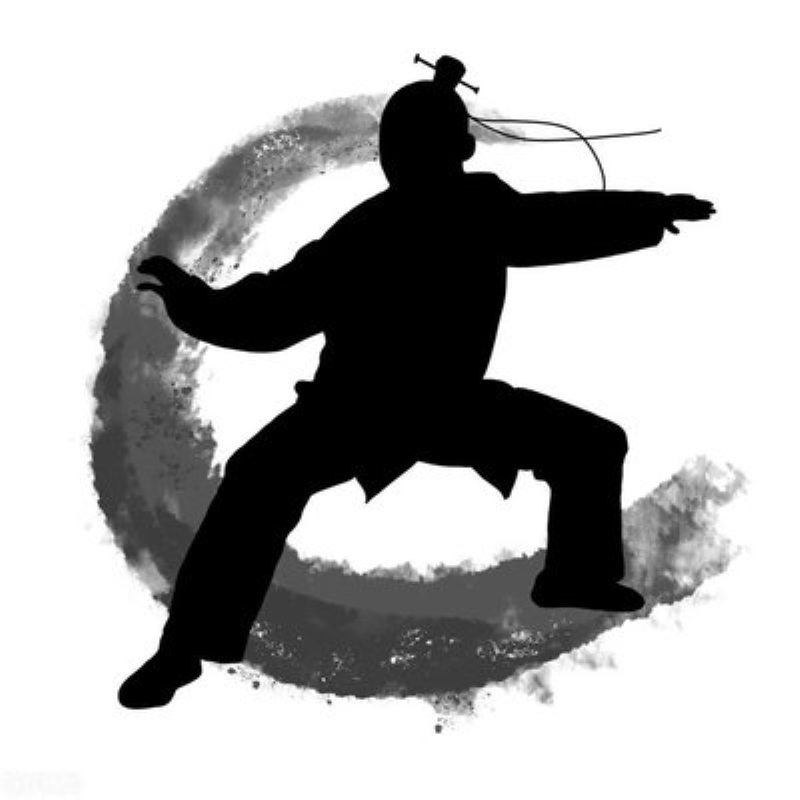
The most iconic exercise in external foundation training is the “horse stance.” Performed with feet parallel and shoulder-width apart, the practitioner sinks low and holds the position—sometimes for 30 minutes or more. This isn’t just strength training; it’s structural alignment. It develops rooting strength in the legs and core (enabling powerful, stable movement), explosive force generation through abdominal and pelvic engagement, and chest breathing (allowing continuous oxygen intake even during high-tension techniques). Without mastering the horse stance, external techniques lack power and stability.
Hard conditioning involves repetitive impact training: striking sandbags, wooden dummies, or even one’s own body against surfaces to toughen tissues and bones. Common methods include palm striking gravel or sand, forearm conditioning against posts, and repeated knuckle push-ups. The goal is to increase both striking power and resistance to blows. The challenge is enduring pain and fatigue—it’s as much mental as physical.
Often misunderstood as “weightless leaping,” lightness skill is really about whole-body agility: jumping, climbing, rolling, and rapid directional change. Training includes repetitive jumping onto platforms, pole climbing and rope work, and extended running drills. Its value in combat lies in evasion, repositioning, and controlling engagement distance. However, it demands early initiation when the body is most adaptable. It also requires genetic predisposition, consistent high-intensity effort, and even financial support for high-nutrition diets. Stop training, and the skill diminishes rapidly.
Soft resilience is the ability to absorb and dissipate impact through muscular elasticity—not just flexibility. Training includes tumbling and break-falls, handstand walking and jumping, and catching thrown sandbags with the arms and shoulders. It allows a fighter to neutralize force rather than oppose it directly. Unlike static stretching, soft resilience training is dynamic and integrated into movement.
Debunking Two Modern Myths
Myth 1: “Hard conditioning is a type of qigong (气功).”
Truth: Hard training is physiological—not energetic. It causes localized hypertrophy and neural adaptation in muscles and connective tissues. It has nothing to do with qì (vital energy) or internal energy.
Myth 2: “Internal power comes from circulating qì.”
Truth: So-called “internal power” originally referred to force generated through soft resilience training—elastic, reactive strength. While internal styles use abdominal breathing (as do qigong practitioners), the two practices are fundamentally different—and even contradictory. Qigong prioritizes energy conservation and cellular rejuvenation; kung fu training breaks down tissue and consumes energy. Doing both simultaneously often results in conflict—slowing progress in each.
Kung fu is ultimately a system of somatic engineering. It recognizes that effective fighting isn’t just about technique—it’s about building a body capable of extraordinary physical expression. Whether through the rugged conditioning of external styles or the agile resilience of internal methods, kung Fu remains one of the world’s most sophisticated physical cultures. It isn’t learned—it’s built. And that building starts from the ground up.