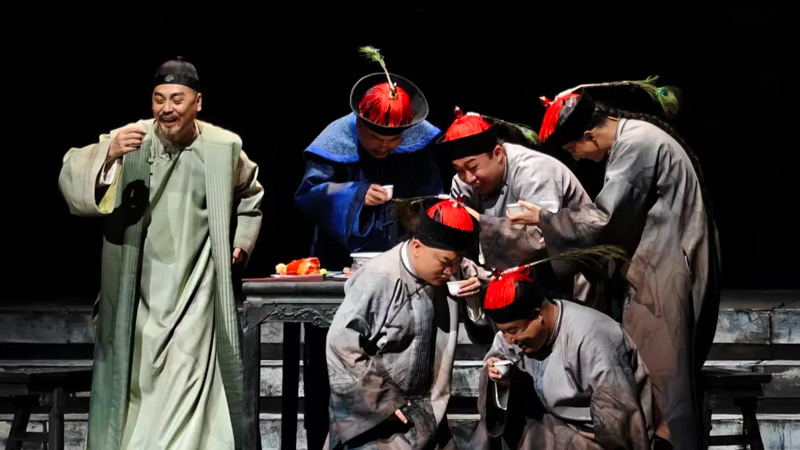
The curtain fell to thunderous applause in Nanning on October 14th, marking a powerful start to the national tour of Yu Chenglong (于成龙). This large-scale theatrical production, centered on themes of integrity, transported over a thousand spectators into a 360-year-old conversation about moral courage. Among them was Wei Tao (韦韬), Chairman of the Guangxi Zhuang Autonomous Region, whose presence underscored the performance's significance beyond mere entertainment. The play about the Qing Dynasty official often hailed as a pinnacle of bureaucratic virtue, did not simply recount history. It breathed life into it, creating a shared emotional experience that resonated deeply within the modern auditorium.
For two hours, the audience was held in rapt attention. The narrative's tension was palpable, broken only by collective gasps and bursts of applause at moments where justice prevailed. This immediate and visceral reaction suggested the story's core message was not lost in the centuries separating the subject from his viewers. Instead, it highlighted a timeless hunger for principled leadership and ethical fortitude. The success in Nanning established more than a successful opening night; it proved the enduring relevance of a man who held fast to his convictions against formidable odds.
The Performance
As the stage lights rose, the air filled with the resonant recitation of Confucian classics, bridging past and present. The figure of Yu Chenglong, the Governor of Zhili (直隶) during the Qing Dynasty, emerged not as a distant historical statue, but as a man of flesh and spirit. The cast's meticulous performances gave depth and humanity to the characters, avoiding one-dimensional portrayals of good and evil. The audience journeyed with him, sharing in his dilemmas and triumphs, their silence during tense moments speaking as loudly as their applause.
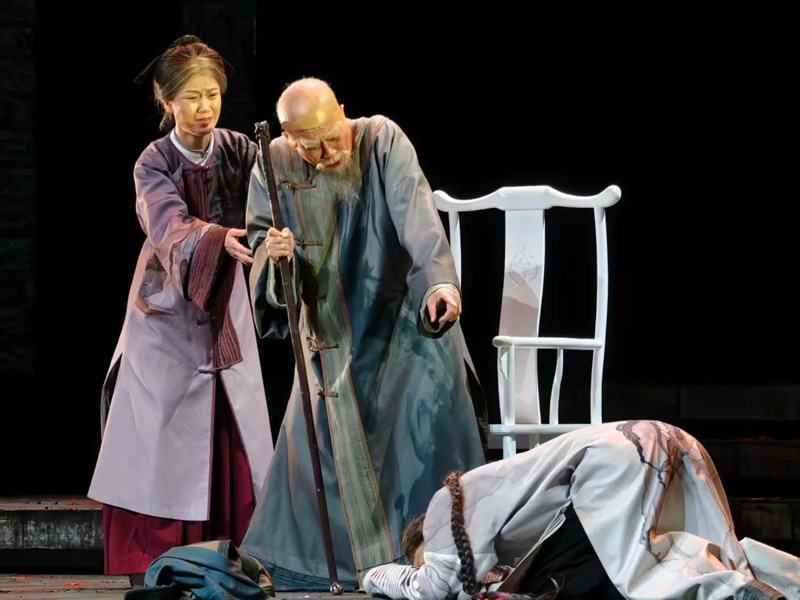
The play’s power derived from its ability to dramatize internal conflict. Viewers witnessed the Governor's struggle not as a series of dry, administrative decisions, but as profound personal tests. His famous "Six Rules for Self-Reflection" were not simply stated; they were enacted, becoming the dramatic pivot points upon which the plot turned. This transformation of philosophical principle into theatrical action allowed the crowd to connect with the intellectual and emotional underpinnings of his integrity.
Each scene was crafted to build upon the last, creating a compelling arc from crisis to resolution. From his fury at discovering corrupt subordinates to the life-or-death gamble of opening imperial granaries to feed the starving, Yu's choices carried weight. The production masterfully showed that his virtue was not passive, but an active, courageous, and often lonely force. The final, resonant silence before the applause was a testament to the performance's emotional impact.
The Man and His Mission
The narrative focuses on Yu Chenglong's tenure as Governor, employing a "factual framework with creative liberty" approach to storytelling. It highlights critical junctures where his integrity was tested to its limits. One pivotal moment depicts his audacious decision to bypass royal decree and unlock grain stores to alleviate a famine, a act of civil disobedience that risked his own life for the sake of the people. This was not blind loyalty to the throne, but a deeper loyalty to its subjects.
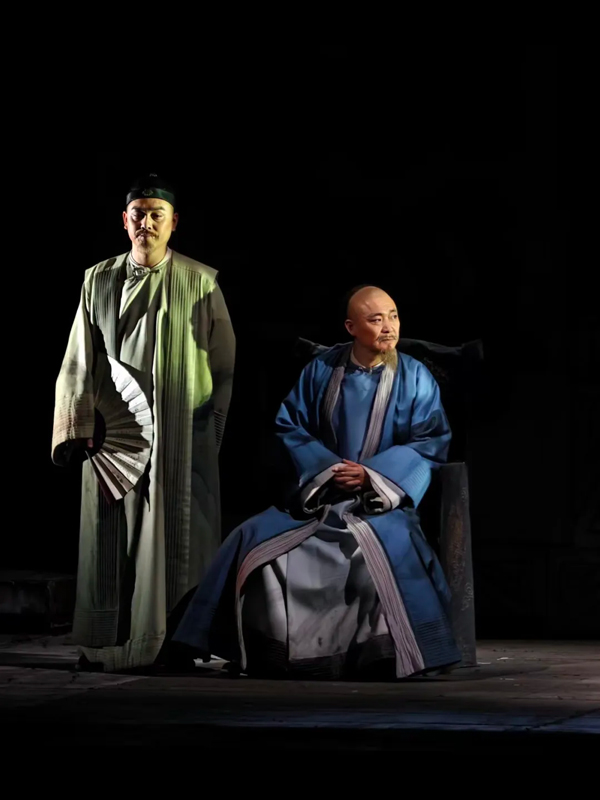
Another central conflict involves his relentless pursuit of high-level corruption, exposing powerful figures who operated with a sense of impunity. The play does not shy away from the political pressure and personal danger this entailed. It further complicates his journey by introducing a painful choice between kinship and the rigid application of law, forcing him to uphold his principles even when the cost was a heavy personal heartache. These episodes collectively paint a portrait of a complete individual, not a mythical saint.
His personal code, summarized by the motto "Purity, Prudence, Diligence," served as his compass. The drama illustrates how these were not abstract ideals but practical guides for daily governance. By grounding his virtue in specific, difficult actions, the play makes his moral stance accessible and awe-inspiring. It suggests that integrity is found not in the absence of temptation, but in the consistent choices made in the face of it.
A Legacy Continues
The acclaim in Nanning is a single step in a longer journey. Having already been performed over a hundred times and awarded a Shanxi Province "Five-One Project" award, the play has evolved into a vibrant vehicle for cultural transmission. Its value now extends beyond its artistic merit, functioning as a living discourse on public service ethics. The Nanning stop also served as a meaningful cultural bridge between Shanxi (山西) and Guangxi (广西), planting the seeds of its message in new soil.
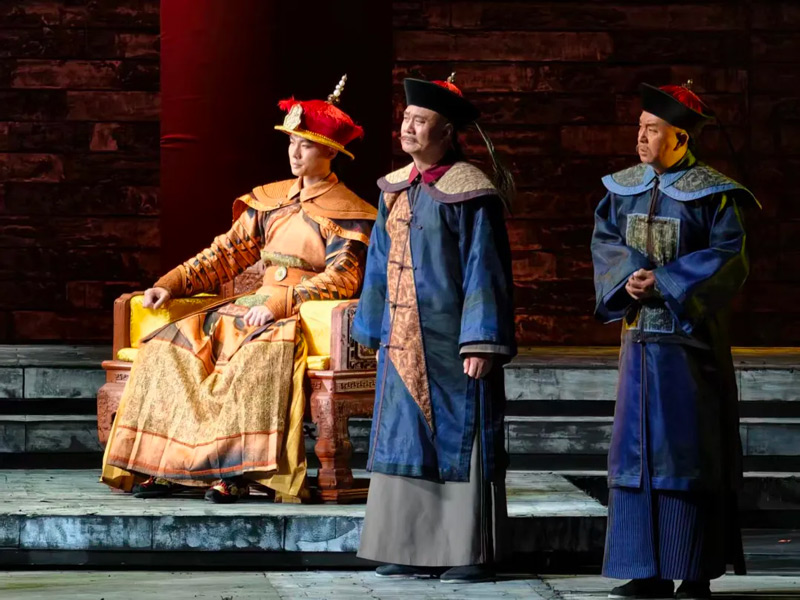
The tour's next destination is profoundly symbolic: Luocheng (罗城), the Mulao Autonomous County where Yu Chenglong's official career began. Presenting the story of his life and principles in the very place he first took up his post brings the narrative full circle. It offers local residents and officials a unique opportunity to connect with a foundational part of their history, seeing one of their own elevated to a national standard of excellence.
As patrons filed out of the Nanning theatre, many were overheard discussing key lines and scenes, a clear sign the performance had sparked introspection. The road show for Yu Chenglong is, in essence, a journey to spread the spirit of an incorruptible official. The upcoming chapter in Luocheng promises to generate new layers of meaning and connection. This "Lamp of Integrity," shining across three centuries, continues its mission to illuminate minds and hearts.