Article
搜索结果:
-
What Made the Event the Ultimate Symbol of Grace?
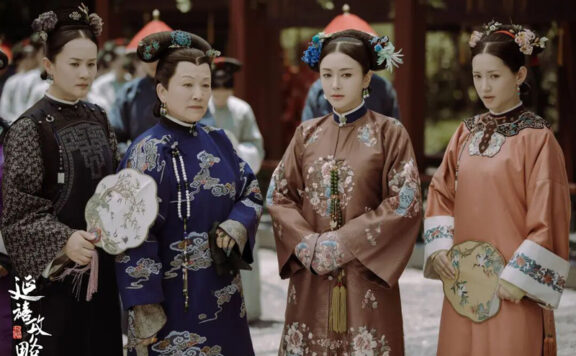
In popular Qing dynasty court dramas like Story of Yanxi Palace (延禧攻略) and Ruyi’s Royal Love in the Palace (如懿传), a familiar scene often captures the viewer’s eye: a woman walks with measured steps, her robe gently lifted by the wind, revealing a delicate ornament swaying gracefully at her chest. The subtle chime of jade and the rhythmic movement of silk threads—this was not merely decoration, but the essence of classical elegance. This ornament, known as Ya Jin (压襟), was much more than a simple accessory. It was a statement of poise, a functional tool, and a vessel for cultural ideals, typically fastened to the second button on the right side of a woman’s robe. As her garment moved forward, the ornament shifted back; as the robe settled, it returned to its place—an eternal dance between movement and stillness that embodied a quiet, enduring beauty. The Origin of an “Event” Despite its modern name, Ya Jin was historically referred to by a far more intriguing term: Shi Jian (事件), which translates to “event” or “affair.” This name hints at the accessory’s multifaceted role in daily life. It first appeared during the Tang dynasty, a period celebrated for its opulent fashion… -
The Truth About the Modern Tang Suit
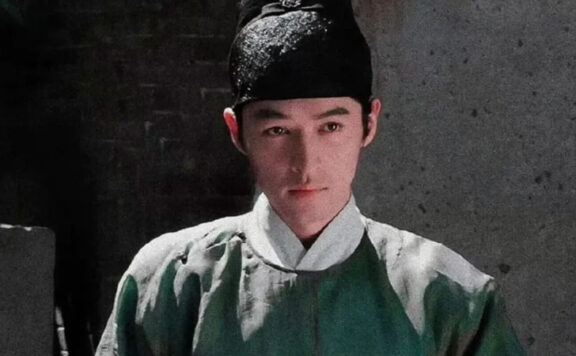
For years, a common sight at festive gatherings has been a style of clothing known as the Tang suit, its distinct collar and knotted buttons evoking a sense of tradition. But is it truly a garment from the Tang Dynasty? A resurfaced video from a 2014 company event shows actor Hu Ge (胡歌) calmly clarifying this very point, referencing the information available at the time. He pointed out that the modern garment often called a Tang suit is not a relic of the Tang era, but a modern creation. This moment of public education, delivered by a prominent figure, peeled back a layer of collective assumption, revealing that what many considered an ancient heritage piece was, in fact, a far more recent invention with a surprising origin story. A Modern Garment, A Borrowed Name The outfit Hu Ge spoke about is the very one seen at weddings and celebrations: the modern Tang suit. Its history does not stretch back a thousand years but merely a little over a century, to the late Qing Dynasty. It was born from a fusion, taking the Magua (马褂), a traditional jacket of the Manchu people, and reshaping it with Western-style tailoring techniques. This gave… -
The Secret Behind Tale of Herding God’s Success
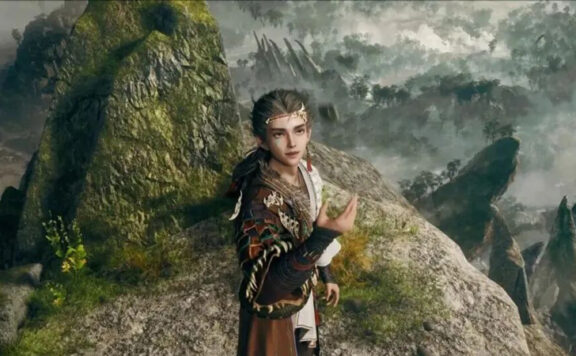
With over 1.55 billion views, 6.15 million followers, and a Douban (豆瓣) score that has climbed from 7.8 to an impressive 9.0, Tale of Herding God (牧神记) has taken the Dong Hua (动画) world by storm. This dark fantasy series, a collaboration between Bilibili and the renowned animation studio Xuanji (玄机) Technology, has achieved what few others can: it has only gotten better with time. In a market flooded with yearly series, how did this particular show convince so many viewers to jump on its bandwagon? The Everyman Hero: Why We See Ourselves in Qin Mu (秦牧) In a genre often dominated by protagonists born with silver spoons in their mouths—be it latent godly powers or royal bloodlines—Tale of Herding God takes a refreshingly different path. Its central character, Qin Mu, is not a "chosen one." He is an orphan found in the Great Ruins, raised by nine disabled outcasts in a village called Cripple's Village. He possesses no special physique and stumbles upon no instant power-ups. In a world brimming with gods and demons, he is, by all accounts, utterly ordinary. Yet, it is precisely this ordinariness that makes him so compelling. Qin Mu represents the struggle of every… -
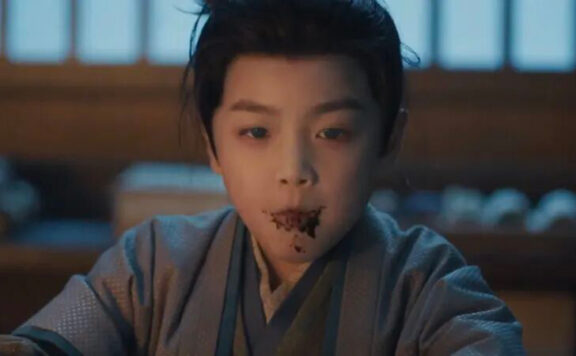
Pursuit of Jade: Nanny Lan’s Deadly Devotion
What if the woman who smiles warmly at a broken child is the very architect of his family's destruction? In the drama Pursuit of Jade (逐玉), the surface story screams of a madman, Qi Min (齐旻), who imprisons Yu Qiangqiang (俞浅浅) and terrifies their son, Yu Bao'er (俞宝儿), into madness. He is the obvious monster. But peel back the layers of this tragic tale, and a chilling question emerges: What if the monster was made? What if the gentle hand that feeds the child is the same one that twisted the father into a tyrant? The answer lies not with the furious Qi Min, but with the seemingly kind and loyal Nanny Lan (兰嬷嬷). Her smile, directed at little Yu Bao'er, hides a legacy of manipulation so profound that it poisoned two generations, proving that sometimes, the most destructive forces wear the most benevolent faces. The Architect of Pain: Loyalty as a Weapon At first glance, Nanny Lan appears to be a beacon of hope in the darkness of Qi Min's manor. She sneaks food to the traumatized Yu Bao'er, she brings him a playmate, Chang Ning (长宁), to snap him out of his stupor, and she even proposes a… -
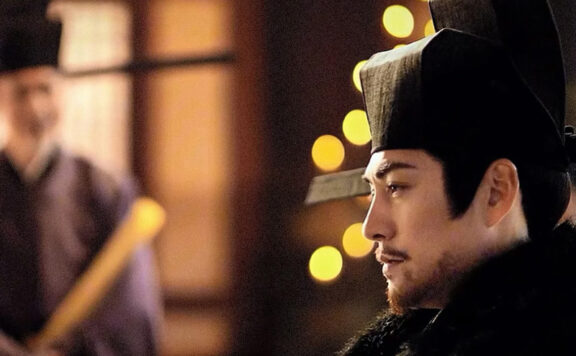
Yan Yikuan in Pursuit of Jade: A Minister You Can't Forget?
In the historical drama Pursuit of Jade (逐玉), actor Yan Yikuan (严屹宽) steps into the role of Wei Yan (魏严), a powerful minister during the Song Dynasty. His entrance is nothing short of mesmerizing, leaving viewers in awe of how he embodies the essence of a man who holds the court in his palm. From the moment he appears in a striking purple robe, it's clear that Yan isn't just acting—he's channeling the very spirit of a dynastic power player. The costume, the posture, and his commanding gaze all work together to create a character that feels both authentic and larger than life, setting a new standard for historical drama portrayals. The Purple Robe The purple robe Yan wears is more than just fabric; it's a statement. In the Tang and Song dynasties, only officials of the third rank and above could don purple, marking them as the emperor's closest advisors. Yan's character, Chancellor Wei, immediately signals his towering status through this color. The robe, with its round collar and flowing lines, isn't just historically accurate—it enhances Yan's commanding presence, making every scene he's in feel weighted with authority. This attention to detail helps ground the drama in a specific… -
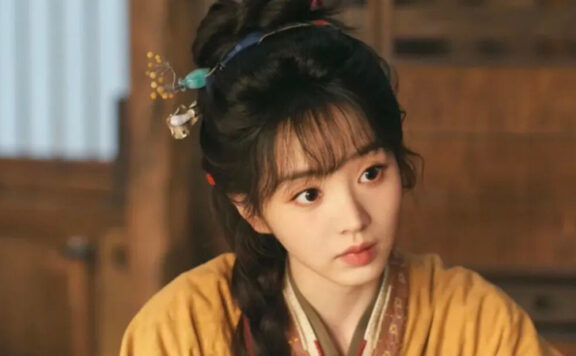
The Vase Hairpin in Pursuit of Jade
Have you ever noticed a seemingly simple hairpin in a period drama and wondered about the story it carries? In the recent hit series Pursuit of Jade (逐玉), the female lead, played by Tian Xiwei (田曦薇), frequently wears a distinctive ornament that has sparked curiosity among viewers. It looks like a tiny, delicate vase nestled in her hair. This isn't just a prop designer's fancy; it's a historical accessory known as the "vase hairpin," a item that has captivated women for centuries. Its journey from a practical, flower-holding tool in the Song Dynasty (宋朝) to a symbol of status and peaceful wishes reveals a fascinating chapter of ancient Chinese aesthetics and ingenious craftsmanship. A Blooming Idea: The Song Dynasty Origin The story of the vase hairpin begins in the Song Dynasty, an era renowned for its refined taste and love for nature. The prevailing fashion of wearing fresh flowers in hair directly inspired this creation. Imagine a woman wanting to adorn her hair with a real, fragrant bloom all day without it wilting. The solution was the vase hairpin, or "Huaping Zan" (花瓶簪). Craftsmen shaped the head of a hairpin into a small, often hollow, vase that could hold a… -
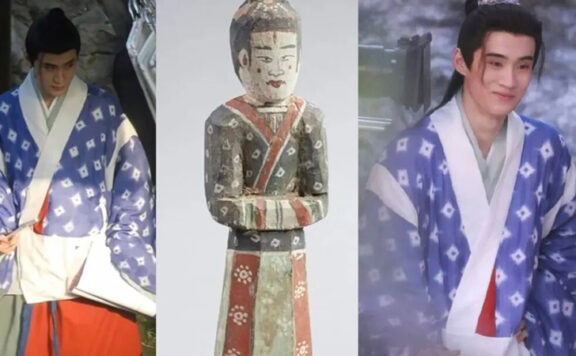
The Truth of the Controversial Hanfu
In a recent behind-the-scenes glimpse of the upcoming historical drama Generation to Generation (江湖夜雨十年灯), a costume worn by actor Bian Tianyang (边天扬) ignited a firestorm online. Netizens were quick to question the design, with many accusing it of looking like Wo Fu (倭风), or "Japanese style." The immediate outcry raises a pertinent question: Is this ancient Chinese garment a case of cultural misappropriation, or is it simply a case of mistaken identity? A closer look at archaeological findings and textile history suggests the latter, revealing a rich, homegrown tradition that has merely been forgotten over time. A Dig Uncovered the Truth The outfit in question is a set of Ruqun (襦裙), a classic two-piece Han Chinese garment consisting of a short jacket and a skirt. While the style might look foreign to some modern eyes, its design is not pulled from thin air. It is a meticulous recreation based on an actual archaeological discovery from 2002 at the Huahai Biejiatan Cemetery (花海毕家滩墓地) in Gansu Province. The grave, dating back to the Sixteen Kingdoms period, contained a well-preserved set of Wei and Jin-style Ruqun. This find is crucial because it provides tangible evidence of clothing from the Wei, Jin, and the… -
Pursuit of Jade: Ancient Ear Warmers in History
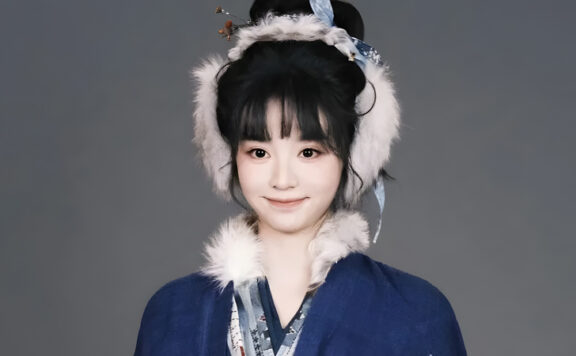
In the historical drama Pursuit of Jade (逐玉), actress Tian Xiwei (田曦薇) recently appeared on screen sporting a pair of fluffy ear covers. They looked almost identical to the ones we use today to combat winter's chill. It was a small, charming detail that sparked a big question for modern viewers: Did people in ancient China really have such sophisticated gear to keep their ears warm? The answer reveals a fascinating story of fashion, function, and even political power. Far from being a modern invention, the "ear warmer" has a rich history in China. Known by various names over the centuries, it evolved from a simple piece of soldiers' kit into a coveted status symbol at the imperial court, and finally into a delicate, embroidered accessory for the common people. Its journey from the battlefields of the Tang Dynasty to the fashionable streets of modern times proves that when it comes to staying warm and stylish, some ideas are simply timeless. The Frontier to the Court The earliest recorded name for this winter accessory was Eryi (耳衣), or "ear clothes," which appeared during the Tang Dynasty (618–907). The poet Li Kuo (李廓) provided the first literary evidence, writing about the… -
Bo Bin in Pursuit of Jade
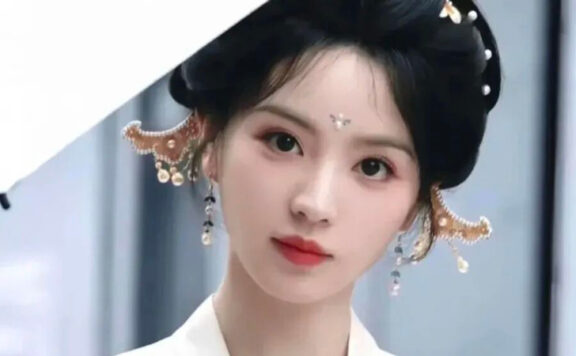
When watching the new historical drama Pursuit of Jade (逐玉), eagle-eyed viewers have been captivated by a specific detail in Tian Xiwei's (田曦薇) costume. During formal scenes, she wears a pair of exquisite, symmetrical ornaments on either side of her head. They frame her face perfectly, adding an undeniable air of solemnity and elegance. But what are these decorative "tails," and do they signify more than just beauty? As it turns out, this striking accessory is a window into the rich, rule-based world of ancient Chinese fashion. The "Wings" of Nobility: Unpacking Bo Bin (博鬓) These ornaments are called Bo Bin, a term that directly translates to "broad temple ornaments." They are not merely decorative; historically, they were a formal attire accessory for women of status. In costume design for period pieces like Pursuit of Jade and Flourished Peony (锦绣芳华), Bo Bin are often added to formal buns or crowns. Their design is distinctive: they sweep down past the ears, with ends that often curl upwards, and are adorned with intricate floral decorations, kingfisher feather motifs, or delicate inlays. Think of them as the ancient equivalent of ceremonial epaulettes, but for the head. While they look like an integral part… -
Experience Swan Lake’s Classic Charm in Huizhou
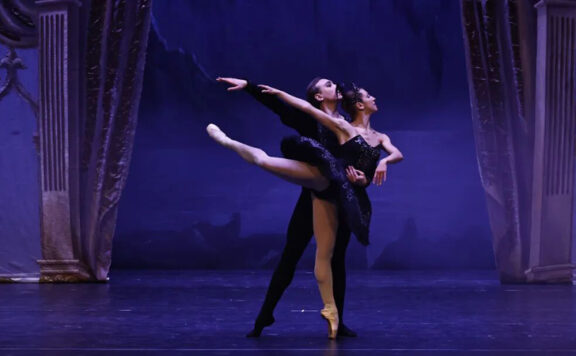
What makes a 147-year-old ballet sell out theaters tonight? It is the promise of a story that understands us. On May 20th, Huizhou (惠州) welcomes a performance of Swan Lake, a production that has survived wars, changing fashions, and the digital age to remain the "king of classics." It is not merely a museum piece dusted off for our enjoyment. It is a living, breathing creature that still has the power to break our hearts. To understand its magic, we have to look past the tutus and look into its soul. This article breaks down the three pillars that make this ballet immortal: its raw human story, its technical demands on the dancer, and the symphonic genius of Pyotr Ilyich Tchaikovsky. Performance Time: Wednesday, May 20th, 2026 at 19:30 Venue: Huizhou Culture and Art Center·Opera House The Prince in the Palace, The Prisoner in the Feathers At its core, Swan Lake is not really about birds. It is about the cages we live in. The plot introduces us to Prince Siegfried, a young man suffocated by royal duty. He is expected to grow up, marry a stranger, and inherit a kingdom . He is wealthy, yet he is a prisoner.… -
The Price of Ambition in Pursuit of Jade
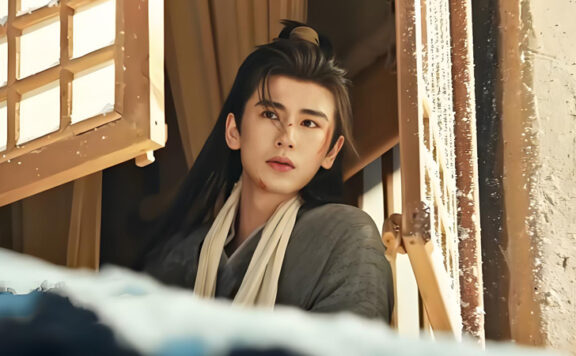
What happens when a man trades genuine loyalty for social climbing, only to watch his ambitious plans collapse into dust? The Chinese drama Pursuit of Jade (逐玉) offers a brutal answer through its unforgettable character Song Yan (宋砚), a figure so infuriatingly real that viewers cannot help but see fragments of human weakness in his journey. Set against the vibrant backdrop of the Shangyuan Festival (上元节), the story follows Fan Changyu (樊长玉), a woman forced to grow up too fast after tragedy strikes her family. When her former fiancé reappears, the encounter exposes not just personal betrayal, but a universal truth about human nature: those who abandon integrity for status often end up with neither. The festival lanterns floating on the river, traditionally symbols of hope and blessing, become ironic witnesses to a confrontation that reveals the ugliest corners of the human heart. Through Song Yan's rise and catastrophic fall, the narrative forces audiences to question what truly defines a person—their ambitions or their actions toward those who once helped them. The Betrayal That Burns Like Rejected Lanterns The confrontation at the riverbank cuts straight to the emotional core of Song Yan's betrayal. When Song Yan approaches Fan Changyu during… -
Did Ancient China Obsess Over Body Image?
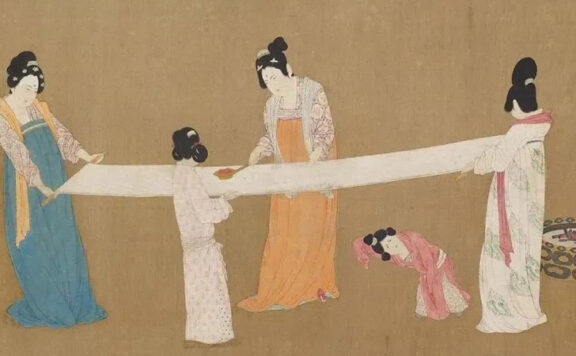
- Summer is approaching, and for many, that familiar sense of anxiety about appearance begins to stir. We worry about our bodies, our weight, and how we measure up to modern standards. This feeling is so common today that it seems like a distinctly modern problem. But a look back at ancient China reveals a surprising truth: the struggle with body image is far from new. Women in previous dynasties faced intense scrutiny, often under even harsher and more consequential "gazes" than we do today. Their stories of conformity, sacrifice, and shifting ideals offer a powerful perspective on our own relationship with our bodies. When a King's Desire Became a Death Sentence One of the most extreme examples of body anxiety driven by authority comes from the Warring States period. According to the Strategies of the Warring States (战国策), King Ling of Chu (楚灵王) had a well-known preference for ministers with slender waists. This royal decree set off a dangerous wave of dieting among his court. To please their king, the ministers would eat only one meal a day. They would hold their breath while belting their robes to make their waists appear smaller and would have to support themselves… -
Diancui The Chinese Luxury Craft of Kingfisher Feathers
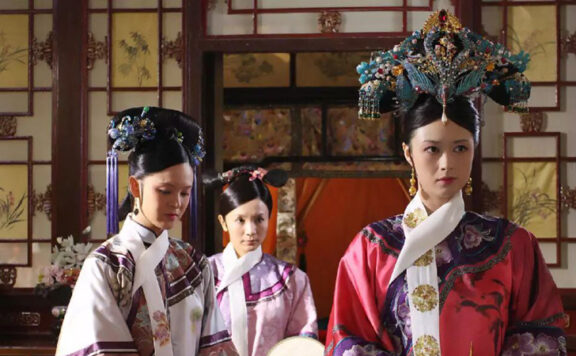
What if the most exquisite blue in Chinese history came not from a mine, but from a bird? For centuries, a shimmering, almost otherworldly hue adorned the hair of noblewomen, a secret whispered from the wings of a kingfisher. This is the story of Diancui (点翠), a craft as breathtaking as it is controversial. Imagine a crown that seems to ripple with the living light of a tropical sky, a hairpin that holds a fragment of iridescent life. This was not just jewelry; it was a captured moment of nature's brilliance, fused with human artistry. The legend of this "feather luxury" begins not in a workshop, but on the banks of a stream, watching a flash of blue dart through the air. The Chinese article paints a vivid picture of this lost art, from the haughty concubines of the Qing court who wore fortunes on their heads, to the silent sacrifice of millions of birds. Let's unfold the layers of this intricate, beautiful, and deeply complex tradition. The Living Gem: Nature's Palette The magic of Diancui lies in its primary material: the plumage of the kingfisher, or Cui. Unlike paint or dye, these feathers possess a unique structural color. The… -
5 Pale Spring Chinese Artifacts
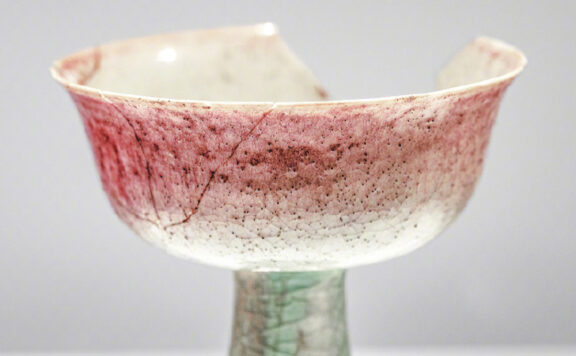
What happens when you try to capture a season that refuses to be held? The soft pinks of a spring dawn, the whisper of a butterfly's wing, the reflection of a flower in a teacup—ancient Chinese artisans chased these fleeting moments and trapped them in porcelain, jade, and glass. They didn't just paint pictures of spring; they infused the very essence of the season into objects meant for the hand and the desk. These weren't grand palace decorations, but intimate companions for a scholar's studio or a tea drinker's table. A thousand years later, these "pale spring" artifacts don't just sit behind museum glass. They still hold that captured light, waiting for someone to look closely and feel the warmth of another April, long gone but not forgotten. 1. Yuan Dynasty - Yingqing (影青) Glaze Underglaze Red High-Footed Cup The first thing you notice about the Yingqing glaze underglaze red high-footed cup from the Yuan Dynasty is its shyness. Housed in the Hangzhou (杭州) Museum, its blush isn't painted on with confidence. Instead, it looks like a secret—a flush of pink that rises from the white porcelain body as if caught off guard . This was likely an accident. Crafting… -
Why Zhao Kuangyin Chose White After the Yellow Robe
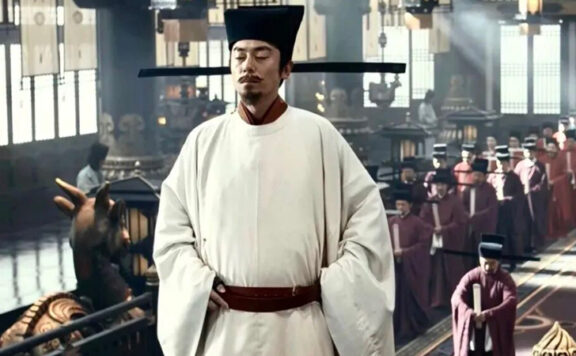
In the historical drama Swords into Plowshares (太平年), a subtle yet striking detail captures the audience's attention. The founding emperor of the Song Dynasty, Zhao Kuangyin (赵匡胤), who famously seized power through the "Mutiny at Chenqiao" and had himself draped in a yellow robe, is rarely seen in the golden hue we associate with imperial power. Instead, after ascending the dragon throne, he frequently appears in simple white attire. This sartorial choice puzzles modern viewers: why would a ruler who won the world through a "yellow robe" abandon it for white? The answer, far from being a matter of random preference, reveals Zhao Kuangyin's political strategy, the foundational aesthetics of the Song Dynasty, and our own historical misconceptions about ancient Chinese imperial fashion. White as a Political Statement of Frugality The most direct reason for Zhao Kuangyin's preference for white was his desire to lead by example and promote the principle of governing with thrift. After the successive wars of the Five Dynasties and Ten Kingdoms period, the Central Plains were economically devastated and the national treasury was depleted. Having witnessed the collapse of previous dynasties due to extravagance, he understood that "success comes from diligence and failure from extravagance."… -
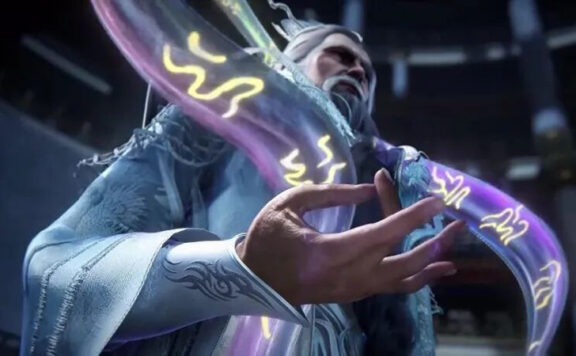
Renegade Immortal Three Great Masters Hunt Wang Lin
In the high-stakes world of Renegade Immortal (仙逆), the latest power struggle has erupted into a full-scale war. Protagonist Wang Lin (王林) has committed the ultimate act of defiance, and now the three most terrifying cultivators in the starry sky are hunting him. This isn't just a simple chase; it is a convergence of pride, loss, and cosmic ambition. As Tian Yunzi (天运子), Ling Tianhou (凌天侯), and the Blood Ancestor converge on the Demon Spirit Land, Wang Lin finds himself with nowhere left to run in the entire star domain, forcing him to stake everything on a desperate gamble into the unknown. The Puppet Master's Fury The trouble began when Wang Lin made a terrifying discovery. He learned from Du Jian (杜建) that Tian Yunzi, his supposed mentor, is not a benevolent teacher but a predator. Tian Yunzi treats his disciples as prey, planting a Spiritual Brand within them to later devour their cultivation. This was the fate of Sun Yun, and Wang Lin realized he was next on the menu. Refusing to be a lamb for slaughter, he took the dangerous step of forcibly removing the brand from his body. The moment the brand was destroyed, Tian Yunzi felt… -
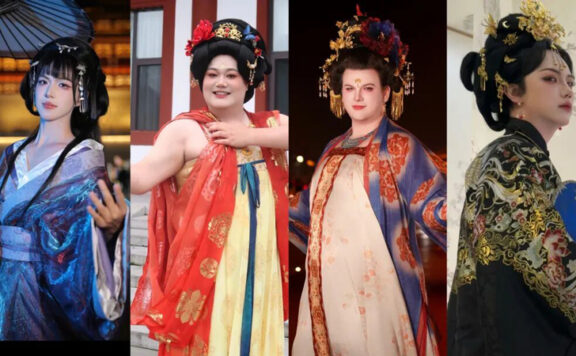
Luoyang Hanfu Gender Misalignment
What happens when a city's ancient fashion revival becomes a stage for gender-bending spectacle? In Luoyang, the Spring Festival of 2026 brought an unexpected twist to China's Hanfu resurgence—young men in droves squeezing into oversized Tang Dynasty-style gowns designed for women, their transformed images plastered across social media as local tourism bureaus cheerfully marketed the trend as "innovation through shock value." But beneath the surface of viral videos showing bearded faces framed by delicate silk ruffles lies a troubling question: has the Hanfu movement lost its cultural compass in pursuit of clicks and commerce? When Men Have No Clothes The scene at Luoyang's ancient city attractions tells a revealing story about where the Hanfu industry has gone wrong. Young men cluster at photo spots wearing Qixiong Shanqun (齐胸衫裙)—the high-waisted wraparound dresses that define women's Tang Dynasty fashion—because local rental shops simply have nothing else to offer. A quick survey of experience stores shows men's sections relegated to a dark corner with perhaps three options: straight-front robes, Taoist-style gowns, or round-collar robes, all in somber colors and rigid cuts that fit poorly and flatter rarely. The inventory imbalance speaks volumes about market priorities. Women's racks burst with Tang, Ming, and Song… -
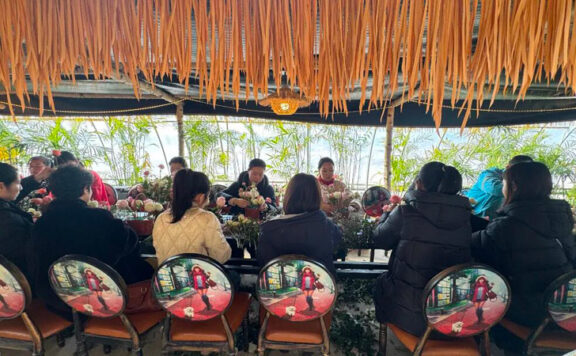
Chaoyang Branch Women's Day Event
On the morning of March 6th, the labor union of Chaoyang Branch (朝阳分公司) turned an ordinary Thursday into a scene from a classical Chinese painting. In celebration of International Women's Day (国际劳动妇女节), the company invited its employees—both women and men—to step away from their desks and into a world of floral fragrance, tea leaves, and flowing silk robes. It was an event designed not just to mark a date on the calendar, but to breathe life into the idea that the workplace can be a space for beauty, connection, and quiet celebration. The air buzzed not with talk of sales targets, but with laughter and the gentle rustle of Hanfu sleeves. Blossoming Her Power The conference room was transformed. In one corner, tables were littered with clippings of fresh flowers—roses, lilies, and delicate sprigs of greenery. Guided by a florist, employees became artists for an hour. They clipped stems, considered color palettes, and built small worlds in ceramic vases. It wasn't about perfection; it was about the process. Watching a colleague who usually crunches numbers carefully place a single orchid into an arrangement, you could see a different side of them—a quieter, more patient focus. The room filled with the… -
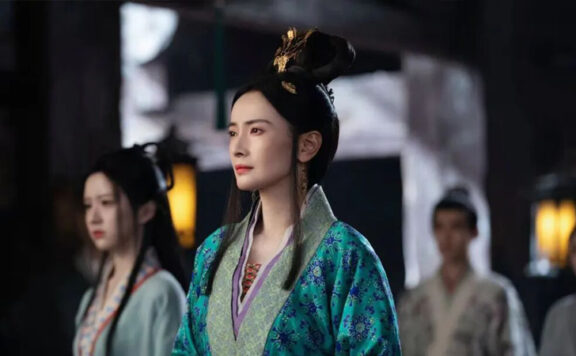
Generation to Generation: No Innocent Soul, No Unfated Love
In the sprawling landscape of Chinese television dramas, a new contender has emerged that refuses to play by the rules. Generation to Generation (江湖夜雨十年灯) has quietly captivated audiences, not with predictable plots or cookie-cutter heroes, but with a fragmented narrative style that feels more like assembling a complex jigsaw puzzle than watching a show. While the central romance between the young protagonists provides the initial draw, it is the spectral presence of the previous generation that haunts every frame. This isn't just a story about young love navigating martial arts conflicts; it is a dissection of how the sins of the parents become the poisoned inheritance of their children. The drama dares to ask a provocative question: what happens when the "heroes" of the past were not heroic at all, but simply people who made tragic, selfish choices? By refusing to spoon-feed the backstory, the writers invite us to become detectives, piecing together the wreckage of lives destroyed by love, jealousy, and a single, devastating lie. This narrative choice elevates Generation to Generation from a standard Guochao (国潮) period piece into a raw, emotional exploration of time's cruel ability to turn passion into ash. The Ghosts of Qingque (青阙): A… -
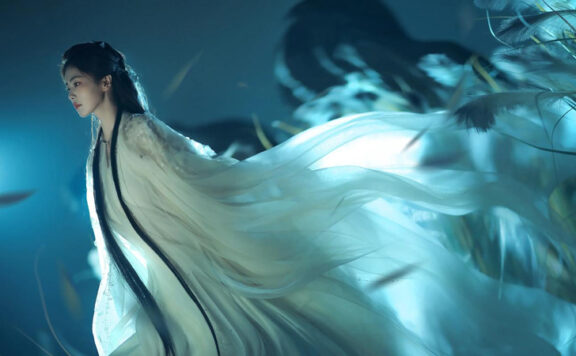
7 Pivotal Dramas in Bai Lu’s Rise to Stardom
Few actors in recent memory have so thoroughly reshaped their own story through the sheer force of their performances as Bai Lu (白鹿). In the span of just a few years, she has moved from promising newcomer to a defining presence in Chinese period dramas. Her appeal does not rest on a single type of role. Instead, she has consistently chosen characters that defy simple labels—the gentle soul bound by silence, the sharp-witted survivor given a second chance, and the wild flame that refuses to be tamed. Each portrait offers a distinct shade of womanhood, yet all are connected by a thread of inner strength and emotional honesty. What follows is a look at seven pivotal dramas that mark the milestones of her journey, each one showcasing a different facet of her craft and cementing her connection with audiences who see in her work not just entertainment, but a reflection of resilience and grace. One and Only (周生如故) The year 2021 brought One and Only, a drama that quietly devastated its viewers. Here, Bai Lu embodies Cui Shiyi (崔时宜), a young woman who loses her voice in childhood and finds refuge in the household of the revered general Zhou Shengchen (周生辰).…