Article
搜索结果:
-
Why Do Exotic Costumes Keep Emerging in Ancient-Style Dramas?
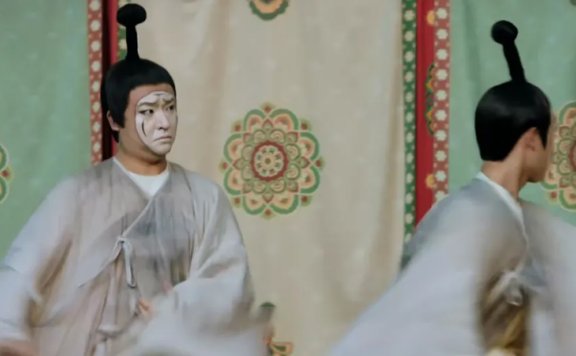
Why Did Wearing the Wrong Outfit Used to Be a Crime? Imagine living in an era where your choice of clothing could lead to public shaming, imprisonment, or even execution. Throughout much of Chinese history, what one wore was never just a matter of personal style. It was a direct reflection of social status, moral character, and political loyalty. The concept of Fuyao (服妖), or "deviant dress," was a serious social transgression. This term described any attire, including hairstyles, accessories, and makeup, that broke established sumptuary laws or challenged conventional aesthetics. In a society governed by Confucian principles, clothing was a legible code. It told everyone who you were and where you belonged. To disrupt this code was to disrupt the social order itself, an act that authorities and the public viewed with suspicion and fear. Defining Deviance The historical record provides clear definitions of this phenomenon. The Book of Han (汉书) states that when customs become frivolous and people change their manners, they adopt strange and lightweight clothing, thus creating Fuyao. This was more than a fashion faux pas; it was an omen. Periods of significant social upheaval, particularly towards the end of dynasties, often saw a rise in… -
What Are Those Graceful Chains Adorning Li Qin in Fated Hearts?
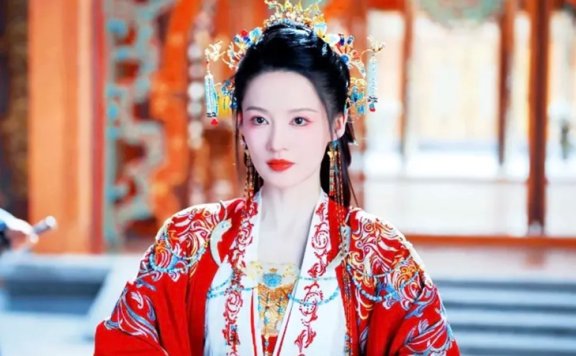
In the captivating historical drama Fated Hearts (一笑随歌), actress Li Qin (李沁) mesmerizes viewers with costumes that blend simplicity with intricate detail. One standout feature is the delicate web of chains and beads draped over her garments, which shimmer and dance with every movement, especially during elegant sword sequences. This accessory, known as Yingluo (璎珞), is far more than mere decoration; it is a nod to a rich cultural legacy that has evolved over millennia. Its presence on screen sparks curiosity about its origins and significance, inviting us to explore how ancient traditions find new life in modern storytelling. Ancient Origins The story of Yingluo begins in ancient China, with traces found as early as the Warring States period. Excavations at sites like the Majiayuan Cemetery (马家塬墓地) revealed net-like ornaments used as headpieces or necklaces, though they might not have been called Yingluo at the time. These pieces often symbolized status and wealth, crafted from materials that reflected the wearer's rank. Classical texts, such as the Yupian (玉篇) dictionary, define "Ying" as a jade-like stone and "Luo" as strung jewels, highlighting the accessory's luxurious roots and its role in distinguishing the elite. As dynasties shifted, Yingluo gained prominence during the… -
Dilraba's Mid-Autumn Look Takes Internet by Storm
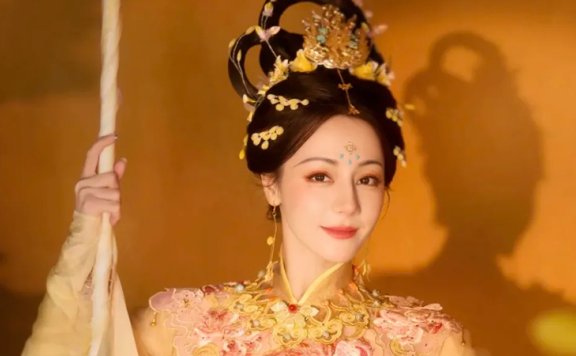
When Dilraba appeared at the Mid-Autumn Gala, her ensemble instantly captivated audiences, sparking conversations far beyond typical celebrity fashion chatter. Unlike conventional ancient-style attire, her look drew from the classic motif of the Heavenly Maiden Scattering Flowers, evoking childhood fantasies of ethereal beings gracing the earthly realm. While fellow actress Gulnazar showcased her own elegant traditional design, Dilraba's interpretation stood out for its layered cultural resonance. This was not merely a costume; it was a visual narrative weaving together history, art, and collective memory, reminding viewers that some aesthetic ideals transcend time. Styling Secrets Dilraba's outfit featured specific elements that immediately signaled its mythical inspiration. Her hair was arranged in a Huanji (鬟髻), a classic coiled bun that has symbolized feminine grace and divinity in Chinese art for centuries. This hairstyle frequently appears in renowned works like Nymph of the Luo River (洛神赋图) by Gu Kaizhi (顾恺之) and Eighty-Seven Celestials (八十七神仙卷) by Wu Daozi (吴道子), establishing it as a quintessential feature of celestial figures. The style's circular form projects harmony and elegance, making it a perennial choice for representing otherworldly beauty in both historical and modern contexts. Another defining component was the Yuanjian (云肩), a decorative cape draped over the… -
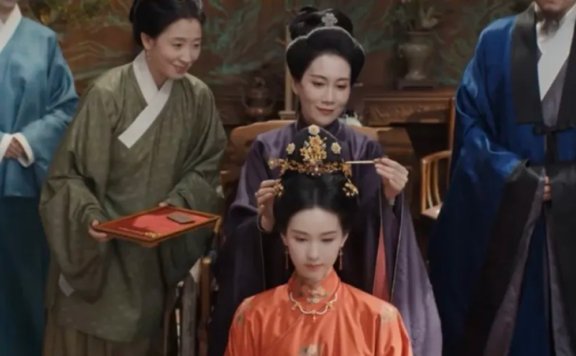
Did Ancient People’s Updo Hair Mean Marriage?
Many viewers of historical television dramas often assume that in ancient China, a person simply tying up their hair signified they were married. This common belief, perpetuated by on-screen portrayals, oversimplifies a rich cultural practice. Hairstyles in ancient times carried deep symbolic meanings related to age, social status, and etiquette, rather than just marital status. This article delves into the true significance of these traditions, separating fact from fiction and exploring how modern media has reshaped our understanding. By examining historical records and contrasting them with contemporary depictions, we can appreciate the nuanced roles that hairstyles played in daily life and ceremonies. Coming of Age In ancient China, the transition to adulthood was marked by formal ceremonies that involved specific hairstyle changes. For young women, the Ji Li (笄礼) occurred around ages fifteen or sixteen, while young men underwent the Guan Li (冠礼) at approximately twenty years old. These rituals were essential in signaling that an individual had reached maturity and was ready to take on adult responsibilities within society. Families, especially those with means, would organize these events to announce their child's coming of age to relatives and neighbors, often leading to discussions about potential marriages. However, the act… -
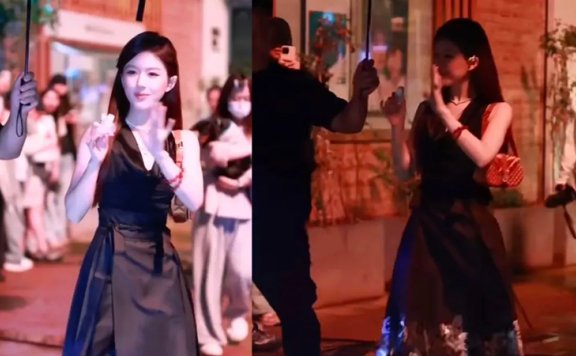
Can Hanfu Break Free from Tradition in Love's Freedom?
In the television drama Love's Freedom (许我耀眼), the character Xu Yan (许妍), portrayed by popular actress Zhao Lusi (赵露思), embarks on a challenging entrepreneurial venture: modernizing traditional Chinese clothing. Her struggle mirrors a real-world debate simmering across the country. As Hanfu and other ethnic styles gain visibility, a critical question emerges: what kind of innovation truly honors these garments while making them relevant for today? The series does not offer easy answers, but it successfully frames a vital conversation about cultural identity in a fast-moving world. It moves beyond simple nostalgia, probing how historical attire can find a genuine place in contemporary closets, not just in photo studios or ceremonial events. The journey is far from straightforward. Love's Freedom illustrates the delicate balance required when tweaking centuries-old designs. Some purists argue that any alteration dilutes cultural authenticity, while others believe that without adaptation, these beautiful garments risk becoming mere costumes. Xu Yan's fictional endeavor highlights a practical reality: for clothing to be worn, it must be livable. It must accommodate the pace of modern life, from commuting on public transport to working in an office. The show suggests that the future of ethnic fashion lies not in perfect museum-quality replication,… -
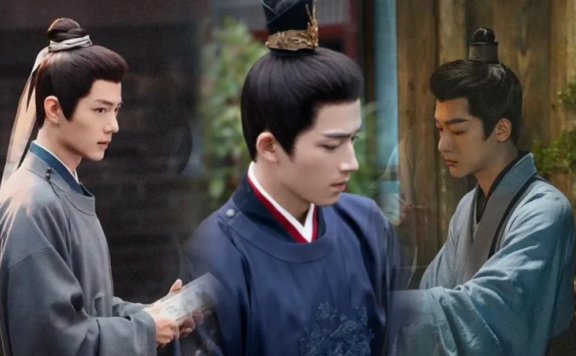
Are Male Hairstyles in Historical Dramas Really So Lackluster?
Have you ever switched between different historical Chinese dramas and felt a sense of déjà vu when it comes to the male characters' hairstyles? It seems as if the same look is recycled from one show to another, leaving viewers wondering if creativity has run dry. While female characters often showcase a variety of elaborate hairdos, their male counterparts appear stuck in a rut. But is this really the case, or are we missing the bigger picture? This article delves into the elements that define male hairstyles in period productions, examining why certain styles dominate and how accessories and demeanor play crucial roles in shaping these iconic looks. By exploring historical influences and modern adaptations, we can uncover the reasons behind this perceived lack of diversity and what it takes to bring authenticity to the screen. Core Styles At the heart of male hairstyles in historical dramas lies the Shufa (束发), a tied-up style that has become the go-to choice for many productions. This look, where hair is pulled back and secured, often features variations in height and tightness—some versions puff up dramatically, while others lie flat against the scalp. Its prevalence stems from cultural roots in the Qin and… -
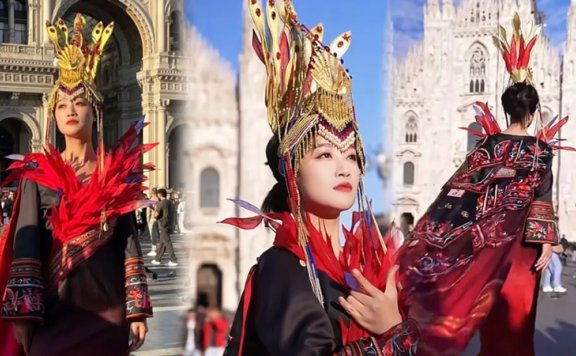
A Chinese Star's Milan Outfit Says About an Ancient Phoenix Legend
When actress Lan Yingying (蓝盈莹), widely recognized for her role as Huanbi (浣碧) in the television series Empresses in the Palace (甄嬛传), walked onto the runway at Milan Fashion Week, she did more than just model clothing. She carried an entire cultural narrative on her shoulders, quite literally. Her headpiece, an intricate and striking silver crown, immediately captured global attention, prompting both admiration and curiosity. This was not a conventional fashion accessory but a modern interpretation of a traditional Shezu (畲族) ceremonial crown, deeply rooted in the belief that the She people are descendants of the phoenix. Her appearance became a powerful statement, moving Chinese cultural heritage from the pages of local chronicles like the Jingning County Records (景宁县志) to the flashbulbs of an international stage. The Phoenix Crown The centerpiece of the outfit was the magnificent Fengguan (凤冠), or Phoenix Crown. This is not merely an item of decoration but the soul of the traditional Fenghuang Zhuang (凤凰装), or Phoenix Attire. For women of the She ethnic group, this crown represents one of the most significant pieces of regalia they will ever wear, typically reserved for two pivotal moments in life: their wedding day and their final passing. Its… -
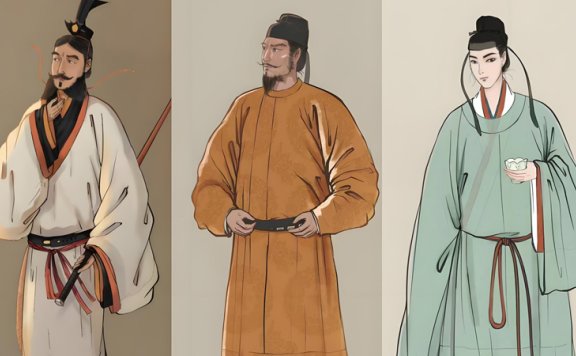
An Insight into the Clothing of China's Dynasties
Clothing in ancient China evolved from simple animal hides to intricate silk robes, reflecting social changes and technological advances. Early artifacts like bone needles and woven fragments reveal a long journey of innovation. This narrative spans millennia, showing how attire expressed identity, status, and cultural values across dynasties. Early Beginnings In the Paleolithic era, people used bone needles to stitch animal skins for basic garments. Ornaments made from stone and shells suggest early aesthetic expression. These finds at sites like Zhoukoudian (周口店) highlight humanity's innate drive to create and adorn. The Yangshao Culture (仰韶文化) left evidence of plain-woven fabrics and silk remnants. Advanced spinning and dyeing techniques emerged, producing complex textiles earlier than previously thought. This period laid groundwork for future silk mastery. During the Liangzhu Culture (良渚文化), tools like ceramic and jade spinning wheels improved weaving efficiency. Waist looms allowed finer cloth production, marking progress from primal coverings to structured apparel. Shang Dynasty (商朝) Attire in the Shang dynasty displayed clear social hierarchies. Elites wore rolled-headgear and narrow-sleeved robes with decorative aprons. Their outfits combined practicality with symbols of authority. Middle-ranking nobles sported high caps and sashes, while lower-status individuals used simpler designs with patterned accents. Each class had… -
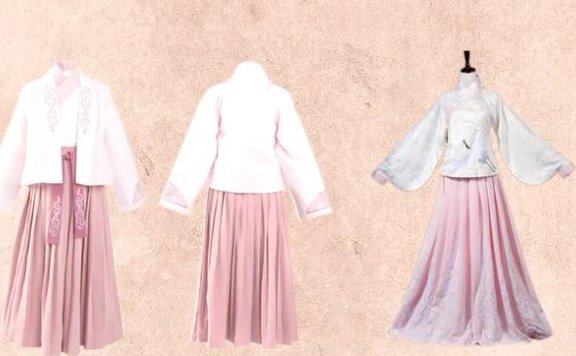
Illustrated Ancient Clothing: Learn Hanfu’s Basic Features and Forms
Hanfu represents the enduring attire system of the Han ethnic group, reflecting centuries of cultural practices and aesthetic values. This clothing is defined by precise elements like the right-crossing collar, broad sleeves, and hidden ties, distinguishing it from modern interpretations. It serves as a functional record of China's historical identity, blending philosophy with daily wear. Early forms such as the Shenyi (深衣) from the Pre-Qin era laid the foundation, emphasizing unity in design. The Han period featured the Quju (曲裾) for formal events, while the Tang dynasty's Qixiong Ruqun (齐胸襦裙) expressed vibrancy and freedom. Song styles like the Beizi (褙子) favored understated elegance, and Ming innovations such as the Mamian Qun (马面裙) and Liling Aozi (立领袄子) highlighted technical mastery. Each shift mirrored societal values, creating a rich visual legacy. https://youtu.be/O8j8zk_WsBo 1. The basic characteristics of Hanfu Hanfu represents the traditional dress of the Han Chinese people, with a history that stretches back millennia. Its design principles are deeply rooted in cultural practices and aesthetic ideals, offering a unique perspective on garment construction. This clothing style emphasizes fluidity and grace, moving beyond mere fashion to embody a way of life. Each element of Hanfu serves a purpose, blending form and function… -
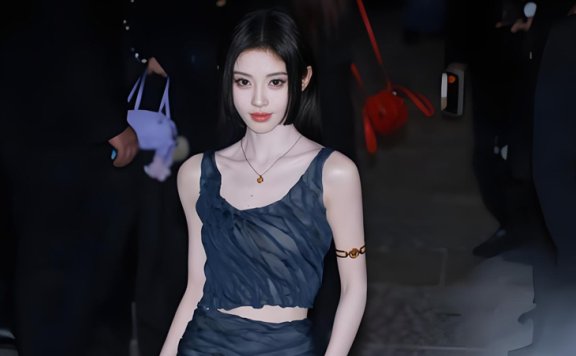
Did Ju Jingyi's Milan Style Rebellion Shapes Her Entire Career?
When Ju Jingyi (鞠婧祎) arrived at Milan Fashion Week, she didn't just bring new outfits; she brought a new persona. Her appearance became a talking point, shifting the conversation from what she wore to who she is becoming, signaling a potential watershed moment for artists of her generation navigating the pressures of fame. The visual departure was stark. Gone were the soft, approachable elements that defined her earlier career. In their place emerged a sharper, more defined silhouette that commanded attention through its cool elegance rather than warm familiarity. This shift felt intentional, a calculated move to dismantle the "nation's sweetheart" image that had long defined her. It posed a compelling question to her peers and audience alike: is the most powerful form of beauty the one that constantly evolves, even if it means shedding a previously successful identity? The Visual Shift Her style strategy was a masterclass in contrast. A delicate pink slip dress, a remnant of her former aesthetic, was shrouded by a severe, long black coat. Her posture was different—confident, almost defiant, with a hand tucked into a pocket. A metallic choker around her neck caught the light, its cold gleam a world away from the warm… -
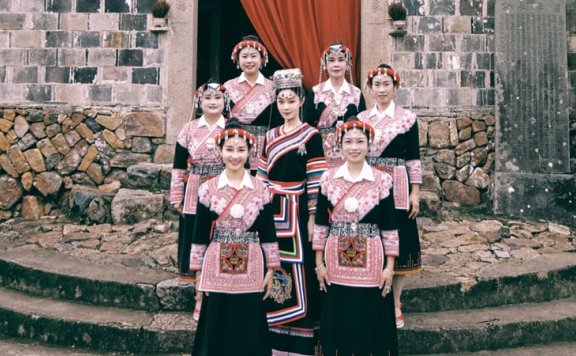
Discovering the She Ethnic Group Through Fujian's Highlands!
In the lush landscapes of Fujian, a vibrant cultural wave is capturing hearts and headlines. The She (畲) people, an ethnic group with a rich history of migration and resilience, are stepping into the spotlight. Recently, a feature in China National Tourism (中国国家旅游) magazine, accompanied by actress Song Yi (宋轶) adorned in traditional She attire, has ignited widespread fascination. She, known for her roles in historical dramas, immersed herself in the She community, donning the iconic Phoenix Dress and sharing the experience with millions online. This isn't just a fashion moment; it's a gateway into a world where ancient traditions thrive amid modern times. The She, who call themselves "Shanha" (山哈) meaning "guests of the mountains," have carved out a unique identity through centuries of adaptation. Their story unfolds in remote villages nestled among Fujian's rolling hills, where every aspect of life, from architecture to cuisine, reflects a deep connection to nature and heritage. As interest grows, people are drawn not only to the visual splendor but to the profound human stories behind the culture. Phoenix Attire The Phoenix Dress is more than clothing; it's a wearable symbol of She identity. Inspired by reverence for the phoenix totem, this ensemble… -
Li Nan's Dark Game and Human Fable in The Journey of Legend
Two men fall through time. One seeks redemption, the other, power. The hit series The Journey of Legend (赴山海) has captivated audiences not with special effects, but with a simple, terrifying question: if you were transported to a world with no rules, who would you become? The answer unfolds in the bitter rivalry between Xiao Qiushui (萧秋水) and Li Nan (李楠), two brothers from the modern world thrust into the heart of an ancient Jianghu. Their story, sparked by a lab accident involving a spilled cup of water and a laptop, is more than a fantasy. It is a stark examination of the human soul, revealing that the clothes of a new era cannot disguise the person who wears them. The Unraveling Past The mystery of their arrival is solved, but a greater one emerges. As Xiao Qiushui's shattered memories reform, he sees a devastating truth. His modern-day mentor, Li Nan, was caught selling state secrets. Their struggle over the incriminating laptop triggered the event that sent them tumbling through centuries. Now in this ancient land, the same pattern of betrayal repeats. Xiao's parents are dead, and the only clue is the word "reset" clutched in their hands. The killer,… -
Li Shenzhou’s Iron Tenderness in The Journey of Legend
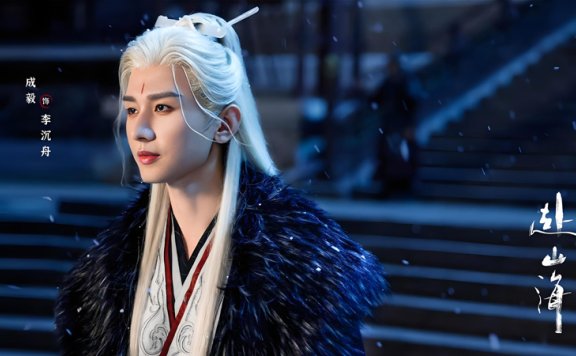
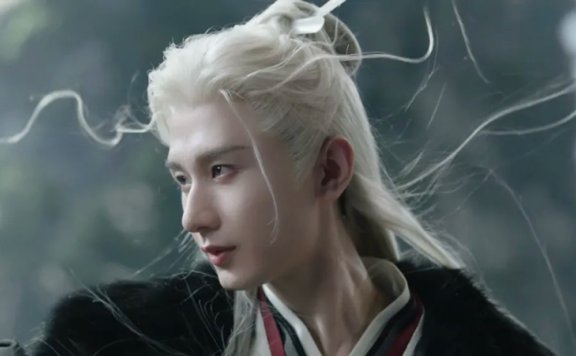
In the vast landscape of Wuxia tales, few characters strike a balance between unyielding strength and profound tenderness as vividly as Li Shenzhou from the drama The Journey of Legend. His story unfolds in a realm where martial prowess often overshadows humanity, yet he emerges as a figure who defies simple labels. From the moment he steps onto the scene at the Emei Golden Summit (峨眉金顶), Li Shenzhou (李沉舟) commands attention not just as a leader of the Power Sect, but as a man grappling with the weight of duty and personal desires. This narrative delves into the layers of his existence, exploring how one individual can embody both the iron will needed to protect a nation and the softness reserved for those he holds dear. As viewers follow his journey, they are drawn into a world where every action carries meaning, and where the boundaries between right and wrong blur in the face of greater ideals. The Leader's Might When Li Shenzhou first appears, his presence alone silences the chaotic crowd of martial artists at the Emei Golden Summit. As the head of the Power Sect, he wields authority that few dare to challenge, using techniques like the Thousand… -
Why Fate Chooses You Is the Most Anticipated Xianxia Drama of 2025?
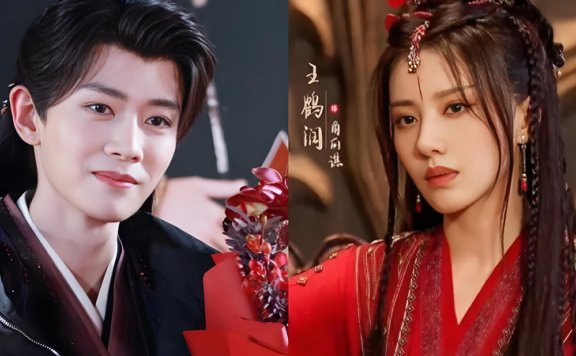
In the ever-expanding universe of digital entertainment, a new spectacle is poised to enchant audiences with its unique blend of fantasy and romance. Fate Chooses You (佳偶天成), an exclusive iQiyi production, has already captivated over two million viewers through pre-release registrations, marking an unprecedented surge in popularity for the Xianxia genre. This series, slated for an October 2025 debut, transports viewers to an intricately crafted ancient realm where the boundaries between mortals, deities, and mystical clans blur. At its heart lies a narrative that intertwines personal curses with grand conspiracies, following two unlikely heroes bound by fate. Their journey, which spans from imperial capitals to enigmatic valleys and distant western lands, promises not only visual splendor but a deep exploration of resilience and love. As anticipation builds, this drama stands out for its fresh take on classic tropes, offering a compelling reason for fantasy enthusiasts to mark their calendars. Cursed Origins Lu Qianqiao (陆千乔), a warrior from the Zhan Gui Zu (战鬼族), carries the weight of a generations-old affliction known as the "Five Imperfections." This curse grants him immense physical strength but exacts a heavy toll, shrouding his life in isolation and unspoken hardships. His path crosses with Xin Mei… -
Were There Patchwork Clothes in the Tang Dynasty?
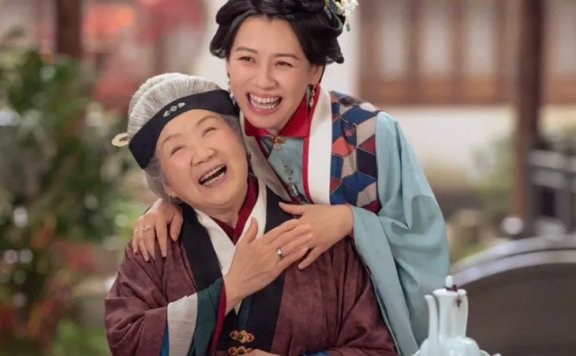
Did ancient Chinese fashionistas wear patchwork? The answer might surprise you. Long before sustainable fashion became a modern buzzword, a remarkable garment was turning heads in the dynasties of old. This was not merely clothing, but a canvas where artistry met resourcefulness, creating a style so enduring that its echo can be seen on runways today. The story of this attire weaves together threads of Buddhist humility, parental love, and the irrepressible human desire for aesthetic expression, forming a rich tapestry of cultural history that challenges our perceptions of vintage fashion. More Than Fabric The Shuitian Yi (水田衣), or "water field garment," earned its name from a charming visual metaphor. Its composition of irregular, multi-colored fabric patches was said to resemble the fragmented layout of a rice paddy. While its popularity peaked later, evidence of such patchwork clothing exists from the Tang Dynasty, mentioned in the poetry of Wang Wei. This style is a close relative of the monastic Baina Yi (百衲衣), or "hundred-patch robe," worn by Buddhist monks. These robes were constructed from scraps of cloth gathered through alms, serving as a physical manifestation of ascetic principles—practicing frugality while transcending material attachment. A parallel tradition existed for children, known… -
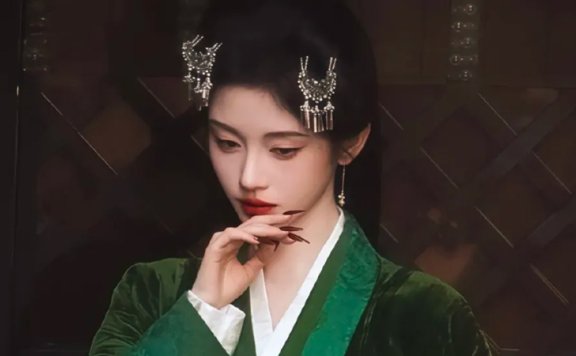
Are the Side-Hair Tassel Ornaments of Ju Jingyi Real?
In the visually rich world of Chinese historical dramas, certain aesthetic elements capture the audience's imagination, prompting questions about their origins and authenticity. One such detail is the delicate hair ornament draped from the temples, often seen adorning characters in series like those featuring actress Ju Jingyi (鞠婧祎). These accessories, with their flowing pendants, serve not only as decorative highlights but also as functional pieces designed to enhance facial structure and hairstyle volume. This adornment, known historically as Yan Bin (掩鬓), which translates to "covering the temples," has a deep-rooted evolution in Chinese fashion history. Its journey from ancient rituals to modern screens illustrates how traditional elements are reinterpreted, blending historical accuracy with contemporary style to create that iconic look viewers admire today. Han Origins During the Han Dynasty, the precursor to Yan Bin emerged in the form of Bu Yao (步摇), a term meaning "step shake" that described hairpins with dangling beads or pearls that swayed with movement. These were not merely decorative; they symbolized elegance and status, often depicted in artifacts like the Mawangdui (马王堆) silk paintings. For instance, noblewomen would wear them on both sides of their head, adding a dynamic, graceful touch to their appearance as… -
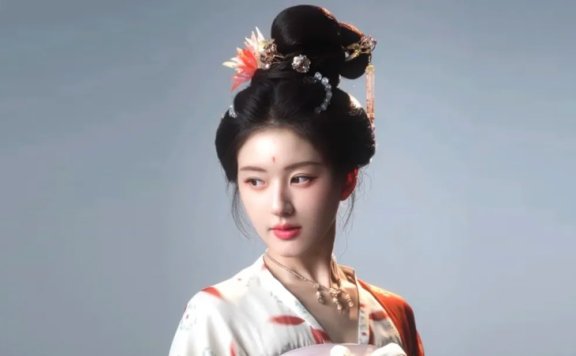
Why Didn’t Ancient Women’s Hair Buns Fall Out?
How did women in ancient China keep their elaborate hairstyles perfectly intact without modern hairspray or bobby pins? While watching historical dramas, many viewers find themselves marveling at the towering, intricate hairdos, wondering about the secrets behind their remarkable stability. These architectural marvels of hair, often adorned with glittering accessories, seem to defy gravity through palace intrigues and martial arts battles alike. The answer lies not in magical solutions but in three ingenious tools that formed the cornerstone of traditional hairstyling: natural hair fixative, supplemental hairpieces, and strategic hairpins. These elements combined to create styles that were both beautiful and durable, allowing ancient Chinese women to express their identity and status through their hair. Nature's Hair Gel The primary solution for hair fixation came from an unexpected source: trees. Paohua Shui (刨花水), literally meaning "wood shaving water," served as the ancient equivalent of hair gel. This natural styling product was created by shaving specific types of wood into paper-thin, wavy curls, then steeping them in warm water. The most prized material came from the Yu (榆) tree, known for its high viscosity that provided superior holding power. After hours of soaking, the wood would release its natural gums into the… -
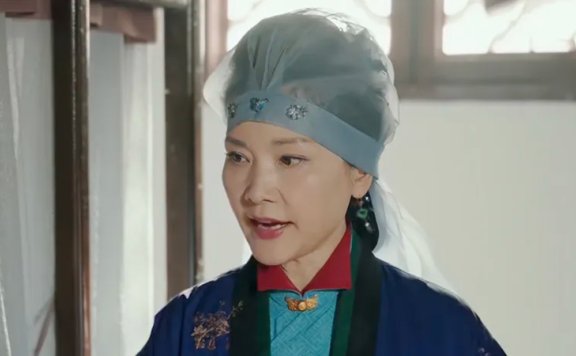
Why Does He Saifei’s Scarf Look Odd in Hilarious Family 2?
In the recent Chinese period drama Hilarious Family 2 (芬芳喜事), veteran actress He Saifei (何赛飞) sported a headpiece that left many viewers scratching their heads. This accessory, known as Fu Jin (幅巾), is a rectangular cloth worn over the forehead with the rest draping down the back. While it might seem unfamiliar to modern audiences, this item has deep roots in Chinese history, particularly during the Ming Dynasty. Its appearance in the drama, alongside performances by stars like Lamu Yangzi (辣目洋子), has sparked conversations about its origins and why it is so rarely seen in domestic productions. Fu Jin started as a male accessory but evolved into a unisex fashion statement, reflecting broader cultural shifts. Understanding this piece requires delving into its past, its practical uses, and the reasons behind its scarcity in today's cinematic portrayals. Fu Jin's History The earliest records of Fu Jin date back to the Eastern Han Dynasty, where it was mentioned in historical texts like the Under the Moonlight (锦囊妙录). Scholars and nobles adopted it as a symbol of simplicity and elegance, often choosing it over formal headwear for casual settings. By the Song and Ming eras, it had become a staple among the literati,… -
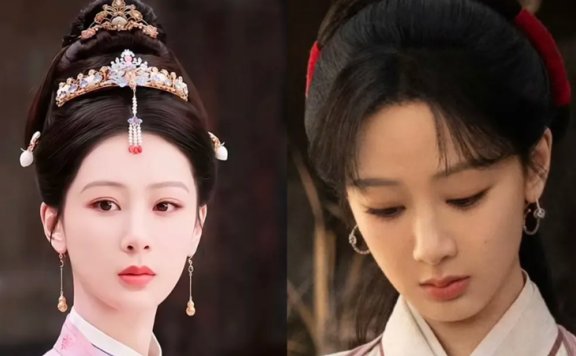
Yang Zi's Earrings in Family Business Questioned for Being too Modern?
Did a modern pair of earrings just appear in a historical Chinese drama? This was the burning question on social media after viewers spotted the accessories worn by Yang Zi (杨紫) in the new series Family Business (家业). Her character, Li Zhen (李祯), is depicted in a narrative inspired by the Ming Dynasty, yet the intricate hoop earrings she wore seemed strikingly contemporary to the modern eye. This sparked a fascinating debate, leading to a surprising discovery about ancient Chinese fashion. The conversation revealed that our assumptions about historical adornment are often limited, and that the craftsmanship of the past was far more advanced and varied than we typically imagine. Ear Studs The smallest and most common type of ear jewelry in the Ming Dynasty was theDingxiang (丁香). This style closely resembles what we now call an ear stud. Typically crafted from gold or silver, a Dingxiang consisted of a small decorative front piece, often a gem or metalwork, attached to a thin wire that passed through the earlobe. Its design philosophy championed minimalism and subtlety, making it an everyday accessory for women of the time. Its popular nickname, "bean sprout nail," vividly captures its delicate and understated form. Historical… -
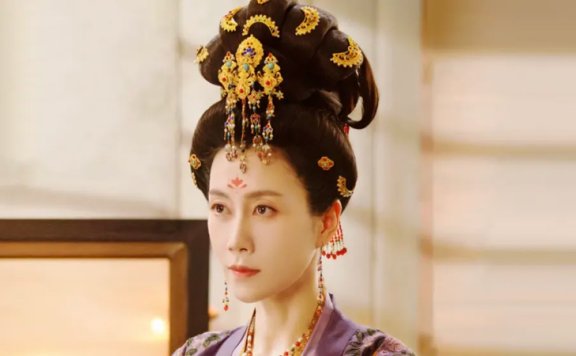
What Is Croissant on Her Head?
When actress Wen Zhengrong (温峥嵘) appeared in the television series Love's Freedom (许我耀眼), audiences immediately noticed something unusual about her character's appearance. Portraying the mother-in-law to the protagonist played by Zhao Lusi (赵露思), she sported an intricate hairstyle that sparked widespread curiosity online. Viewers quickly compared the towering, layered bun to a freshly baked croissant, flooding social media with questions about its origins and meaning. The style is not a modern stylist's invention but a deliberate revival of a specific aesthetic from China's past. Its presence in today's media highlights a continuing fascination with the Tang Dynasty and its bold approach to personal adornment, serving as a starting point for exploring how ancient beauty standards resonate in the present day. Historical Roots The distinctive hairstyle worn by Wen Zhengrong finds its direct inspiration in a specific type of coiffure popular during the Tang Dynasty, particularly from the mid to late period into the Five Dynasties era. Known as Congji (丛髻), which translates roughly to "thicket bun" or "cluster bun," this style was characterized by multiple small coiled buns, or Huanji (鬟髻), piled atop one another to create a voluminous, textured effect. It was not merely a single uniform look but…