In the heart of Chinese cultural heritage, Tang Brocade stands as a luminous symbol of silk artistry from the Tang Dynasty era. This exquisite fabric, woven with meticulous care, once adorned the nobility and now finds new life in contemporary fashion like the Qipao. Its rich patterns and opulent textures reflect a timeless pursuit of beauty, bridging centuries of craftsmanship. As we delve into its story, we uncover not just a textile, but a narrative woven with threads of history and innovation.
Roots in Royalty
Tang Brocade emerged during China's Tang Dynasty, flourishing as a hallmark of aristocratic life. Crafted primarily from silk threads, it incorporated gold and silver accents to signify wealth and status. Nobles favored it for ceremonial robes and palace decor, using its radiant sheen to display power. For instance, in royal courts, this fabric became synonymous with prestige, worn during grand events to command respect and admiration. Its rarity stemmed from labor-intensive methods, ensuring only the elite could afford such luxuries.
Over time, Tang Brocade evolved beyond mere adornment, embodying cultural identity. Artisans drew inspiration from nature, infusing designs with symbolic motifs like birds and flowers to convey harmony. This artistic expression resonated deeply, making the fabric a cherished heirloom passed through generations. However, as dynasties shifted, traditional skills faced decline, threatening this legacy. Yet, museums worldwide now safeguard surviving pieces, preserving them as windows into imperial splendor.
The fabric's journey mirrors China's historical tides, adapting yet retaining its essence. Initially confined to palaces, it gradually influenced broader textile arts, setting standards for silk production. Despite modernization pressures, Tang Brocade's allure persists, celebrated for its role in shaping aesthetic ideals across eras. Its endurance highlights human ingenuity in sustaining beauty against time's erosion.
Art of Weaving
Creating Tang Brocade involves a painstaking process that begins with selecting premium silk threads. Artisans dye these fibers in vibrant hues, achieving a palette that ranges from subtle earth tones to brilliant jewel shades. This preparatory stage demands precision, as color consistency sets the foundation for intricate patterns. For example, master weavers often use natural dyes derived from plants, ensuring eco-friendly richness that enhances the fabric's visual depth.
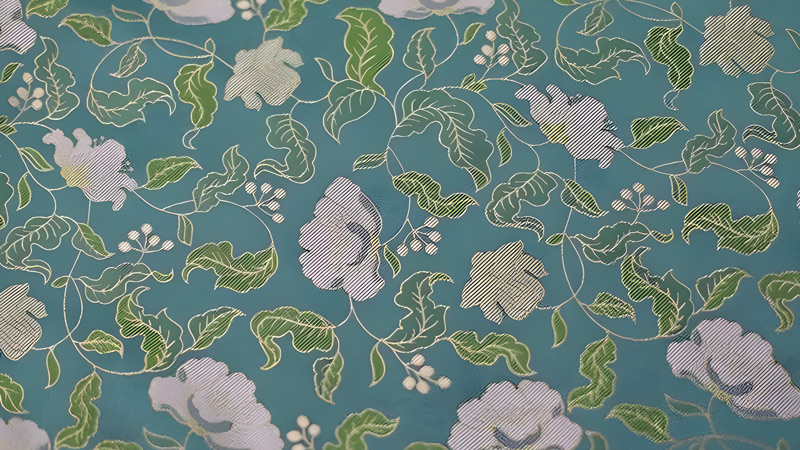
Weaving itself employs the "Wei Jin" (纬锦) technique, where threads interlace to form raised, decorative designs. Unlike simpler methods, this approach allows complex imagery, such as floral scenes or mythical creatures, to emerge without printing. Each pass of the loom requires deft hands, with patterns evolving through careful tension control. The result is a textured surface that catches light differently, creating a dynamic, almost three-dimensional effect.
Patterns in Tang Brocade draw heavily from nature, featuring blossoms, cranes, or landscapes that symbolize prosperity and peace. These motifs are not random; every curve and line undergoes refinement to achieve balance and grace. Gold or silver threads often accent key elements, adding a regal shimmer that elevates the overall composition. Such details transform the fabric into a canvas where artistry meets functionality.
This craftsmanship extends to finishing touches, like ironing and cutting, which enhance durability and drape. Despite its complexity, the process remains deeply human, relying on generations of skill rather than machines. It's a testament to patience, where weeks of labor yield a single masterpiece that whispers stories of the past.
Contemporary Charm
In modern times, Tang Brocade experiences a vibrant revival through fashion innovations. Brands like integrate it into Qipao designs, blending tradition with contemporary flair. Their pieces showcase the fabric's versatility, proving it can thrive beyond historical confines.
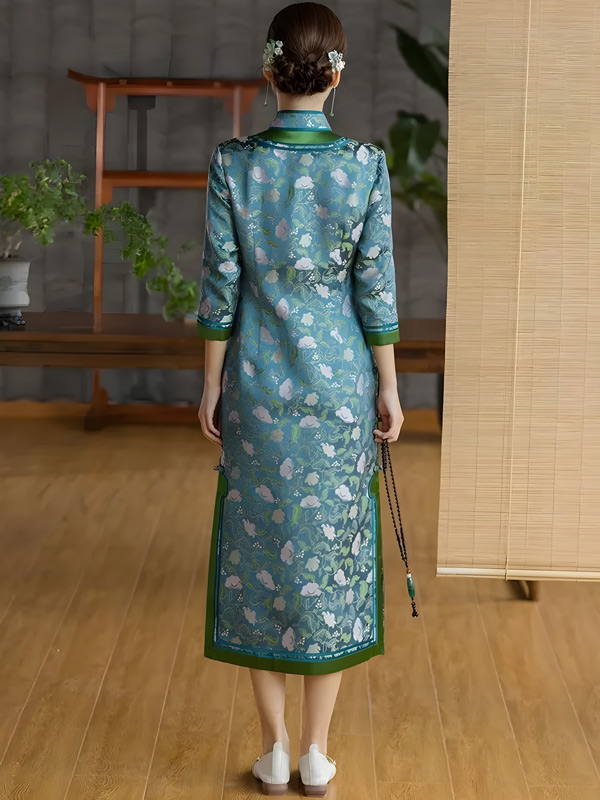
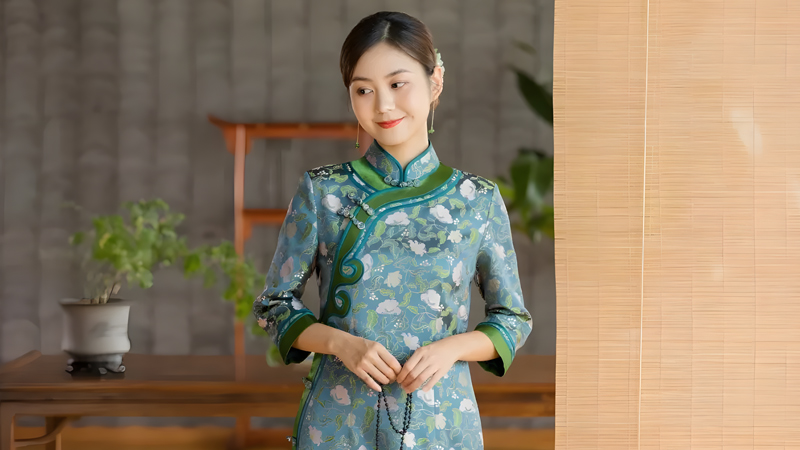
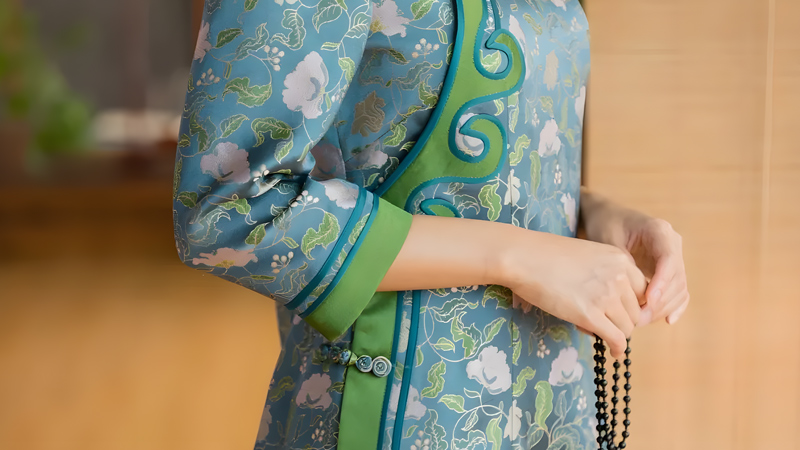
One standout example is the heavy silk Qipao, crafted with Tang Brocade that boasts a lush green floral motif. Details include wide military-green borders along the collar and slits, emblems symbolizing good fortune. These elements are hand-stitched, ensuring seamless elegance that flatters the silhouette. The fabric's weight and sheen create a dignified presence, making it ideal for formal occasions where grace commands attention.
Wearing such a piece feels like a dialogue with history, empowering individuals with confidence and cultural pride. It stands as a statement piece, whether seated or standing, radiating quiet authority. This modern adaptation not only preserves Tang Brocade's legacy but also redefines it for global audiences, proving that ancient artistry can inspire today's world without losing its soul.