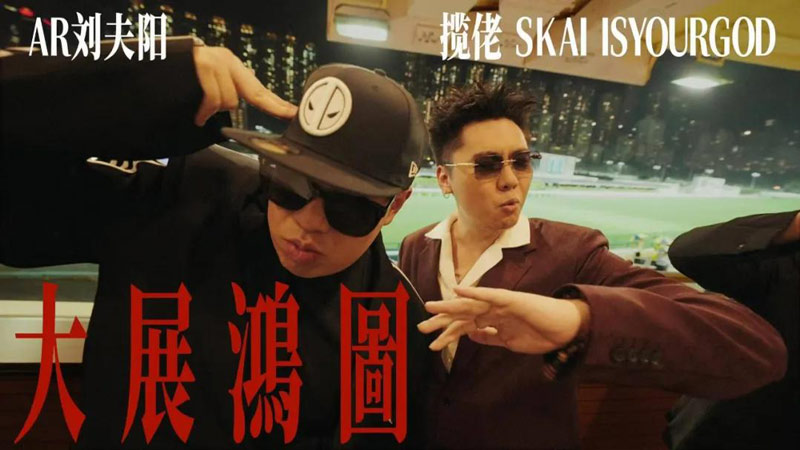
Blueprint Supreme–a Chinese rap MV exploded online with phenomenal speed. Dance covers flooded platforms globally and domestically. Whether they understood SKAI ISYOURGOD's rhythmic, heavily accented Cantonese-inflected Mandarin or not, people dove in with incredible enthusiasm.
What explains this massive buzz?
First listen: "Singing karaoke in my mansion, Silver Arowana swimmin’ in da pool." You might be stunned by SKAI ISYOURGOD's thick Guangdong accent, but his "Lan-style Memphis" rhythm quickly hooks you.
Following the 2024 wave kicked off by Stacks from All Sides·Karma Code , director Sydney and SKAI ISYOURGOD's "Blueprint Supreme" MV used a string of uniquely Hong Kong visuals to tap into another dimension of public interest.
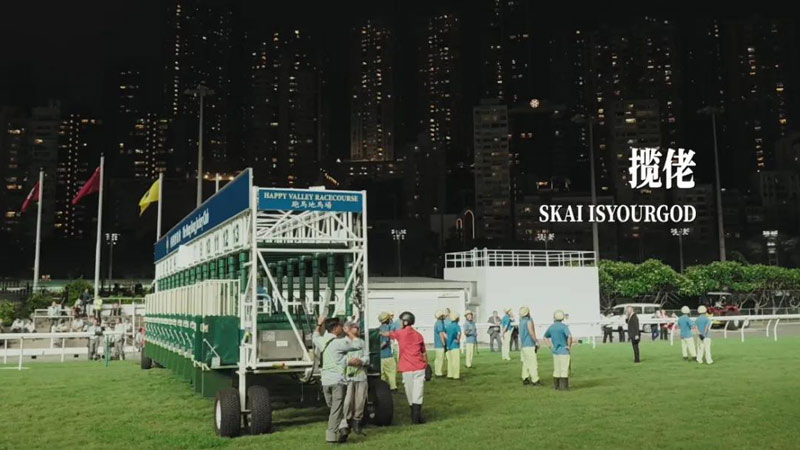
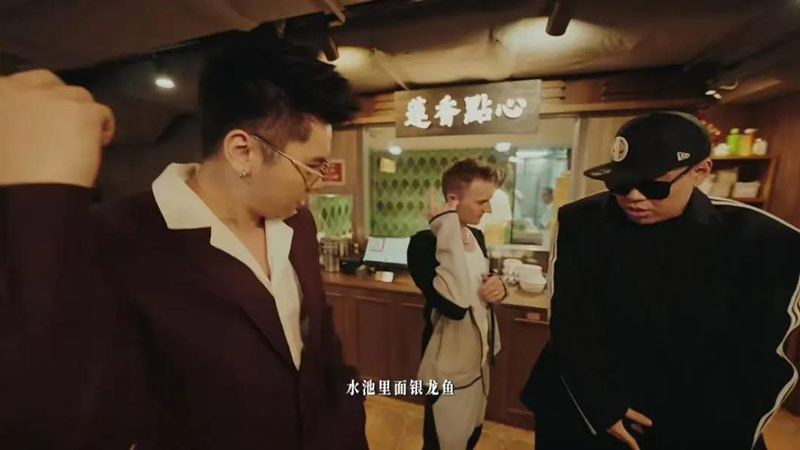
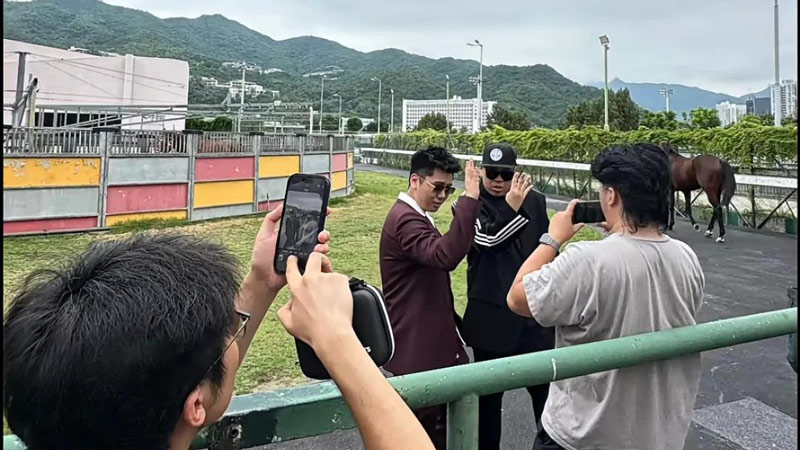
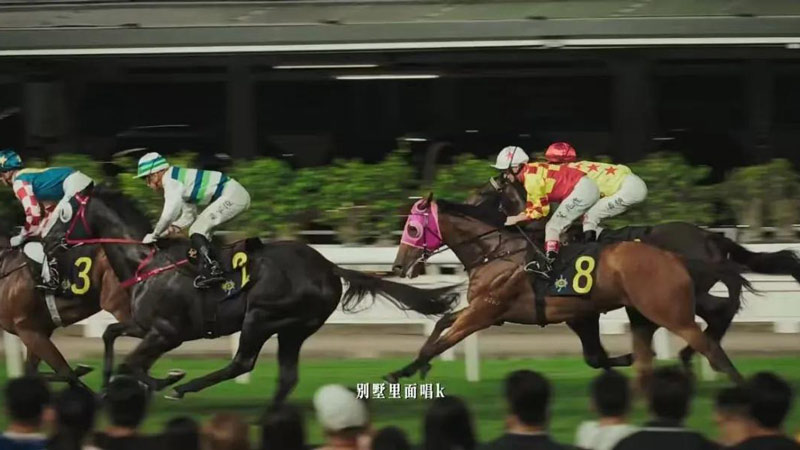
Chestnut racehorses streak down the track at the Hong Kong Jockey Club. Wide-angle shots inside Lin Heung Tea House reveal another kind of calculated hustle. The camera cuts rapidly between the grandstand, stables, and galloping jockeys, planting a seed of sudden, visceral understanding in the viewer.
Reviews on international and Chinese music platforms span a huge range. From dissecting its layers to lingering on the emotional aftertaste, the song's distinct "Cantopop Mandarin" delivery let it break regional boundaries while keeping its Guangdong roots. Listeners found their own meanings: some felt its freewheeling spirit, others dreamt of Hong Kong's undying glamour, some marvelled at its rhymes and visuals... This collective energy thrust "Blueprint Supreme," and Chinese rap itself, onto the world stage.
 Cantonese Inspiration Behind Galloping Horses
 Cantonese Inspiration Behind Galloping Horses
Many creators wrestle with finding "inspiration." A good spark might lead to a melody, a viral visual poem, or even a surging fashion wave.
For director Sydney, making an MV isn't about sticking to one style. These crucial "inspirational elements" are also key to sparking creative synergy with different musicians.
Back to "Blueprint Supreme": This viral hit, amplified by countless shares and covers, became a fusion concept–melody, visuals, movement, culture. Focusing on the Sydney-SKAI ISYOURGOD collab: two distinct, emerging talents. They wove the Hong Kong Jockey Club and the vibrant Lin Heung Tea House together with Memphis-style visuals—simple, witty, iconic. Pull back the curtain, and a new legend unfolds.
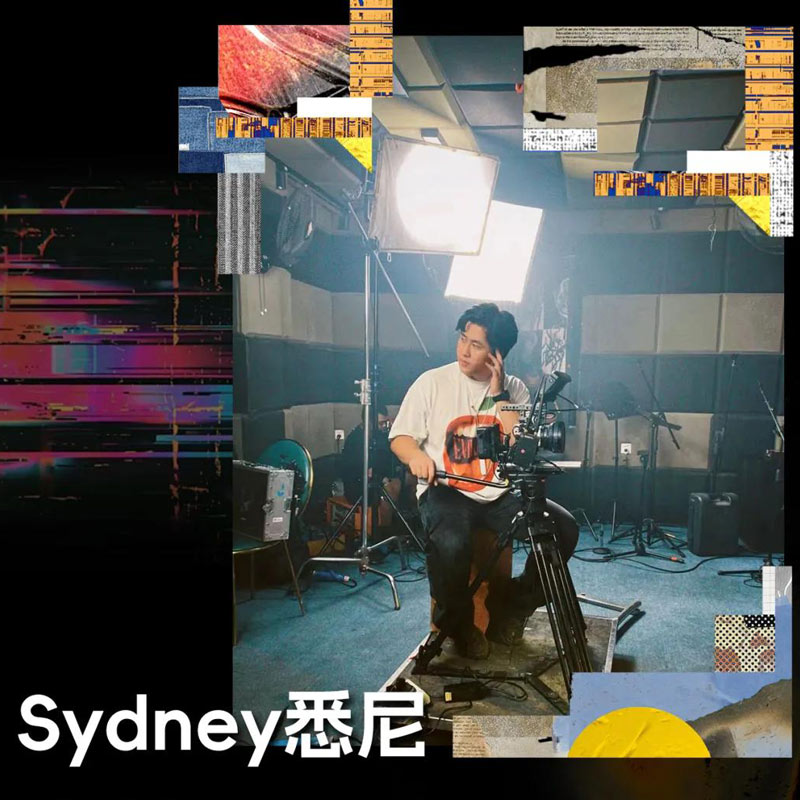
Q: What was your core idea and creative approach filming the "Blueprint Supreme" MV?
A: For me, it starts with listening to the artist. An MV blends the musician's vision and the director's vision. SKAI ISYOURGOD gave us suggestions and direction. We chose locations based on that, talked it through, built the MV together. That's how you get something that clicks for both sides.
Q: What sparked the idea to sample "The Princess' Flower" (帝女花, Di Nü Hua)?
A: "The Princess' Flower" is a famous Cantonese opera piece. Pretty much every kid in Guangdong knows it. SKAI ISYOURGOD sampled a snippet for "Blueprint Supreme," weaving it into the track.
The goal was blending genuine Guangdong culture into modern music, showcasing that cultural identity. That was probably the core creative drive. In the MV, we visualized the story and context behind that sample.
Q: What was the toughest challenge during filming?
A: The biggest hurdle was improvisation. We shot in public spaces–Jockey Club boxes, private stables. We couldn't set up professional lights or camera rigs. No time for location scouts to understand the layout. A lot of the shots happened spontaneously. How to film the horses? All of it relied on hard-won experience from tons of shoots to capture those fleeting moments.
Honestly, it's high pressure for a filmmaker. You can't guarantee perfect lighting or camera movement for every shot. Improv was the major challenge, and my constant focus: how to create compelling visuals under extreme constraints.
Q: Did you anticipate this level of global and domestic buzz for the work?
A: Neither SKAI ISYOURGOD nor I expected it. After the song took off, the hype was huge. We see tons of fan covers and dance challenges online. For the video team, our main goal was translating the artist's original vision into visuals—like the history and cultural roots behind the song. I wanted to share my understanding of it and let more people grasp what "Blueprint Supreme" truly carries.
Timing and setting matter. Whether the song or MV came first didn't change much. We felt that sharing our culture while the spotlight's on us makes people more open to it—they're just more receptive right now.
Q: In "Stacks from All Sides·Karma Code," you used lots of metaphors and experimental shots. How did you collaborate with the artist on that?
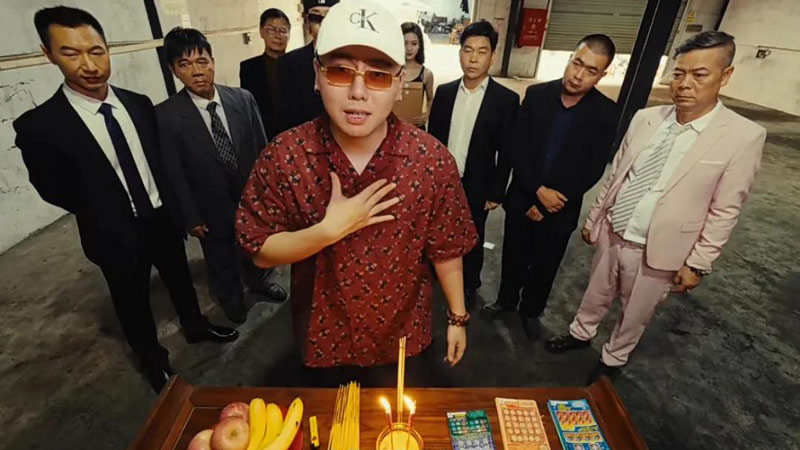
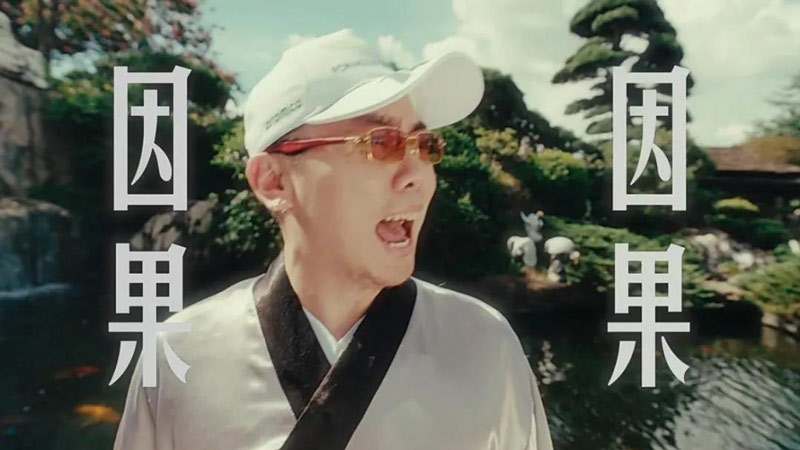
A: SKAI ISYOURGOD gave us a super abstract idea: he wanted a wildly imaginative story. That MV actually packed two songs. The second track sampled the Journey to the West theme, so we wove classic aesthetics from the tale into this surreal narrative. Crucially, it wasn't just "Stacks from All Sides·Karma Code"—it also included "Yin Guo" (Karma). We tied the whole story together with a karmic loop, adding a little plot twist. I wanted a complete arc—beginning, middle, end.
A bully dreams he's punished in heaven, then wakes up to face karma. I loved seeing netizens interpret it their own way. We told a simple tale, but it let people feel deeper layers. That's the moral weight of karma in Chinese culture, I guess.
Q: What style do you envision for your next project?
A: Personally, I see "Stacks from All Sides·Karma Code" and "Blueprint Supreme" as totally different genres. You could call it SKAI ISYOURGOD's style, but it's not our fixed style.
Our video team doesn't box ourselves in. Every musician brings a unique story, so naturally, we adapt. Staying flexible is key. If you ask about the next project? I'd rather it stay a mystery—surprise me.
I'm open to working with artists of any style. I won't set rigid boundaries. Maybe I'll chat with musicians I admire—not necessarily to collaborate, but to uncover the interesting stories they carry. If we click creatively, we'll make something uniquely theirs. Honestly, we're somewhat of an "execution team." Our mission is tailoring content to fit each artist, then weaving in our own perspective. That blend makes it richer—and way more rewarding for me.
Q: How did you develop the imagery in the "Blueprint Supreme" MV?
A: First, we expanded from "The Princess' Flower." When working with SKAI ISYOURGOD, we broke down key elements: How do we visualize "spreading ambition far and wide"? Almost everyone online assumed the MV should be shot in a villa because of the line "Singing KTV in a villa."
But when we thought of "Blueprint Supreme," the first thing that came to mind was traditional scroll paintings. Someone on SKAI ISYOURGOD's team suggested horses—ambition is often tied to horse imagery in art. So we decided to film at the racecourse. That was our interpretation—unique and intentional. We didn't have to follow expectations; we could own our vision. We drew from history too: the racecourse is near the home of Pak Suet Sin, the legendary star of "The Princess' Flower." That location held deep tribute value.
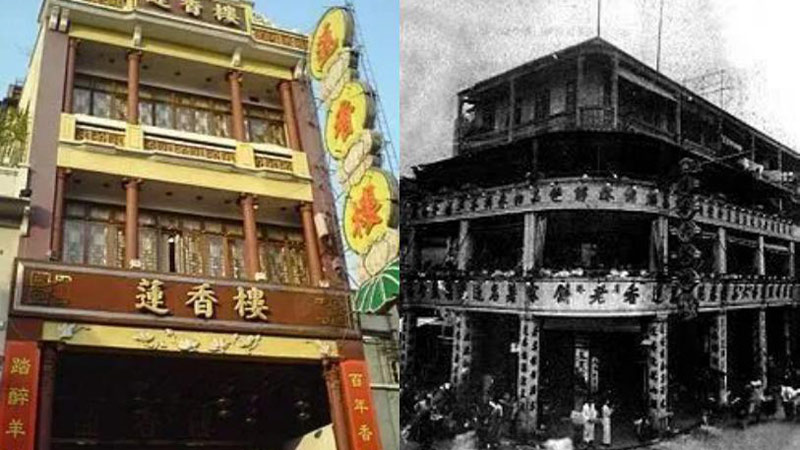
Lin Heung Tea House traces back to 1918, originally "Lin Heung Pastry Shop" in Guangzhou's Xiguan district. We filmed at its century-old branch in Tsim Sha Tsui—a classic piece of living heritage.
The foreigner in the video? That's Zac Purton, a top jockey in Hong Kong. We needed a scene to tie everyone together, so we chose Lin Heung. Restoring Hong Kong's Cantonese yum cha culture felt important, even if some might call it stereotypical. Honestly, the creative spark with SKAI ISYOURGOD was partly luck. He didn't lock down a visual style early on—it was a mutual influence.
The Rise of Guangdong Rap From Local Spark
 The Rise of Guangdong Rap From Local Spark
"Stacks from All Sides·Karma Code" leaned into storytelling vignettes, while "Blueprint Supreme" used scattered, fluid slices of life to capture Guangdong's tycoon swagger. Yet beneath both runs a thread of Cantonese cultural symbols—hidden in the notes, flashing in the protagonist's calm gaze behind sunglasses—quietly broadcasting "Guangdong rap" (even "Chinese rap") to the world.
Around 2017, waves of Chinese musicians broke through on talent and timing, carrying their hometown sounds to bigger stages. But Guangdong—coastal, mountainous, geographically blessed—still felt ripe for its moment, waiting for local artists to ignite a movement. Talent isn't lacking. We see young musicians rising, using catchy hooks and deep cultural roots to push local music onto the global stage as a cultural signature.
Q: What's your take on the Guangdong cultural identity in these songs, and what hopes do you have for it?
A: This one's personal for me. When hip-hop first exploded into the mainstream, TV shows quickly made stars of rappers from across China—but Guangdong talent got overlooked. Maybe other regional styles were trending then. But now, with SKAI ISYOURGOD's breakout tracks defying norms and resonating widely, things feel different.
Q: How did you connect with SKAI ISYOURGOD?
A: I met him through AR Liu Fuyang. AR had launched this project called "Guangdong Stand Up" twice before. He wanted to rally Guangdong musicians and rappers to celebrate our culture and tell our own stories. That spirit runs deep in every Guangdong rapper's heart. SKAI ISYOURGOD's massive success gave us even more confidence to share Guangdong's culture. People are hungry for this kind of content—it's opened a door for us to dive deeper into our roots.
Next up, we're releasing "Dongjiang No. 3" (東江三號, named after a river in Huizhou) with SKAI ISYOURGOD. It'll spotlight local traditions and scenes from Huizhou, reviving those small, nostalgic moments from everyday life there.
Q: Can you elaborate on "Guangdong Stand Up"?
A: The first edition gathered top Guangdong rappers—Tizzy T, Fat B, Soul Han, XU Zhenzhen, Liao Xiaonong, and others—artists with real clout locally and nationally. It became a cultural statement. Pretty much every rapper from the Greater Bay Area dreams of joining "Guangdong Stand Up." Before this, our scene felt overlooked—not enough exposure or attention—so everyone kept talking about it.
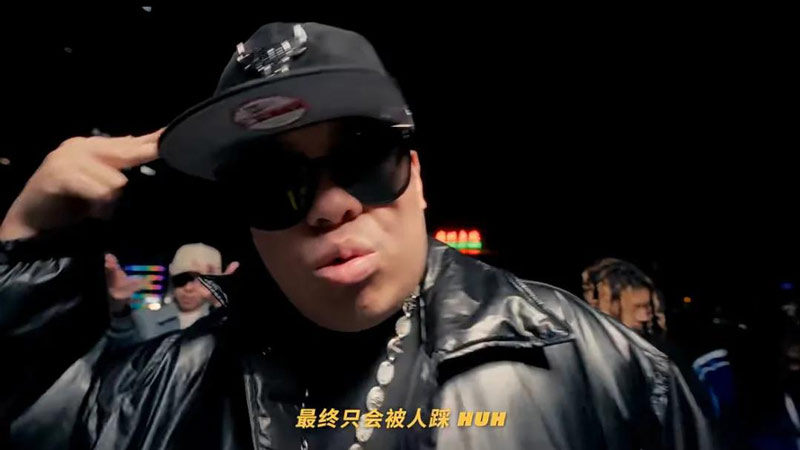
For the second project, I worked with the team to feature fresh voices. AR didn't stop after one or two editions; he kept pushing to show the world Guangdong's strength. I'd even call the MV for "Bei Shang" (北上, Heading North)—the third project—part of "Guangdong Stand Up." That's where I met SKAI ISYOURGOD.
We want more musicians to stand up for Guangdong culture—to unite. We need to bundle our strength to showcase what we have. We're one big Guangdong family. "Guangdong Stand Up" isn't just a slogan; it's a mission of inclusivity. In a country with so many dialects and ethnicities, celebrating Guangdong culture is just the first step. We hope more artists join the movement.
The Self-Cultivation of an MV Director
 The Self-Cultivation of an MV Director
Q: When did you start directing music videos?
A: I studied sports broadcasting in college. I'd often take a camera out to film stuff—I was into street dance back then, so I shot a lot of videos. My seniors and I made cool little projects. That's how I got hooked.
Later, I fell in love with streetwear fashion. After graduating, I skipped TV stations and went straight into fashion visuals. That slowly pulled me into the industry... and into hip-hop circles.
My first real gig was in my second year, filming for Soul Han—a heavyweight in Cantonese rap. The response was solid, so I dove in full-time.
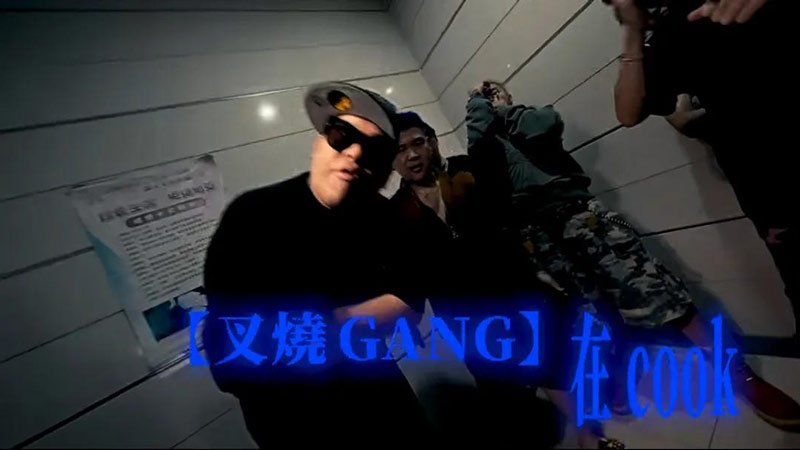
Q: What's the most exciting part of making MVs?
A: For me, it's how much variety they hold. Every artist's sound is different, so each project throws me into a new world. That keeps me curious. I get to unleash my creativity wildly—there's just so much room to play.
Q: Any favorite MV directors?
A: A few stand out. Cole Bennett—his Lyrical Lemonade brand is huge. He started it in high school back in 2011 as a Chicago hip-hop blog. Then he pivoted to videos. His style is unmistakable: explosive colors, bold cuts, playful framing. He's launched so many artists. Think Juice WRLD's "Lucid Dreams" (over 900M views). He built an empire from scratch, filming on basic gear but packing every frame with fresh ideas.
Lately, I'm glued to NewJeans' MVs. Director Shin Woo-seok (for "Ditto," "OMG," "ETA") blends deep storytelling with idol visuals—bold, and it works. He layers in personal, almost hidden metaphors.
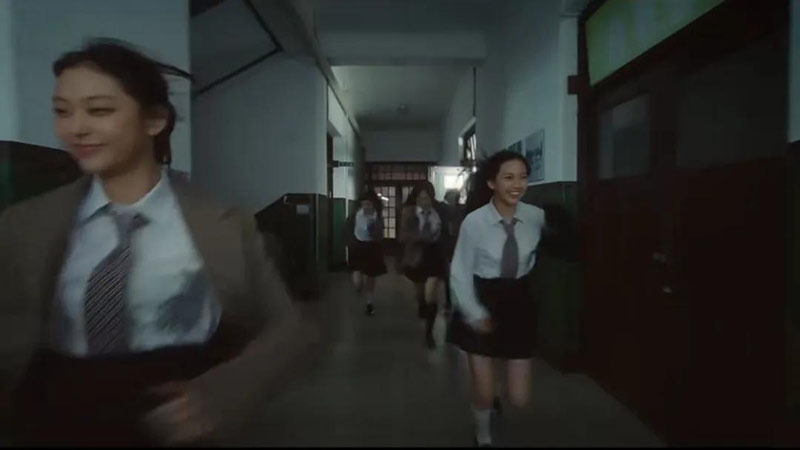
Then there's pgLang—Kendrick Lamar and Dave Free's creative studio. Their directors merge lyrical depth with cinematic craft. Every shot feels intentional, every edit poetic.
For me? Each MV is a reset button. Hip-hop artists, R&B singers—their visions clash, their demands shift. That's the thrill.
Q: Beyond MVs, have you thought of directing other formats? Short films? Ads? Sitcoms?
A: Absolutely. For visual storytellers, that's the dream. But I've learned to slow down. When I first started MVs, I'd tell friends, "One day I'll make films!" But inside, a voice said: Not yet.
Making MVs taught me dissection. Fitting a story into three minutes? It's harder than it looks. For "Stacks from All Sides·Karma Code," we wrote pages of plot—then trimmed, trimmed, trimmed until only the core remained. That process—cutting the fat—is brutal but vital.
Some local narrative films try to say too much at once. If I ever direct a short or feature, I'll pace myself. Unpack things gently. Show the texture of human moments.
Filmmakers and viewers see differently. Viewers feel; we overthink. Choosing what stays and goes is complex. In MVs, rhythm carries the story. In films? Clarity matters more. Right now, just making a believable story feels like progress. We're not rushing. Short films are the next mountain—but we'll climb it steady.
I notice foreign MV directors still weave huge, intimate tales. Many transitioned to films from MVs. Here, the paths feel separate. I see it as steps up the same ladder. So yeah—I'll walk that road naturally.
Authentic Chinese Rap Finds Its Global Buzz
 Authentic Chinese Rap Finds Its Global Buzz
To listeners, tracks like "Blueprint Supreme" hit like a kingfisher's feather-tipped arrow—sharp, coastal, piercing through China's rap scene, then rippling overseas at staggering speed. Their slick rhymes and themes of karma stand worlds apart from mainstream Western rap, drawing curious eyes from everywhere.
Q: "Stacks from All Sides·Karma Code" and "Blueprint Supreme" are blowing up abroad. What are your thoughts?
A: It's surprising… but also not. We've always aimed to match our work with top international quality. We don't box ourselves in—our mindset is global, diverse, inclusive.
I don't think we're "there" yet, but we're learning as we climb. Seeing the streams and love pour in now? It feels rewarding.
But the road's long. We've only just gotten noticed. In terms of production polish, visual craft, editing techniques—we've got miles to go. There's a drive in us to push harder. Next step? Getting global audiences to truly respect music made in China—to respect how we do things. We're still climbing.
Q: "Make sense" seems vital in your creative process. Overseas, it might manifest as an extension of Chinatown culture. But on Bilibili vs. YouTube, comments on your two MVs differ wildly. What's your take on that?
A: Like I said—surprising yet not. The "not surprising" part? Our filmmaking logic follows international frameworks. We studied how foreign MVs work. Look closely—it's not just rappers. Top pop acts like Harry Styles or Dua Lipa have visuals that lock with their lyrics. That's why their MVs feel so alive. When visuals and lyrics sync perfectly, inspiration never dries up.

So we flipped it: How do we match SKAI ISYOURGOD's words? What images should carry his lines? That's how it felt natural.
The surprise? We didn't think our skills were that strong—just basic, solid techniques. We never expected this explosion. After "Stacks from All Sides·Karma Code," foreign artists in China and IG musicians reached out. They appreciated our approach. Their mindset is "I believe the story." They don't want imitation; they want something real. That's what hooks them—and it's crucial. Overseas viewers focus first on what your visuals say, then explore the lyrics. Some translate terms like "Dao" (道, the Way), "Yi" (义, righteousness), "Guan Gong" (关公, the deity of loyalty)—that's how we understand "make sense."
When deep-rooted history accidentally syncs with the music, we actually try not to force it. Even the upcoming "Dongjiang No. 3" tones it down—it's more about daily life in Huizhou.
Guangdong viewers get why we filmed at the racecourse: it's ingrained in our culture. Old Hong Kong's glamour meant something to everyone in the Greater Bay Area. Showing that era's spark—reawakening those memories—helps people grasp Guangdong's soul. That's the point.
About SKAI ISYOURGOD's flow? Here's the genius: he simplifies. Keeping the rhythm clean isn't easy. Many rappers cram too many stories into MVs. We don't. One clear arc is enough—if the audience gets it, we've won. Lyrics and editing carry the rest.