Article
Search results:
-

Wei-Jin Style or Modern Creation? Ye Shuhua's Outfit Ignites Hanfu Discourse
The recent online storm surrounding Taiwanese singer Ye Shuhua's (叶舒华) ancient-style photoshoot highlights a fascinating, yet complex, debate simmering within the world of traditional Chinese attire. While her look, characterized by flowing sleeves and layered robes, drew widespread admiration from Korean netizens who hailed it as "stunning," it simultaneously ignited controversy among some Chinese observers. Their critique wasn't primarily about Ye Shuhua herself or the aesthetic appeal, but rather centered on a crucial question: is this "Wei-Jin style" truly representative of authentic Hanfu, or is it something else entirely? Ye Shuhua's Look and the "Wei-Jin" Label Images of Ye Shuhua dressed in elaborate, flowing garments quickly spread across social media platforms, particularly in South Korea, generating significant buzz. The look was widely labeled online as "Wei-Jin Feng" (魏晋风), evoking the aesthetics associated with the Wei and Jin dynasties (220-420 AD) in Chinese history. This labeling became the crux of the subsequent debate. While many praised the visual impact, a vocal segment of Chinese netizens raised objections, not necessarily disputing the beauty of the outfit itself, but challenging its historical authenticity and the accuracy of the "Wei-Jin" designation. The core of their argument lies in the origins of what is currently… -
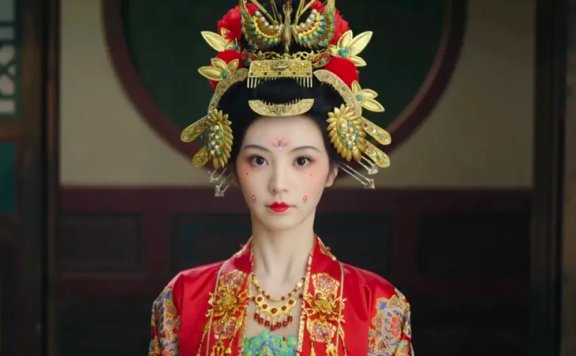
Tian Xiwei's Bridal Look in Moonlit Reunion
Beyond mere decoration, the elaborate bridal makeup and headdress worn by actress Tian Xiwei (田曦薇) in the historical drama Moonlit Reunion (子夜归) are deeply rooted in the symbolic visual language of the late Tang and Five Dynasties periods. Beyond Makeup: Symbols on Skin Tian Xiwei's striking bridal look in the historical drama Moonlit Reunion sparked heated debate. Many viewers questioned the elaborate floral patterns adorning her face and the large, distinctive ornaments flanking her temples. Rather than random excess, this aesthetic authentically channels late Tang Dynasty (618-907 AD) and Five Dynasties (907-960 AD) artistry. The intricate facial designs, known collectively as Mian Ye (面靥), transformed skin into a canvas for symbolic meaning. Different motifs—Niao Ye (鸟靥), Hua Ye (花靥), or Xing Ye (星靥)—served as auspicious emblems, reflecting an era where multicultural exchange and Buddhist influences permeated beauty ideals. The application method fascinated historians. Beyond painted designs, historical texts like Ling Biao Lu Yi (岭表录异) document using dried botanicals adhered with fish-glue. This practice evolved into lavish displays during the late Tang, where nobles competed in ornamental excess. Mian Ye expanded beyond traditional cheek placements, climbing to foreheads and framing noses. While visually dense, these arrangements followed deliberate compositional rules, creating an… -
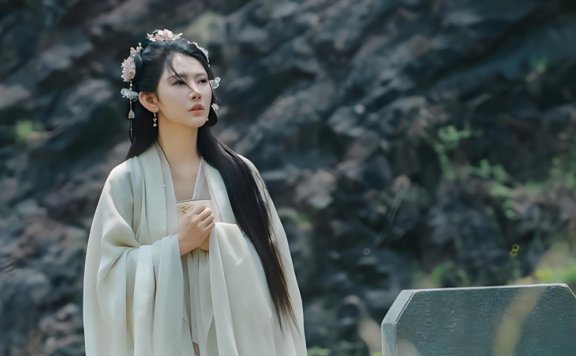
The Masterful Portrayal of a Modern Hero in Fuliu Ji Changsi
Move over, predictable palace intrigues. The historical drama landscape is being reshaped by Fuliu Ji Changsi (拂柳寄长思), a series captivating audiences with its profound exploration of vengeance, sacrifice, and ultimate transcendence. This production masterfully intertwines intense personal anguish with the weight of national crisis, creating a resonant narrative that resonates far beyond typical costume drama fare. Forget petty squabbles over favor; here, personal vendettas collide with the existential threat of war, forging a story of remarkable emotional and ideological depth. Expanding the Narrative Horizon Traditional dramas often confine their characters within gilded cages of familial power struggles. Fuliu Ji Changsi shatters these walls. The story orbits Huo Qingchen (霍清辰), the privileged heir of a marquis household, whose world implodes spectacularly. Betrayed by his elder brother, stripped of his inheritance, abandoned by his lover, and facing death, his fall is catastrophic. Yet, this devastating personal tragedy is merely the first act. The narrative scope expands relentlessly. Huo Qingchen's quest for personal justice becomes entangled with volatile court politics, escalating tensions that spill onto the nation's borders as foreign invaders threaten. The stakes evolve dramatically, shifting from reclaiming lost honor to defending the very existence of his homeland. This deliberate structural escalation… -
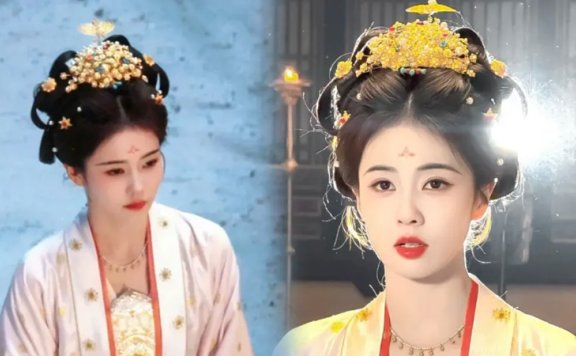
The Golden Moth: How a 1,400-Year-Old Hairpin Captured Modern Hearts?
In the bustling world of historical dramas, a tiny golden insect has taken flight from ancient tombs to modern screens. The appearance of a distinctive moth-shaped hairpin in the popular series Unveil: Jadewind (唐宫奇案) , worn by actress Bai Lu (白鹿) as her character Li Peiyi (李佩仪), sparked instant recognition among viewers. "I’ve seen that in a museum!" exclaimed countless fans, pinpointing its origin to a real artifact excavated decades ago. This exquisite piece, known as the Nao'e (闹蛾) hairpin, transcends its role as a costume prop. It represents a breathtaking fusion of Tang Dynasty artistry, cultural symbolism, and a poignant human story, connecting audiences across centuries through its delicate, shimmering wings. Its journey from an elite child’s grave to a television phenomenon reveals the enduring power of historical craftsmanship and the timeless desire to adorn oneself with meaning. Artisan's Legacy Unearthed in 1957 from the tomb of Li Jingxun (李静训) in Xi'an, Shaanxi Province, this Nao'e hairpin now resides in the National Museum of China. Classified as a Buyao (步摇), a type of hairpin designed to tremble gracefully with movement, it exemplifies the pinnacle of Sui Dynasty goldsmithing. Renowned scholar Shen Congwen (沈从文) identified similar pieces in his work… -
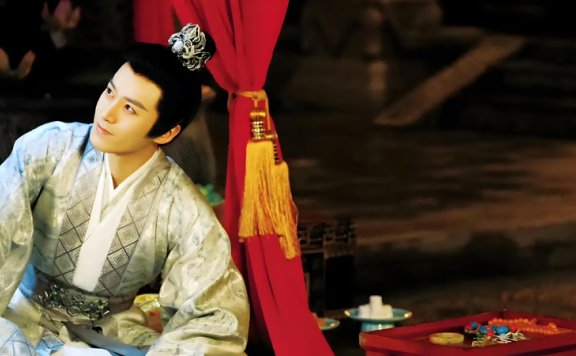
Voyage to Haihun - A Time Traveler's Odyssey
Chinese streaming platform Tencent Video has ignited screens with its new costume drama, Voyage to Haihun (海昏行). Premiering its first eight episodes on August 30, 2025, the series rapidly captivated audiences, trending fiercely with viewership soaring past the ten thousand mark. Blending time-travel, infinite loop mechanics, and historical legend, it thrusts modern disillusionment into the heart of the Western Han Dynasty (206 BC – 9 AD). The story follows Wang Heng (王衡), a down-on-his-luck contemporary man catapulted into the past by a mysterious bronze Qilin (麒麟, mythical Chinese creature). Finding himself entangled with the fierce female warrior De Jiu (得九) and the complex nobleman Liu He (刘贺), Wang Heng navigates treacherous historical currents, armed with future knowledge and an uncanny ability to reset fate. This potent mix has sparked fervent debate, leaving audiences divided on its merits. Beyond Time Travel The show's explosive debut hinges on its audacious central mechanic. Wang Heng possesses a "rebirth after death" ability, akin to reloading a saved game. This "retry" function creates intense immersion as he repeatedly alters his path. Early episodes showcase desperate, often comedic, attempts by Wang Heng and Liu He to escape their initial confinement – stealing seals, plotting elaborate horse… -
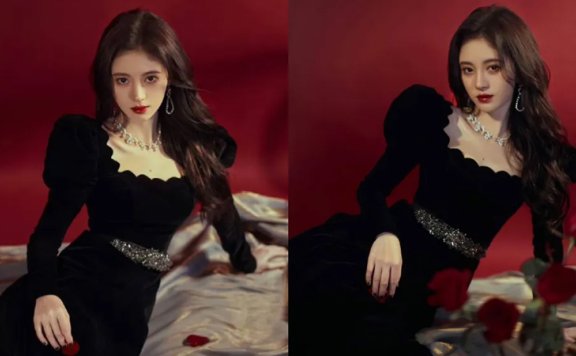
How Ju Jingyi Masters Focused Beauty and Strategic Styling
Once hailed as the undisputed "aesthetic queen" of China's entertainment industry, Ju Jingyi (鞠婧祎) has long captivated audiences not only with her talent but also with her meticulously crafted public image. Her appearance at the 2019 Weibo Night became an iconic internet moment, setting a new standard for celebrity styling and sparking countless tutorials. Yet, recent photos suggest subtle but noticeable shifts in her signature look, which have sparked debates among fans and beauty enthusiasts alike. Some argue her current style lacks the initial wow factor, while others find her evolution even more mesmerizing. What remains undeniable, however, is her status as a self-made beauty icon, celebrated for her strategic and learnable approach to aesthetics. This article delves into the three core pillars of "Ju Xue" (鞠学)—the art of Ju Jingyi's style transformation: her precisely focused makeup philosophy, her mastery of mature yet delicate dressing, and her overarching styling strategies that extend beyond facial features. From weightless eye makeup and refined brow shaping to strategic color harmony and architectural hair volume, her methods demonstrate how deliberate refinement can enhance natural features without overwhelming them. Her journey offers valuable insights into building a cohesive and elevated personal style through control, balance,… -
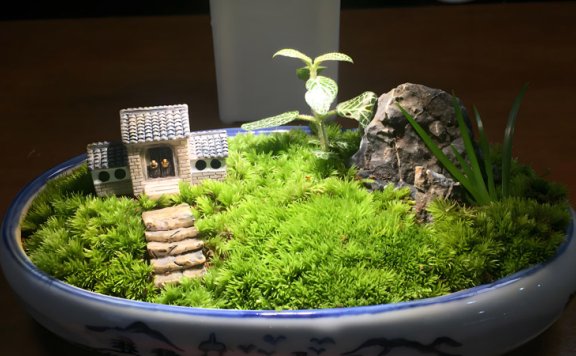
A Step-by-Step Guide to Crafting and Caring for Micro-landscapes
A micro-landscape, also known as a terrarium or plant-scape, refers to a creative and self-sustaining micro-ecosystem that integrates plants with similar ecological habits—such as ferns, mosses, and small foliage plants—along with decorative elements including stones, gravel, and ornamental accessories. These components are artfully arranged within a small container according to principles of landscape design and aesthetic composition. Drawing on years of practical experience in design and construction, this article systematically introduces key techniques for creating and maintaining miniature landscapes. It covers essential design principles, selection criteria for suitable plants, accessories and containers, as well as methods for assembly and long-term care. 1. Essential Guidelines for Miniature Landscape Design Creating a micro-landscape involves blending nature into tiny spaces, focusing on safety, economy, and aesthetics. Start with non-toxic plants to avoid allergens, choosing common species initially to save costs before advancing to rarer ones. This approach ensures a manageable and rewarding hobby, where balance in all elements enhances the overall appeal without overwhelming the creator. 1.1 Harmony in Variety Plant selection should avoid chaos by finding similarities in color, shape, or texture. Emphasize unity to highlight a focal species, ensuring the design remains cohesive and reflects the intended theme without clutter. Contrast… -
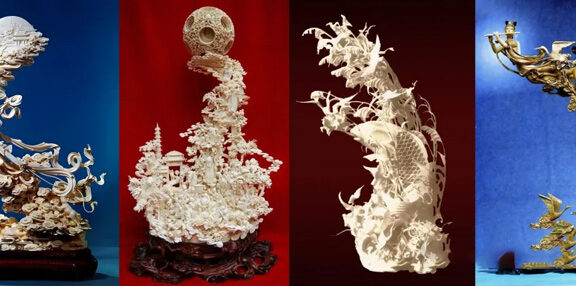
Artistic Characteristics of the 4 Major Ivory Carving Crafts in China
Chinese ivory carving, with its profound historical evolution, is renowned for its exquisite craftsmanship, diverse categories, distinctive ethnic charm, and strong regional characteristics. The introduction of the "Double Hundred" in the 1950s further stimulated the flourishing development of China's arts and crafts, significantly refining and consolidating the unique regional styles of ivory carving. From the 1950s to the 1980s, ivory products became one of the major exports in China's craft sector, with specialized art factories across the country nurturing talents and advancing creative techniques. This era not only contributed substantially to socio-economic and cultural development but also gave rise to recognized regional schools, most notably the "Four Major Ivory Carvings" from Beijing, Guangzhou, Shanghai, and Nanjing, sometimes expanded to include Fuzhou. Many other regions also developed their own traditions, leaving behind a rich cultural legacy and artistic heritage for future generations. 1. Beijing Ivory Carving: Millennia in the Making For over two thousand years, Beijing has been a pivotal center for ivory carving, an art form deeply intertwined with Chinese cultural identity. Evidence from a Warring States period tomb at Huangtupo (黄土坡), Beijing, yielded an ancient ivory comb, marking its early roots. Flourishing particularly during the Ming and Qing dynasties,… -
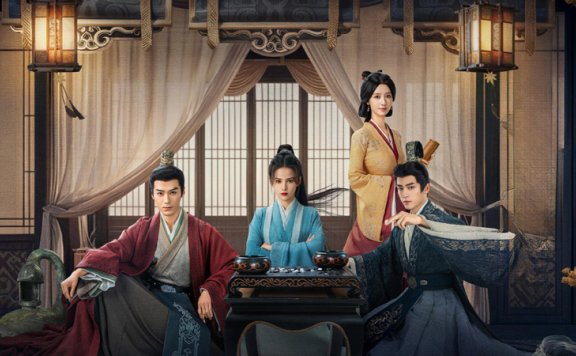
Voyage to Haihun: A Time-Loop Curse Resets Historical Drama
The costume drama landscape just got a thrilling jolt. Forget slow-burn palace intrigues—Voyage to Haihun (海昏行) detonates onto screens with a premise so audacious, it rockets to 16,000 popularity units on its premiere day. This compact series throws a modern man into the treacherous court of the Western Han dynasty, armed not with weapons, but with a bizarre resurrection curse. Two protagonists meet, face immediate doom, and discover death is merely a reset button in a show that masterfully blends farce, strategy, and heart-pounding tension. Death Becomes a Strategy The opening minutes are a masterclass in efficiency. Desperate to escape political imprisonment, deposed Emperor Liu He (刘贺, played by Geng Yeting) attempts a forbidden ritual, accidentally yanking modern-day slacker Wang Heng (王衡, played by Mao Zijun) through a temporal rift. Their first encounter—a comical head-on collision—lasts mere moments before the formidable warrior De Jiu (得九, played by Huang Riying) arrives. She kills Wang Heng and steals his mysterious bronze Qilin (麒麟) artifact. Yet, Wang Heng doesn't stay dead. He awakens outside the compound, unharmed, moments before his fatal attempt to help Liu He. This is his curse, and soon, his tool: every death triggers an unpredictable rewind to a prior safe… -
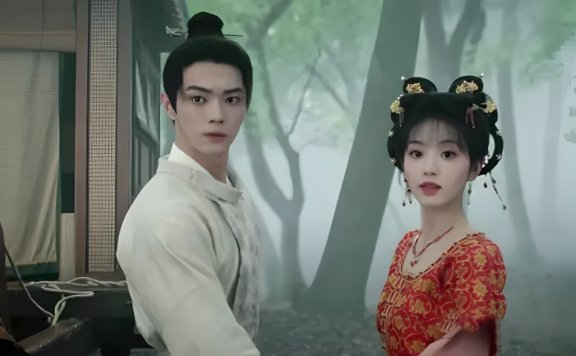
The Midnight Bargain: Can Love Outlast Heaven's Wrath?
As Moonlit Reunion (子夜归) barrels towards its finale, fans are holding their breath. The latest previews paint a picture of desperate choices and shattered memories. Wu Zhen's (武祯) body buckles under the strain of the Demonic Infant Core, while her devoted husband, Mei Zhuyu (梅逐雨), races against time to save her. The cryptic actions of the obsessive Wu Zishu (无字书) only deepen the peril, forcing Wu Zhen towards a potentially catastrophic transformation into a full demon. Will their love story culminate in triumph or tragedy? The clues lie scattered across tense previews and whispered lore, hinting at a resolution forged in sacrifice and ancient magic. The Descent and the Price Wu Zishu's misguided attempt to forcibly infuse Wu Zhen with demonic energy is a disaster. He fails to grasp a crucial truth: even achieving full demonic form cannot halt the physical decay caused by the malevolent Core residing within her. Instead, the influx of raw power and the lingering resentment of sacrificed minor demons act as potent fuel for the Core, accelerating its efforts to shatter the ancient seal placed by the former Cat Lord. This explains Wu Zhen's agonizing reaction during the process – her body is a battleground.… -
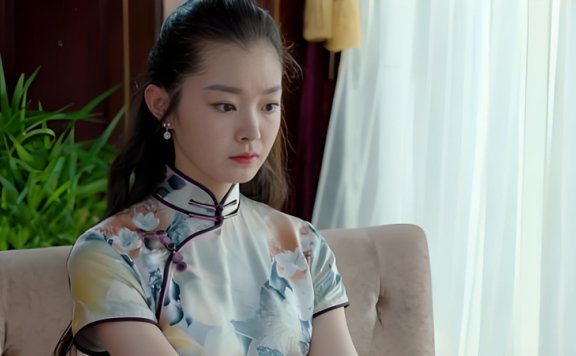
Song Yi: Has China's Qipao Queen Outgrown Her Legendary Role?
When Song Yi (宋轶) stepped out for the promotional event of Shadow Love (与晋长安) on August 29, 2025, fans barely recognized her. Gone was the softness associated with her iconic Qipao image; instead, stark contouring created harsh shadows under strong lights, sparking instant online debate about drastic changes to her appearance. The actress swiftly clarified it was merely a new makeup artist's approach, not cosmetic surgery, echoing her 2022 live-streamed eyelid demonstration. This incident highlights the intense scrutiny Song faces as she navigates a pivotal career shift—moving beyond the "First Qipao Beauty" persona cemented by her unforgettable role as Yu Manli (于曼丽) in the 2015 series The Pretender (伪装者). Now, at 36, her attempt to portray General Li Shuang (黎霜) in Shadow Love confronts both audience expectations and industry pressures. Silk to Steel Song Yi's journey began far from the battlefield. Her breakout role came as Yu Manli in The Pretender. At 26, weighing 98 pounds with a 22-inch waist, she embodied a lethal grace in traditional yin dan shi lin (阴丹士林) blue Qipao dresses. The slit skirt swayed subtly with her walk, masterfully blending a Jiangnan gentlewoman's elegance with a secret agent's sharpness. She made Yu Manli heartbreakingly fragile… -
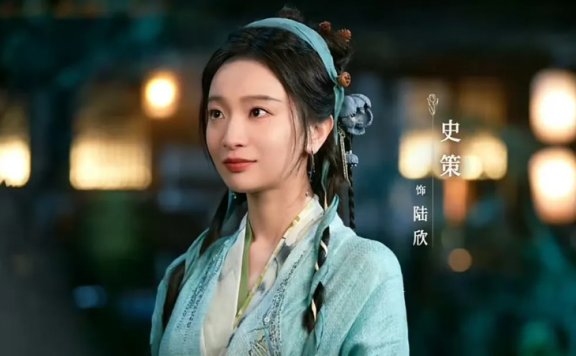
Shadow Love: What Makes This Unexpected Bromance Steal the Show?
While the romantic sparks between General General Li Shuang (黎霜, played by Song Yi) and the endearingly devoted Jin An (晋安, played by Cheng Lei) captivate audiences in the popular drama Shadow Love (与晋长安), another pairing has unexpectedly captured hearts. Forget the male lead; it's the electric, comedic chemistry between Jin An and the show's vibrant female lead, Lu Xin (陆欣, played by Shi Ce), that has viewers grinning uncontrollably. Their unique friendship, a chaotic blend of mutual reliance and hilarious betrayal, offers a refreshing counterpoint to the central romance and proves that compelling connections come in many forms. Lu Xin: More Than Just the Sidekick Lu Xin is far from a mere accessory to Li Shuang. As Lucheng's renowned physician and the general's confidante, she possesses a sharp wit, infectious energy, and an unapologetic love for gossip and romance. Her presence injects vibrant humor into tense situations, often acting as the audience's playful surrogate. She navigates her own emotional journey with admirable resilience. Her unrequited feelings for Li Shuang's deputy, Ji Ran (季冉), are met with gentle indifference. Yet, instead of wallowing, she demonstrates remarkable emotional maturity, choosing to step back gracefully when her affections aren't reciprocated. This pragmatism… -
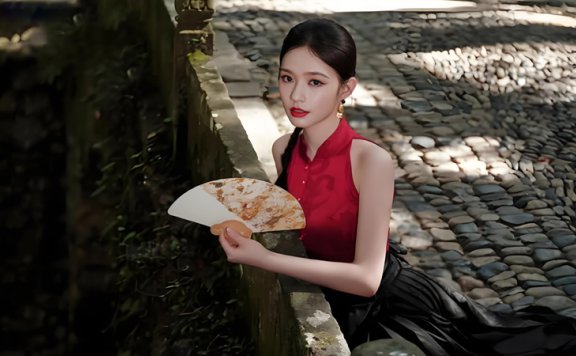
How Actress Lin Yun is Redefining the Qipao on Her Own Terms
In 2024, the Qipao, a century-old symbol of grace, is trending again—but not worn by seasoned icons or rising pop stars. Instead, it’s Lin Yun (林允), the actress many assumed had faded from the spotlight, who’s redefining this classic. Her take isn’t about nostalgic imitation or ethereal beauty; it’s raw, grounded, and fiercely personal. While others chase trends, Lin’s modern Qipao whispers rebellion: a refusal to conform to industry molds. This unexpected revival isn’t just fashion—it’s a manifesto for realness in an era of curated perfection. Stardom to Stillness Lin exploded onto screens at 18 as the lead in The Mermaid (美人鱼, 2016), hailed as Stephen Chow’s muse. Overnight fame brought adoration and skepticism: critics targeted her acting; fans debated her "luck." While peers chased constant visibility—flooding variety shows and social media—Lin retreated. She vanished from headlines, ignored gossip mills, and rarely posted. Detractors called it career suicide. On her private account, she shrugged: "When filming, I obsess. When not, I stay home. No performative hustle needed." Her stillness wasn’t surrender—it was strategy. That patience reshaped her path. Unlike peers who burned out chasing relevance, Lin worked quietly. She auditioned relentlessly, endured harsh rejections, and drilled lines before mirrors after… -
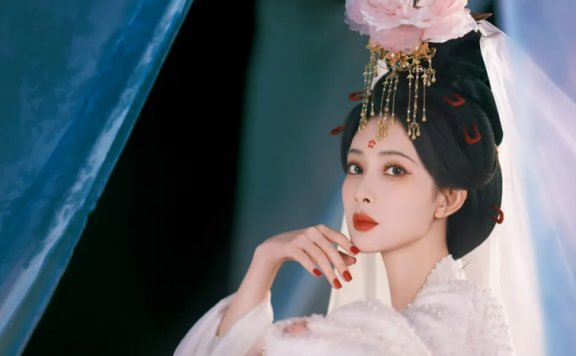
Floral Crowns in Chinese Drama: Who Wears It Best?
The delicate art of adorning hair with flowers, a signature look in Chinese historical dramas, has recently captivated audiences once more. Meng Ziyi's (孟子义) stunning floral hairpiece in promotional images for the newly announced drama Tigers Sniff the Rose (尚公主) sparked widespread admiration and discussion online. This fascination isn't new; period productions consistently feature elaborate floral hairstyles, showcasing diverse interpretations of classical aesthetics. From the lavish Tang dynasty ideals of voluptuous beauty to more contemporary, slender adaptations, these intricate arrangements are more than mere decoration—they are visual narratives of character, era, and artistic vision. The choice of blooms, their placement, the hairstyle's complexity, and crucially, the actor's physical harmony with the style, all converge to create moments of breathtaking screen elegance. This enduring trend highlights the powerful synergy between costume design, historical homage, and the unique charisma of the performer. Modern Interpretations Recent costume dramas offer a vibrant showcase of floral hair accessories. Meng Ziyi's look in Tigers Sniff the Rose , featuring elegant updos perfectly complementing soft pink peonies, marks a significant improvement, ditching distracting bangs seen in her earlier role in Royal Rumours (花琉璃轶闻). In that production, while Su Mengyun's (苏梦芸) fuller figure and crescent-moon adorned updo exuded… -
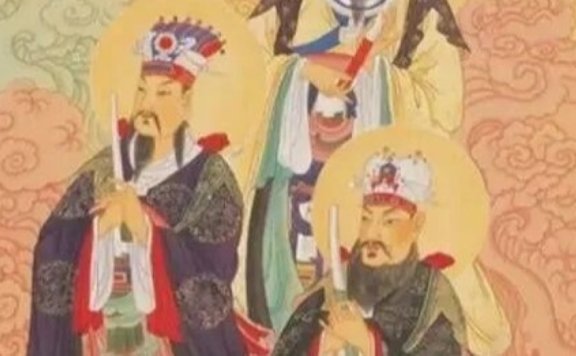
The Ghost Month in Putian: A Time for Remembrance and Ritual
In the humid heat of late summer, the coastal region of Putian (莆田) in Fujian province prepares for a time of solemnity and tradition. The seventh month of the lunar calendar is widely known as the Ghost Month across China, but here, it holds a unique local character, deeply woven into the fabric of family and community life. This isn't a month of fear but one of respectful remembrance, intricate rituals, and delicious, symbolic foods. The festival, known simply as July Half to locals, is a confluence of Taoist, Buddhist, and deep-rooted folk traditions. From a Taoist perspective, it is the day the deity of the earth passes judgment on souls. From a Buddhist view, it is a time for saving souls from suffering. But for the people of Putian, it is, above all, a time to honor their ancestors. The Rhythm of Ritual: A Fortnight of Preparation The customs of the fortnight are so precise they are encapsulated in a local folk rhyme. The preparations begin around the 9th and 10th days of the month. The most crucial task is the preparation of "gold water," a natural alkaline solution made by filtering water through the ashes of dried straw… -
Simple Daily Habits for a Healthier Liver, According to TCM
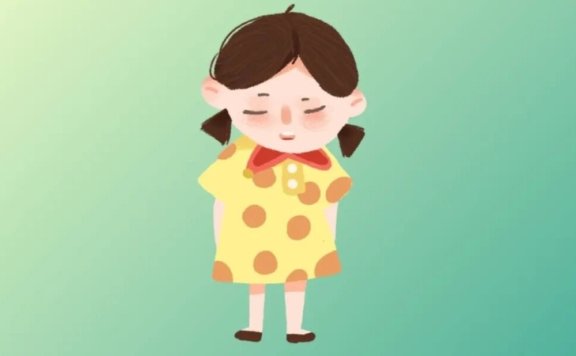
In Traditional Chinese Medicine, the liver and eyes share a deep connection. Think of your liver as the root of your eye health—when it’s nourished and balanced, your vision stays clear. The good news is that you can maintain clear vision by nurturing your liver. Taking just a couple of minutes each day to care for your eyes can, in turn, support your liver. Here are two simple movements and some practical tips to help you do just that. Two Quick & Effective Liver-Supporting Movements The first movement focuses on resting your eyes to rest your liver. The classic TCM text, The Yellow Emperor’s Inner Canon, states that “the eyes can see because they receive blood from the liver.” It also emphasizes that the liver stores blood, a process that kicks in when we close our eyes or sleep. Essentially, closing your eyes is like flipping the “off” switch that allows your liver to rest and recharge. You can enhance this simple act with a gentle eye exercise to help with eye strain, dryness, or blurry vision: gently close your eyes, then use your thumbs to massage from the inner corner of your eyes outward 24 times; alternatively, place four… -
Think Before You Brew: Is Your Trendy Tonic Really Helping You?
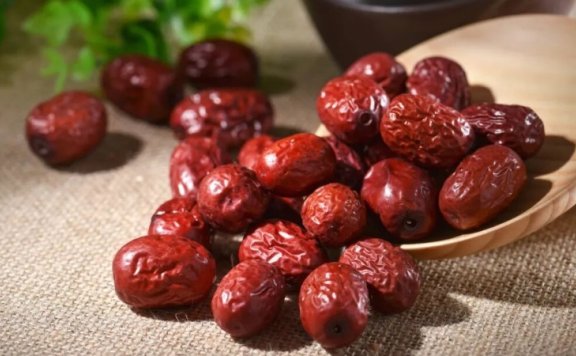
Forget the image of wellness being just for the elderly. A new wave of health-conscious Gen Z and millennials is embracing wellness, obsessively stirring goji (枸杞) berries into their thermoses and beginning their day with warm lemon-honey water. Driven by a mix of ancient tradition and modern social media trends, they believe that what they consume is the key to balance. However, Traditional Chinese Medicine (TCM) emphasizes that wellness is highly individual. That popular "healthy" ingredient in your cup might be doing more harm than good if it doesn't suit your body's specific needs. Before you jump on the next superfood trend, here’s a quick guide to who should probably skip some of the most common ones. 1. Red Dates: Not a Sweet Treat for All Celebrated for boosting energy and calming the spirit, these sweet fruits are a classic TCM tonic. But they are warming and can be cloying. You should be cautious if you're prone to overheating—experiencing breakouts, constipation, or a short temper—because red dates could add fuel to the fire. Those with dampness or phlegm (a feeling of heaviness, bloating, or thick tongue coating) might find they worsen sluggishness. It's also best to avoid red dates at… -
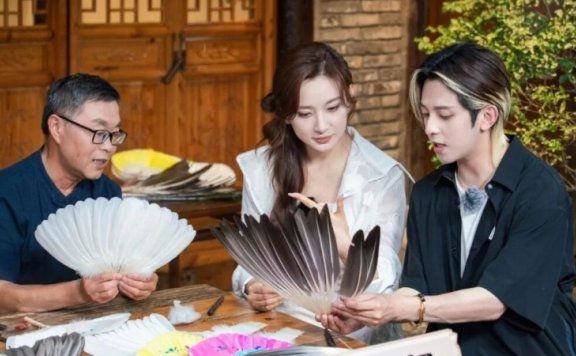
Discover Gaochun: Where China's Living Heritage Unfolds
Tucked away in China's Jiangsu province, Gaochun (高淳) isn't just another dot on the map. Recognized as an "International Slow City," this place operates on a different rhythm. It’s a living museum, a serene escape where ancient crafts aren't relics behind glass but vibrant parts of daily life. Recently featured on popular national TV shows, Gaochun is captivating audiences with its deep well of cultural traditions, offering a genuine taste of a slower, more mindful China. Gaochun’s identity is deeply interwoven with its intangible cultural heritage. As the first place in Nanjing to be named a "Hometown of Chinese Folk Culture and Art," it boasts an impressive 155 items of intangible cultural heritage. This isn't just a number; it's a testament to a community that actively lives and breathes its traditions. A Calendar of Living Traditions The local calendar is marked by spectacular, moving festivals that are anything but staged performances for tourists. They are profound community rituals. The most famous is arguably the Tiao Wuchang (跳五猖)—Dance of the Five Fierce Gods. During the Spring Festival and Lantern Festival, performers don colorful masks and wield ritual instruments, leaping and dancing to the intense beat of gongs and drums. It's a… -
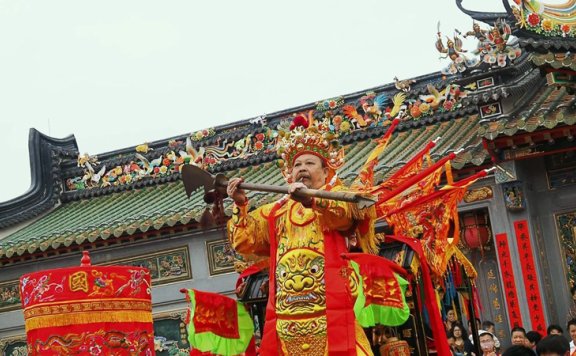
Chaoshan: 10 Cultural Pillars of a Distinct Region
To step into the Chaoshan (潮汕) region of Guangdong is to enter a world where ancient traditions are not preserved behind glass but are lived daily. This coastal corner of China, home to the cities of Chaozhou, Shantou, and Jieyang, has maintained a fiercely unique cultural identity. Its customs are a vibrant tapestry woven from threads of ancestral Han Chinese rituals and a distinct maritime spirit. Here are ten cultural pillars that define the Chaoshan way of life. 1. The Deity Procession: Ying Laoye (营老爷) Perhaps the most spectacular event in any Chaoshan village is the Ying Laoye, or "Welcoming the Deities" procession. On chosen days, usually during the Lunar New Year or a deity's birthday, the revered statues from local temples are carried on ornate palanquins on a thorough tour of the community's boundaries. The procession is a breathtaking display of communal effort, featuring vibrant flags, pounding drums, and troupes of performers. The goal is to invite divine blessings for peace, prosperity, and beneficial fortune for the entire community. Each village has its traditions, routes, and taboos, making every procession a unique and powerful expression of local identity and clan cohesion. 2. Yingge Dance (英歌舞): The Rhythm of Warriors… -
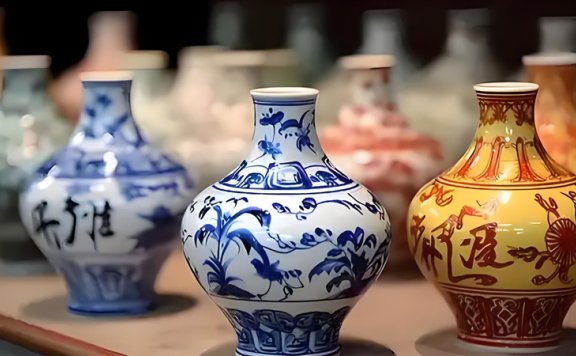
Top 10 Traditional Cultural Treasures of China
The traditional culture of China, with its profound historical roots, represents a rich tapestry of philosophical, artistic, and social traditions that have evolved over five millennia. Originating primarily along the basins of the Yellow River and the Yangtze River, this ancient civilization flourished through continuous migration, integration, and development of various ethnic groups. These dynamic processes helped form a unique and enduring cultural heritage, often described as an ancient castle of wisdom and refinement, admired and preserved through successive generations. Among its most distinguished elements are the quintessential aspects of Chinese culture, known as Guocui (国粹) or national essences. These are the elite achievements intrinsic to China’s native civilization, embodying the highest aesthetic and intellectual values of the nation. Examples include Peking Opera, traditional Chinese medicine, calligraphy, and martial arts—each originating entirely within China and reflecting the depth and spirit of its indigenous culture. These cultural treasures not only symbolize China’s historical identity but also continue to inspire global appreciation today. Magnetic Kiln China's relationship with clay transformed functional pottery into transcendent art. Early kilns near Magnetic Kiln centers produced robust vessels later termed porcelain. Artisans perfected techniques through tireless experimentation—wedging clay to eliminate air pockets, throwing precise forms on…