In the humid heat of late summer, the coastal region of Putian (莆田) in Fujian province prepares for a time of solemnity and tradition. The seventh month of the lunar calendar is widely known as the Ghost Month across China, but here, it holds a unique local character, deeply woven into the fabric of family and community life. This isn't a month of fear but one of respectful remembrance, intricate rituals, and delicious, symbolic foods.
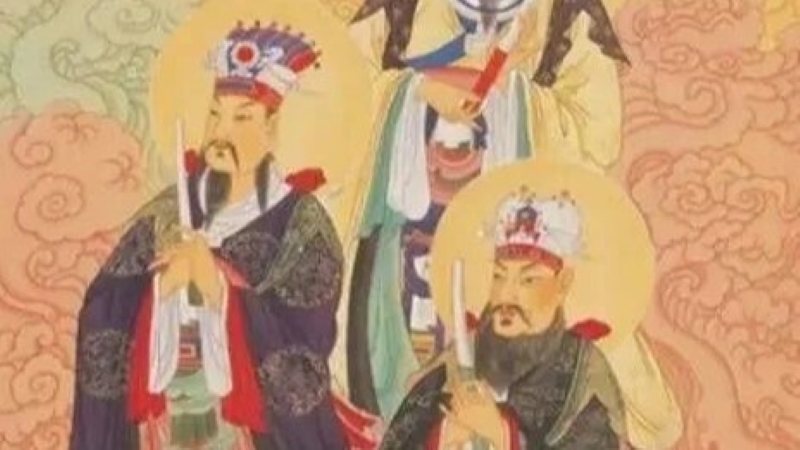
The festival, known simply as July Half to locals, is a confluence of Taoist, Buddhist, and deep-rooted folk traditions. From a Taoist perspective, it is the day the deity of the earth passes judgment on souls. From a Buddhist view, it is a time for saving souls from suffering. But for the people of Putian, it is, above all, a time to honor their ancestors.
The Rhythm of Ritual: A Fortnight of Preparation
The customs of the fortnight are so precise they are encapsulated in a local folk rhyme. The preparations begin around the 9th and 10th days of the month. The most crucial task is the preparation of "gold water," a natural alkaline solution made by filtering water through the ashes of dried straw and soybean leaves. This liquid is the key ingredient for the festival's most important food.
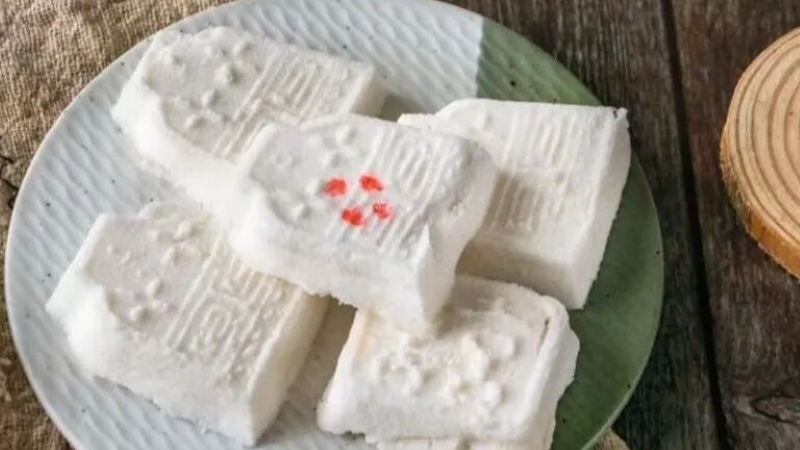
On the 11th and 12th, every household uses this "gold water" to make golden cakes. These are steamed cakes made from glutinous rice flour, their vibrant yellow color a symbol of prosperity and a primary offering to the ancestors. Alongside them, families prepare printed cakes, delicate steamed cakes made from finely sieved rice flour and sugar, pressed into intricate molds.
The 13th and 14th are days of family obligation and connection. A married daughter whose parents have passed away is expected to return to her natal home with her husband and children for a ritual of mourning known as "delivering paper offerings." They bring offerings of fruit, pig's trotters, golden cakes, and printed cakes. While traditional paper spirit money is still used, modern offerings now include paper replicas of everything from smartphones to luxury cars, a contemporary twist on an ancient act of filial care.
Upon receiving these gifts, the daughter's family reciprocates with gifts meant to bless her new family—red lanterns, bowls, or even a baby walker. This exchange, poetically called "carrying back and forth," symbolizes the strengthening of family ties and wishes for prosperity and new life.
The Climax and Conclusion
The 15th day is the main event, "worshiping the ancestors." The entire family gathers at home for a joint ceremony to honor their lineage. The weather is invariably hot and humid at this time of year, leading locals to wryly refer to the occasion as "ancestors' heat." In the evening, some temples hold communal prayers (Pudu) for unattended souls. In coastal areas, people set adrift "water lanterns"—candles placed on paper flowers or boats—to guide lost spirits and express grief on the water.The festival concludes on the 16th with a final ritual to send the ancestors' spirits back to their realm.
A Time of Quiet Caution

This period is also marked by a series of unspoken rules and taboos, observed out of respect rather than superstition. It is considered inauspicious for married daughters with living parents to visit their natal home during the first half of the month, especially on the 7th. Unannounced visits from friends or relatives are generally discouraged, as families are focused on their private ceremonies.
Small daily gestures are also mindful; for instance, never sticking chopsticks upright in a bowl of rice, as such behavior resembles incense offered to the dead. Most importantly, elders sternly warn children against swimming or playing near water, a practical caution born from the belief that water spirits are particularly active during this time.
In Putian, the Ghost Month is a powerful, multifaceted tradition. It is a time of sadness and celebration, of symbolic foods and solemn rituals, all binding the living and the departed in a continuous, caring cycle of memory and respect.