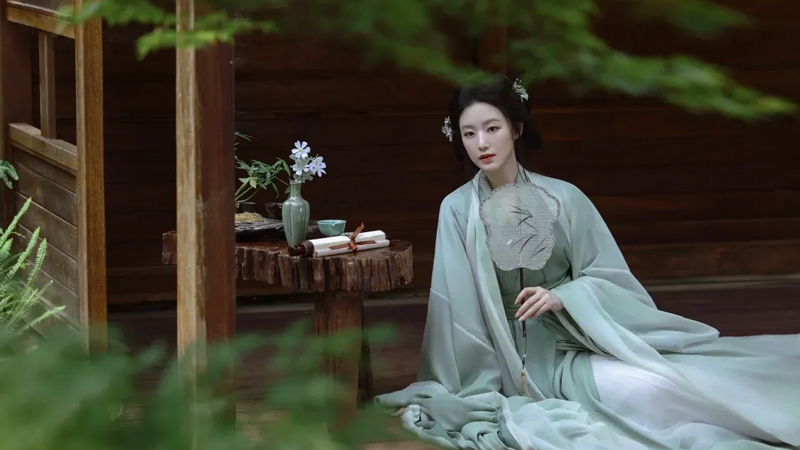
The recent online storm surrounding Taiwanese singer Ye Shuhua's (叶舒华) ancient-style photoshoot highlights a fascinating, yet complex, debate simmering within the world of traditional Chinese attire. While her look, characterized by flowing sleeves and layered robes, drew widespread admiration from Korean netizens who hailed it as "stunning," it simultaneously ignited controversy among some Chinese observers. Their critique wasn't primarily about Ye Shuhua herself or the aesthetic appeal, but rather centered on a crucial question: is this "Wei-Jin style" truly representative of authentic Hanfu, or is it something else entirely?
Ye Shuhua's Look and the "Wei-Jin" Label
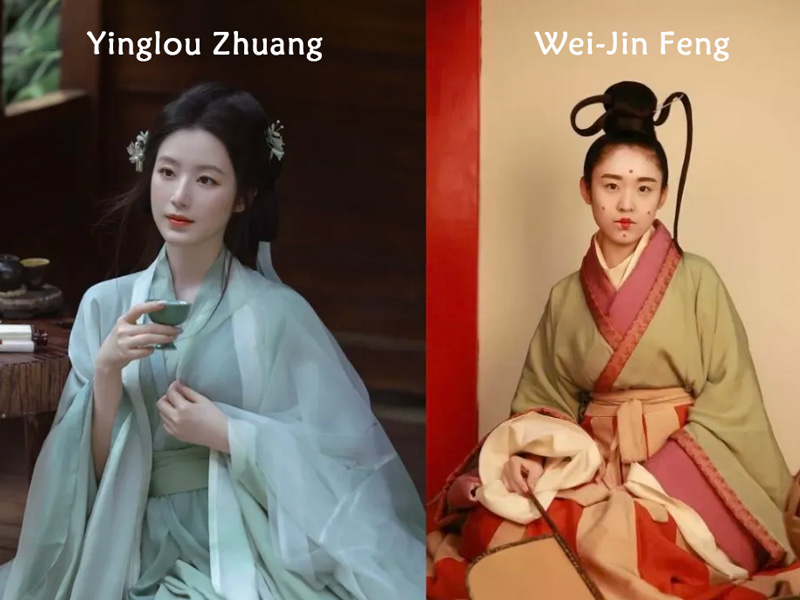
Images of Ye Shuhua dressed in elaborate, flowing garments quickly spread across social media platforms, particularly in South Korea, generating significant buzz. The look was widely labeled online as "Wei-Jin Feng" (魏晋风), evoking the aesthetics associated with the Wei and Jin dynasties (220-420 AD) in Chinese history. This labeling became the crux of the subsequent debate. While many praised the visual impact, a vocal segment of Chinese netizens raised objections, not necessarily disputing the beauty of the outfit itself, but challenging its historical authenticity and the accuracy of the "Wei-Jin" designation.
The core of their argument lies in the origins of what is currently marketed as "Wei-Jin Feng." Critics point out that much of this style prevalent today, including elements seen in Ye Shuhua's photoshoot, stems not from rigorous historical research or archaeological evidence, but rather from creative interpretations developed for the film, television, and photography industries – often referred to as "Yinglou Zhuang" (影楼装). These designs prioritize visual drama and modern appeal over historical fidelity.
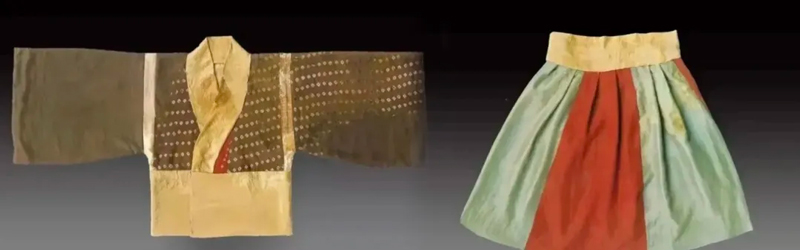
This distinction is vital. Authentic Hanfu reconstruction relies heavily on tangible evidence: meticulously studying surviving textile fragments, murals, pottery figurines, and tomb paintings from the target era. Outfits lacking this foundation, critics argue, cannot be accurately presented as historical representations of Wei-Jin dynasty clothing. The concern is that labeling modern, stylized creations as "Wei-Jin Feng" blurs the lines and potentially misleads the public about what actual Wei-Jin attire looked like.
Ironically, while the modern "Wei-Jin Feng" label is sometimes contested as not being true Hanfu, actual reconstructed Wei-Jin garments based on historical evidence have occasionally been mistaken by some observers for Japanese Kimono influences. This confusion underscores the challenges in public perception and the importance of clear, evidence-based representation.
Wei-Jin Feng: Historical Inspiration or Modern Creation?
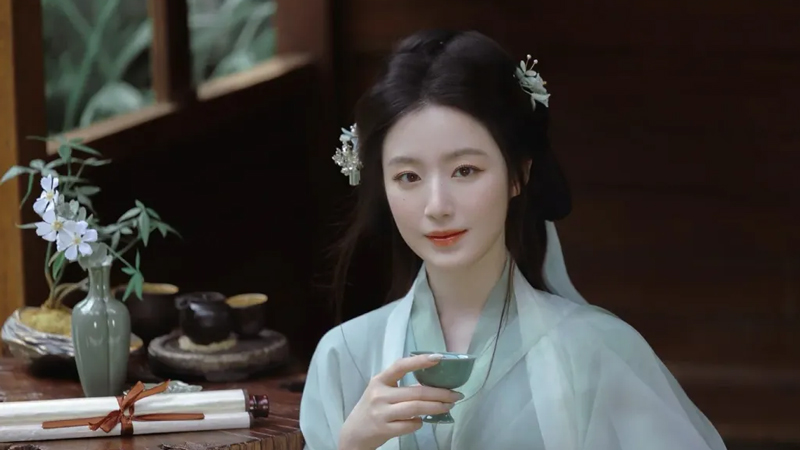
So, what exactly defines the "Wei-Jin Feng" found in modern photography and online stores? As mentioned, it primarily draws inspiration from two sources. The first, and most dominant, is the world of costume design for historical dramas and photo studios. Designers here often take creative liberties, combining elements like exaggeratedly wide Daxiu Shan (大袖衫) with various styles of cross-collared blouses and skirts in ways that feel aesthetically pleasing but lack direct historical precedent for that specific combination during the Wei-Jin period.
The second source, less common but gaining traction, involves attempts to recreate garments based on visual sources like period paintings (e.g., the "Nymph of the Luo River" 洛神赋图). These reconstructions, while aiming for historical accuracy, still involve interpretation. The key difference lies in the intent and methodology: one prioritizes visual fantasy; the other strives for historical plausibility based on available evidence. The resulting garments often look markedly different, with the former leaning towards dramatic silhouettes and the latter towards subtler, more documentable forms.
This leads to the pivotal question: Can modern "Wei-Jin Feng" be considered Hanfu? For strict adherents to historical accuracy based on archaeological evidence, the answer is often no. If a garment's specific combination and tailoring lack verifiable historical support from the Wei-Jin era, it cannot be authentically labeled as such. However, a more nuanced perspective emerges: could it be considered Han Yuansu (汉元素)?
Proponents of this view argue that individual components of these outfits – wide sleeves, cross-collars, certain skirt styles – do have roots in Chinese clothing history, even if their specific combination in "Wei-Jin Feng" might not. If these individual elements are reasonably accurate in their basic form, then the overall ensemble could potentially be seen as modern clothing incorporating traditional Han elements. However, critics counter that much commercially available "Wei-Jin Feng" often gets even the basic forms of these individual elements wrong, further distancing it from any legitimate historical connection.
Culture, Influence, and Shared Appreciation
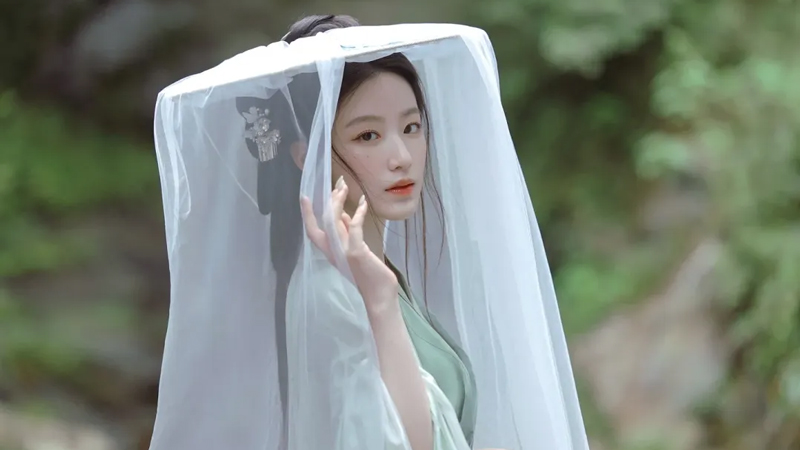
The debate surrounding Ye Shuhua's photoshoot transcends a simple argument about historical accuracy. It touches upon powerful forces shaping global perceptions of Chinese culture. Movies, TV dramas, and celebrity influence are incredibly potent tools for cultural dissemination. For many international audiences, their first and sometimes only exposure to Chinese aesthetics comes through these channels. A popular historical drama or a striking celebrity photoshoot can ignite interest far more effectively than academic papers.
This immense influence carries responsibility. While "Yinglou Zhuang" serves its purpose in entertainment, conflating it directly with meticulously researched Hanfu risks presenting a distorted view of history to a global audience. The journey from purely fantastical costume drama attire to promoting historically informed Hanfu is a long one, requiring conscious effort from creators, influencers, and enthusiasts alike. Encouragingly, there's a noticeable shift in some contemporary Chinese historical productions, with a growing number incorporating more historically referenced Hanfu elements.
Navigating online discussions about this topic requires nuance and empathy. Passion for cultural heritage is understandable and valuable, but aggressive criticism towards individuals simply appreciating the aesthetic beauty of an outfit like Ye Shuhua's can be counterproductive. The initial attraction might stem from the visual appeal of modern interpretations like "Wei-Jin Feng" or even Qing Dynasty-inspired attire. This appreciation, however superficial it might seem to experts, can be a gateway.
Instead of condemnation, gentle guidance and education are often more effective. Many who admire these styles simply lack access to information about the rich history and diversity of authentic Hanfu across different dynasties. The desire to connect with one's cultural roots through clothing is genuine. Providing accessible resources and fostering a welcoming community can transform initial curiosity sparked by a celebrity photo into a deeper appreciation for the authentic beauty and craftsmanship of historical Chinese garments. The ultimate goal isn't division over definitions, but a shared celebration and understanding of a profound cultural legacy.